



Looking for an Insulation Company Franklinton, NC property owners can rely on? Raleigh Excel Spray Foam Insulation installs closed-cell and open-cell spray foam for homeowners, builders, and commercial property owners. As an insulation company focused on spray foam, we help reduce air leaks, manage indoor temperatures, and limit moisture movement through attics, walls, roofs, floors, and basements. The work ranges from new homes and retrofits to warehouses and commercial buildings. You get a clear recommendation based on how your building is constructed and how you use the space. Call (919) 301-9435 to discuss your insulation project in Franklinton, NC.
Franklinton has a humid subtropical climate (Köppen Cfa) and receives roughly 47 inches of precipitation a year, according to PlantMaps climate data. Hot, humid summers push heat into roofs and attics, and warm, moisture-laden air that leaks into a building makes air conditioning work harder. In basements and floors, that same humid air can meet cool surfaces and leave damp conditions behind. Sealing those air paths is where spray foam can help.
The Census Bureau’s 2019–2023 American Community Survey shows that about 72% of housing units in Franklinton’s ZIP code, 27525, are single-family homes. For those houses, the roof, exterior walls, and floors are the main areas to review for air leaks and heat transfer. Warehouses and other commercial buildings have larger roof and wall surfaces, so the scope and foam type are planned around the building’s size and use.

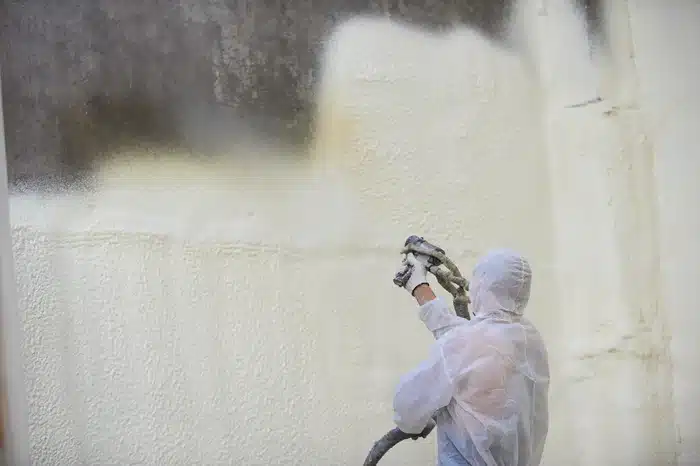
A dense foam that adds rigidity and resists moisture. It suits roofs, basements, and floors where Franklinton’s humid air can cause problems.
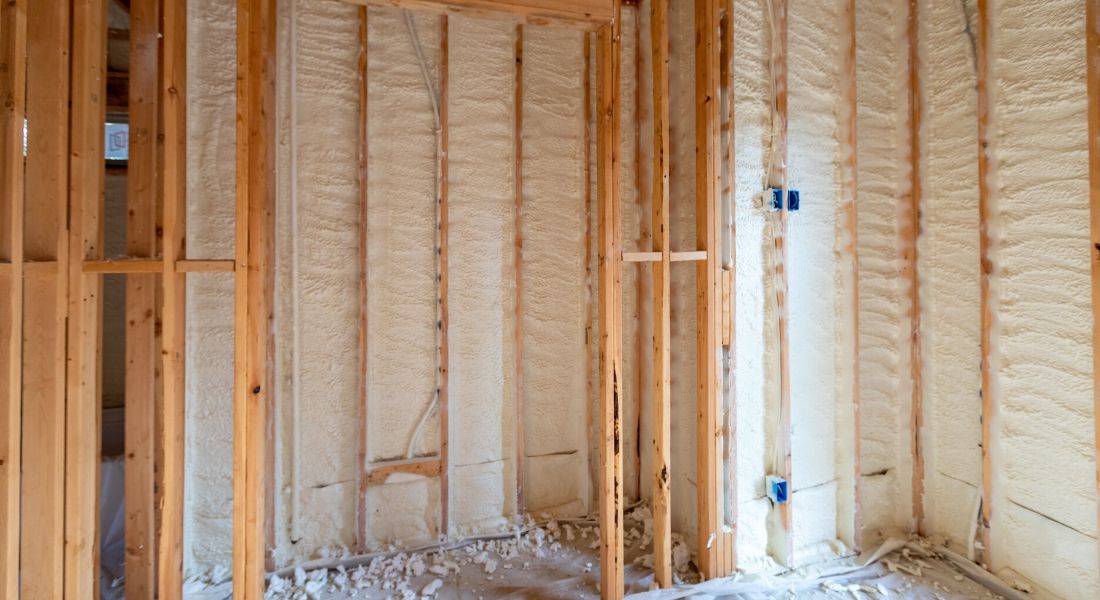
A lighter, softer foam that fills wall and framing cavities and seals air leaks. It works in interior areas where the added density of closed-cell foam isn’t needed.
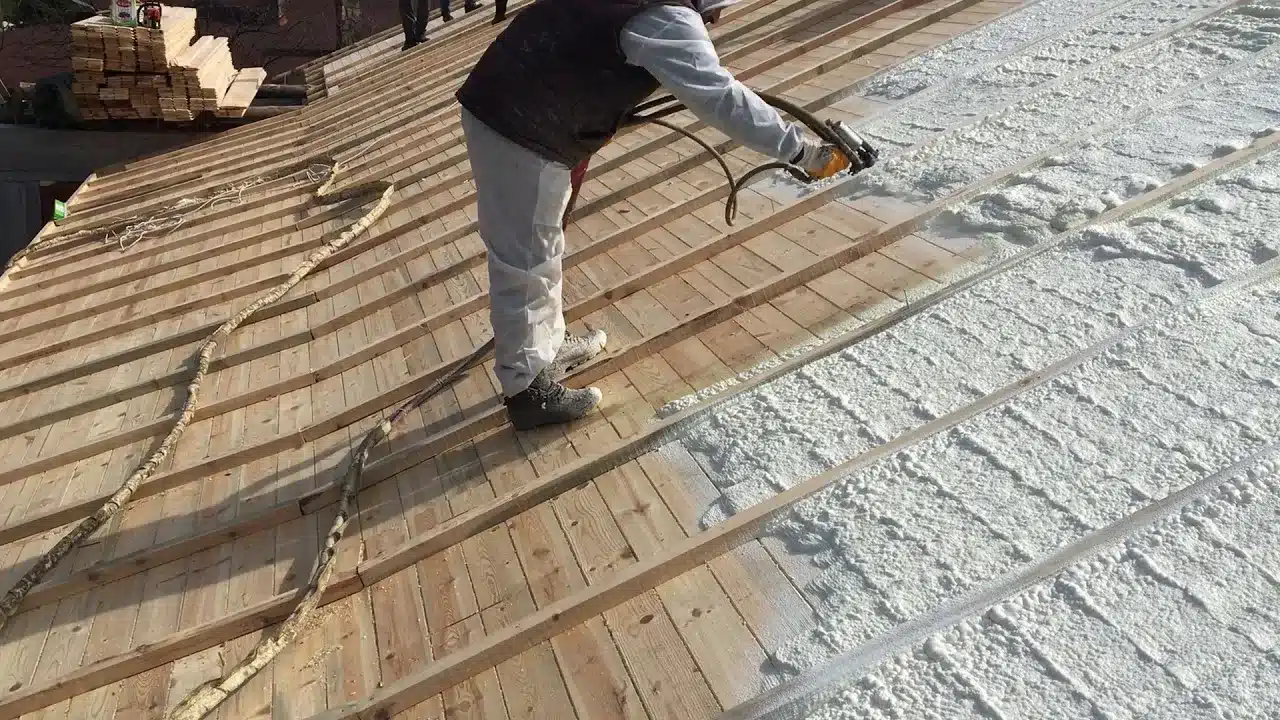
Reduces heat gain through the roof assembly, which matters during Franklinton’s hot summers for both houses and commercial buildings.
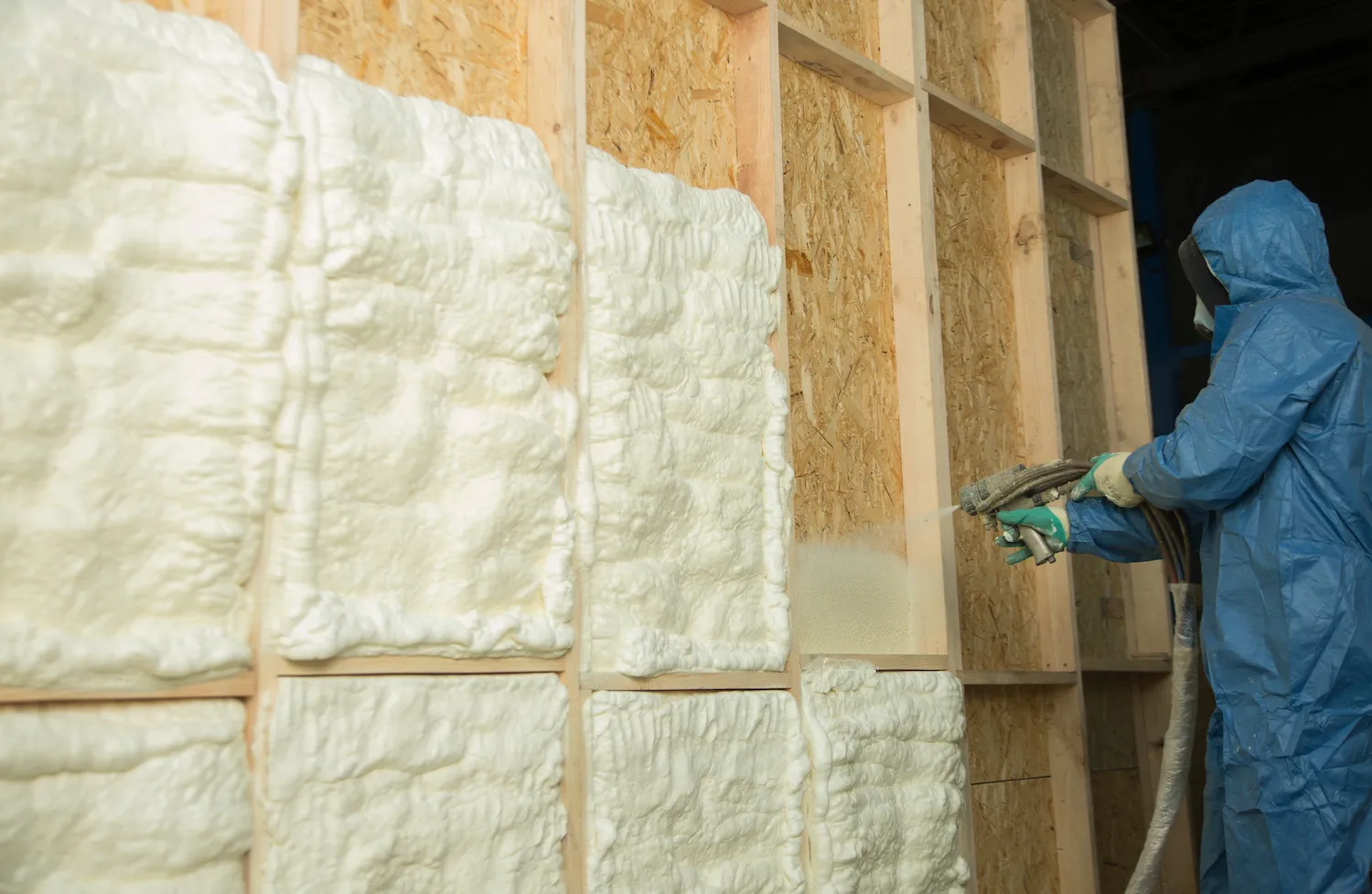
Insulates and seals exterior walls in new construction or existing buildings to limit drafts and humid air infiltration.
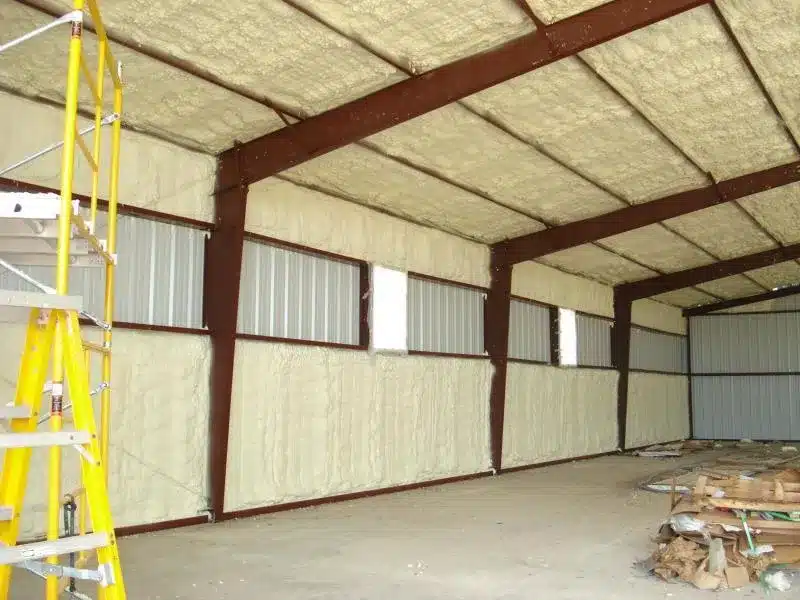
For commercial property owners who want steadier indoor temperatures and less heating and cooling demand across larger buildings.
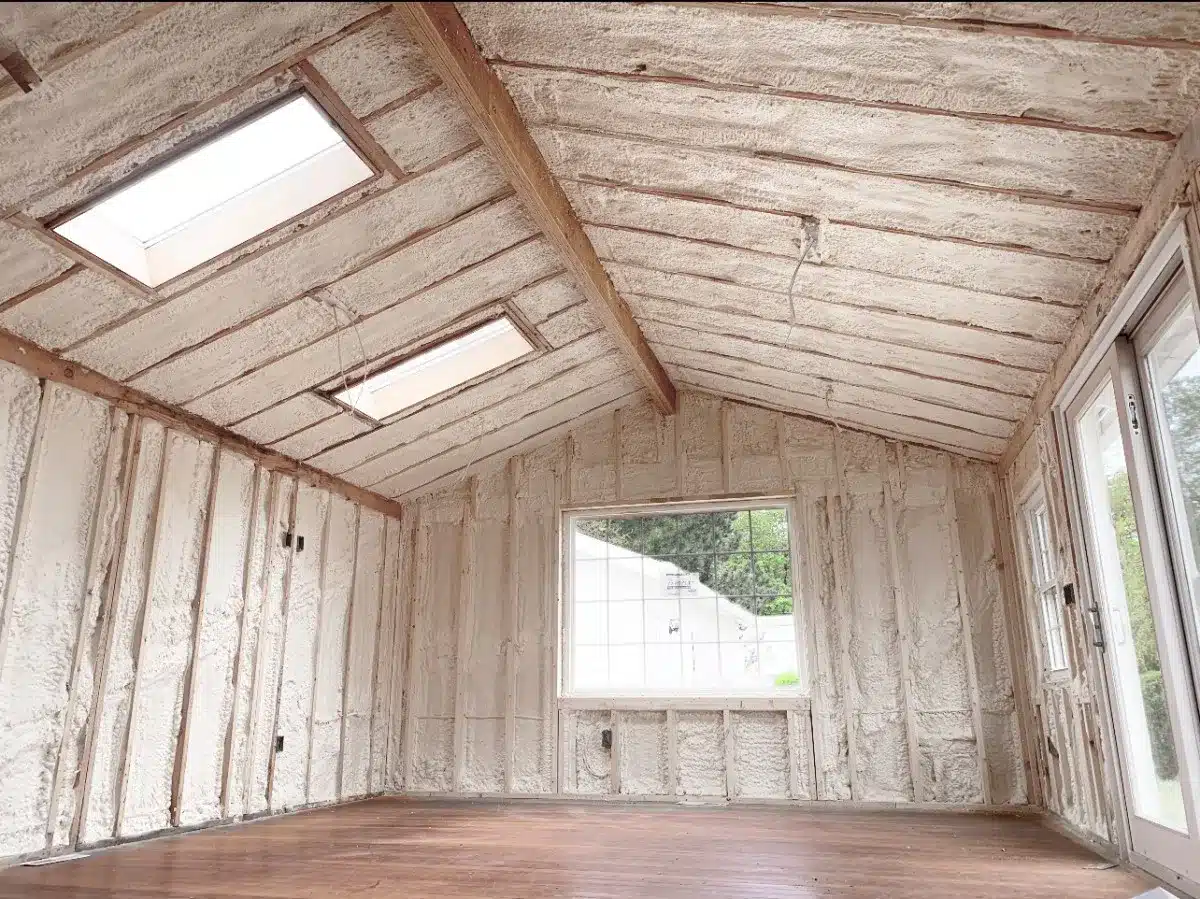
Covers single-family houses and additions, from new builds to existing homes with drafts or uneven room temperatures.
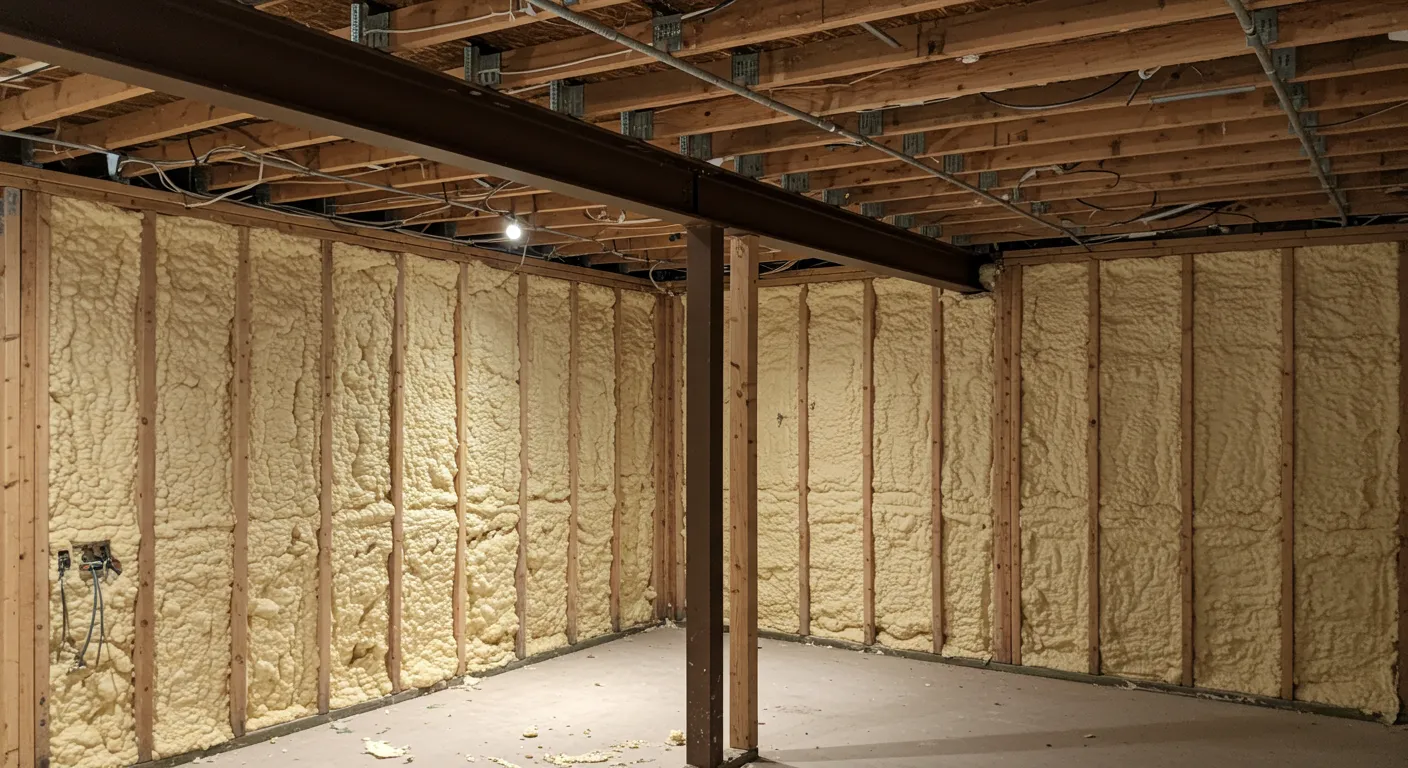
Addresses cool foundation surfaces where humid summer air can condense and leave basements damp.
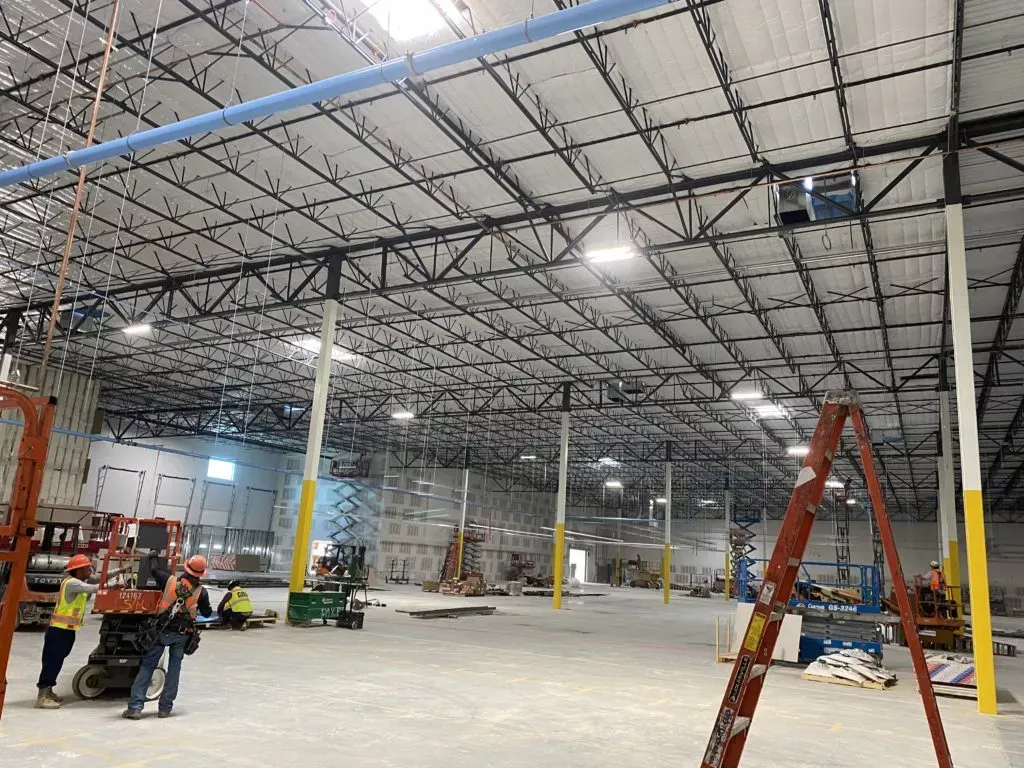
Targets the large roof and wall areas of warehouses to help moderate heat in summer and cold in winter.
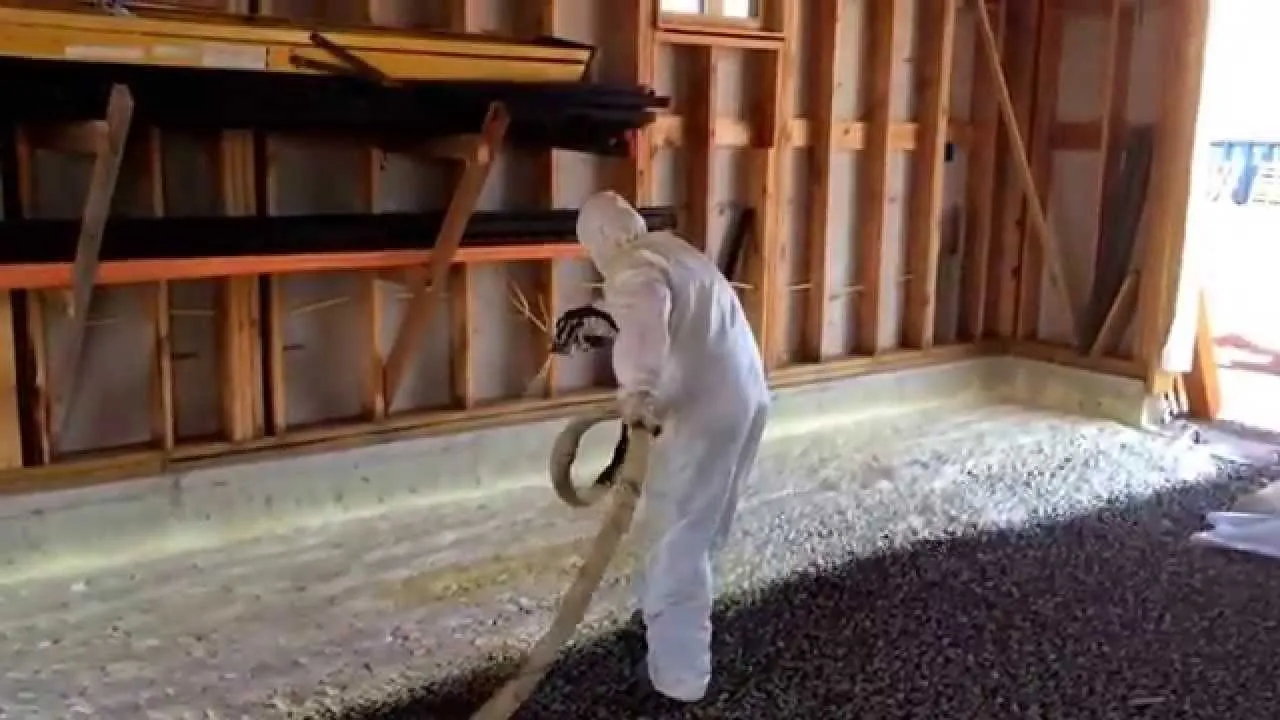
Insulates floors above unconditioned spaces to reduce cold floors in winter and air movement from below.
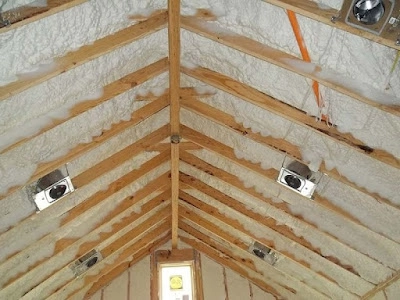
Spray foam for houses that combines insulation with air sealing, using open-cell or closed-cell foam depending on the area.
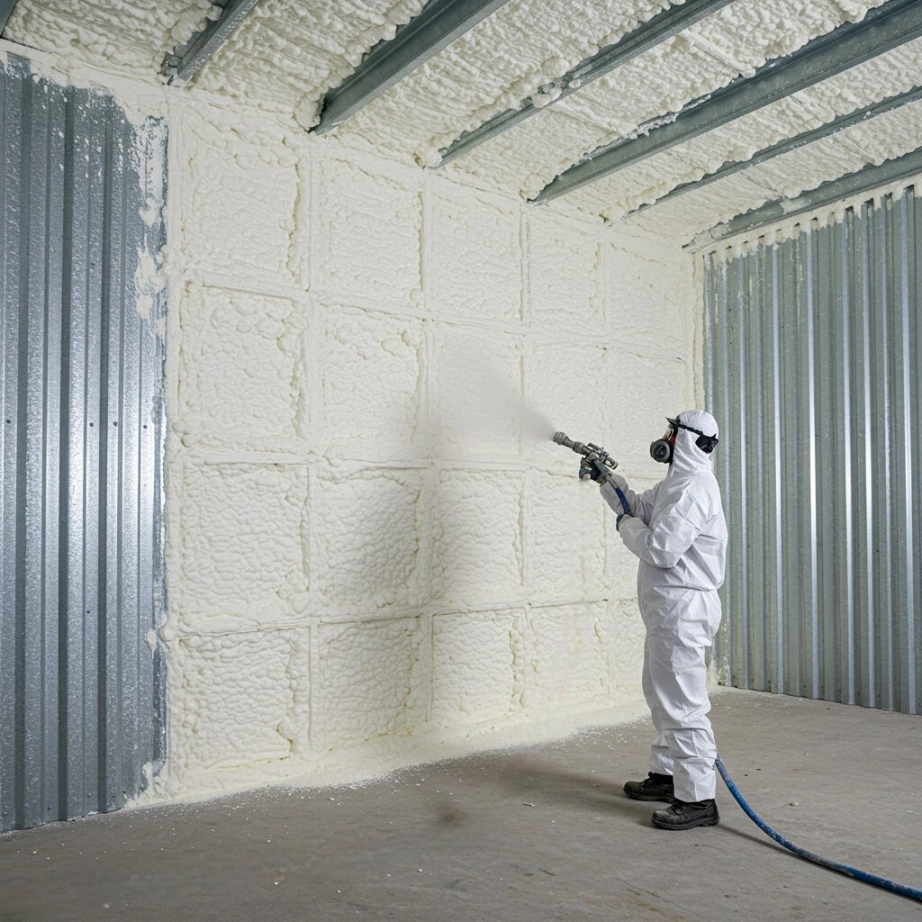
Spray foam for commercial buildings, where the foam can cover large and irregular surfaces in one continuous layer.
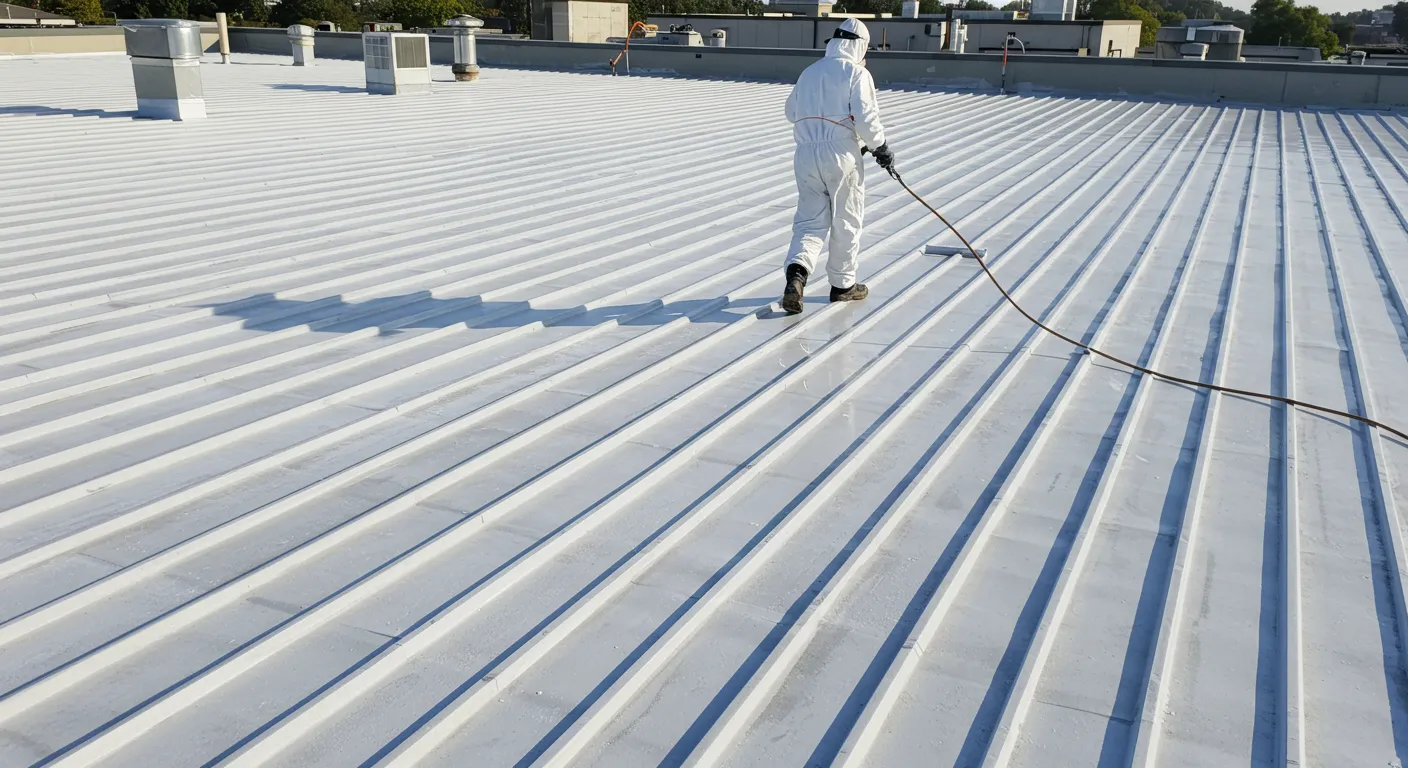
A foam-based roofing system that insulates while sealing the roof surface, typically used on flat or low-slope commercial roofs.
Home insulation services, commercial insulation, and spray foam roofing are all available. Tell us about your building and we’ll help you decide where foam makes sense. Call (919) 301-9435.
Describe your property, the area you want insulated, and concerns such as drafts, uneven temperatures, or moisture.
A professional insulation contractor reviews the building's conditions, access, and the surfaces to be foamed, then determines the appropriate solution.
Receive recommendations on open-cell or closed-cell foam and where each belongs, whether you need residential insulation solutions or a commercial scope.
Coordinate a suitable date and time, including access for occupied homes or working commercial sites.
The team completes the agreed work according to the project scope.
Walk through the finished work and ask any remaining questions.
Here is how an Insulation Installation Contractor Franklinton, NC owners hire typically moves a spray foam project from preparation to walkthrough.
Windows, fixtures, and surfaces that should not be foamed are covered or masked. For warehouses and other commercial properties, a commercial insulation company also has to coordinate access around operations and stored materials.
Foam is sprayed in layers to the thickness the project calls for, in the roof, wall, floor, or basement areas included in the scope.
The foam expands and cures after application, and excess is trimmed where framing or finishes require it.
The area is cleared of debris, and the finished work is reviewed with you.
Raleigh Excel Spray Foam Insulation focuses on spray foam work for both residential and commercial buildings. It offers Residential Insulation Solutions in Franklinton, NC for new homes and existing houses. Builders and commercial property owners can work with a Commercial Insulation Company in Franklinton, NC that installs closed-cell and open-cell foam as well as spray foam roofing. The goal is to match the foam type and thickness to the area being insulated. Property owners in nearby Youngsville, Louisburg, Wake Forest, Rolesville, Creedmoor, Butner, Oxford, Henderson, Raleigh, and Zebulon, NC can also reach out about their projects.
Closed-cell and open-cell foam for roofs, walls, floors, and basements, plus spray foam roofing.
Houses, builder projects, warehouses, and commercial buildings are all part of the service list.
A commitment to completing work carefully, maintaining professional standards, and focusing on the details that matter.
Awareness of Franklinton's humid subtropical climate and its mix of single-family homes and larger commercial buildings when planning the scope.
Choosing an insulation installation contractor starts with a conversation about the building. Call (919) 301-9435 or email [email protected] to describe your roof, wall, floor, or basement project in Franklinton, NC. We’ll point you toward the right foam type and scope.
Cost depends on the area being insulated, the foam type, and the thickness required. Pricing is confirmed once the project details are reviewed.
Duration depends on the building’s size and the areas included. The schedule is set when the work is planned.
Occupants and pets are generally kept out of the work area during application and for the re-entry period the foam manufacturer specifies. Ask for that timeline before the work date.
Yes, in areas that can be reached, such as accessible roof, wall, floor, and basement surfaces. Access to closed-in walls can limit the options.
The North Carolina Energy Conservation Code sets minimum insulation levels for new construction and some renovations. Builders should confirm project requirements with the local code official before settling on a scope.
Building codes generally require foam plastic insulation to be covered by a thermal or ignition barrier, depending on where it is installed. Confirm which applies to your project before work begins.