


High Point, North Carolina sits in IECC Climate Zone 4, which means homeowners face hot, humid summers pushing the mid-90s and winter cold snaps dropping into the low 20s. That temperature swing demands insulation that does more than just slow heat transfer. The right residential insulation for extreme climates in High Point needs to manage moisture, seal air leaks, and maintain consistent R-values across both heating and cooling seasons. No single material is perfect for every home, but spray foam insulation (particularly closed-cell), mineral wool, and rigid foam board offer the strongest performance for this climate. The best choice depends on your home’s construction, your budget, whether you’re retrofitting or building new, and which areas of the home you need to prioritize.
TLDR / Key Takeaways
- High Point falls under IECC Climate Zone 4, requiring a minimum of R-49 for attics, R-20 for walls, and R-30 for floors under the 2021 NC Energy Code.
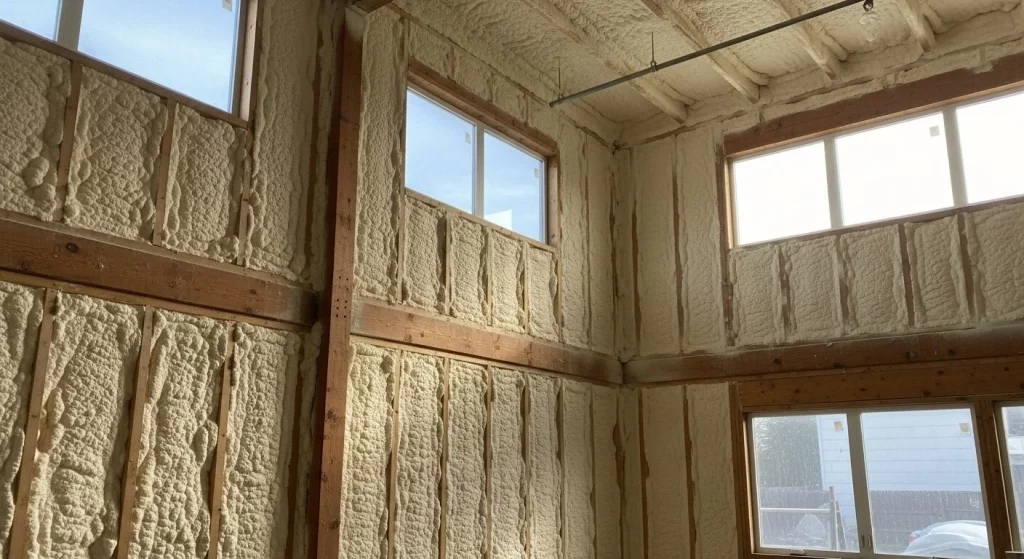
- Closed-cell spray foam delivers the highest R-value per inch (R-6.0 to R-7.0), provides a built-in moisture barrier, and acts as an air sealant, making it the strongest all-around performer for extreme temperature shifts.
- Open-cell spray foam offers solid R-value (R-3.5 to R-3.7 per inch) at a lower cost and is well-suited for interior wall cavities and attics where moisture intrusion is less of a concern.
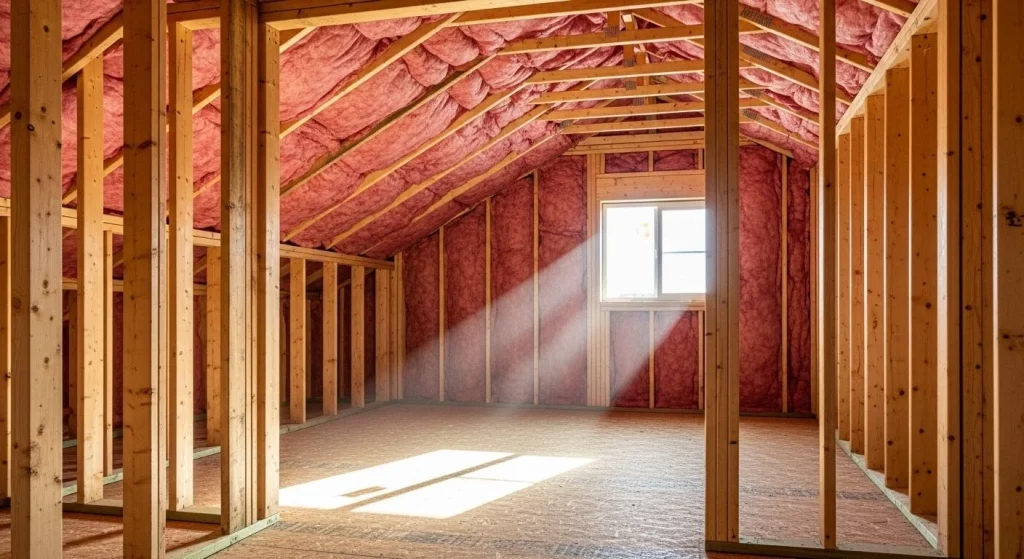
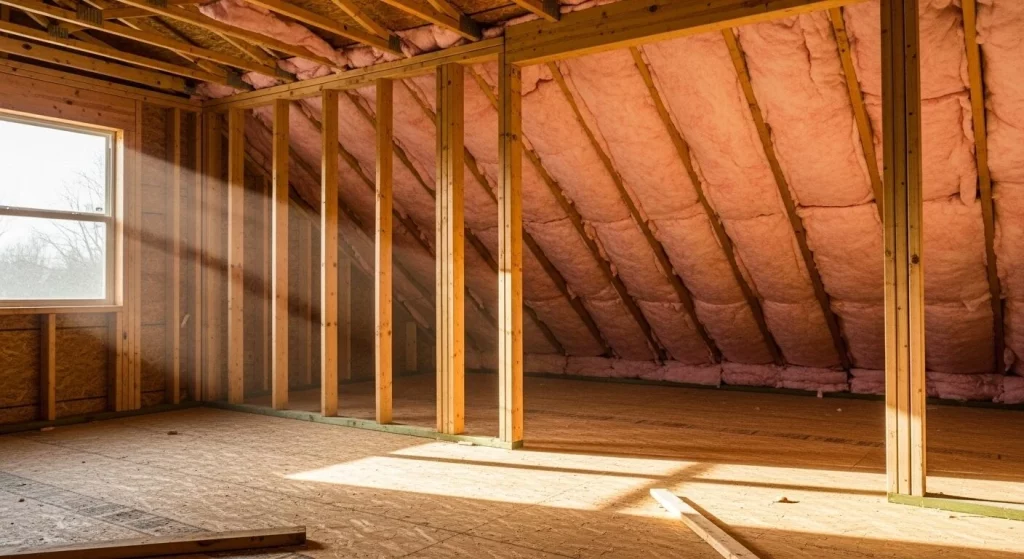
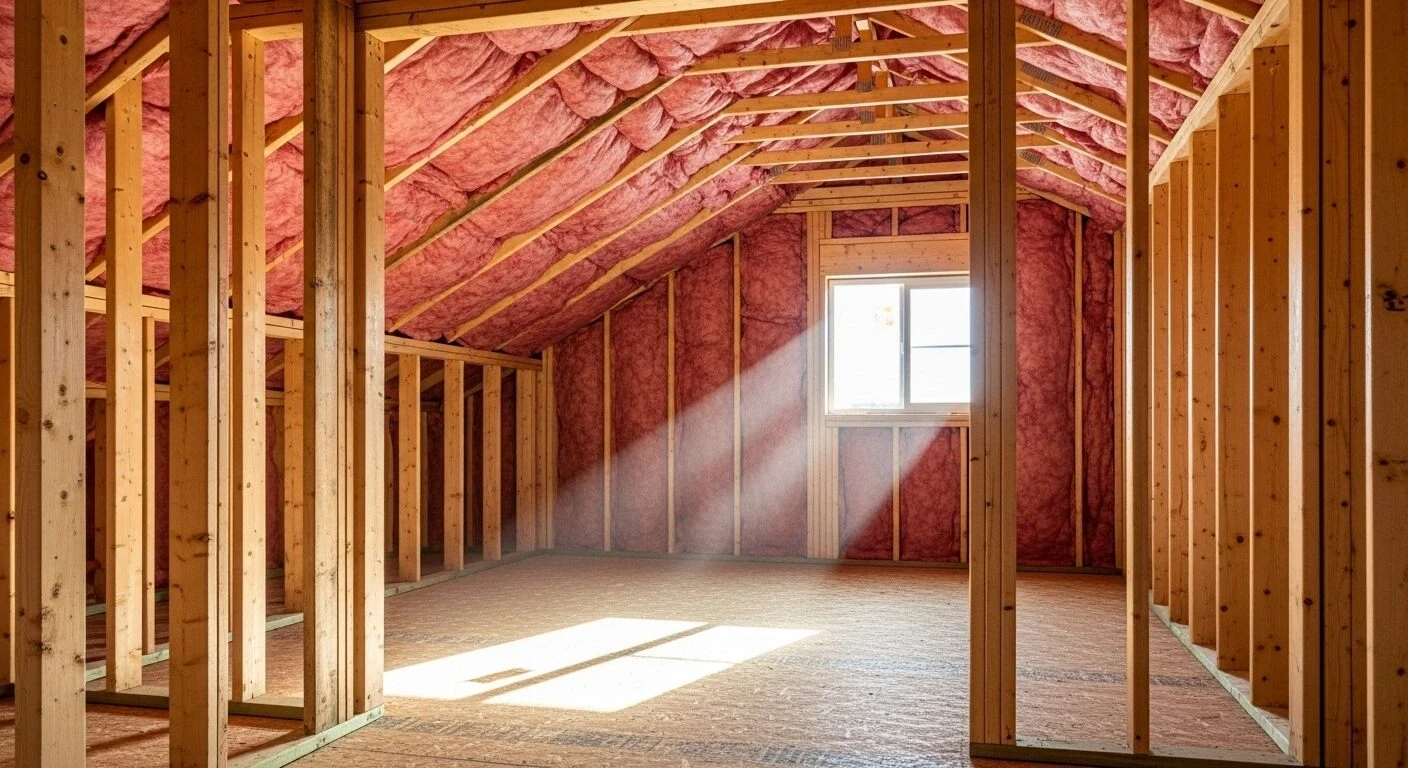
- Fiberglass batts remain the most budget-friendly option but offer lower R-value per inch (R-2.9 to R-3.8) and cannot seal air leaks on their own.
- The 2021 NC State Energy Code now requires exterior continuous insulation for Climate Zones 4 and 5, which impacts new construction wall assemblies significantly.
- Retrofit projects should prioritize air sealing first, then layer insulation in order of impact: attic, walls, then basement or crawl space.
- Expect to invest $1.50 to $3.50 per square foot for fiberglass or cellulose, $1.00 to $1.50 per board foot for open-cell spray foam, and $2.00 to $3.50 per board foot for closed-cell spray foam.
Understanding High Point’s Climate Challenge
High Point experiences the full range of North Carolina’s Climate Zone 4A conditions. Summer humidity levels routinely climb above 70%, driving air conditioning costs, while winter temperatures can stay below freezing for days at a time. This combination creates two competing demands on your insulation system: it must resist conductive heat flow in both directions and block humid outdoor air from infiltrating your home envelope.
Traditional insulation materials like fiberglass and cellulose slow heat transfer effectively, but they do not stop air movement. When wind-driven rain or humid air finds gaps around windows, electrical boxes, and framing joints, moisture enters wall cavities and attic spaces. Over time, that moisture degrades R-value, promotes mold growth, and can compromise structural elements. Materials that combine insulation with an air barrier, such as spray foam, address both problems in a single application.
According to the U.S. Department of Energy, choosing insulation involves matching the material to the application area, the existing construction, and the specific climate demands. For High Point, that means prioritizing materials that handle moisture as well as temperature extremes.
Insulation Material Comparison for Climate Zone 4
| Material | R-Value per Inch | Air Sealing | Moisture Resistance | Best Application in High Point | Cost Range |
|---|---|---|---|---|---|
| Closed-Cell Spray Foam | R-6.0 to R-7.0 | Excellent | Acts as vapor barrier | Crawl spaces, rim joists, exterior walls, roofs | $2.00-$3.50/board ft |
| Open-Cell Spray Foam | R-3.5 to R-3.7 | Excellent | Vapor permeable | Interior walls, attics (vented), sound deadening | $1.00-$1.50/board ft |
| Mineral Wool | R-3.7 to R-4.2 | Good | Moisture resistant | Exterior continuous insulation, fire-rated walls | $1.50-$2.50/sq ft |
| Fiberglass Batts | R-2.9 to R-3.8 | Poor | Absorbs moisture | Budget retrofits, standard wall cavities | $1.00-$1.70/sq ft |
| Rigid Foam Board (XPS, EPS) | R-3.8 to R-6.5 | Good (when sealed) | Varies by type | Exterior continuous insulation, basement walls | $0.75-$2.00/sq ft |
| Blown Cellulose | R-3.1 to R-3.8 | Moderate | Treated for moisture | Attic floors, existing wall cavities (dense-pack) | $1.50-$2.50/sq ft |
Why Closed-Cell Spray Foam Leads for Extreme Climates
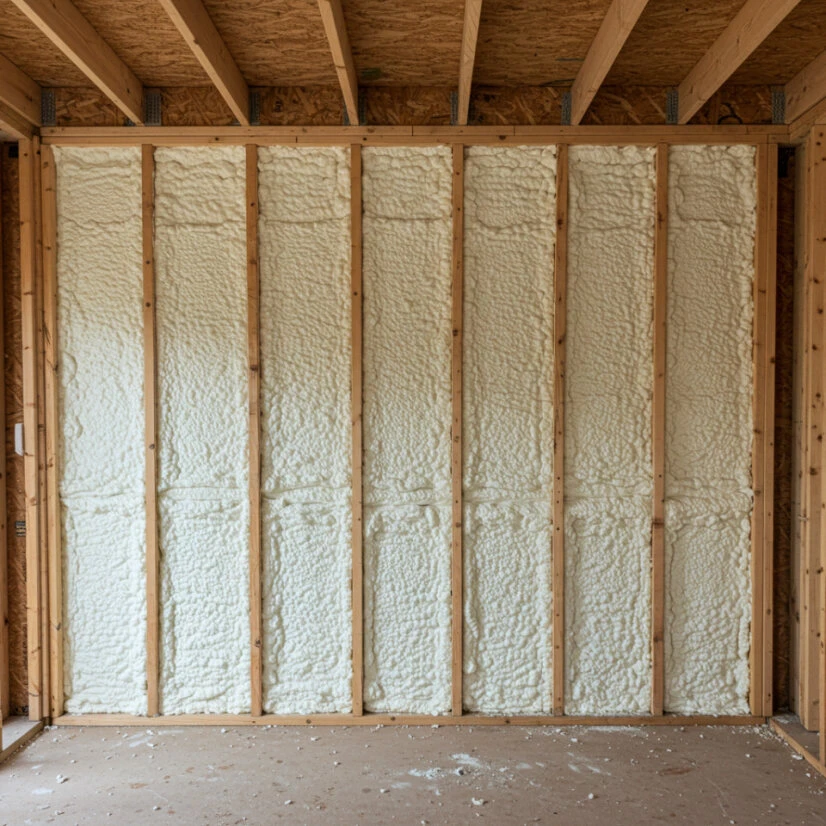
Closed-cell spray foam stands out for High Point homes because it solves the moisture problem that other materials leave unaddressed. With an R-value reaching R-6.5 to R-7.0 per inch, it delivers roughly double the thermal resistance of fiberglass in the same space. More importantly, it expands to fill gaps, cracks, and penetrations, creating an airtight seal that prevents conditioned air from escaping and unconditioned air from entering.
In crawl spaces and basements, where High Point’s humid summers push moisture through concrete and block foundations, closed-cell spray foam applied to rim joists and foundation walls creates both a thermal barrier and a vapor retarder. This dual function is difficult to replicate with other materials without adding separate vapor barrier systems.
When Open-Cell Spray Foam Makes Sense
Open-cell spray foam costs significantly less than closed-cell and still provides the air-sealing benefits that fiberglass cannot match. Its lower density means it expands more, filling irregular cavities thoroughly. In High Point’s vented attics and interior partition walls, open-cell foam performs well and adds sound-dampening qualities that homeowners often appreciate.
The tradeoff is that open-cell foam is vapor permeable, meaning it does not block moisture movement. In a vented attic assembly, that permeability works to your advantage because any moisture that enters can dry to the outside. In unvented assemblies or below-grade applications, however, the lack of a vapor barrier makes closed-cell the safer choice.
The Role of Mineral Wool and Rigid Foam Board
Mineral wool has gained significant traction in Climate Zone 4 construction because it meets the new exterior continuous insulation requirement without adding combustible materials. It is fire-resistant, water-repellent, and maintains its R-value even when exposed to moisture. For homeowners adding continuous insulation to the exterior of existing homes during re-siding projects, mineral wool is a practical option.
Rigid foam boards (EPS, XPS, and polyiso) work well for basement walls, under slab applications, and as continuous exterior insulation. Polyiso offers the highest R-value per inch among rigid boards at R-5.6 to R-6.5, but its performance drops in cold temperatures, which matters during High Point’s winter cold snaps.
Comparison Chart Suggestion: A side-by-side bar chart comparing R-value per inch across all six insulation materials, with a secondary overlay showing cost per square foot. This helps homeowners visualize the performance-to-cost ratio.
Real-World Scenarios for High Point Homes
| Home Type | Challenge | Insulation Strategy | Priority Areas | Expected Outcome |
|---|---|---|---|---|
| 1970s ranch with vented attic | High summer cooling costs, drafty rooms | Air seal attic floor, blown cellulose over existing fiberglass, closed-cell foam at rim joists | Attic, rim joists, knee walls | 25-35% reduction in energy bills |
| New construction two-story | Code compliance with continuous insulation | Closed-cell spray foam in wall cavities, open-cell in attic, rigid foam exterior sheathing | Full envelope | Exceeds 2021 code, tight building envelope |
| Crawlspace home with moisture issues | Musty smell, cupping hardwood floors | Encapsulate crawl space with closed-cell foam on walls and rim joist, sealed vapor barrier on floor | Crawl space, rim joist | Eliminated moisture issues, stable indoor humidity |
| Historic home with 2×4 walls | Limited cavity depth for insulation | Dense-pack cellulose in walls, open-cell foam in attic, exterior mineral wool if re-siding | Walls, attic | Improved comfort without altering historic character |
| Basement renovation | Cold floors, humidity in finished space | Closed-cell spray foam on basement walls and rim joist, rigid foam under slab | Basement walls, rim joist, floor | Usable year-round basement space |
How to Evaluate an Insulation Contractor
Choosing the right contractor is as important as choosing the right material. A poorly installed insulation product will underperform regardless of its specifications.
Questions to ask:
- Are you licensed and insured in North Carolina?
- What insulation materials do you specialize in, and why do you recommend them for my specific home?
- Can you provide a thermal or blower door test before and after installation?
- Do you handle air sealing as part of the insulation installation?
- What warranties do you offer on both materials and labor?
- Can you provide references from recent High Point or Triad area projects?
Criteria to evaluate:
- Manufacturer certifications (e.g., SPF installer certifications from BASF, Demilec, or similar)
- Knowledge of North Carolina’s current energy code requirements
- Willingness to perform a pre-installation assessment rather than quoting over the phone
- Transparent pricing that breaks down materials, labor, and any prep work
Common Mistakes to Avoid
- Skipping air sealing before insulating. Insulation without air sealing is like wearing a sweater with the zipper open. Air leaks around penetrations, top plates, and rim joists bypass insulation entirely. Seal first, then insulate.
- Using the wrong material for the application. Closed-cell foam in a vented attic is often overkill and expensive, while fiberglass alone in a crawl space will not address moisture. Match material to location and conditions.
- Ignoring ventilation requirements. Tightening the building envelope without ensuring adequate ventilation can trap indoor pollutants and moisture. Discuss mechanical ventilation with your contractor.
- Choosing based on price alone. The lowest bid often means lower material quality, insufficient coverage, or inexperienced installation. Compare scope of work and warranties alongside price.
- Not meeting or exceeding code minimums. The 2021 NC Energy Code raised the bar for Climate Zone 4. Falling short means lower resale value and higher operating costs for as long as you own the home.
Recommendations by Homeowner Situation
| Homeowner Profile | Recommended Insulation Priority | Best Materials | Why |
|---|---|---|---|
| Building new construction | Full envelope approach | Closed-cell walls, open-cell or rigid foam attic, continuous exterior insulation | Meet code, maximize performance from day one, control moisture |
| Retrofitting an older home | Attic and air sealing first | Blown cellulose or open-cell attic, dense-pack walls | Highest ROI with least disruption, address biggest energy loss area first |
| Dealing with crawl space moisture | Crawl space encapsulation | Closed-cell spray foam on walls and rim joist, sealed vapor barrier | Directly addresses moisture, protects indoor air quality |
| On a tight budget | Targeted air sealing + attic insulation | Fiberglass or blown cellulose in attic, caulk and seal penetrations | Attic upgrades deliver the most noticeable improvement per dollar |
| Planning a major renovation | Whole-home envelope upgrade | Combination of spray foam, mineral wool, and rigid foam depending on scope | Coordinate insulation with other work to minimize additional labor costs |
Signs You’ve Found the Right Insulation Solution
- The contractor performed a thorough assessment of your home before quoting, including discussing problem areas, existing insulation conditions, and your comfort goals.
- The recommended approach addresses both thermal performance and moisture management, not just R-value.
- Pricing is detailed and transparent, with clear breakdowns of materials, labor, and any necessary prep work.
- The contractor understands and can explain how the proposed solution meets or exceeds North Carolina’s current energy code.
- There is a clear plan for air sealing as part of the installation, not just adding material to cavities.
- The warranty covers both materials and workmanship, and the contractor stands behind the installation long-term.
- You feel confident asking follow-up questions and receive clear, honest answers without pressure or upselling.
Get Expert Insulation Guidance for Your High Point Home
Choosing the right insulation for High Point’s climate demands local expertise and a clear understanding of how materials perform under real Piedmont weather conditions. At Raleigh Excel Spray Foam Insulation, we assess each home individually and recommend solutions based on your specific construction, comfort goals, and budget rather than pushing a one-size-fits-all approach.
Call us directly at (919) 301-9435 or email [email protected] to discuss your project. We serve High Point and the greater Triad area with professional spray foam installation backed by honest recommendations and quality workmanship.
FAQs
What R-value does my attic need in High Point, NC?
Under the 2021 North Carolina Energy Code for Climate Zone 4, attics require a minimum of R-49 for insulated ceilings and R-38 for insulated attic assemblies. Many older High Point homes have far less, often R-19 or less, which is why attic insulation upgrades typically deliver the most noticeable improvement in comfort and energy costs.
Is spray foam insulation worth the higher upfront cost?
For most High Point homeowners dealing with extreme temperature swings and humidity, yes. Spray foam provides air sealing and moisture resistance that fiberglass and cellulose cannot match on their own. While the upfront investment is higher, the reduction in energy costs, improved indoor air quality, and prevention of moisture-related damage often offset the difference within several years.
Can I install insulation myself to save money?
Some materials like fiberglass batts and rolled insulation are DIY-friendly for accessible areas like attics and open floor cavities. However, spray foam requires professional equipment, training, and safety precautions. Improper installation of any insulation material can create moisture traps, air gaps, and even fire hazards, so having a professional assess and at minimum consult on your project is strongly recommended.
How long does residential insulation last?
Most insulation materials last 50 to 80 years or more when installed correctly and protected from moisture. Fiberglass and mineral wool do not degrade over time. Spray foam is stable once cured. The bigger concern is settling (with blown materials) or moisture damage, both of which professional installation and proper air sealing help prevent.
Does adding insulation help with humidity in my home?
Indirectly, yes. Insulation combined with proper air sealing reduces the amount of warm, humid outdoor air that infiltrates your living spaces. In High Point’s summer months, that translates to lower indoor humidity and less strain on your air conditioning system. For crawl spaces, closed-cell spray foam and encapsulation directly address ground moisture and humid air infiltration, which are common sources of whole-home humidity problems.
Sources
- U.S. Department of Energy – Types of Insulation – Comprehensive overview of insulation materials, installation methods, and R-value comparisons for residential applications.
- Rmax – Insulation Requirements in North Carolina Explained – Breakdown of North Carolina building code insulation requirements by climate zone, including Zone 4 specifications.
- Comfy Home – Best Insulation for North Carolina Homes: Climate Zone 4 Guide – Detailed guide on R-value requirements and insulation recommendations specific to NC Climate Zone 4.
- iFoam – Spray Foam Insulation vs. Fiberglass: Efficiency Compared – Direct comparison of spray foam and fiberglass insulation R-values, air sealing capabilities, and cost considerations.
- Alamance Insulation – 2021 Insulation Requirements for Greensboro, High Point, Burlington NC – Local contractor overview of updated 2021 NC energy code insulation requirements affecting High Point area homeowners.