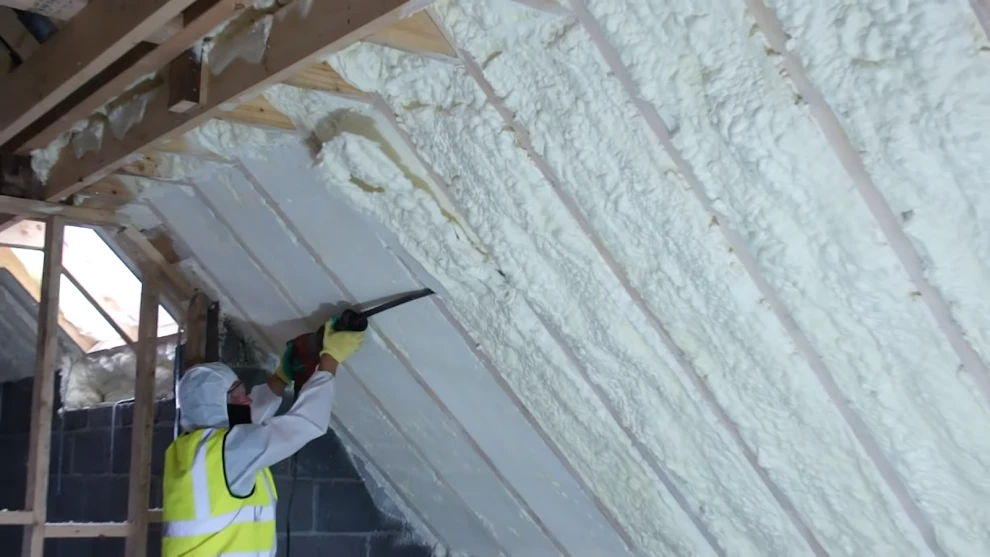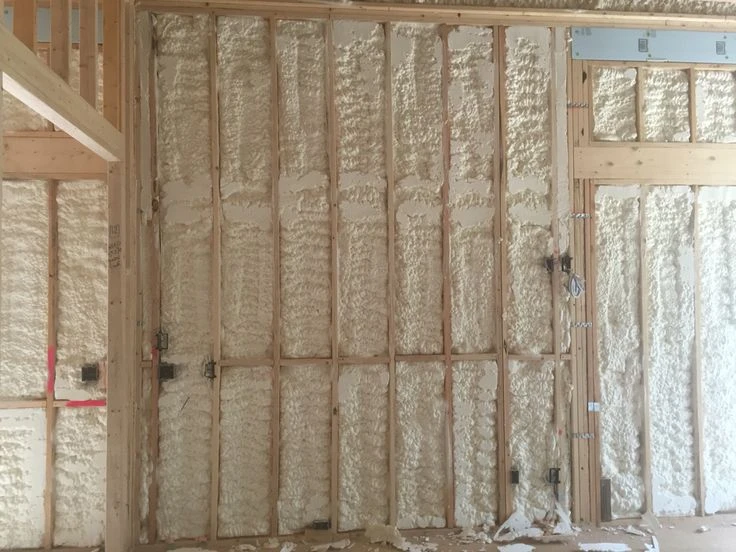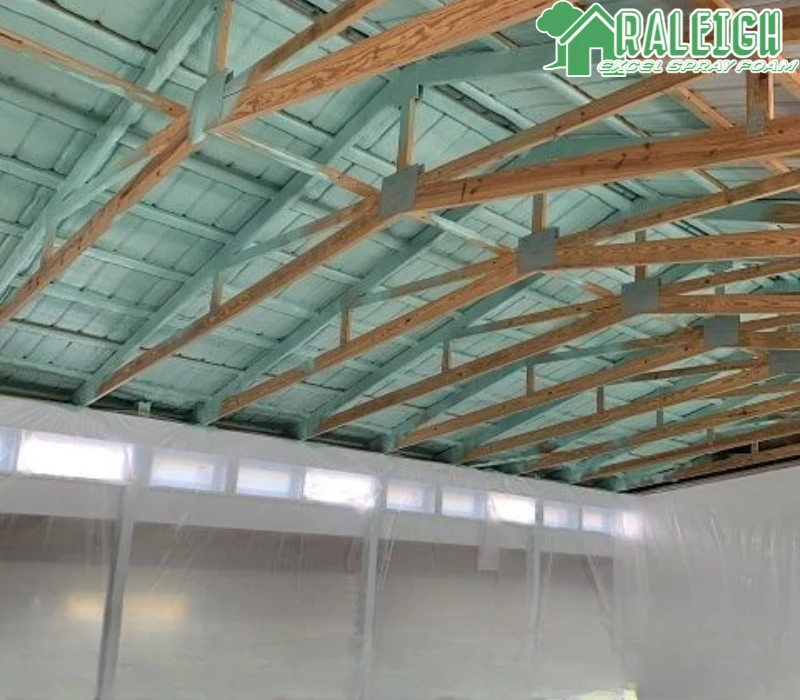



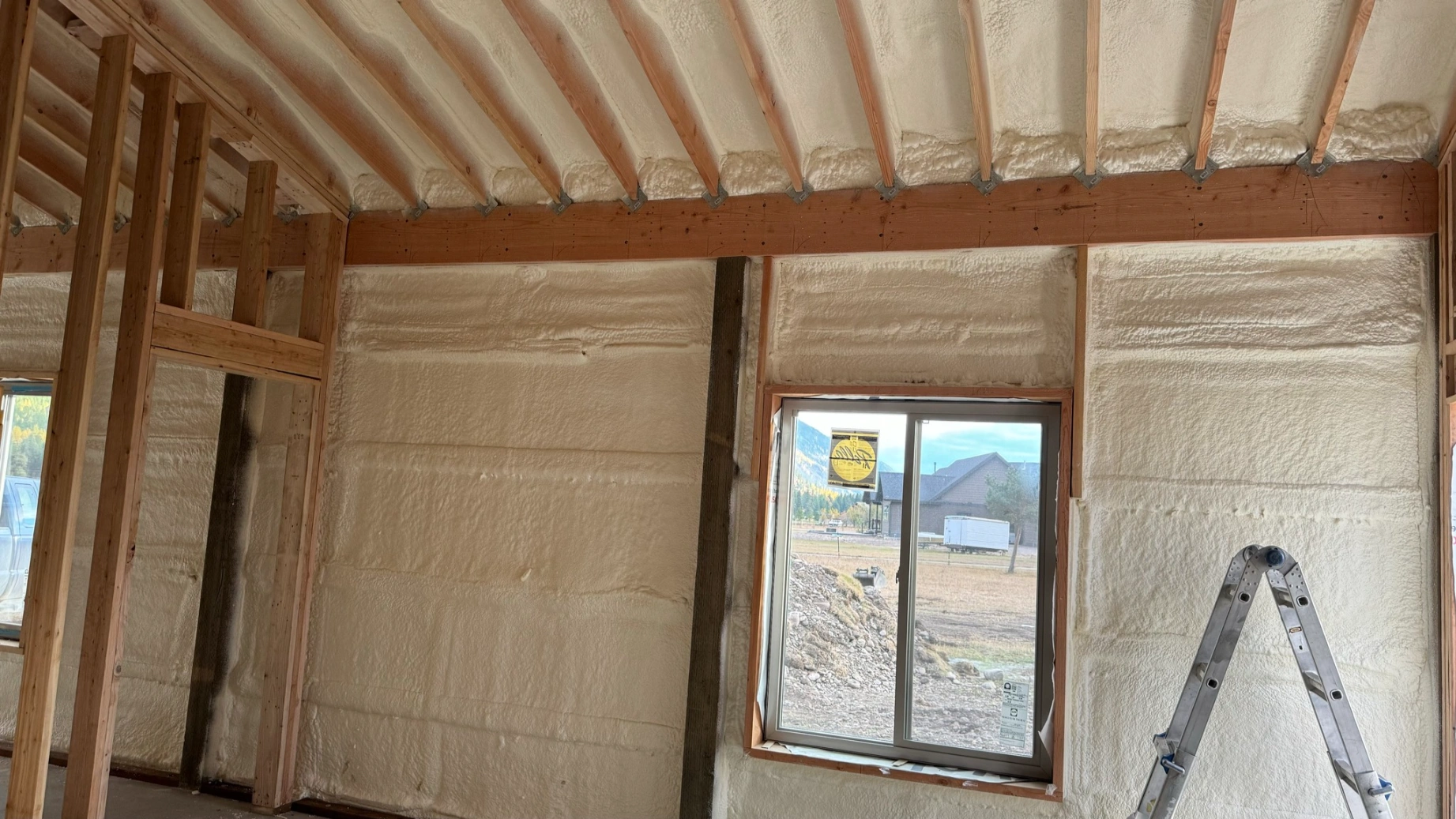
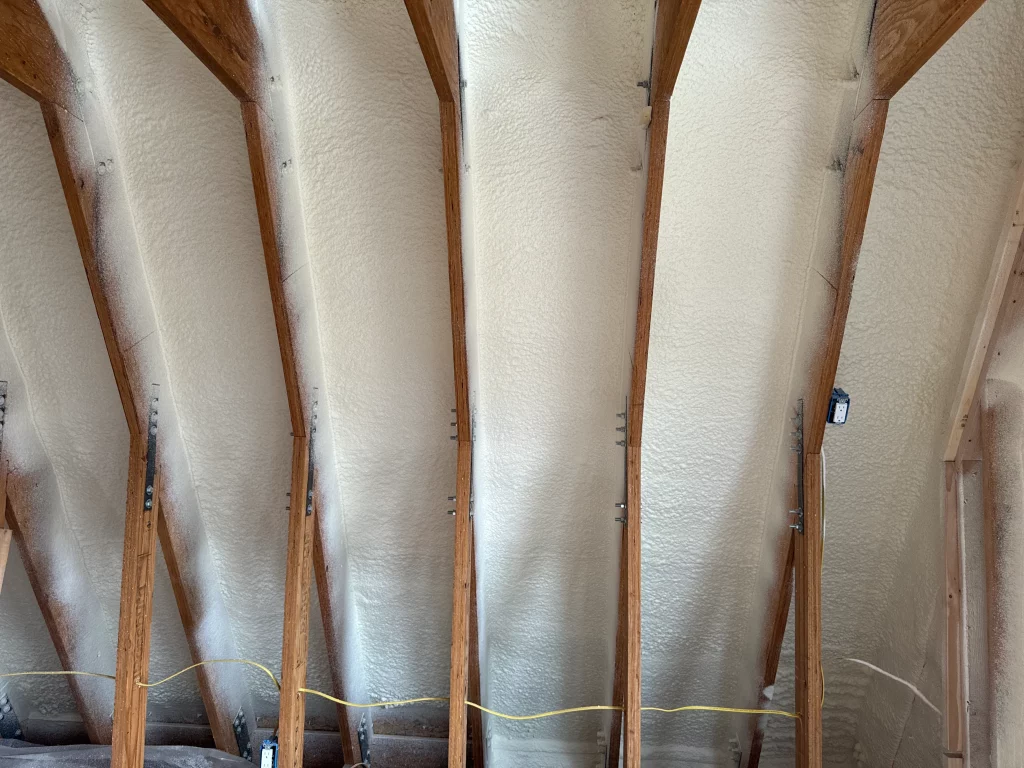
Closed-cell spray foam insulation is highly effective at keeping basements dry by creating a monolithic barrier against moisture vapor and humid air. Still, it is not a substitute for proper exterior drainage if you have active flooding. For homeowners in Chapel Hill dealing with high humidity and porous concrete walls, applying closed-cell foam prevents dampness, stops condensation, and blocks soil gases. It acts as a Class II vapor retarder, preventing moisture from passing through foundation walls into your living space.
However, distinguishing between moisture vapor and bulk water intrusion is vital. Spray foam excels at stopping the “damp basement smell” and humidity that ruins storage boxes. If water actively flows through cracks in your foundation during heavy rains, you must address drainage and hydrostatic pressure before installing insulation services in Chapel Hill, NC. Raleigh Excel Spray Foam Insulation has encountered numerous basements in the Piedmont region where foam was the final piece of the puzzle, but only after gutters and grading were corrected.
The Science Behind Closed Cell Foam and Moisture Control
To understand why this material works well in North Carolina basements, you have to look at its cellular structure. Closed-cell spray polyurethane foam (ccSPF) consists of millions of tiny, fully encapsulated gas bubbles. Unlike open-cell foam, which resembles a sponge, closed-cell foam has a rigid, dense structure.
This density allows it to perform three distinct functions simultaneously:
- Thermal Insulation: It keeps the heat out in summer and warmth in during winter.
- Air Barrier: It seals tiny cracks and gaps that allow humid air to enter.
- Vapor Retarder: It prevents moisture from diffusing through porous materials like cinder blocks or concrete.
According to the Building Science Corporation, moisture moves from warm, damp areas (such as the soil outside) to cooler, drier areas (such as your basement). Without a barrier, this drive is constant. Closed-cell foam halts this migration at the source.
Chapel Hill Climate Factors Impacting Basements
The local geography presents specific challenges for keeping a lower level dry. Chapel Hill sits on predominantly clay soil. This “red clay” expands when wet and shrinks when dry, exerting significant pressure on foundation walls. This movement often creates micro-cracks in masonry.
Additionally, the humidity in this region is substantial. Data from Weather Spark indicates that the muggier period in Chapel Hill lasts for nearly four months, from late May to September. During these months, the dew point is often high enough to cause condensation on cool basement walls.
When warm, humid air hits a cool concrete wall (which stays around 55-60 degrees F year-round), water droplets form. This is “sweating.” Closed-cell foam insulates the wall surface so the interior air never touches the cold concrete, effectively eliminating condensation potential.
Bonus Tip: Check your downspouts before insulating. If they dump water right next to the foundation, the hydraulic pressure might overwhelm even the best waterproofing attempts. Extend downspouts at least six feet away from the house.
Closed Cell vs Open Cell for Basements
Choosing the right material is essential because using the wrong type of insulation in a below-grade environment can lead to disaster. Open-cell foam is excellent for attics but dangerous for basements.
The table below outlines why closed-cell is the superior choice for below-grade applications.
| Feature | Closed-Cell Spray Foam | Open-Cell Spray Foam |
|---|---|---|
| Water Resistance | Hydrophobic (repels water) | Hydrophilic (absorbs water) |
| Permeability | Low (Vapor Retarder) | High (Vapor Permeable) |
| Structure | Rigid, adds structural strength | Soft, flexible |
| R-Value (per inch) | ~R-6.0 to R-7.0 | ~R-3.5 to R-3.8 |
| Mold Risk | Low (food source absent) | High (holds moisture) |
| Best Application | Basements, crawl spaces, exterior walls | Interior walls, attics |
As noted by the U.S. Department of Energy, closed-cell foam is the only spray foam type recommended for below-grade walls due to its resistance to water absorption.
Things to Consider Before Making a Decision
Before scheduling an installation, evaluate the current state of your basement. Covering up a major structural problem will only delay a necessary repair.
Hydrostatic Pressure
If you see standing water on the floor after a storm, you have a bulk water issue. Foam is water-resistant, but it is not a dam. High hydrostatic pressure can push water through the foam or cause it to delaminate from the wall over time. You may need an interior drain tile system or a sump pump installed before insulation.
Termite Inspection Zones
North Carolina is in a zone with moderate to heavy termite activity. Spraying foam from the floor joists to the slab makes it impossible to inspect for termite mud tubes. Building codes often require a 3-inch inspection gap at the top of the wall (termite shield area). A report by NC State University Extension suggests maintaining visibility of the foundation edge to prevent hidden infestation.
HVAC Requirements
Tightening up a basement changes how the house “breathes.” Once you seal the air leaks, your HVAC system might need adjustment. The basement will no longer passively dehumidify through drafts, but it also won’t gain humidity from outside. You should install a mechanical dehumidifier or ensure your HVAC returns are sized correctly to circulate air in the newly sealed space.
Conclusion
Closed-cell spray foam in in Chapel Hill, NC is a powerful tool for maintaining a dry, comfortable basement in Chapel Hill. It effectively handles the region’s high humidity and soil moisture by creating a seamless vapor and air barrier. While it cannot fix major drainage failures or stop active flooding, it resolves the dampness and condensation issues that plague most unfinished and finished basements.
Homeowners should verify that their exterior water management is functional before insulating. Once the bulk water is managed, applying closed-cell foam turns a damp, musty lower level into a usable, energy-efficient part of the home.
Contact Raleigh Excel Spray Foam Insulation
If you are tired of dealing with a damp basement or high energy bills, we can help assess your specific situation. Our team understands the unique soil and climate challenges in Chapel Hill. We provide honest evaluations to determine if closed-cell foam is the right solution for your home.
Raleigh Excel Spray Foam Insulation Phone: (919) 301-9435 Email: [email protected]
Frequently Asked Questions
Does spray foam insulation kill mold?
No, spray foam does not actively kill existing mold. You must clean and remediate any existing mold on the basement walls before application. However, closed-cell foam prevents future mold growth by eliminating the moisture and food source (organic dust) that mold requires.
Can I apply spray foam myself?
While DIY kits exist, they are generally suited for small patch jobs, like sealing a rim joist. For full walls, achieving the correct chemical mixture and temperature is difficult with consumer-grade equipment. Poorly mixed foam can remain tacky, off-gas indefinitely, or pull away from the wall.
How long does the foam take to cure?
Closed-cell foam is dry to the touch within minutes. However, complete curing typically takes 24 to 48 hours. During the application and curing period, the area must be ventilated to remove chemical vapors.
Will spray foam stop radon gas?
Closed-cell spray foam creates an air seal that can significantly reduce the entry of soil gases, including radon. While it is not a dedicated radon mitigation system, sealing the foundation walls and rim joists helps lower overall radon levels by closing the entry points.
Sources
- Building Science Corporation – Technical digest explaining moisture dynamics in basements and proper insulation strategies.
- U.S. Department of Energy – Overview of insulation materials and their appropriate applications for different parts of the home.
- NC State University Extension – Information on termite biology, risks, and control measures relevant to North Carolina homeowners.