




Chapel Hill is best known as the home of the University of North Carolina at Chapel Hill, the nation’s first public university, founded in 1789. The town blends deep academic roots with a vibrant arts scene, locally owned shops on Franklin Street, and the lush greenery of the Carolina North Forest. With a population of around 60,000, Chapel Hill has the feel of a close-knit community that values education, sustainability, and smart living.
Summer temperatures here regularly climb into the low 90s, while winter nights can dip well below freezing. That kind of temperature swing puts serious demand on any home or building, making dependable insulation more than just an upgrade. It becomes a practical necessity for year-round comfort and manageable energy bills.
Picture stepping into your Chapel Hill home on a sweltering July afternoon and feeling a cool, consistent temperature throughout every room, not just the ones closest to the AC vents. Now imagine opening your winter heating bill and seeing numbers that finally make sense. That is what happens when you choose the right Insulation Contractor in Chapel Hill, NC to handle your home’s thermal barrier with precision and care.

| Insulation Feature | Fiberglass Batts | Blown-In Cellulose | Closed-Cell Spray Foam |
|---|---|---|---|
| R-Value per Inch | 2.2 – 3.8 | 3.1 – 3.8 | 6.0 – 7.0 |
| Air Barrier | No | No | Yes |
| Moisture Barrier | No | No | Yes |
| Adds Structural Strength | No | No | Yes |
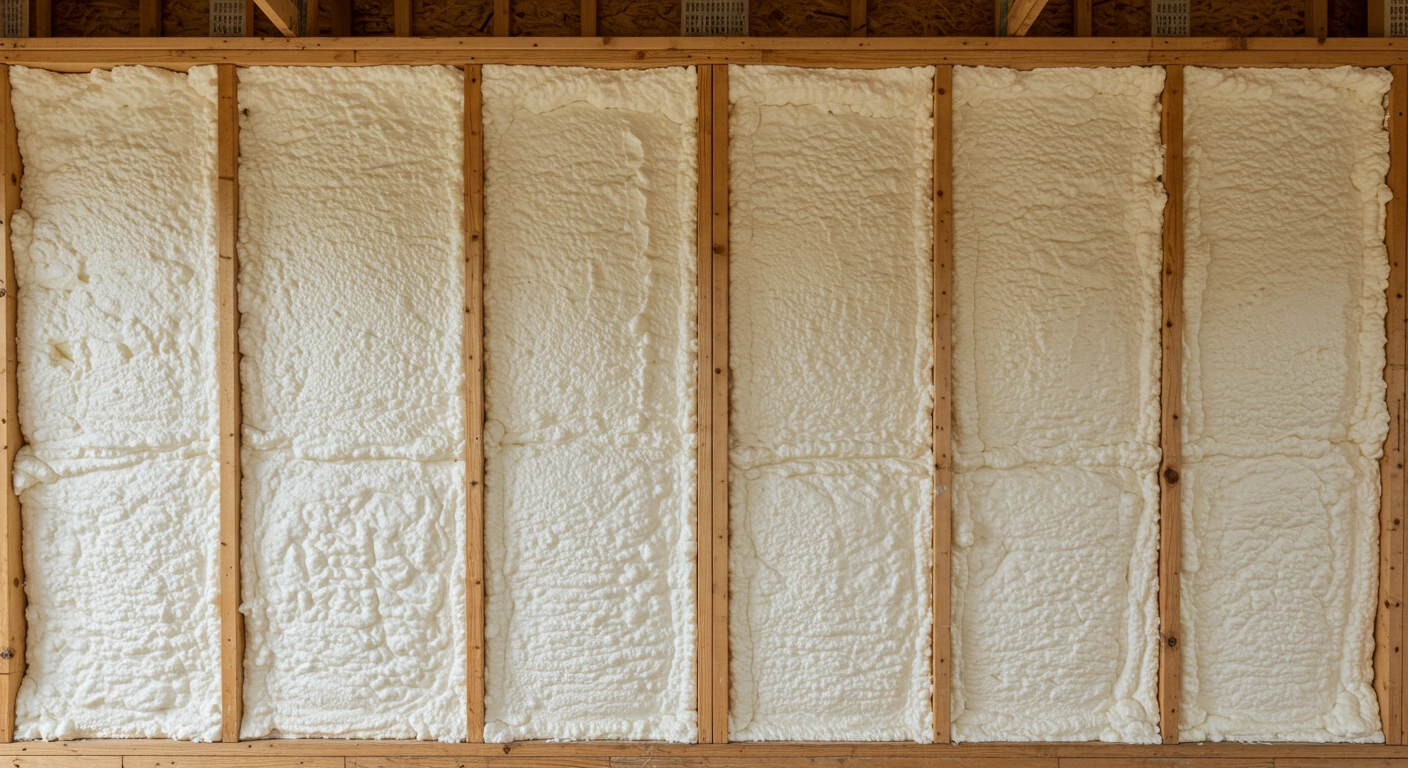
Closed-cell spray foam delivers an R-value of roughly 6.5 per inch, which is more than double what traditional fiberglass batts offer. That means thinner walls can achieve better thermal performance, leaving more usable living space inside your home. According to the U.S. Department of Energy, air sealing and insulation upgrades can reduce heating and cooling costs by up to 15%, and closed-cell spray foam is one of the most effective ways to achieve that.
Beyond energy savings, closed-cell spray foam hardens into a dense, rigid material that actually strengthens your walls and roof. It resists water infiltration, which is especially valuable during Chapel Hill’s heavy spring rains and occasional hurricane remnants.
Things to Consider Before Upgrading:
Our technicians bring years of hands-on experience with closed-cell spray foam to every Chapel Hill project, from small crawl space encapsulations to full-home insulation retrofits. We use premium materials and follow manufacturer guidelines to the letter, so you get a consistent, high-quality application that performs as promised for decades.
Every home is different, and that is why we start with a thorough assessment of your property before recommending any specific approach. We walk you through exactly what the process involves, what the expected results are, and how much you can realistically save on energy costs going forward.
Unlike fiberglass or cellulose, closed-cell spray foam does not settle, sag, or degrade over time. Once it cures, it stays in place and keeps performing at the same level for the life of your home. That long-term consistency is what sets it apart from every other insulation material on the market.
Whether you are building a new home in Chapel Hill or retrofitting an older one, our professionals tailor every installation to the specific needs of your structure and climate zone. We handle residential and commercial projects alike, always with the same attention to detail and commitment to quality.
A 1940s cottage near UNC’s campus had been battling drafty rooms and rising energy bills for years. After applying closed-cell spray foam to the attic rafters and crawl space, the homeowners saw a 30% reduction in their monthly energy costs and noticed even temperatures throughout the house for the first time in decades.
Stop paying to heat and cool air that leaks right out of your home. Contact Raleigh Excel Spray Foam Insulation today at (919) 301-9435 or email [email protected] to schedule a free consultation and get an honest, straightforward assessment of your insulation needs.
Most residential projects are completed within one to two days, depending on the size and scope of the area being insulated.
Once fully cured, spray foam is completely inert and non-toxic, and our professionals take all necessary precautions during the installation process to ensure safety.
Yes, closed-cell foam can be applied through small holes drilled into existing walls, making it a practical option for older homes without needing to remove drywall.
Closed-cell foam is denser, offers a higher R-value per inch, and acts as a moisture and air barrier, while open-cell foam is softer, less expensive, and better suited for sound dampening.
No, once installed and cured, closed-cell spray foam requires zero maintenance and will continue to perform for the lifetime of your home.