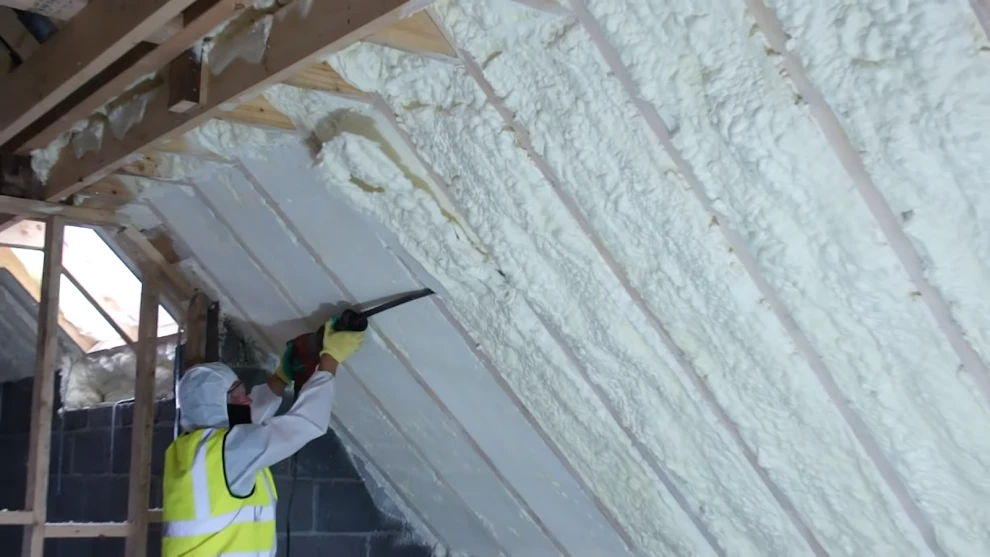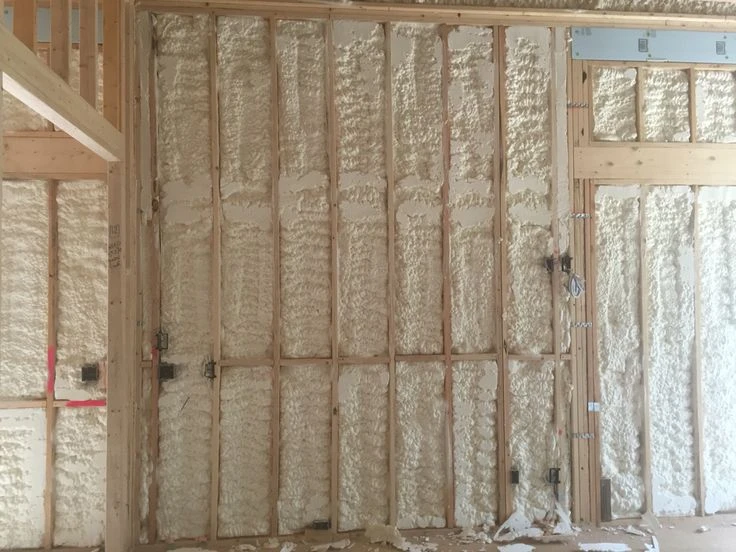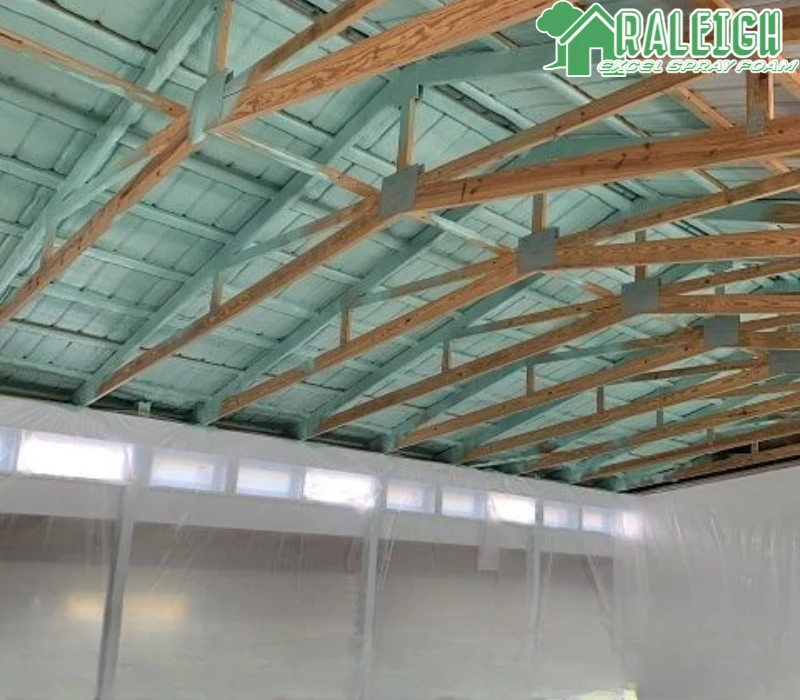



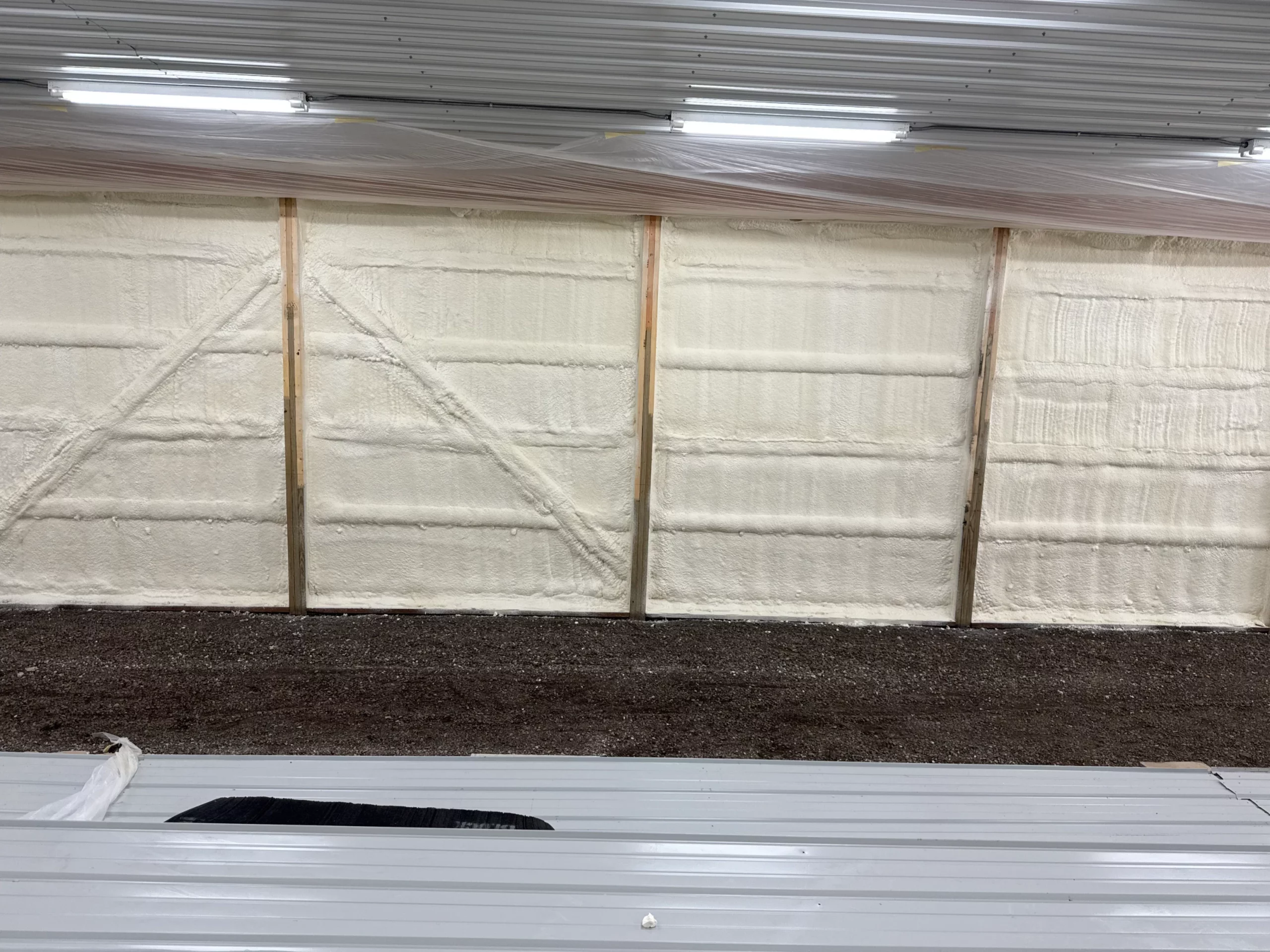
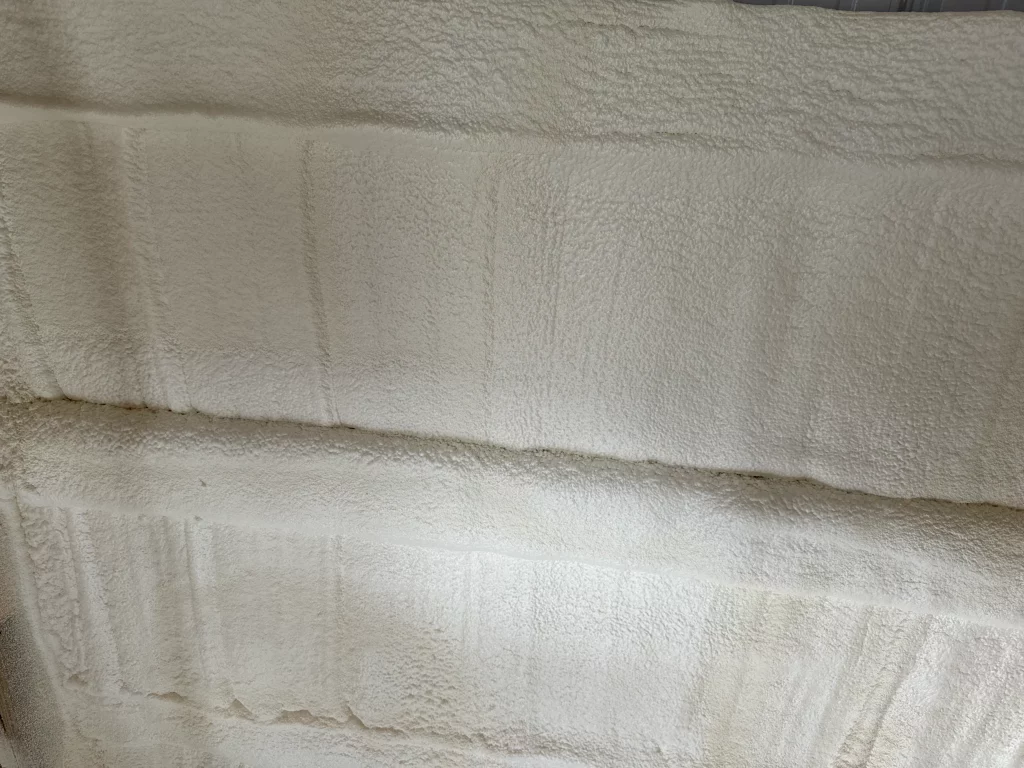
Closed cell foam insulation solution offers superior sound dampening primarily because it creates a seamless, monolithic air barrier that physically blocks sound waves from entering a structure. Unlike fibrous insulation materials, which allow noise to travel through air gaps, closed cell foam expands to fill every crack and crevice, effectively sealing the building envelope. Its high density adds significant mass to walls, helping impede the transmission of airborne noise from traffic, wind, and outdoor conversations.
While softer insulations absorb echoing sound within a room, closed cell spray foam excels at sound isolation, stopping noise from passing through walls entirely. The material’s rigidity also strengthens the structure, reducing vibrations and resonance that often carry low-frequency noise through standard wood framing. As an experienced installer, Raleigh Excel Spray Foam Insulation understands that controlling noise requires addressing both air leakage and structural vibration, two areas where closed cell foam outperforms traditional options.
The Science of Sound Blocking vs. Sound Absorption
To understand why closed cell foam works, you must distinguish between sound absorption and sound blocking. Most people confuse the two. Sound absorption reduces echo in a room, which soft, spongy materials handle well. Sound blocking, or sound transmission loss, prevents noise from moving from one side of a wall to the other.
Closed cell foam acts as a barrier. Its dense structure creates a shield that reflects and blocks sound waves. This makes it the ideal choice for exterior walls where the goal is to keep street noise out.
The Role of Density in Noise Control
Mass is a primary factor in the attenuation of sound. Heavier objects are more complex for sound waves to vibrate. Closed cell spray foam is much denser than open cell foam or fiberglass.
- Closed Cell Density: Approximately 2.0 lbs per cubic foot.
- Open Cell Density: Approximately 0.5 lbs per cubic foot.
This difference in density means closed cell foam creates a heavier wall assembly. When sound waves hit this denser material, they lose energy faster than they would if they were passing through lighter insulation. (Spray Polyurethane Foam Alliance).
Comparing Insulation Acoustic Properties
The following table illustrates how closed cell foam compares to other common insulation types regarding sound control and density.
| Insulation Type | Density (approx.) | Primary Acoustic Function | Best Application |
|---|---|---|---|
| Closed Cell Spray Foam | 2.0 lb/ft³ | Sound Blocking (Isolation) | Exterior walls, noisy environments |
| Open Cell Spray Foam | 0.5 lb/ft³ | Sound Absorption | Interior walls, media rooms |
| Fiberglass Batts | 0.5 – 1.0 lb/ft³ | Moderate Absorption | Standard interior/exterior walls |
| Mineral Wool | 2.5 – 4.0 lb/ft³ | Blocking & Absorption | Fire-rated assemblies, specialized soundproofing |
Eliminating Flanking Noise Through Air Sealing
A major weakness in traditional insulation is air leakage. Sound travels through air. If air can pass through a wall, sound can, too. This is known as “flanking noise.” Even a gap occupying just 1% of a wall’s surface area can reduce its sound-blocking ability by up to 50%.
Closed cell spray foam acts as both insulation and an air barrier. When applied, it expands to 30-40 times its liquid volume. This expansion forces the material into:
- Gaps around electrical outlets
- Cracks between framing studs
- Spaces around plumbing penetrations
- Joints in the exterior sheathing
By sealing these pathways, closed cell foam forces sound to pass through the solid wall assembly rather than bypassing it through cracks. A report from the Department of Energy highlights that air sealing is critical to maximizing insulation performance, which directly correlates with acoustic efficiency.
Structural Rigidity and Vibration Reduction
Sound is vibration. When a heavy truck drives by, the noise isn’t just traveling through the air; it also vibrates the ground and the house’s frame. Standard timber framing can rattle or resonate, amplifying these low-frequency sounds.
Closed cell foam is rigid. Once it cures, it acts like glue, bonding the exterior sheathing to the studs. This significantly increases the wall’s racking strength. By firming up the structure, the foam reduces the wall’s ability to vibrate. A stiffer wall resonates less, meaning less low-frequency noise (like the rumble of thunder or bass from a car stereo) makes it inside.
Market Data: The Cost of Noise
Noise pollution is not just an annoyance; it is a measurable factor in property value and quality of life. Data from the World Health Organization indicates that excessive environmental noise can disturb sleep and increase stress levels.
In the housing market, soundproofing is becoming a premium feature. Homeowners are increasingly requesting high-performance insulation specifically for acoustic benefits. Industry analysis suggests that homes with upgraded insulation packages, including spray foam, can see improved resale value due to the dual benefits of energy efficiency and noise reduction.
Things to Consider Before Making a Decision
Before committing to closed cell foam for sound dampening, evaluate specific project needs.
- Exterior vs. Interior: Closed cell is best for exterior walls to block outside noise. For interior walls (like between a bedroom and a bathroom), open cell foam or mineral wool might be more cost-effective options that still provide sound-dampening.
- The Budget Factor: Closed cell foam is a premium product. It costs more than fiberglass or open cell foam. The investment is justified by the thermal performance and moisture control, with sound-dampening as a significant added benefit.
- Existing Drywall: Installing spray foam in existing walls usually requires removing the drywall. If the goal is to retrofit a home without demolition, injection foam might be a better alternative, though with different acoustic properties.
Bonus Tip: For the ultimate soundproof wall, combine closed cell spray foam with a resilient channel system. The foam seals and adds mass, while the resilient channel mechanically disconnects the drywall from the studs, stopping vibration transfer.
Frequently Asked Questions
Can closed cell foam soundproof my basement ceiling?
It will reduce the noise of footsteps and airborne sound from the floor above. The foam’s rigidity adds stability to the subfloor, reducing squeaks and creaks, while the air seal prevents noise from traveling through heating vents or pipe chases.
How thick should the foam be for sound dampening?
For sound control, 2 to 3 inches is typically sufficient. This thickness provides the necessary air barrier and adds enough mass to impede sound transmission. Going thicker offers diminishing returns for sound, though it increases R-value.
Does the foam degrade over time in terms of sound quality?
No. Closed cell foam does not settle, sag, or shrink. The sound-dampening properties remain consistent for the life of the building, unlike fiberglass, which can settle and create gaps over time.
Is closed cell foam good for home theaters?
It is excellent for keeping the movie sound inside the theater and preventing it from disturbing the rest of the house. However, for the theater’s acoustics, you will still need acoustic panels on the walls to avoid audio distortion.
Conclusion
Closed cell spray foam offers superior sound dampening by combining high density, structural rigidity, and a perfect air seal. It tackles noise from multiple angles: blocking sound waves with mass, stopping airborne leaks, and reducing wall vibrations. While other materials may absorb sound, few can match the isolation capabilities of a closed cell application.
Evaluate the specific noise sources you face. If the primary concern is loud exterior noise, drafts, or structural vibration, closed cell foam is a highly effective solution. Prioritize sealing the building envelope first, as this yields the highest return on investment for both comfort and quiet.
Upgrade Your Home’s Comfort and Quiet
Ready to eliminate unwanted noise and improve energy efficiency? The team at Raleigh Excel Spray Foam Insulation is prepared to assess your project. We provide precise installation services that maximize the acoustic and thermal benefits of spray foam.
Get a Quote Today:
- Phone: (919) 301-9435
- Email: [email protected]
Sources
- Department of Energy – Overview of insulation types and the importance of air sealing for performance.
- World Health Organization – Data regarding the health impacts of environmental noise and the importance of noise reduction in living spaces.
- Spray Polyurethane Foam Alliance – Technical data regarding the density and application standards of closed cell versus open cell foam.