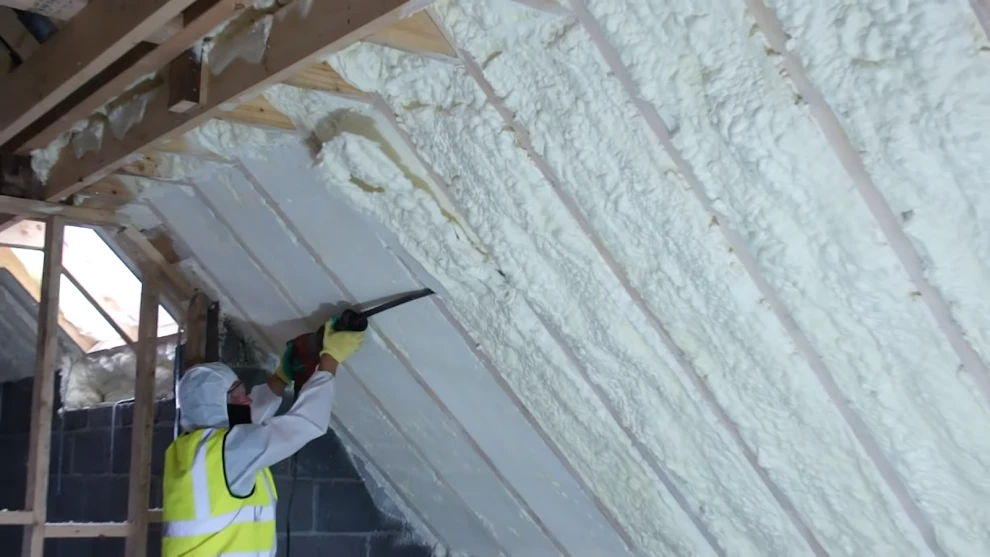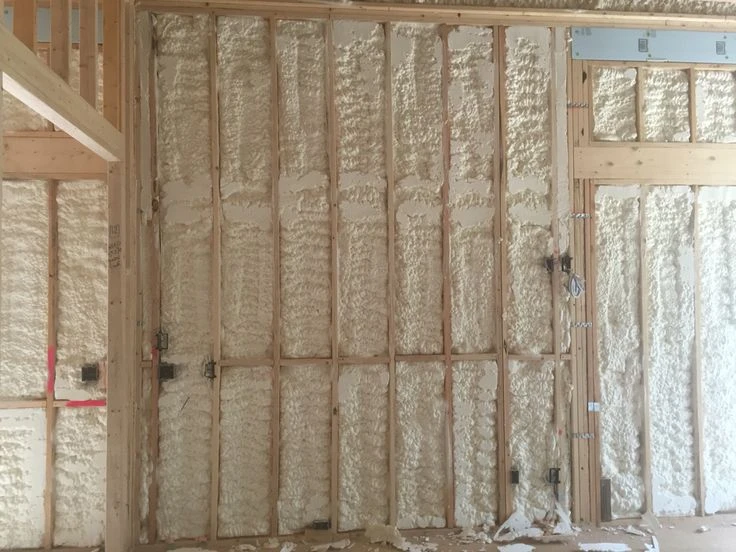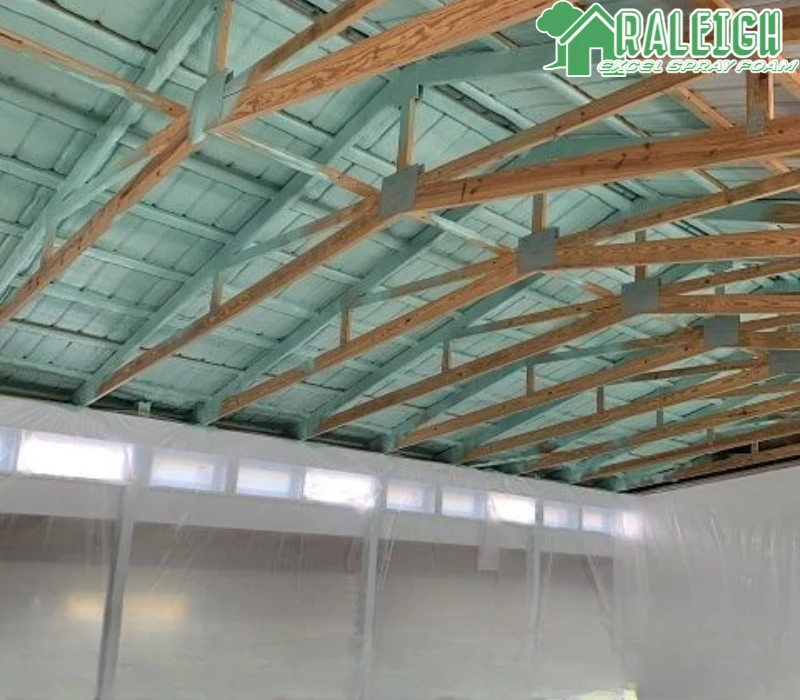



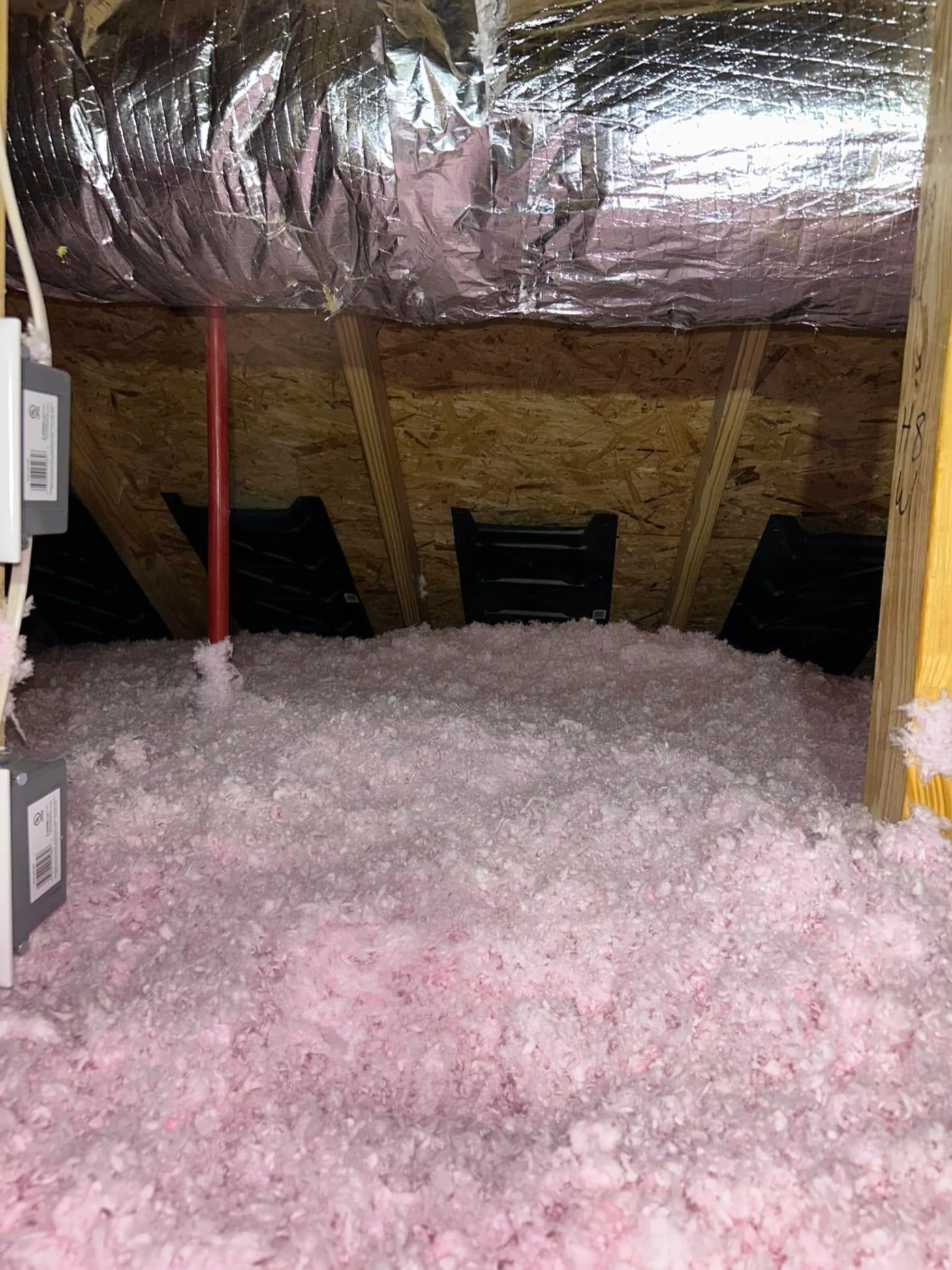
Proper insulation transforms a house into a livable home by creating a continuous thermal barrier that regulates temperature, dampens external noise, and manages moisture levels. Instead of relying heavily on HVAC systems to force comfortable air into a space, quality insulation serves as the primary defense against the elements, keeping interior climates stable regardless of the weather outside.
Most homeowners view insulation merely as a requirement for building codes or a way to lower utility bills. While energy savings are a significant benefit, the immediate impact on daily life is physical comfort. A well-insulated home eliminates drafty corridors, cold floors, and suffocating upper levels, allowing residents to utilize every square foot of their property without discomfort. Raleigh Excel Spray Foam Insulation approaches home performance with the understanding that true livability comes from controlling the invisible factors behind the drywall.
The Science Behind Comfort and Thermal Resistance
The primary function of insulation is to slow the transfer of heat. In the summer, heat tries to invade the cooler interior, and in winter, it tries to escape to the cold outdoors. Scientists and builders measure this resistance to heat flow using R-value. A higher R-value generally indicates better insulating power, but R-value alone does not guarantee a comfortable room.
Air leakage significantly compromises even the highest R-value materials. If air can pass through gaps in the building envelope, it carries heat and moisture with it. This is why modern building science prioritizes both thermal resistance and air sealing. According to the Department of Energy, heating and cooling account for approximately 48% of the energy use in a typical U.S. home, making it the most significant energy expense for most families. Reducing this load through proper sealing stabilizes indoor temperatures and reduces the strain on mechanical systems.
Eliminating Hot and Cold Zones
One of the most common complaints in multi-story homes is the temperature difference between floors. You might freeze in the living room while the upstairs bedrooms feel like a sauna. This phenomenon often results from the “stack effect.” In winter, warm air rises and escapes through a poorly insulated attic. This creates a vacuum that pulls cold air in from the crawl space or basement.
Effective insulation stops this vertical air movement. By sealing the attic floor or roof deck and insulating the crawl space, you neutralize the stack effect. The result is a consistent temperature from the bottom floor to the top.
Bonus Tip: If you notice dirt streaks extending out from your air vents or skirting boards, this is often a sign of air leakage. The air moving through the cracks acts as a filter, depositing dust and signaling where you are losing conditioned air.
Noise Reduction for a Peaceful Environment
Livability also involves acoustic comfort. Exterior noises, such as traffic, lawnmowers, and heavy rain, can disrupt sleep and concentration. Inside the house, the sound of plumbing, footsteps, or televisions can travel easily through uninsulated interior walls.
Insulation materials act as sound absorbers. They trap sound waves and prevent them from vibrating through the house’s structural framing. Fibrous materials and open-cell foams are particularly effective at dampening airborne noise. A report on noise control from the Environmental Protection Agency indicates that noise pollution affects health and behavior, linking unwanted sound to stress and sleep disruption. Adding insulation to exterior walls and floors separates the indoor sanctuary from the chaotic outside world.
Better Air Quality and Moisture Control
Moisture is a silent destroyer of home comfort. When warm, moist air hits a cold surface, condensation forms. Inside wall cavities, this condensation can lead to mold growth and rot. Mold spores in the air degrade indoor air quality and can trigger allergies or respiratory issues.
Proper insulation keeps surfaces warm, which prevents condensation from forming in the first place. Additionally, air-sealing insulation types prevent outdoor allergens, dust, and pollutants from entering the living space.
Comparison of Insulation Types on Livability Factors
Choosing the right material depends on the structure’s specific needs. The table below compares the impact of different insulation types on various aspects of livability.
| Insulation Type | Air Sealing Ability | Moisture Management | Sound Dampening | Best Application |
|---|---|---|---|---|
| Fiberglass Batts | Low | Low (Permeable) | Moderate | Standard wall cavities (budget-friendly) |
| Cellulose (Blown-in) | Moderate | Moderate (Absorbs moisture) | High | Attics and retrofitting existing walls |
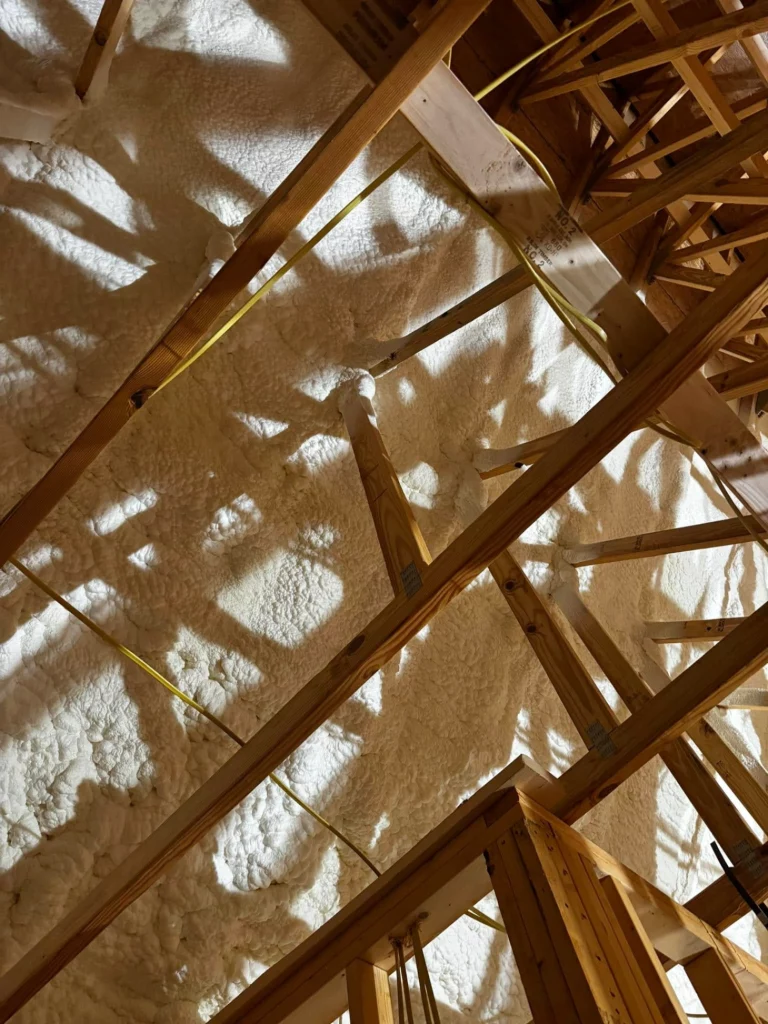
| Open Cell Spray Foam | High | Moderate (Vapor permeable) | High | Soundproofing walls; Roof decks |
| Closed Cell Spray Foam | Very High | High (Vapor barrier) | Moderate | Crawl spaces; Basements; Exterior walls |
Things to Consider Before Making a Decision
Before upgrading insulation, homeowners must evaluate several pre-decision factors to ensure the investment improves daily life.
The Age of the Home Older homes built before the 1970s often have little to no insulation in the walls. In these cases, the improvement in livability will be drastic; however, the installation method matters. You must decide whether you are willing to remove the drywall or need a “drill and fill” retrofit.
Climate Zone Requirements The recommended R-value changes based on geography. A home in the Northeast requires different thermal strategies than a home in the Southeast. Ignoring local climate data can lead to overspending or under-insulating.
Return on Investment While comfort is subjective, the financial return is objective. Data published by the National Association of Realtors in their Remodeling Impact Report highlights that insulation upgrades typically recover a significant portion of their cost at resale, while receiving a high “joy score” from homeowners who appreciate the immediate improvement in home function.
Bonus Tip: Recessed lighting fixtures (can lights) are notorious energy wasters. If they are not rated “ICAT” (Insulation Contact Air Tight), they act like open chimneys, sucking heat into the attic. Installing sealed covers over these attic lights is a quick win for comfort.
Conclusion
Livability is about more than just square footage or floor plans. It is about the control you have over your indoor environment. Quality insulation acts as the silent regulator of your home, managing sound, temperature, and air quality so you can enjoy your space without constant thermostat adjustments.
Every home has unique needs based on its design and age. The best path forward is to assess where your home loses the most energy and address those weak points first. Whether you prioritize a quiet bedroom or a warm living room, the solution resides inside your walls.
Ready to Improve Your Home Comfort?
If you are tired of battling drafts, inconsistent temperatures, or high energy bills, it is time to look at your insulation. Raleigh Excel Spray Foam Insulation helps homeowners regain control of their indoor climate with professional solutions tailored to their specific needs.
Contact Us Today:
- Phone: (919) 301-9435
- Email: [email protected]
Let us help you turn your house into the comfortable sanctuary it was meant to be.
Frequently Asked Questions
How long does insulation last before it needs to be replaced?
Materials like fiberglass and cellulose can settle or degrade over 15 to 20 years, reducing their effectiveness. Spray foam and rigid board products last for the life of the building unless physically damaged. If your home feels drafty despite having insulation, the material may have settled or shifted.
Does old insulation need to be removed before adding new layers?
Not always. In attics, you can often blow new cellulose or fiberglass over existing material to increase R-value. However, if the old insulation has rodent damage, mold, or urine saturation, it must be removed completely to protect indoor air quality.
What is thermal bridging, and how does it affect comfort?
Thermal bridging occurs when heat travels through the wood or metal studs of a wall, bypassing the insulation between them. Since wood has a low R-value, heat escapes through the frame. Continuous insulation installed over the exterior or interior studs breaks this bridge and keeps the wall warmer.
Will adding insulation make my house too airtight?
A house cannot be “too tight,” but it can be under-ventilated. The goal is to build tightly and ventilate properly. When a home is adequately sealed, you control the air exchange using mechanical ventilation (like an ERV or HRV) rather than relying on random leaks from dirty crawl spaces or dusty attics.
Sources
- Department of Energy – Official data on home energy usage and the percentage attributed to heating and cooling.
- Environmental Protection Agency – Information regarding noise pollution and its impact on health and the environment.
- National Association of Realtors – Research report detailing the return on investment and homeowner satisfaction ratings for various home remodeling projects, including insulation.