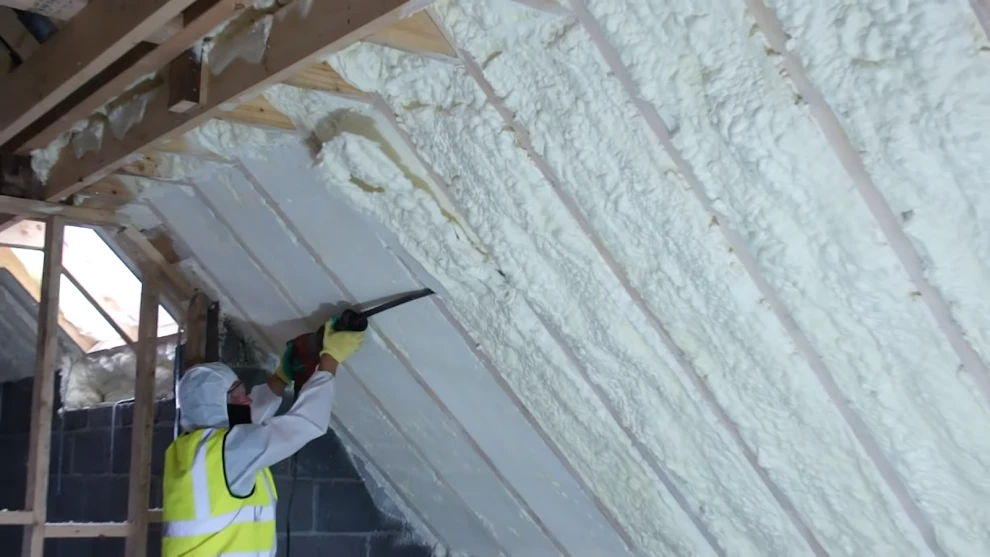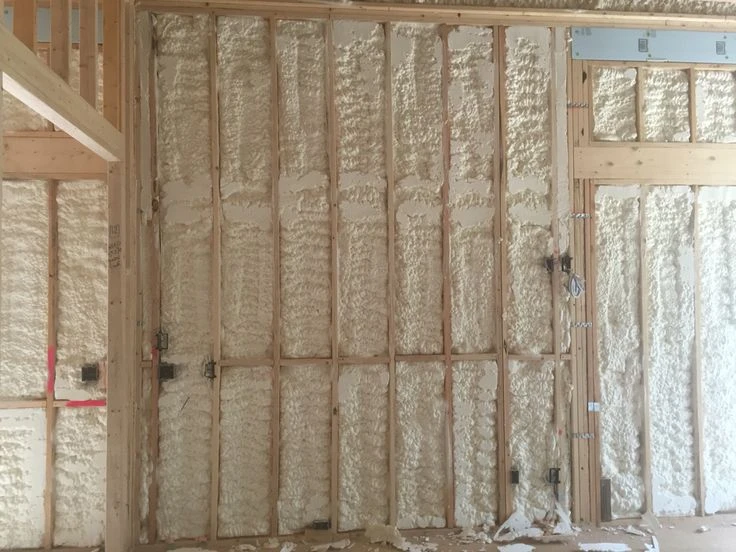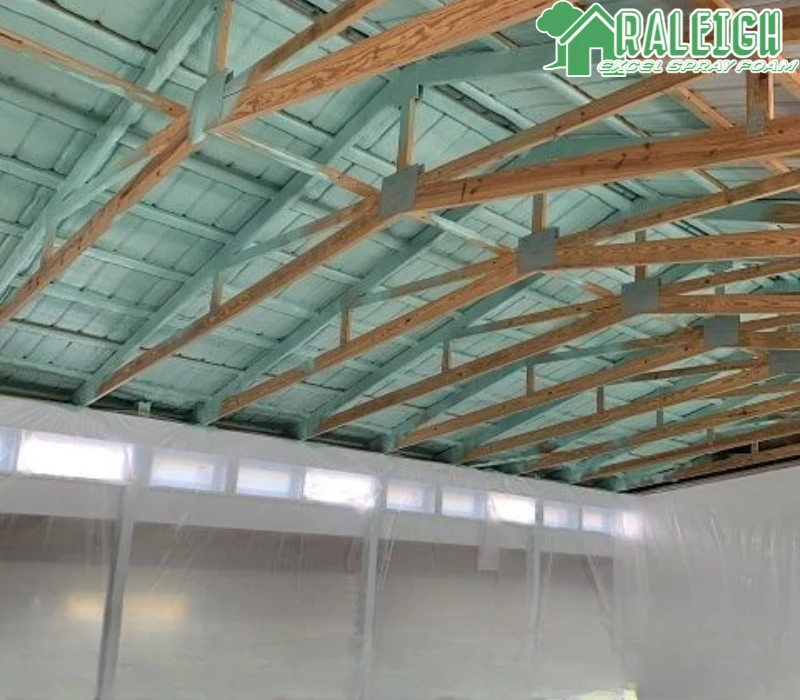



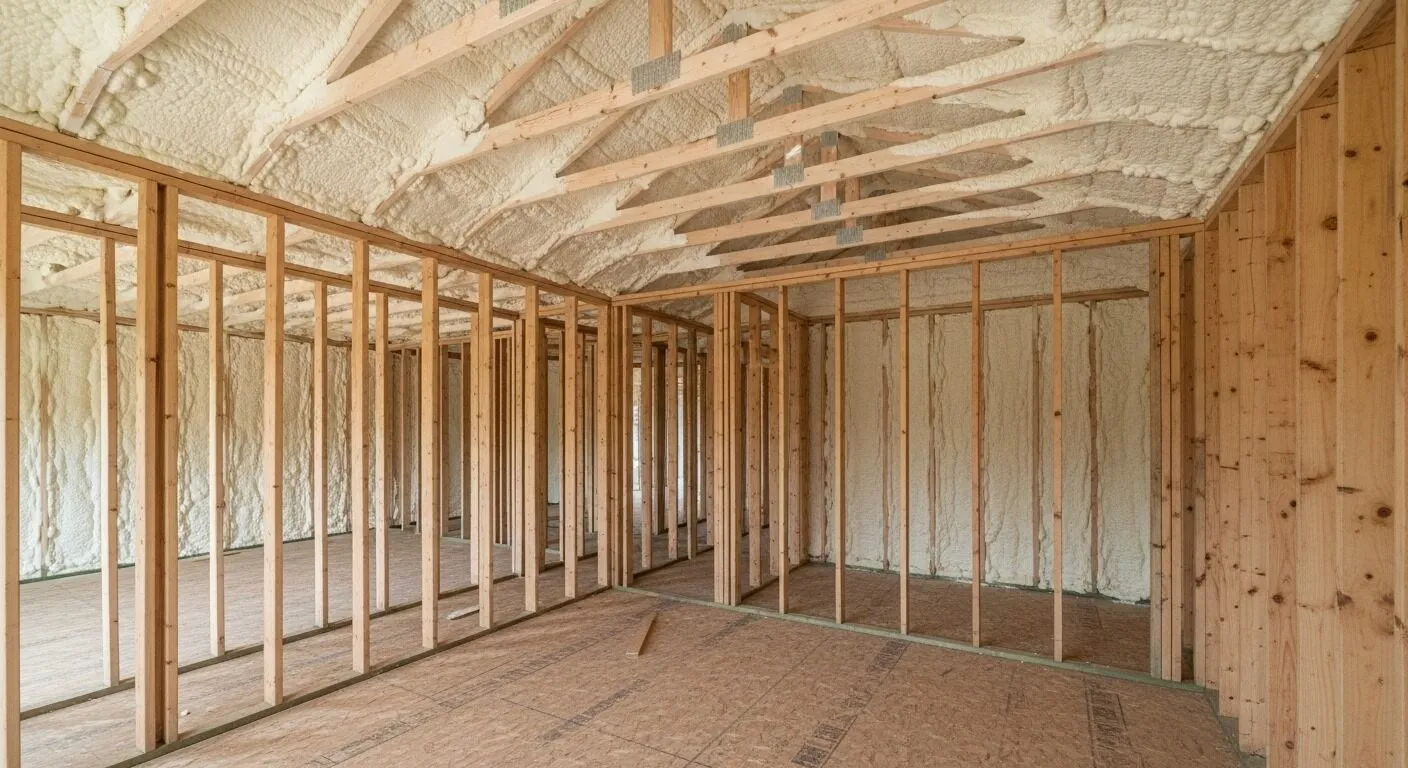
Spray foam insulation keeps Raleigh homes cooler during the hot, humid summers primarily by creating a comprehensive air barrier. Unlike traditional insulation materials that only slow down heat transfer, spray foam expands to fill every crack, gap, and crevice in a home’s structure. This process stops the two main ways summer heat gets inside: air leakage and heat conduction. By preventing hot, moist outdoor air from infiltrating the building and stopping conditioned indoor air from escaping, the home’s cooling system can work more efficiently, maintaining a comfortable temperature with less effort.
This detailed guide explains the mechanics behind spray foam’s effectiveness in a warm climate. Drawing on extensive field experience, the information here provides a clear understanding of how this insulation method directly impacts home comfort and energy consumption. Raleigh Excel Spray Foam Insulation presents this information to help homeowners make informed decisions about their property’s thermal performance.
The Science Behind Spray Foam’s Cooling Power
To understand how spray foam works, it helps to look at its three core functions: stopping air movement, resisting heat, and managing moisture.
Creating an Airtight Seal
The single greatest source of energy loss in most homes is air leakage. A report from the U.S. Department of Energy states that uncontrolled air leaks can account for a significant portion of a home’s heating and cooling costs. Spray polyurethane foam (SPF) is applied as a liquid that expands up to 100 times its original volume, hardening into a solid, seamless barrier. This airtight seal is what sets it apart.
- Stops Infiltration: It blocks hot summer air from entering through tiny openings in attics, crawl spaces, and wall cavities.
- Prevents Exfiltration: It keeps the cool, conditioned air produced by your HVAC system from leaking out.
By addressing air leakage so effectively, spray foam drastically reduces the amount of work your air conditioner has to do.
High Resistance to Heat Transfer
An insulation material’s ability to resist heat flow is measured by its R-value. The higher the R-value, the better it insulates. Spray foam insulation has one of the highest R-values per inch of thickness compared to other common insulation materials.
| Insulation Material | Average R-Value per Inch | Key Characteristic |
|---|---|---|
| Closed-Cell Spray Foam | R-6.0 to R-7.0 | Dense, rigid; acts as an air and vapor barrier. |
| Open-Cell Spray Foam | R-3.5 to R-4.0 | Lighter, flexible; excellent air barrier and sound dampener. |
| Fiberglass Batts | R-3.1 to R-4.3 | Fibrous material; can lose R-value if compressed or damp. |
| Cellulose (Loose-Fill) | R-3.2 to R-3.8 | Recycled paper product; can settle over time, creating gaps. |
This high thermal resistance means less of the sun’s heat baking your roof and walls makes its way into your living spaces.
Controlling Humidity and Moisture
Raleigh’s summers are known for their humidity. High humidity makes the air feel warmer and forces your air conditioner to work harder to remove moisture. Closed-cell spray foam is a non-permeable material, which means it acts as a vapor barrier. According to guidance from Building Science Corporation, controlling moisture is essential for both comfort and structural integrity, especially in humid climates where exterior moisture can be driven into the building. By preventing humid outdoor air from seeping into the building envelope, spray foam helps maintain a lower, more comfortable indoor humidity level. This reduces the dehumidifying load on your HVAC system, leading to energy savings and better air quality.
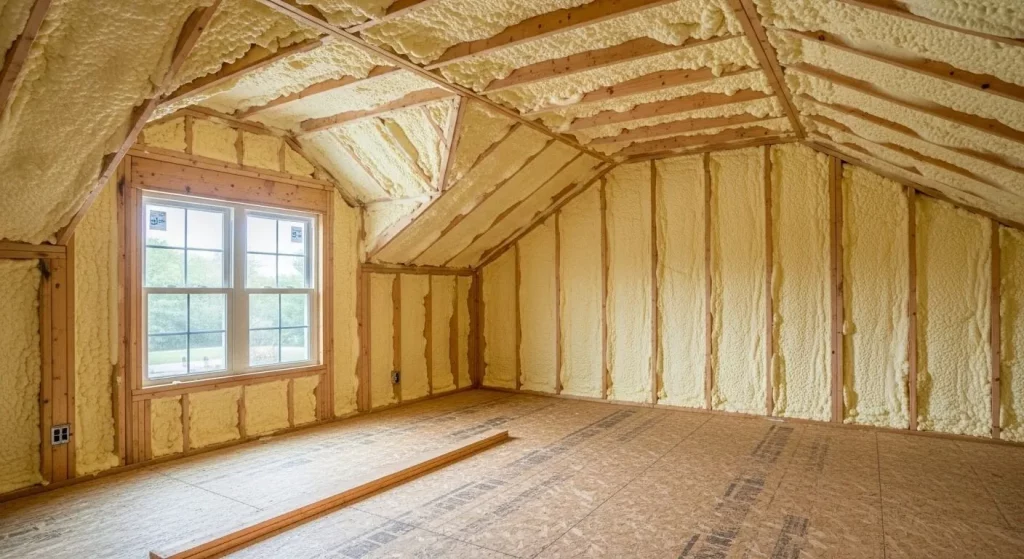
Bonus Tip: Applying spray foam directly to the underside of the roof deck creates a conditioned or unvented attic. This strategy is highly effective in hot, humid climates because it brings the attic inside the home’s thermal boundary, preventing it from becoming a super-heated space that radiates heat down into your rooms.
Real-World Benefits for a Raleigh Home
The scientific properties of spray foam translate into tangible advantages for homeowners dealing with North Carolina’s heat.
Lower Monthly Energy Bills
The primary benefit is a noticeable reduction in cooling costs. By creating a nearly perfect air seal and providing a high R-value, spray foam can significantly cut down on HVAC runtime. The Environmental Protection Agency’s ENERGY STAR program suggests that air sealing and insulating can save homeowners an average of 15% on heating and cooling costs. Due to its superior performance, savings with spray foam can often be even higher.
More Consistent Indoor Temperatures
Spray foam helps eliminate the frustrating temperature differences between rooms or floors. Hot spots, especially in upstairs rooms located directly under a traditional vented attic, are common. By properly insulating and air-sealing the entire home envelope, conditioned air stays where it belongs, resulting in a more uniform and comfortable living environment.
Better Indoor Air Quality
An airtight home is a cleaner home. Sealing off cracks and gaps prevents pollen, dust, and other outdoor pollutants from getting inside. This is particularly beneficial for family members with allergies or respiratory sensitivities. Closed-cell spray foam also deters mold growth because it does not absorb or hold moisture, which is a common issue with traditional insulation in damp crawl spaces.
Things to Consider Before Making a Decision
Before moving forward with spray foam, homeowners should evaluate a few key factors.
- Your Home’s Current State: An energy audit can help pinpoint the biggest areas of energy loss. Older homes with minimal insulation and lots of air leaks often see the most dramatic improvements.
- Project Goals: Are you aiming for maximum energy savings, improved comfort, or better air quality? Your goals will help determine whether to insulate the attic, walls, crawl space, or a combination of areas.
- Upfront Investment: Spray foam insulation generally has a higher initial cost than materials like fiberglass or cellulose. However, it’s important to weigh this against the long-term energy savings and increased home value.
- Professional Installation: Spray foam is a chemical product that must be mixed and applied correctly by trained professionals using specialized equipment. Proper installation is essential for performance and safety, so choosing a qualified contractor is non-negotiable.
FAQS
What is the main difference between spray foam and fiberglass for cooling?
The biggest difference is air sealing. Fiberglass batts can insulate well against heat conduction, but they do not stop air movement. Hot air can still pass through and around them. Spray foam stops both heat conduction and air leakage, offering a more complete thermal barrier.
How does spray foam affect my home’s HVAC system?
Because spray foam reduces air leakage so effectively, the home’s heating and cooling load is much lower. This means the HVAC system runs less often and for shorter periods, extending its lifespan. In new construction, a home insulated with spray foam may even allow for the installation of a smaller, less expensive HVAC unit.
Does spray foam also help with noise?
Yes, particularly open-cell spray foam. Its soft, porous structure is excellent at absorbing sound waves, which can significantly reduce noise from outside and between rooms.
Is spray foam an environmentally friendly choice?
Modern spray foams have improved environmental profiles. Many are made with renewable materials like soy or recycled plastics. The most significant environmental benefit comes from the massive reduction in a home’s energy consumption over decades, which lowers its carbon footprint.
Final Considerations
Spray foam insulation offers a powerful solution for keeping Raleigh homes cool by directly addressing air leakage, heat transfer, and humidity. Its ability to create a seamless, airtight seal is what makes it uniquely effective in a hot and humid climate. Before making a decision, homeowners should assess their property’s specific weak points and consider their long-term goals for comfort and energy efficiency.
Schedule an Assessment
Understanding your home’s unique insulation needs is the first step toward a more comfortable and energy-efficient summer. For a professional evaluation and to see if this solution is right for you, contact Raleigh Excel Spray Foam Insulation. You can reach the team by phone at (919) 301-9435 or via email at [email protected] to discuss your project. A proper assessment can identify the best approach to improve your home’s performance against the summer heat.
Sources
- U.S. Department of Energy – Provides information on how air leaks contribute to energy loss in homes.
- ENERGY STAR – Offers data and recommendations on home insulation and air sealing for energy savings.
- Building Science Corporation – An in-depth guide on moisture control principles for residential buildings, explaining the challenges in hot-humid climates.