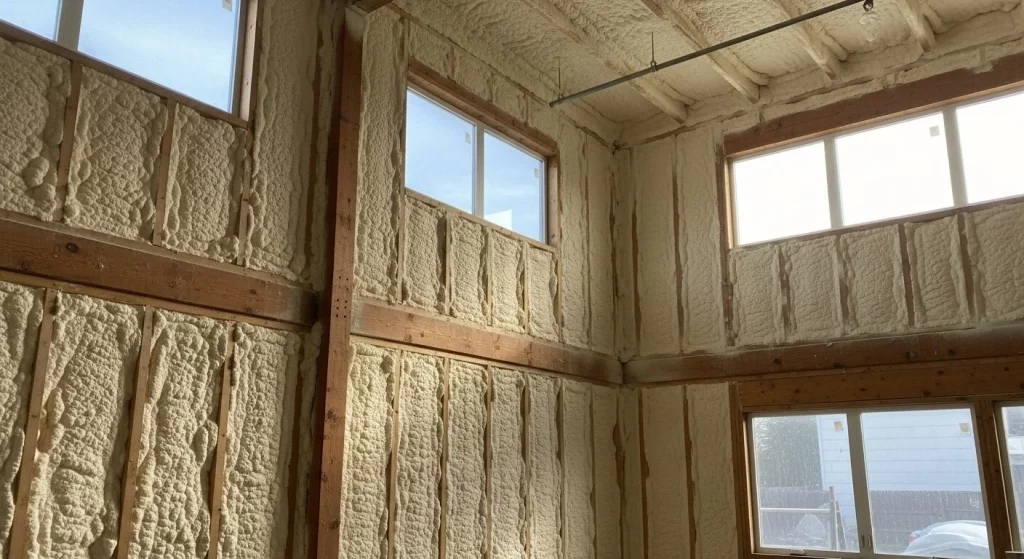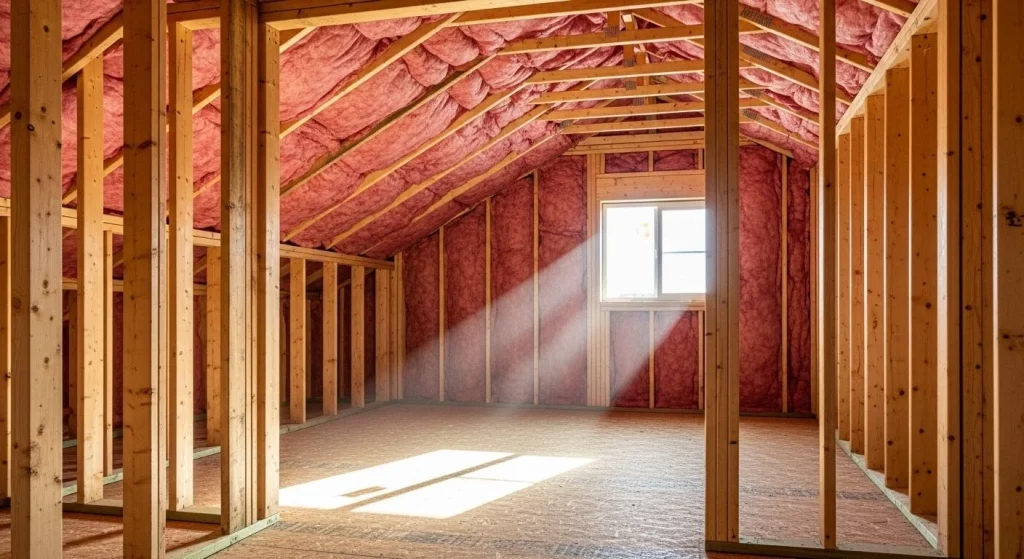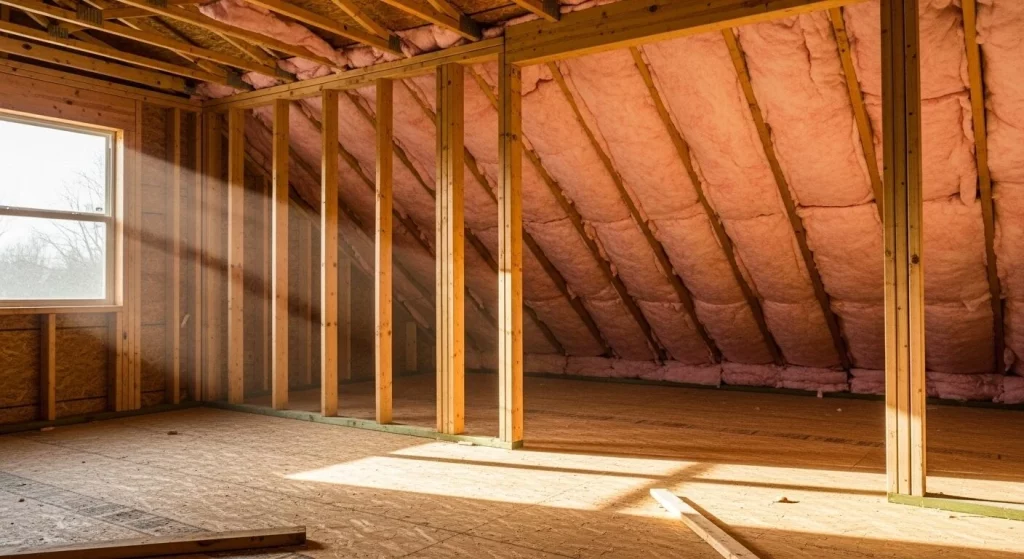



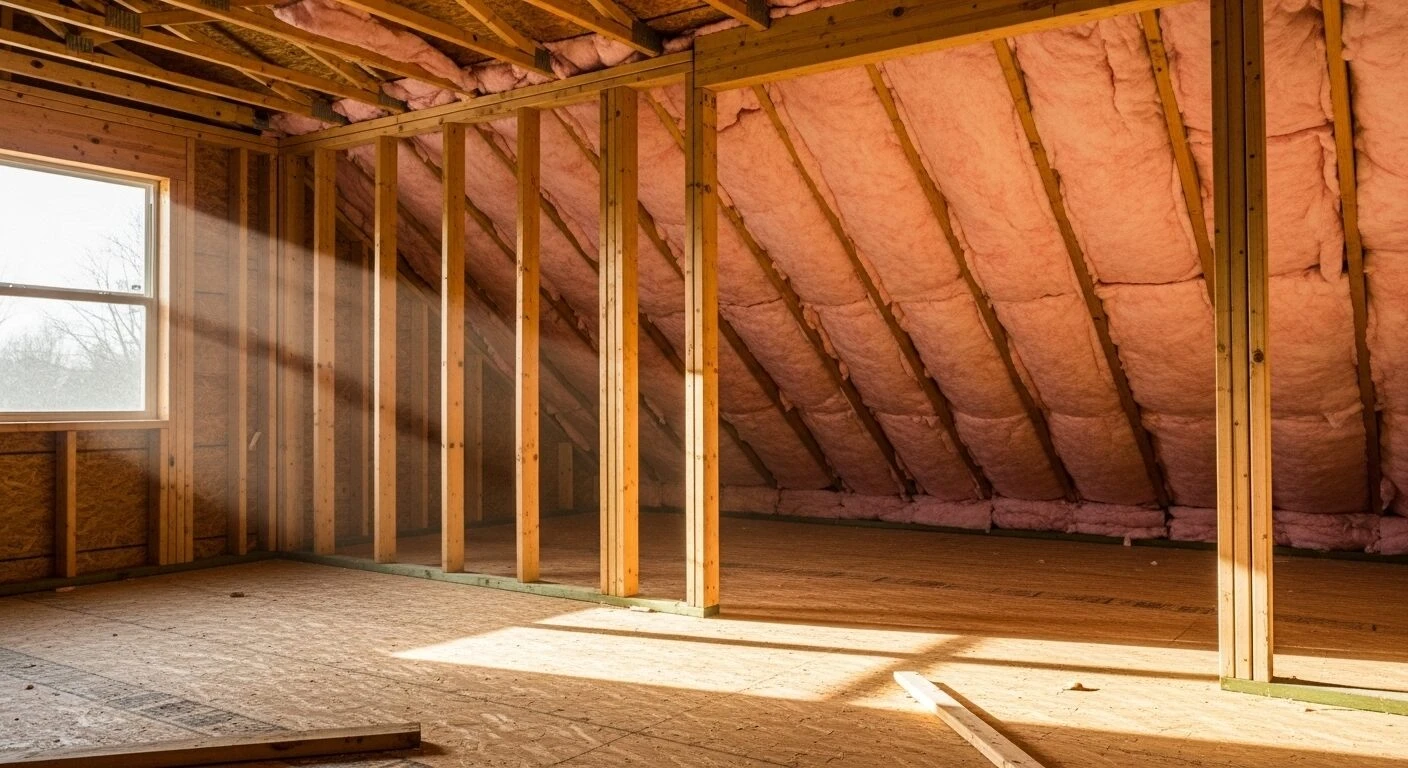
Finding a reliable residential insulation company in Raleigh comes down to evaluating licensing, material expertise, local code knowledge, and a track record of completed projects in the Triangle area. Raleigh homeowners face hot, humid summers and chilly winters, which means insulation is not a luxury upgrade but a practical investment in year-round comfort and energy savings. The right contractor depends on your home’s age, existing insulation condition, budget, and whether you need new construction insulation or a retrofit upgrade. Below, we cover what separates a trustworthy insulation provider from the rest, the most common insulation materials for Raleigh homes, and how to make a confident hiring decision.
TLDR / Key Takeaways
- Spray foam insulation offers the highest R-value per inch (approximately R-6.0 to R-6.5), along with built-in air sealing, making it the most effective option for energy efficiency in Raleigh’s climate [source: Leyton Insulation Buyer Guide].
- ENERGY STAR estimates that proper air sealing and insulation can save homeowners an average of 15% on heating and cooling costs, or roughly 11% on total energy costs [source: ENERGY STAR].
- North Carolina requires specific R-values based on climate zone, and the Raleigh area falls under Zone 4, which calls for R-38 in attics and R-13 to R-15 in walls for new construction.
- North Carolina’s HOMES program offers eligible households up to $16,000 for home efficiency upgrades, including insulation and air sealing [source: NC DEQ Energy Saver].
- Fiberglass batts remain the most budget-friendly option but do not air seal the way spray foam does, leaving gaps that reduce real-world performance.
- The right insulation contractor should carry valid North Carolina licensing, carry general liability and workers’ compensation insurance, and provide a written estimate with material specifications before starting work.
- Retrofit insulation projects in existing Raleigh homes typically take one to three days depending on square footage and the areas being insulated.
Why Insulation Matters for Raleigh Homes
Raleigh sits in Climate Zone 4, which means homes must perform well in both heating and cooling seasons. According to the U.S. Department of Energy, the most common insulation materials include fiberglass, cellulose, mineral wool, and spray foam, each with distinct installation methods and performance profiles [source: DOE Types of Insulation]. The insulation you choose, and the contractor who installs it, directly impacts your monthly utility bills, indoor air quality, and how hard your HVAC system has to work.
North Carolina’s residential energy code field studies have shown that many existing homes in the state fall short of current insulation standards, leading to measurable energy waste. A poorly insulated attic alone can account for significant heat gain during summer and heat loss during winter. This is especially relevant in Raleigh, where summer temperatures regularly reach the 90s and winter dips into the 30s.
Insulation Types Compared for Raleigh Homes
Understanding the differences between insulation materials helps you have an informed conversation with your contractor. Here is a practical comparison of the most common options installed in Raleigh-area homes.
| Insulation Type | R-Value Per Inch | Air Sealing | Best Application | Average Cost Range | Lifespan |
|---|---|---|---|---|---|
| Open-Cell Spray Foam | R-3.7 | Yes | Walls, attics, crawl spaces | $0.44 to $0.65 per board ft | 80+ years |
| Closed-Cell Spray Foam | R-6.0 to R-6.5 | Yes | Crawl spaces, rim joists, basements | $1.00 to $1.50 per board ft | 80+ years |
| Fiberglass Batts | R-2.9 to R-3.8 | No | Attic floors, wall cavities | $0.30 to $1.50 per sq ft | 50 to 80 years |
| Blown-In Cellulose | R-3.1 to R-3.8 | Partial | Attics, existing wall cavities | $0.80 to $1.70 per sq ft | 20 to 30 years |
| Mineral Wool | R-3.3 to R-4.2 | No | Walls, attics, fire-rated assemblies | $1.00 to $2.00 per sq ft | 75+ years |
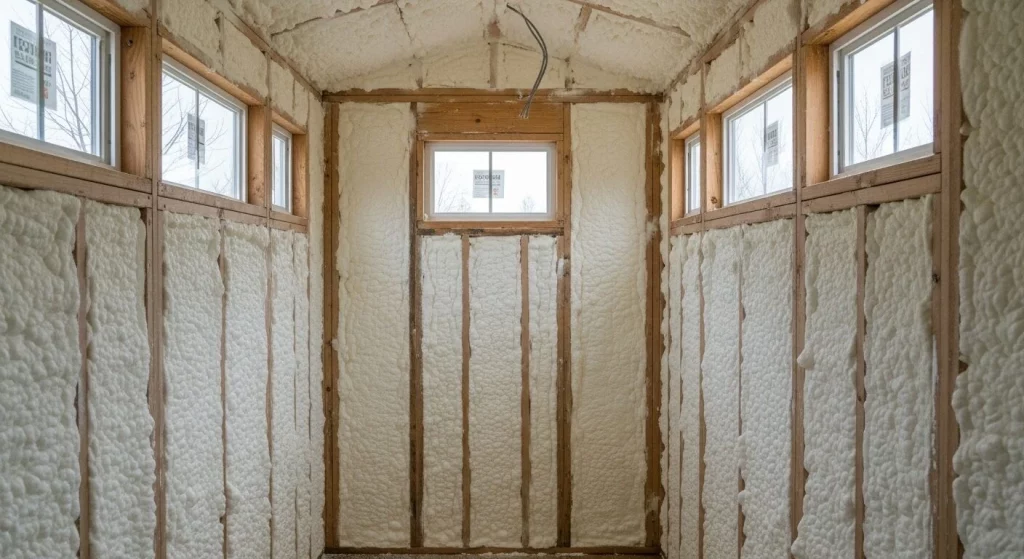
Spray foam stands apart because it expands to fill gaps and cracks as it cures, creating an air barrier that other materials cannot match. According to the Insulation Institute, this air sealing capability is what makes spray foam particularly effective in homes with irregular framing, vaulted ceilings, or hard-to-reach areas.
What to Look for in a Raleigh Insulation Contractor
Not all insulation companies operate at the same standard. Here are the criteria that separate trustworthy contractors from those you should avoid.
Licensing and Insurance: Any contractor performing insulation work in North Carolina should hold a valid state license, typically a general contractor or specialty contractor license. Verify this through the North Carolina Licensing Board for General Contractors. The company should also carry general liability insurance and workers’ compensation coverage to protect you if an accident occurs on your property.
Material Knowledge and Certifications: Ask whether the installers are certified by the manufacturer of the insulation products they use. For spray foam, manufacturer certifications ensure that the product is applied at the correct temperature, thickness, and yield to perform as designed.
Local Code Compliance: North Carolina’s building codes specify minimum R-values for different parts of the home. A contractor familiar with Raleigh and Wake County requirements will know these standards without hesitation and will pull permits when required [source: Rmax NC Insulation Requirements].
Written Estimates and Transparency: A reputable company provides a detailed written estimate that includes the type and brand of insulation, R-value targets, square footage or board footage to be covered, preparation work, cleanup, and total cost. Be wary of contractors who give verbal-only quotes or pressure you into same-day decisions.
References and Reviews: Check Google, GuildQuality, or the Better Business Bureau for recent reviews from Raleigh homeowners. Look for patterns in feedback, both positive and negative. A few negative reviews are normal, but how the company responds to them tells you a lot.
Common Mistakes Homeowners Make When Hiring an Insulation Company
Understanding these pitfalls can save you thousands of dollars and years of discomfort.
Choosing Based on Price Alone: The lowest bid often means the contractor is cutting corners on material quality, installation thickness, or crew training. Insulation is a long-term investment, and a cheap install that underperforms will cost more in energy waste than what you saved upfront.
Skipping the Energy Audit: Before investing in new insulation, a home energy audit can identify exactly where your home is losing energy. This prevents over-insulating one area while ignoring a bigger problem elsewhere. North Carolina’s HOMES program even covers the cost of a free home energy assessment for eligible households [source: Energy Saver NC].
Ignoring Air Sealing: Adding insulation on top of air leaks is like wearing a thick coat with the zipper open. Air sealing should always accompany insulation upgrades, especially in attics and crawl spaces where gaps around ductwork, plumbing, and electrical penetrations are common.
Not Asking About Ventilation: Spray foam insulation, particularly closed-cell foam applied to roof decks, changes how your attic ventilates. Your contractor should explain whether your home needs mechanical ventilation after the upgrade and factor that into the scope of work.
Assuming All Insulation Is the Same: R-value is only one measure of performance. The real-world effectiveness of insulation also depends on installation quality, air sealing, moisture management, and whether the material degrades or settles over time.
Visual Suggestions for Designers
- Bar Chart: Energy savings comparison by insulation type over a 10-year period, showing spray foam, fiberglass, and cellulose side by side with projected heating and cooling cost reductions.
- Pie Chart: Breakdown of common areas where Raleigh homes lose energy, such as attic (25%), walls (20%), windows (15%), ductwork (15%), crawl spaces (10%), and other gaps (15%).
- Timeline Graphic: A step-by-step visual of the insulation installation process, from initial consultation and estimate through preparation, installation, inspection, and post-installation energy savings tracking.
Recommendations by Home Type
| Home Type | Recommended Insulation | Key Considerations | Why It Works |
|---|---|---|---|
| New Construction | Open-cell spray foam in walls, blown-in fiberglass or cellulose in attics | Builder coordination, code compliance | Cost-effective with high performance |
| Existing Homes (Pre-2000) | Closed-cell spray foam in crawl spaces, blown-in cellulose in attics | Likely has little to no existing insulation | Addresses air sealing and adds R-value |
| Older Homes (Pre-1970) | Spray foam in crawl spaces and rim joists, dense-pack cellulose in walls | May have vermiculite or knob-and-tube wiring | Prioritize air sealing and moisture control |
| Homes with HVAC in Attic | Closed-cell spray foam on roof deck | Changes attic ventilation requirements | Creates conditioned attic, protects ductwork |
| Basement / Crawl Space Homes | Closed-cell spray foam on walls and rim joists | Moisture and humidity management | Prevents mold, stops air infiltration from ground |
Signs You Have Found the Right Insulation Company
A trustworthy insulation contractor demonstrates several clear qualities throughout the hiring process.
Clear Communication: They explain the recommended insulation type, why it fits your home, and what results to expect in plain language. They do not rely on technical jargon to justify higher prices.
No Pressure Sales: A good contractor provides information, answers your questions thoroughly, and gives you time to compare estimates. They let the quality of their work and reputation speak for itself.
Detailed Written Proposal: The estimate should spell out exactly what will be installed, where, at what R-value, using which product, and how long the project will take. Vague proposals are a red flag.
Willingness to Pull Permits: If your municipality requires a permit for the work, the right company handles that process without hesitation. This ensures the job gets inspected and meets code.
Post-Installation Follow-Up: Reliable contractors follow up after the job is complete to make sure you are satisfied, answer any questions about the new insulation, and provide documentation such as manufacturer warranties and product data sheets.
Available Rebates and Incentives for Raleigh Homeowners
North Carolina offers several programs that can offset the cost of residential insulation upgrades. The HOMES program through the North Carolina Department of Environmental Quality provides up to $16,000 for eligible households making energy efficiency improvements, which includes insulation and air sealing. Duke Energy and other local utilities also periodically offer rebates for attic insulation and duct sealing. A qualified insulation contractor should be familiar with these programs and help you identify which ones apply to your project.
Ready to Insulate Your Raleigh Home the Right Way
When it comes to residential insulation in Raleigh, the quality of the installation matters as much as the material itself. Raleigh Excel Spray Foam Insulation brings deep local expertise, manufacturer-certified crews, and a commitment to doing the job right the first time. We work with homeowners across the Triangle to assess insulation needs, recommend the best materials for each home, and deliver lasting energy savings and comfort. Call us at (919) 301-9435 or email [email protected] to discuss your project.
FAQs
How much does residential insulation cost in Raleigh?
Costs vary depending on the insulation type and the area being treated. Spray foam generally runs between $1,500 and $5,000 for a typical attic or crawl space, while fiberglass batts are the most affordable option starting around $1,000. Your specific project cost depends on square footage, existing conditions, and the R-value target.
How long does insulation installation take?
Most residential insulation projects in Raleigh are completed within one to three days. Attic insulation with blown-in material can often be done in a single day, while full-home spray foam installation may take two to three days depending on the scope of work and curing time.
Is spray foam insulation worth the higher upfront cost?
For many Raleigh homeowners, spray foam is worth the investment because it combines high R-value with air sealing in a single application. The long-term energy savings, improved comfort, and moisture resistance often offset the higher initial cost within a few years, especially in homes with significant air leakage.
Do I need to remove old insulation before installing new insulation?
It depends on the condition of the existing material. If the current insulation is damaged by moisture, mold, or pests, it should be removed before new insulation is installed. If it is dry and in good condition, new insulation can often be installed on top, though air sealing should still be addressed first.
What R-value do I need for my Raleigh home?
For the Raleigh area in Climate Zone 4, current North Carolina building codes recommend R-38 to R-60 for uninsulated attics, R-13 to R-15 for wall cavities, and R-25 to R-30 for floors over unconditioned spaces. A qualified contractor can assess your home and recommend the appropriate R-value for each area.
Sources
- U.S. Department of Energy – Types of Insulation – Comprehensive overview of residential insulation materials, installation methods, and where each type is most effectively used.
- ENERGY STAR – Seal and Insulate Methodology – EPA-estimated energy savings data showing homeowners save an average of 15% on heating and cooling costs through proper air sealing and insulation.
- NC DEQ – Energy Saver North Carolina – State program details including the HOMES rebate offering up to $16,000 for eligible home efficiency upgrades.
- Insulation Institute – Comparing Insulation Options – Industry resource comparing fiberglass, mineral wool, cellulose, and spray foam insulation with performance data and application guidance.
- Rmax – North Carolina Insulation Requirements – Breakdown of North Carolina’s residential building code insulation requirements by climate zone.