


Yes, residential insulation can be repaired or upgraded quite easily. Most homeowners choose to add new layers of material to existing setups or replace old, failing batts with spray foam. This process makes homes more energy-efficient and comfortable year-round.
Key Takeaways
- Upgrading insulation saves money on monthly utility bills.
- Repairs fix uneven temperatures in different rooms.
- Most projects do not require tearing down walls.
Signs Your Home Needs Insulation Work
We often find that drafts and uneven temperatures mean your current setup is failing. Our team regularly sees homes where the original material has settled or shifted over many years.
Detection of High Energy Bills
If your heating and cooling costs rise without a change in weather, your insulation might be the cause. We look for areas where heat escapes, forcing your HVAC system to work harder.
Look for Drafty Rooms
Cold spots near walls or windows often indicate gaps in your thermal barrier. We use tools to find these leaks and determine if a simple patch or a full upgrade is best for you.
Poor Airflow = Higher Costs
When air moves too freely through your attic or walls, your heater stays on longer. We focus on sealing these gaps to keep your money from literally flying out of the roof.
Ways We Upgrade Existing Insulation
We help you decide whether you need a simple top-off or a total replacement of your materials. Many projects involve adding new layers to boost your home’s overall R-value.
Top Off Attic Floors
Adding more material to your attic is one of the fastest ways to improve efficiency. We often layer new products over old ones to fill in gaps and increase thickness.
Add Blown-In Cellulose
This material works well for filling small crevices and hard-to-reach corners. We use specialized machines to distribute the fibers evenly across your attic floor.
Use Fiberglass Batts
If your current batts are in good shape, we can lay new ones over them. This method reduces heat transfer and keeps your rooms at a steady temperature.
Switch to Spray Foam
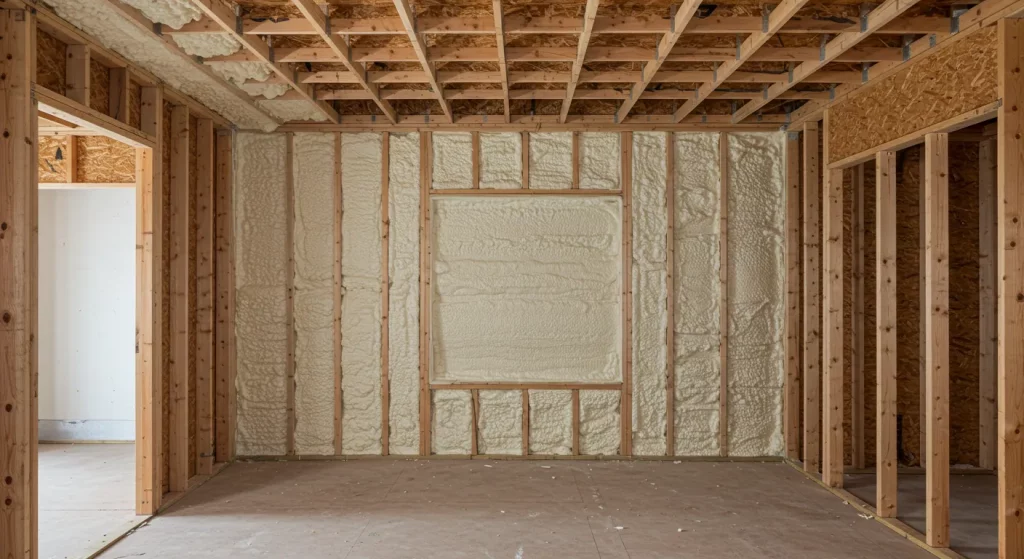
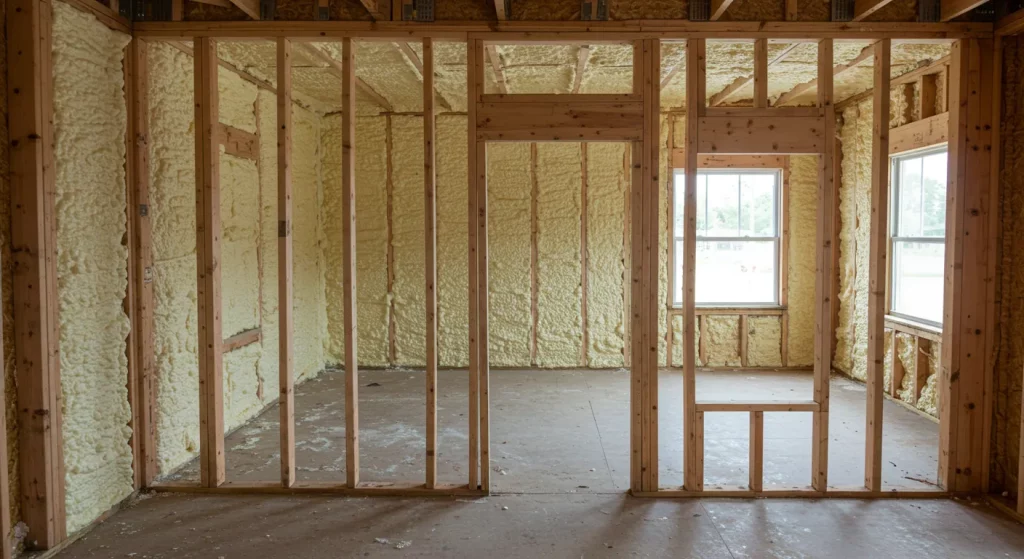
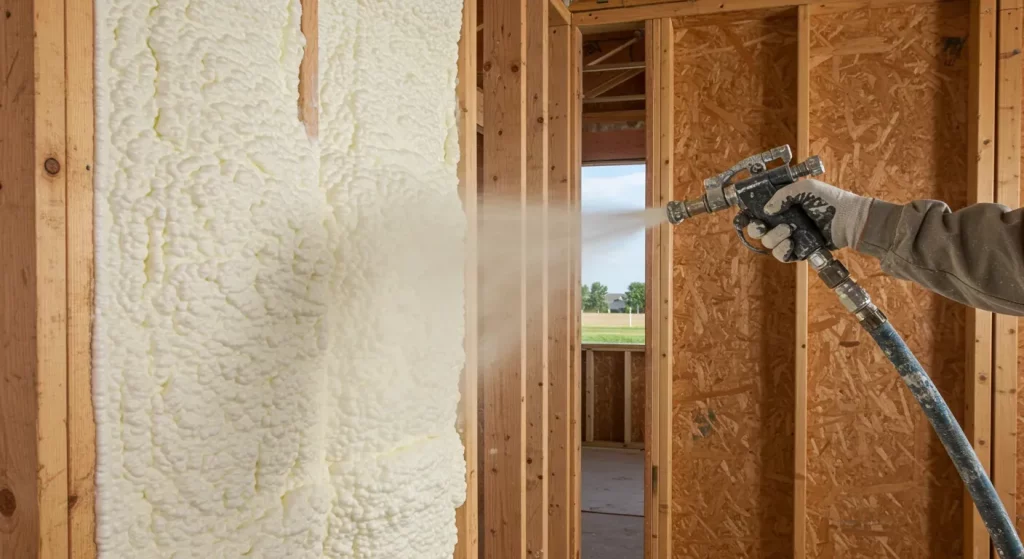
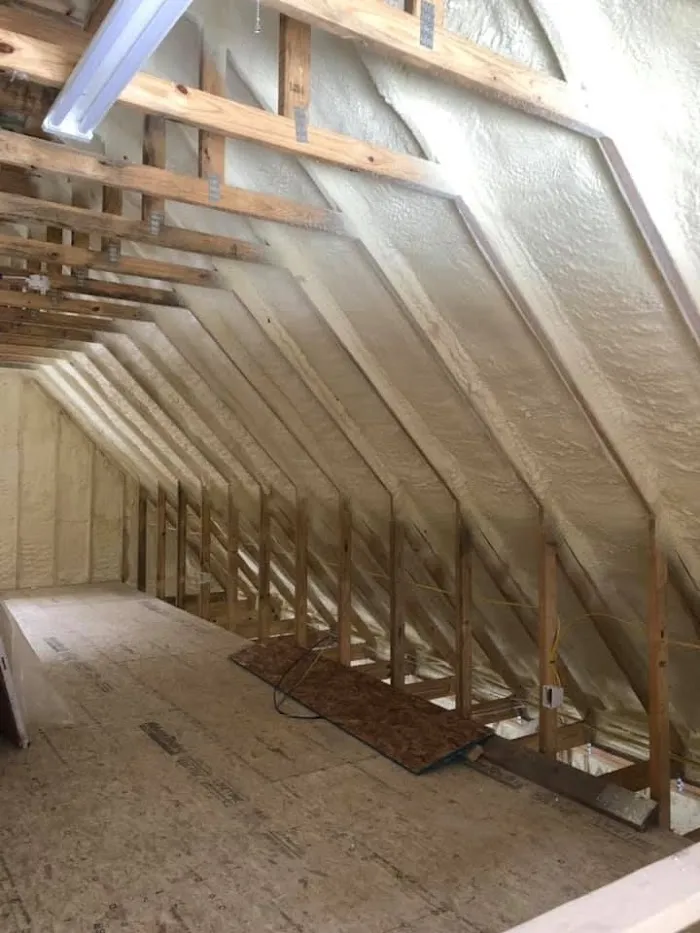
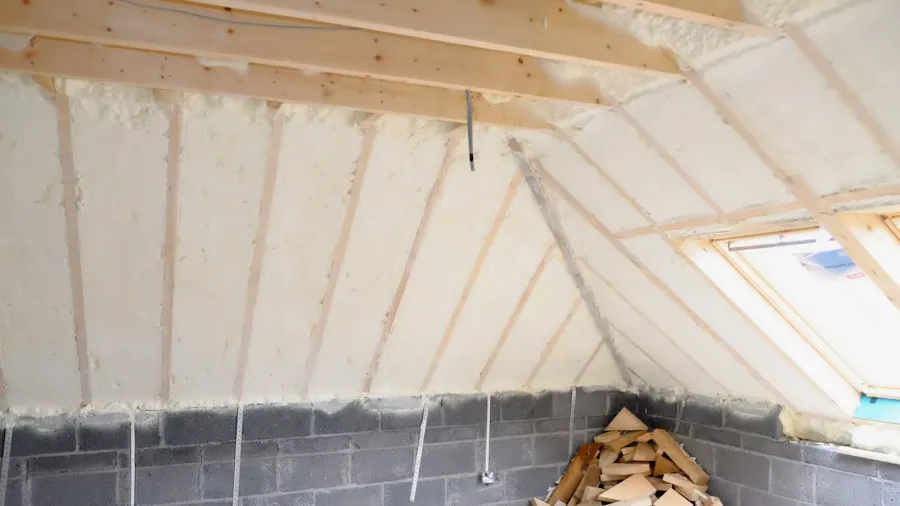
For the best results, we suggest moving to spray foam for its superior air sealing. This material expands to fill every crack, creating a tighter seal than traditional options.
Open Cell vs Closed Cell Options
We offer both types of foam depending on your specific needs and budget. Open-cell spray foam is great for soundproofing, while closed-cell foam provides a stronger moisture barrier.
Benefits of Air Sealing
Spray foam does more than just insulate. It stops air leaks that fiberglass often misses, which keeps your indoor temperature steady all year.
Long Term Durability
Unlike traditional materials that sag, spray foam stays in place for decades. We find that this upgrade pays for itself through long-term energy savings.
Insulation Comparison for Upgrades
| Material Type | Repair Method | Best Use Case | Expected Longevity |
|---|---|---|---|
| Fiberglass Batts | Layering new batts | Standard attic floors | 15 to 20 years |
| Blown-In Cellulose | Topping off levels | Hard to reach corners | 20 to 30 years |
| Spray Foam | Full replacement | Crawl spaces and walls | 50 plus years |
| Injection Foam | Wall cavity fill | Finished walls | 40 plus years |
When Repair Is Not Enough
Sometimes a repair simply will not work for your situation. If pests have nested in your walls or attic, we must remove the contaminated material to keep your family safe.
According to research from Energy Star, cleaning out old, damaged material is the first step toward a healthy home. We ensure your space is clean before installing any new products to prevent recurring issues.
Professional Inspection Standards
We provide detailed assessments to see exactly where your home loses energy. Our team at Raleigh Excel Spray Foam Insulation checks every corner of your property to find hidden leaks.
If you have questions about your specific situation, reach out to us at [email protected]. You can also call us at (919) 301-9435 to schedule a visit from our experts. We can help you determine if your current setup needs a minor fix or a full upgrade.
Questions About Insulation Repairs
Can insulation be repaired?
Yes, you can repair insulation if the material is still dry and free of pests. We often fix settled areas by adding more product to restore the original R-value. If the material is wet or moldy, we suggest a full replacement to protect your home.
How to update insulation in an old house?
Updating an old house usually involves adding blown-in material or spray foam into existing wall cavities. We can often do this by drilling small holes in the exterior rather than tearing down drywall. This method improves comfort without the mess of a major renovation.
Is it necessary to remove old insulation before installing new?
It is not always necessary to remove old insulation. If the old material is dry and clean, we can simply add a new layer on top. However, we recommend removal if the old stuff is compressed, water-damaged, or infested with rodents. According to the Department of Energy, removing old material allows for better air sealing on the attic floor.
Can you insulate a house without removing walls?
We can insulate finished walls using injection foam or blown-in fibers. Our team drills small access holes between the studs and fills the gaps from the outside. Once the work is done, we patch the holes so they are nearly invisible to the naked eye.
How to fix poor insulation in a house?
Fixing poor insulation starts with a thorough audit to find leaks. We then seal those air gaps with foam and add more insulation to reach modern standards. Data from the Office of Energy Efficiency & Renewable Energy shows that proper sealing and insulating can save homeowners significant amounts on heating and cooling costs.
Sources
- Energy Star – A guide on identifying home insulation and sealing problems.
- Department of Energy – Official information regarding different types of insulation and their benefits.
- Office of Energy Efficiency & Renewable Energy – Practical advice on air sealing and improving home performance.