


Roof insulation can solve ventilation issues by changing how air moves through an attic. In Raleigh’s humid climate, traditional vents often let in moist air, which can lead to mold or heat buildup. Using specific types of insulation creates a sealed system that removes the need for these vents.
Key Takeaways
- Sealed attics stop humid air from entering.
- Spray foam removes the need for roof vents.
- Proper insulation prevents mold and wood rot.
Connection Between Insulation and Airflow
We often see Raleigh homeowners struggle with attics that are too hot or too damp despite having many vents. When we install spray foam insulation directly against the roof deck, we change how the house handles air.
Traditional systems rely on outside air to cool the roof , but this often brings in excessive moisture. By sealing the roof, we move the thermal boundary to the roofline, making the attic a conditioned part of the home. According to research from the Building Science Corporation, unvented attic designs are highly effective in warm, humid climates for controlling moisture.
Traditional Vented Attic Problems
Vents are meant to let heat escape, but in North Carolina, they often let humidity in. This moisture can condense on cold air conditioning ducts, leading to water damage or mold growth. We find that many “ventilation” issues are actually humidity issues that vents make worse.
Benefits of Unvented Systems
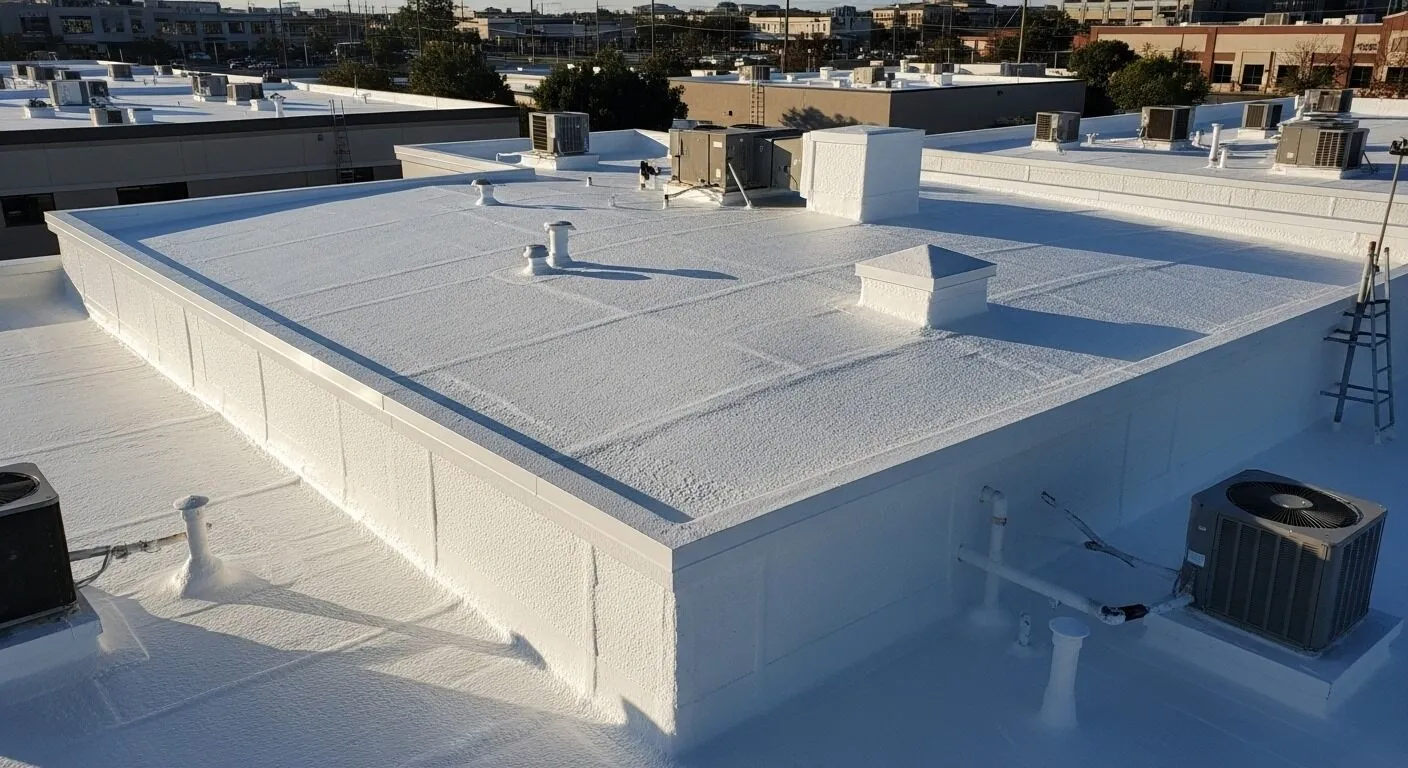
An unvented system uses air-impermeable insulation like spray foam roofing to block outside air entirely. This setup stops the “stack effect” where hot air pulls cool air out of your living space. We see significant energy savings when the attic temperature stays within a few degrees of the rest of the house.
Managing Raleigh Humidity with Better Insulation
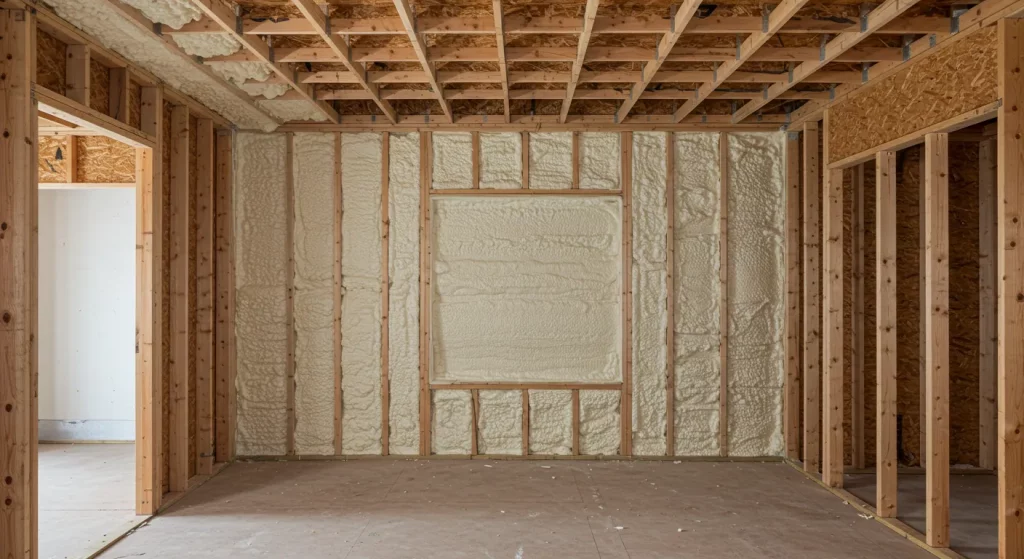
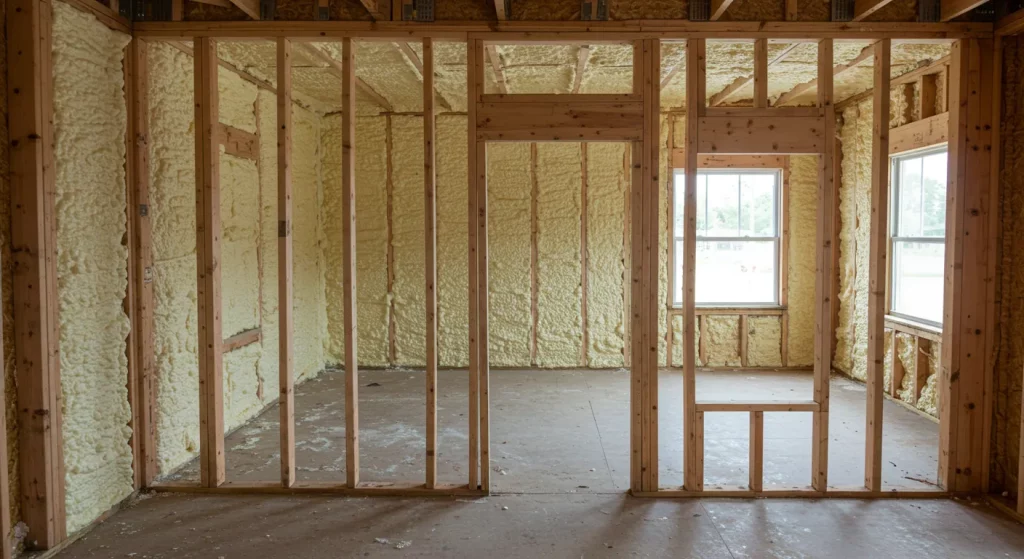
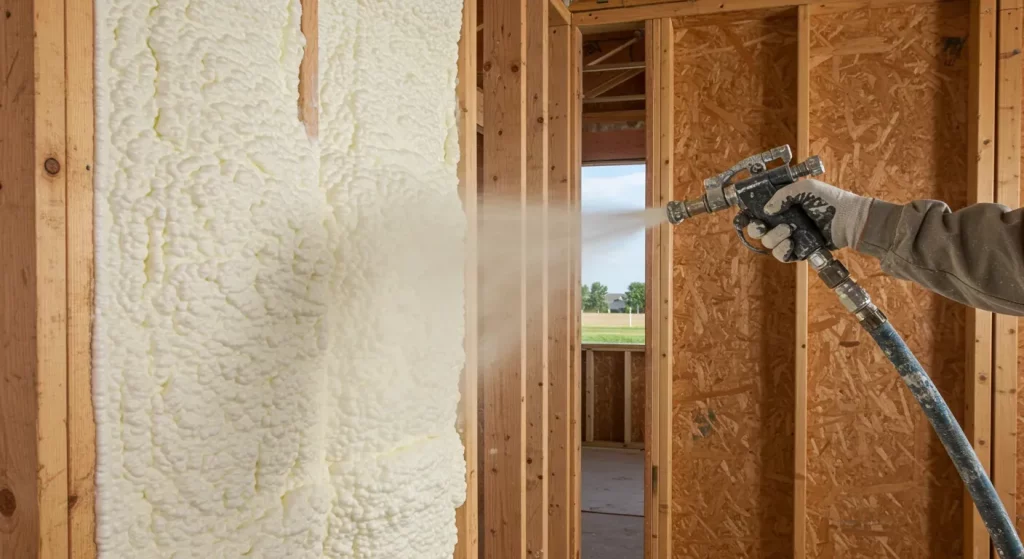
Raleigh is known for high humidity, which can wreak havoc on standard fiberglass or cellulose insulation. We use spray foam because it serves as both an insulator and an air barrier, preventing moist air from reaching the roof structure.
Data shared by Energy.gov shows that proper sealing is often more important for comfort than just adding more insulation. When we seal the roof deck, we stop the cycle of damp air flowing through the attic. This protects the roof’s structural integrity and keeps the air inside your home much cleaner.
Performance Data for Local Homeowners
We measure attic performance by how well it controls temperature and moisture in real conditions.
- Looks at how different setups handle local weather
- Compares performance across common attic systems
- Explains what proper installation should achieve
- Sets clear expectations from a professional install
Structural Differences in Attic Design
Vented attics require a clear path from the soffits to the ridge. If this path is blocked, heat can build up and damage shingles. In contrast, an unvented attic insulated with spray foam doesn’t need that airflow because the insulation keeps heat from entering the attic in the first place.
Airflow Comparison Table
| Feature | Vented Attic | Unvented Attic (Spray Foam) |
|---|---|---|
| Air Entry | Allowed through vents | Blocked by an air barrier |
| Humidity Control | Dependent on outside air | Controlled by the HVAC system |
| Dust and Pests | Can enter through vents | Sealing keeps them out |
| Energy Loss | High due to air leaks | Low due to an airtight seal |
Tip for Proper Attic Sealing
Always ensure the installers seal the gap between the roof insulation and the top plate of the wall. This small step prevents air from bypassing the insulation and entering your wall cavities.
Result for a Local Home Project
A family in Raleigh had a mold problem in their attic due to high humidity coming through the ridge vents. After Raleigh Excel Spray Foam Insulation sealed the roof deck with closed-cell foam, the attic humidity dropped significantly. This project showed how removing vents can actually solve a moisture problem when the right insulation is used.
Final Takeaway for Home Comfort
Fixing a ventilation problem doesn’t always mean adding more vents; sometimes it means changing the system. We help homeowners transition to sealed attics that provide better comfort and lower utility costs. By choosing the right insulation, you can protect your roof and your family from the humidity that plagues North Carolina.
Contact Raleigh Excel Spray Foam Insulation
We are ready to help you solve your attic moisture and heat problems. Our team provides expert spray foam installation that turns your attic into a clean, dry, and energy-efficient space. Reach out to us today to see how we can fix your home’s air and temperature issues.
Phone: (919) 301-9435 Email: [email protected]
Roof Insulation Frequently Asked Questions
How can I improve the ventilation on my roof?
You can improve ventilation by adding more soffit vents or a powered attic fan. However, we often find that the best way to enhance a “bad” ventilation situation is to switch to an unvented spray foam system that seals the attic from the outside air.
What is the most effective roof ventilation?
The most effective ventilation for a traditional roof is a balanced system of soffit vents for intake and ridge vents for exhaust. If you want the best performance for your home, an unvented attic with spray foam is often superior because it eliminates the need for airflow.
What happens if a roof isn’t ventilated properly?
A roof without proper airflow or sealing can trap heat and moisture. This leads to shingle damage, wood rot in the rafters, and mold growth. In cold weather, it can also cause ice dams that lead to leaks.
How to tell if your house roof has poor ventilation?
Look for signs such as extremely high energy bills, hot ceilings in summer, or frost on the underside of the roof in winter. You might also see dark spots on the wood or smell a musty odor coming from the attic.
Is it better to insulate a ceiling or a roof?
If you want a traditional vented attic, insulate the attic floor (ceiling). If you’re going to use the attic for storage or enjoy the best energy efficiency, we recommend insulating the roof deck with spray foam to create a sealed space.
Sources
- Building Science Corporation – A guide on the science behind vented and unvented attic systems.
- Energy.gov – Information on how ventilation and sealing impact home energy use.