



Raleigh Excel Spray Foam Insulation provides spray foam insulation solutions for homeowners, builders, and commercial property owners seeking better indoor comfort and improved building efficiency. As a Spray Foam Insulation Contractor in Durham, NC, the company offers residential and commercial insulation options designed to address heat transfer, air leakage, and insulation needs in different building areas. With 10 years of industry experience, the team can help customers consider suitable insulation for roofs, walls, floors, basements, and other spaces. Choosing the right foam depends on the building’s structure, intended use, and insulation goals. Call (919) 301-9435 to discuss your insulation project in Durham, NC.
Durham experiences hot, humid summers, cooler winters, and rainfall throughout the year. The National Oceanic and Atmospheric Administration’s 1991–2020 climate normals record an average July daily high of 87°F. Summer heat can increase cooling demands, while winter temperature changes create a need to manage heat loss through roofs, walls, and other building boundaries. Properly selected spray foam can help reduce unwanted air movement and heat transfer.
Durham also has a mix of established homes, newer residential developments, apartments, and commercial buildings. The City of Durham’s 2025–2029 Consolidated Plan reports that 57% of its housing stock consists of detached, single-unit structures, based on 2016–2020 American Community Survey data. Older homes may need attention to existing insulation gaps, while new construction requires suitable insulation planning. Foam selection should account for the building assembly, ventilation, moisture management, and intended use of each space.
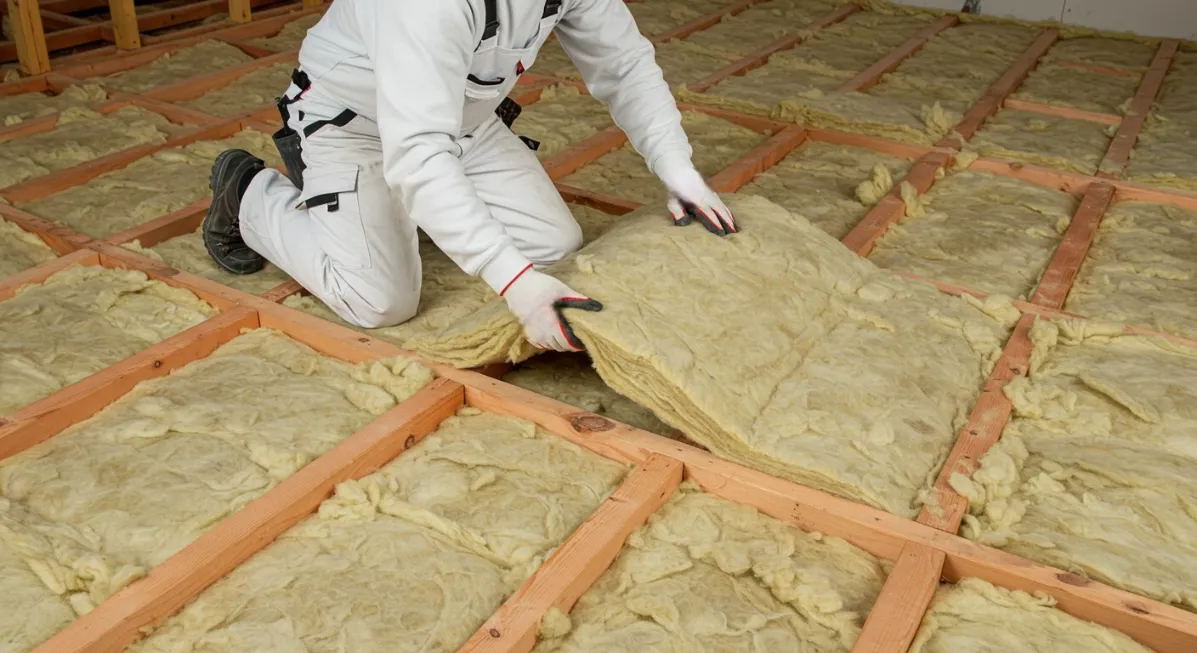
Raleigh Excel Spray Foam Insulation offers options for different building types and insulation requirements. The right solution depends on where insulation is needed, the condition of the structure, and the performance goals of the project. Customers looking for Spray Foam Insulation Solutions in Durham, NC can discuss the suitable applications for their property’s construction and insulation requirements.
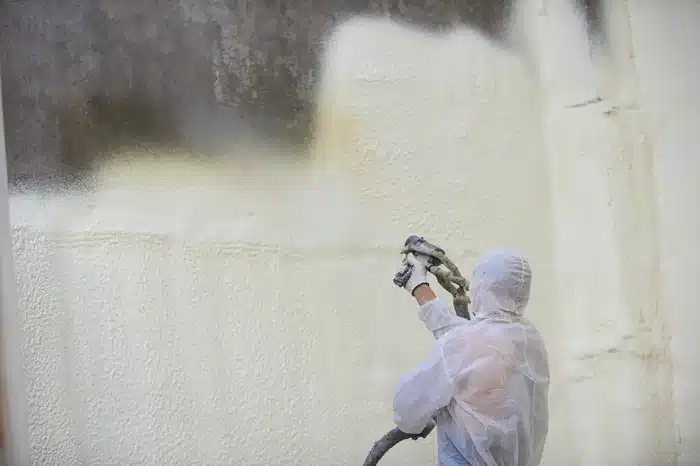
Closed-cell foam forms a dense insulation layer that can provide high thermal resistance and help limit air movement. It may suit selected roof, wall, and commercial applications.
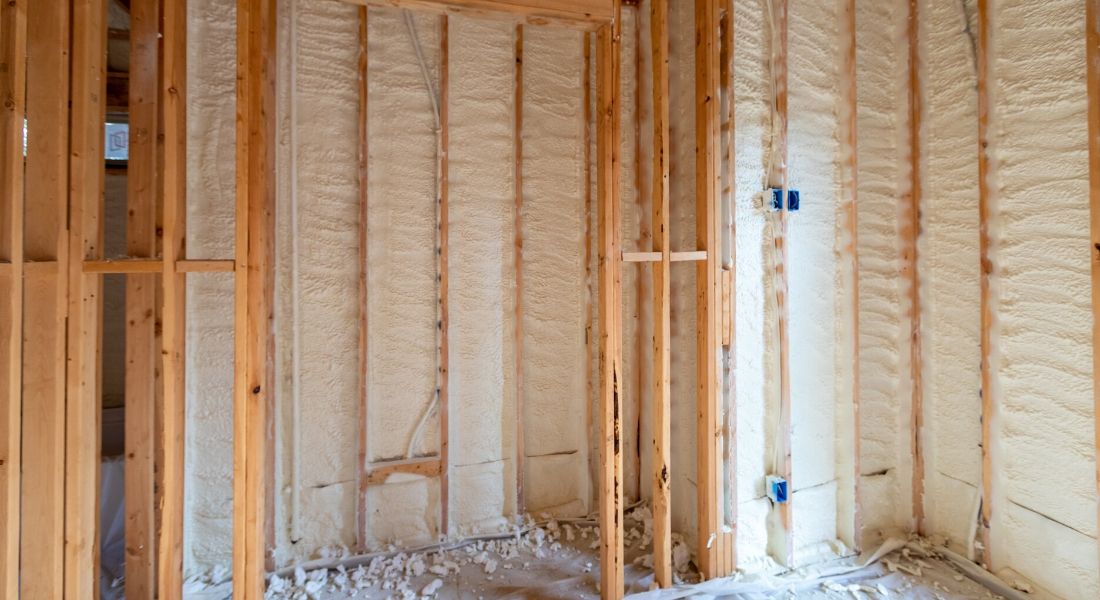
Open-cell foam expands into cavities and helps reduce air leakage while providing thermal insulation. It can be considered for suitable interior roof and wall assemblies where moisture control is properly addressed.
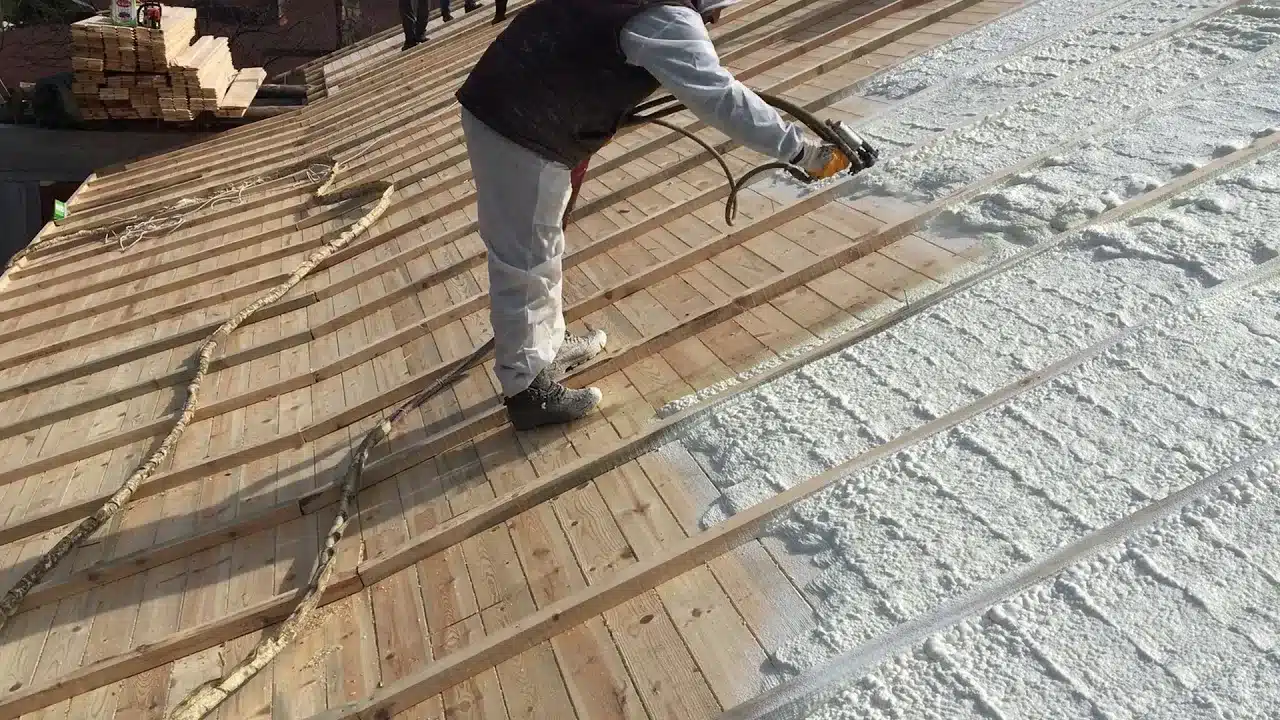
Roof insulation helps reduce heat transfer through roof assemblies and can support more consistent indoor temperatures. The suitable approach depends on roof design, ventilation requirements, and the existing materials.
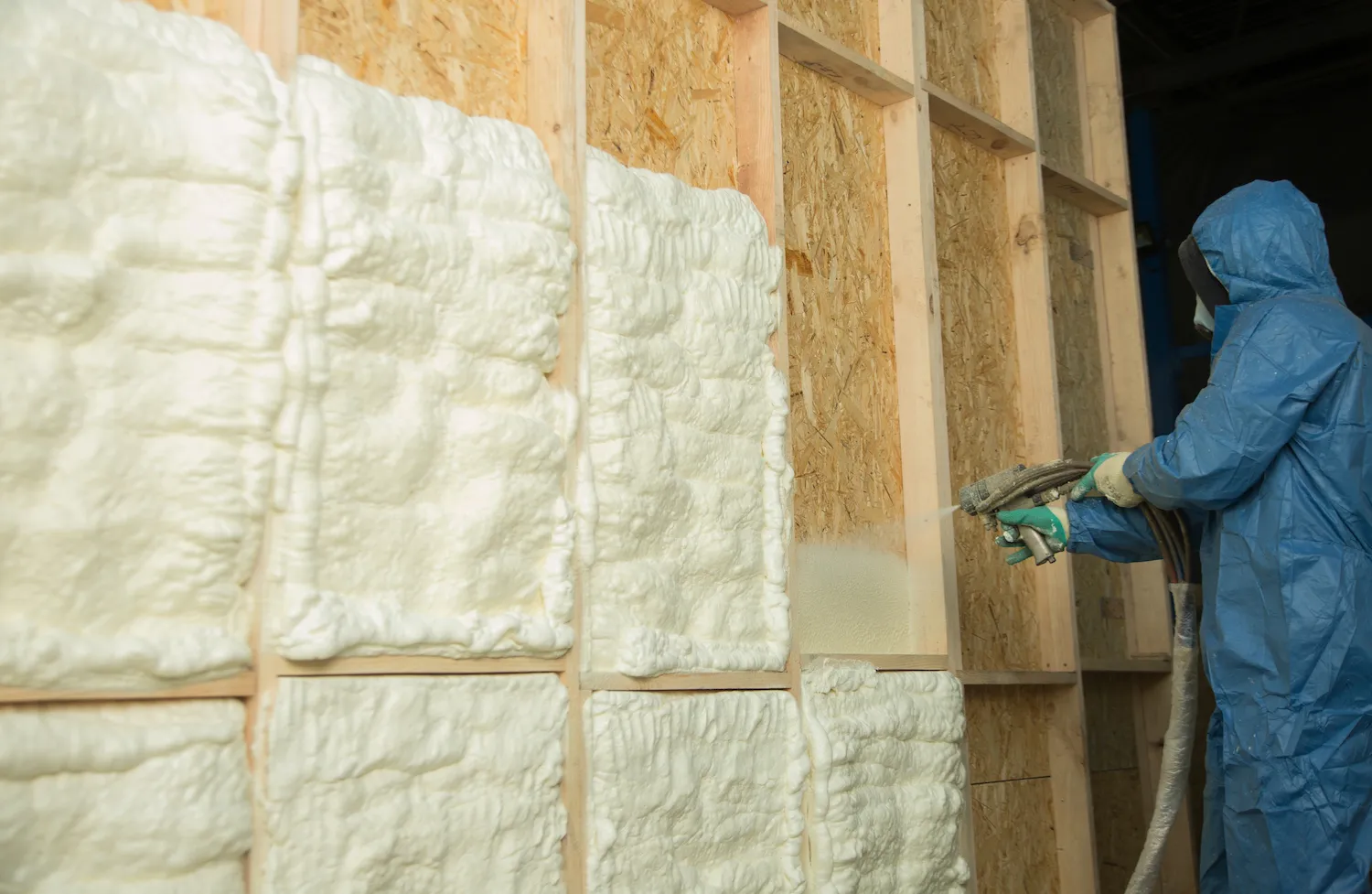
Wall insulation helps limit heat transfer through exterior walls and can reduce drafts caused by gaps in the building envelope. Foam selection depends on cavity depth and wall construction.
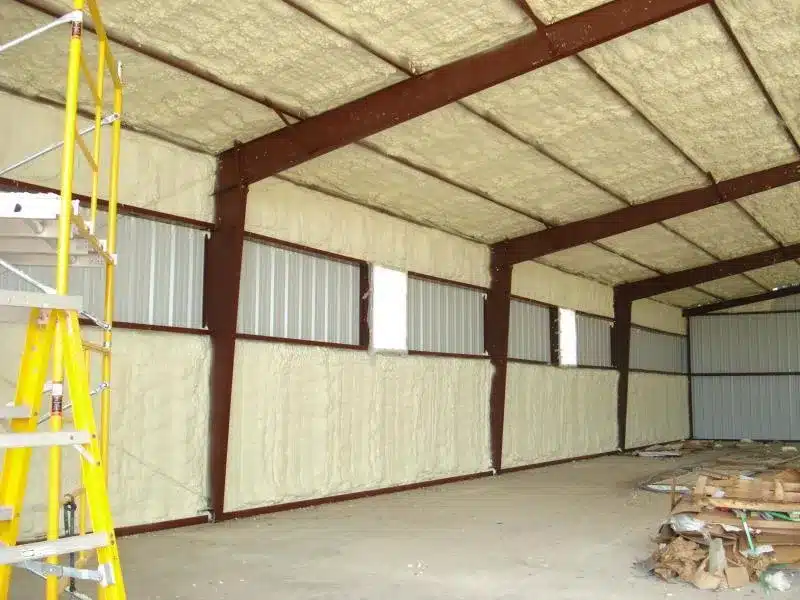
Commercial insulation supports thermal performance in offices, retail premises, and other business buildings. The installation approach should reflect occupancy, building use, mechanical systems, and applicable construction requirements.
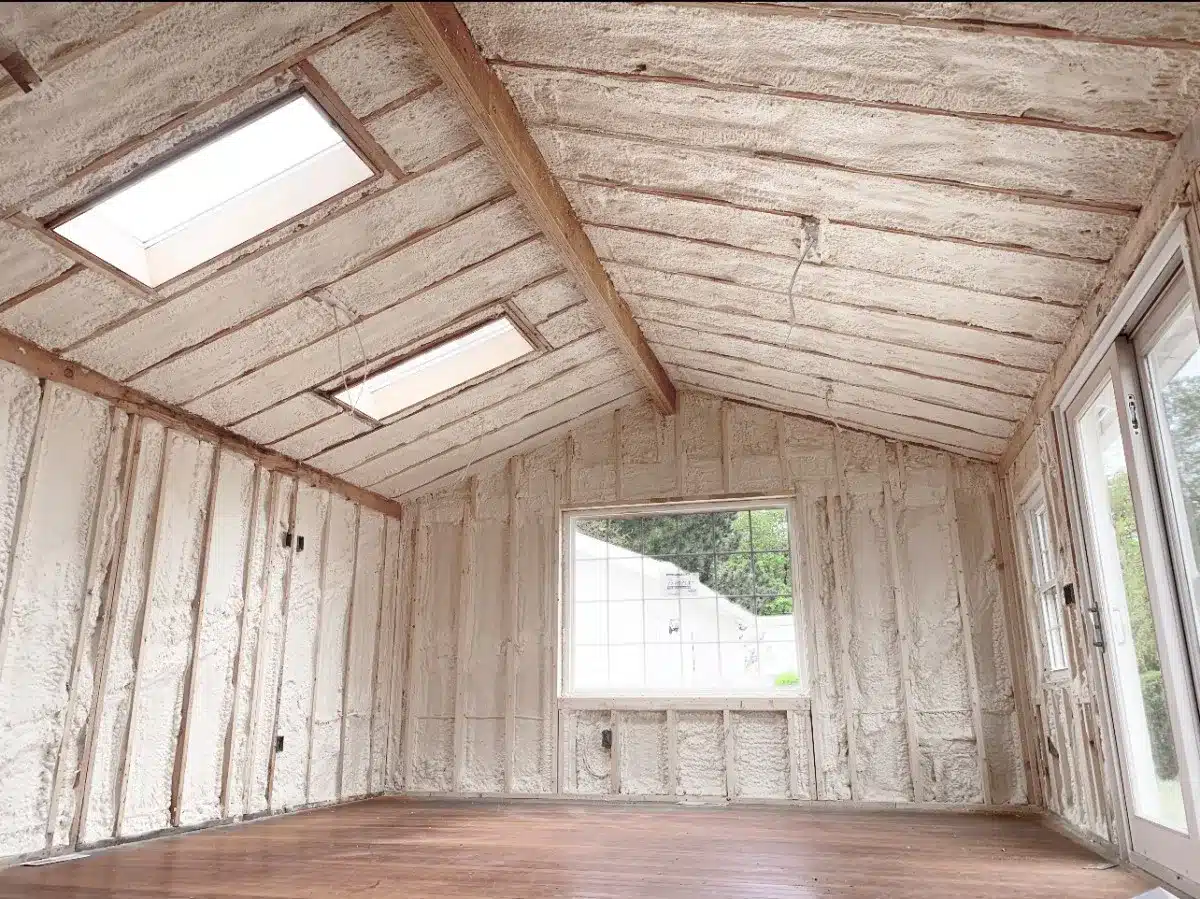
Residential insulation helps homeowners address uncomfortable rooms, temperature differences, and unwanted air movement. The appropriate material and installation area depend on the home’s construction and existing insulation.
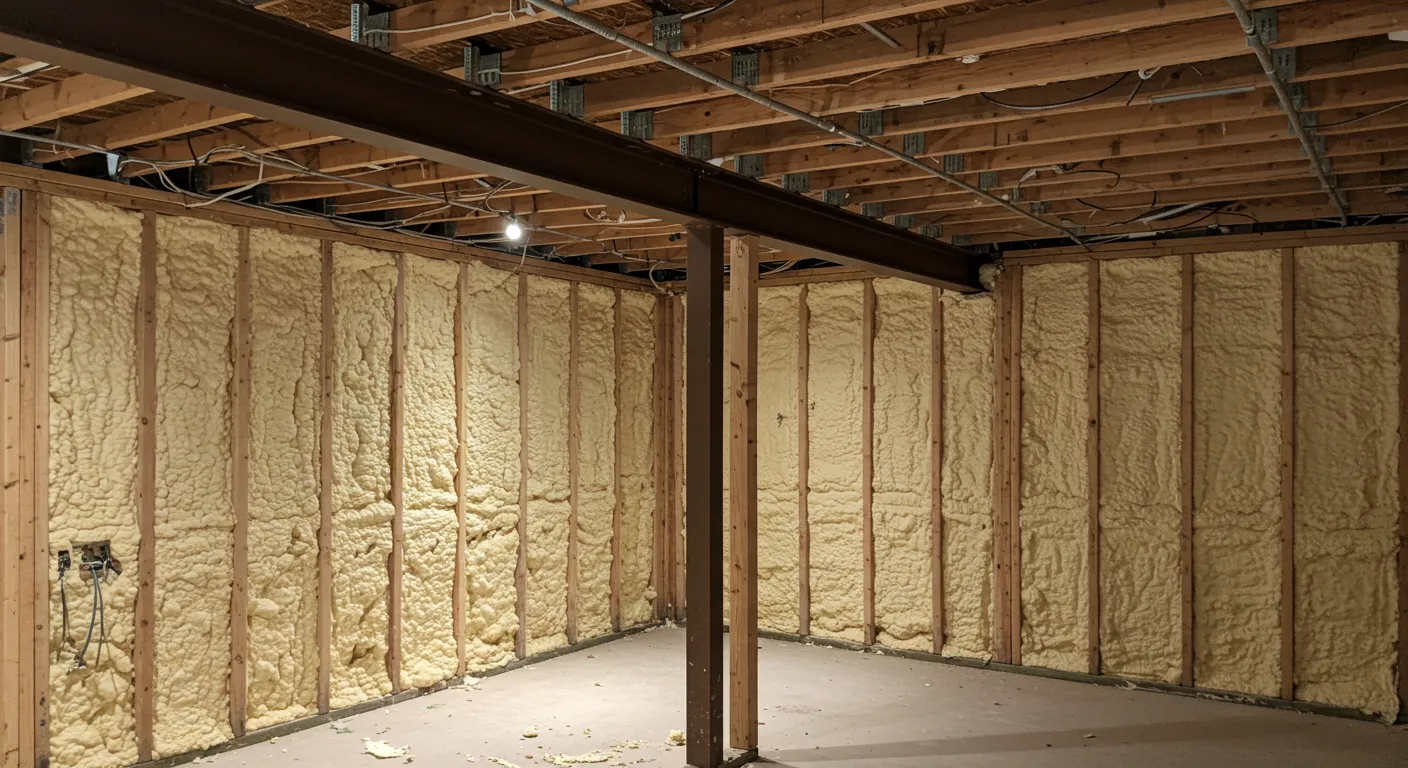
Basement insulation can help manage heat transfer through foundation walls and other suitable basement surfaces. Moisture conditions, water intrusion, and foundation details should be assessed before installation.
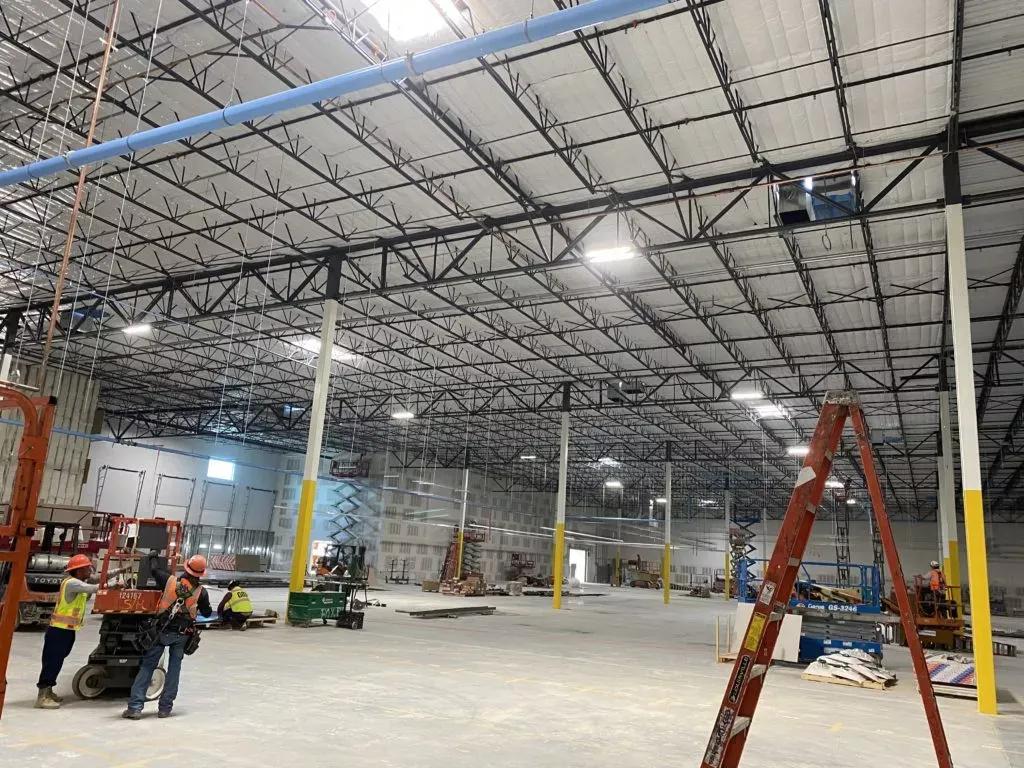
Warehouse insulation can help manage heat transfer through large roof and wall areas. The recommended system depends on building dimensions, roof construction, operating conditions, and indoor temperature requirements.
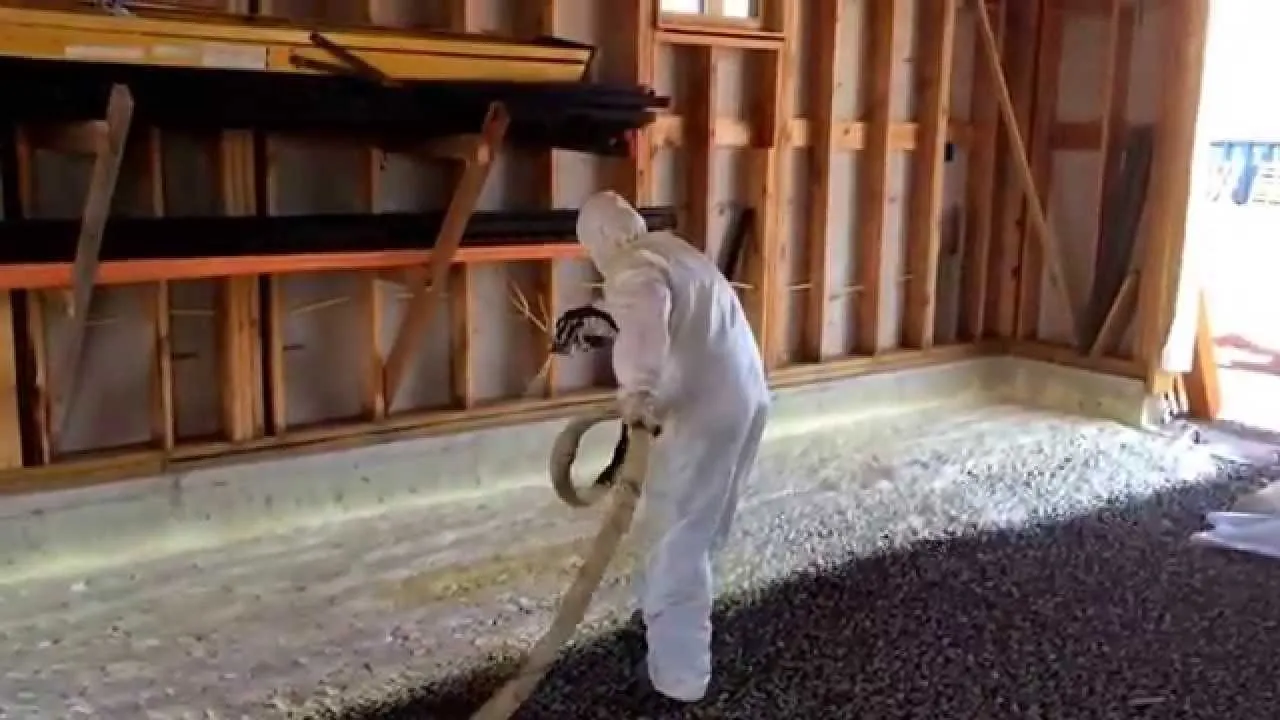
Floor insulation helps reduce heat transfer between indoor spaces and unconditioned areas below them. It may benefit suitable raised floors above crawl spaces, garages, or other cooler spaces.
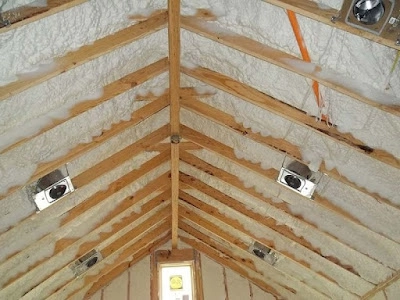
Residential spray foam insulation can seal selected gaps and insulate suitable parts of a house. Homeowners can discuss attic, roof, wall, and floor requirements based on their property’s needs.
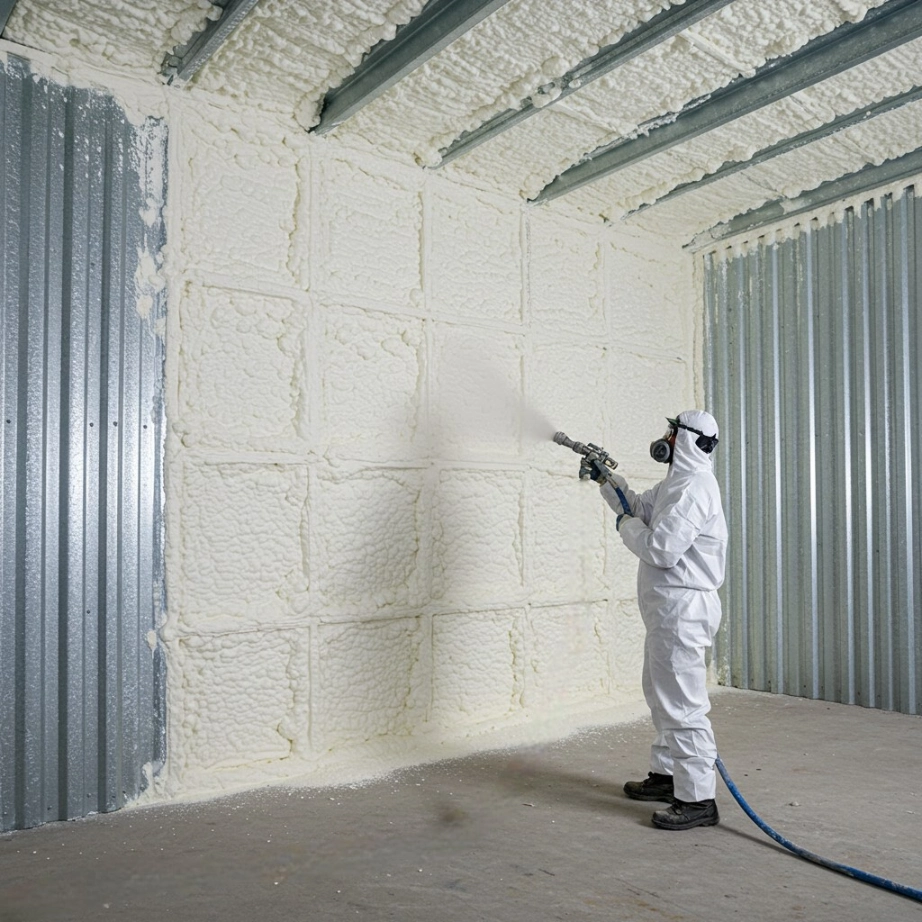
Commercial spray foam insulation provides air-sealing and thermal insulation options for appropriate business properties. System selection should account for the building envelope, intended occupancy, fire protection, and ventilation requirements.
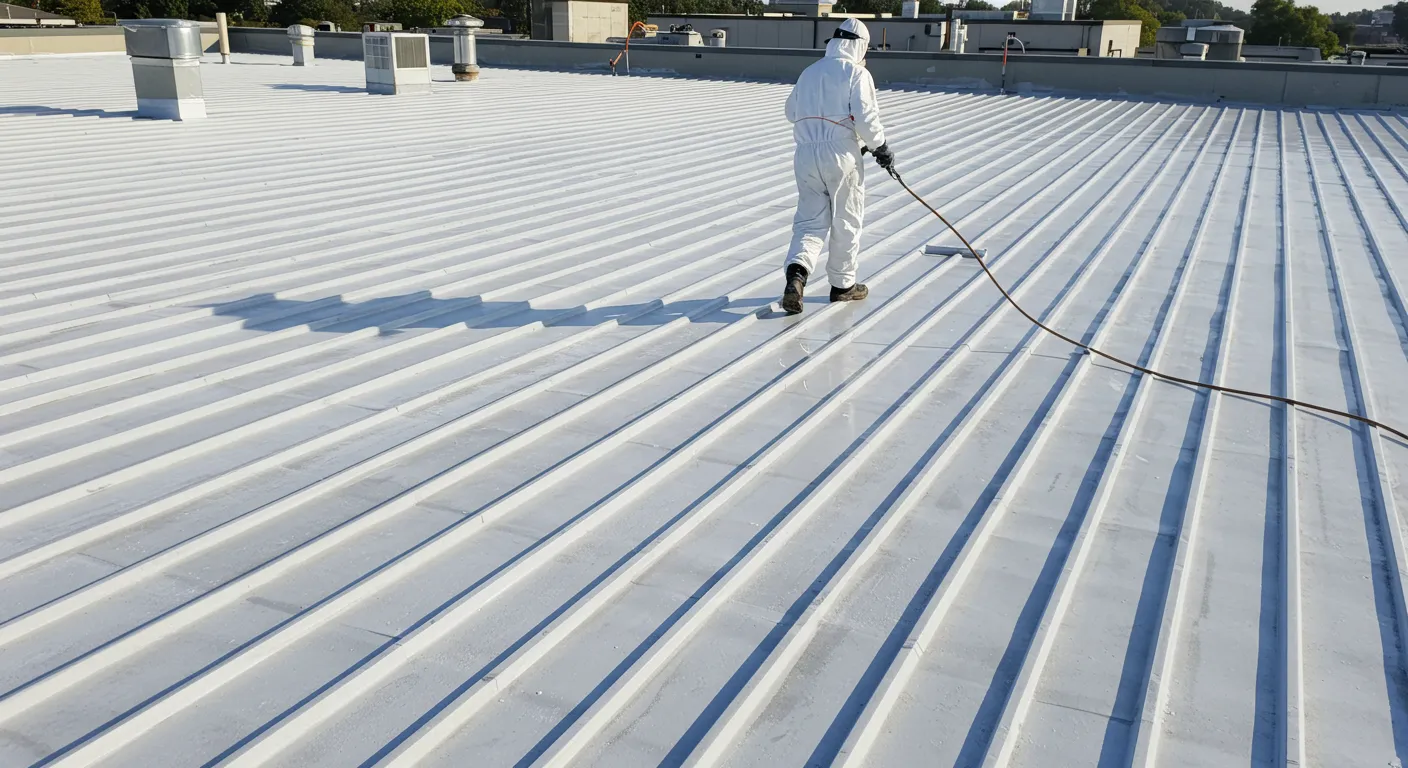
Spray foam roofing can create an insulating layer over suitable roof assemblies and may form part of a roof restoration system. Existing roof conditions, drainage, and protective coatings require evaluation.
Planning a new build, upgrading an existing home, or improving a commercial property? Discuss your insulation requirements with Raleigh Excel Spray Foam Insulation to identify a suitable service for your building.
Explain whether your project involves a home, new construction, commercial property, warehouse, or another building.
Share the areas requiring insulation, any existing materials, and the main comfort or energy-efficiency concerns.
Discuss which roof, wall, floor, basement, or other surfaces need attention.
Learn which foam type may suit the application and what building-specific factors influence that choice.
Discuss access, preparation, scheduling, and any coordination needed with other construction or renovation work.
Request pricing information and clarify the proposed work before deciding how to proceed.
Identify the surfaces to be insulated, inspect accessible areas, and consider the existing building assembly and moisture conditions.
Select an appropriate foam type and installation plan based on the intended application, substrate, thermal requirements, and applicable building codes.
Address surface readiness, protect surrounding areas, and establish the required access, ventilation, and safety precautions before spraying.
Proper Spray Foam Insulation Installation in Durham, NC should account for substrate preparation, application requirements, and the building's ventilation and moisture-control needs.
Check accessible insulated surfaces for coverage and visible installation issues, and identify any required corrections or follow-up work.
Raleigh Excel Spray Foam Insulation brings 10 years of industry experience to insulation projects for homeowners, builders, and commercial property owners. Customers comparing a Spray Foam Insulation Company in Durham, NC can consider industry experience, available services, application suitability, and how clearly the proposed work is explained before making a decision.
A decade of industry experience provides a foundation for discussing insulation applications across residential and commercial building types.
The service range includes individual homes, commercial properties, warehouses, roofs, walls, and other suitable insulation areas.
Foam type and installation requirements should match the building assembly, moisture conditions, ventilation needs, and intended use of the space.
If you are comparing insulation options for a Durham property, start by identifying the areas that need improvement and the results you want to achieve. Spray Foam Insulation Services in Durham, NC can help frame your discussion about suitable applications, project requirements, and the next steps for your property.
Call (919) 301-9435 or email [email protected] to discuss your project and request a quote.
Compare the required insulation value, available cavity space, moisture exposure, and assembly design. A suitable choice depends on the specific application.
Yes, suitable existing homes may be candidates for retrofit installation. Accessibility, existing insulation, wiring, moisture conditions, and wall or roof construction affect feasibility.
Potentially. Air sealing can reduce uncontrolled air exchange, so ventilation and indoor moisture management should be evaluated as part of the building’s overall design.
Sometimes, but the roof assembly must be assessed first. Moisture, damaged materials, drainage, adhesion, and compatibility determine whether additional foam is appropriate.
Identify the building type, areas requiring insulation, approximate dimensions, existing insulation, access limitations, and any moisture or comfort concerns you have noticed.