



Raleigh Excel Spray Foam Insulation provides insulation options for homeowners, builders, and commercial property owners who want to improve building comfort and manage heat transfer. As a Spray Foam Insulation Contractor in Burlington, NC, the company offers insulation services for roofs, walls, floors, basements, warehouses, and other suitable building areas. With 10 years of industry experience, the business can help customers explore insulation options based on property design, existing materials, and project requirements. Proper foam selection can support air sealing and thermal performance when installed as part of a suitable building assembly. Call (919) 301-9435 to discuss your insulation project in Burlington, NC.
Burlington lies in North Carolina’s Piedmont region, where hot summers, humid conditions, cooler winters, and year-round rainfall influence building comfort. Summer heat can increase heat gain through roofs and exterior walls, while winter cold can contribute to heat loss in poorly insulated spaces. Spray foam may help limit heat transfer and uncontrolled air movement when the material is appropriate for the assembly. The National Weather Service’s climate information provides regional weather and climate resources useful for understanding central North Carolina’s seasonal conditions.
Burlington’s housing and construction needs also reflect an active and growing community. According to the U.S. Census Bureau’s QuickFacts for Burlington, the city’s estimated population reached 61,496 in July 2025, representing 7.2% growth from the April 2020 population estimate base. For property owners, this mix of existing buildings and ongoing housing demand makes it useful to assess insulation during renovations and new construction. Roof design, wall cavities, crawl spaces, and moisture conditions should guide material selection rather than choosing foam by name alone.
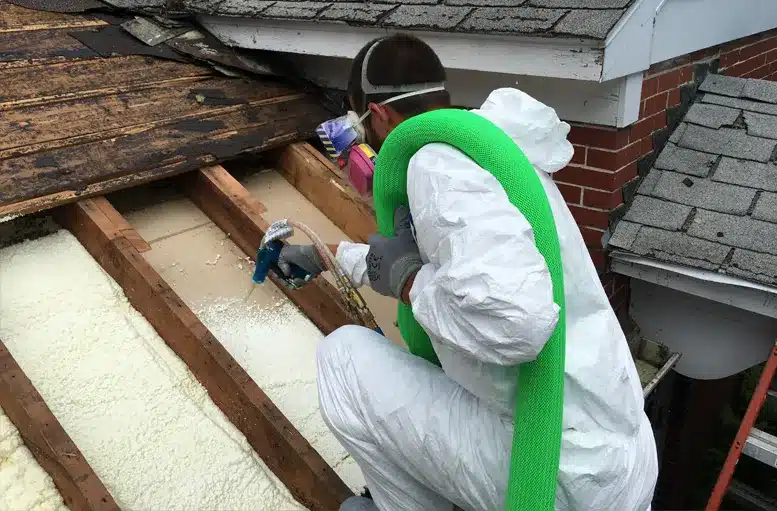
Raleigh Excel Spray Foam Insulation offers insulation services for different structures and project goals. Customers exploring Spray Foam Insulation Solutions in Burlington, NC can discuss which applications may be appropriate for their building, whether the project involves an existing home, a new build, or a commercial facility.
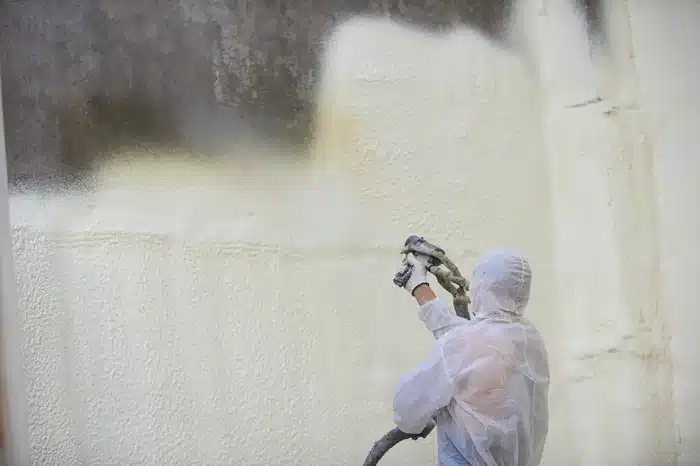
Closed-cell foam creates a dense insulation layer with high thermal resistance and air-sealing potential. It may suit selected roof, wall, and other assemblies where its properties match the building requirements.
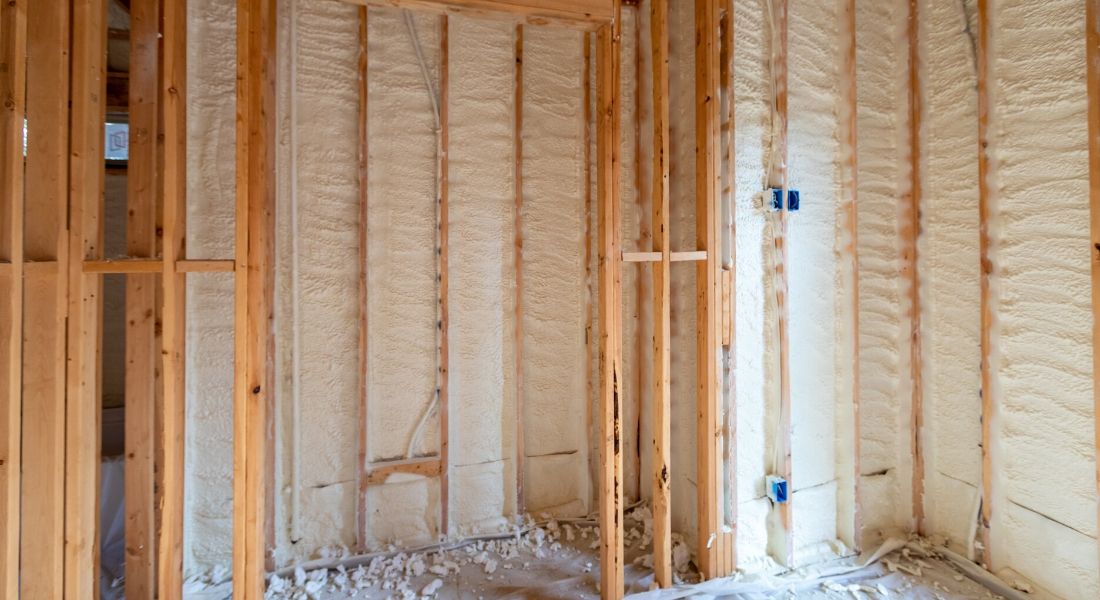
Open-cell foam expands into cavities and provides thermal insulation while helping reduce air leakage. It may be suitable for selected interior applications when the assembly’s moisture-control strategy is appropriate.
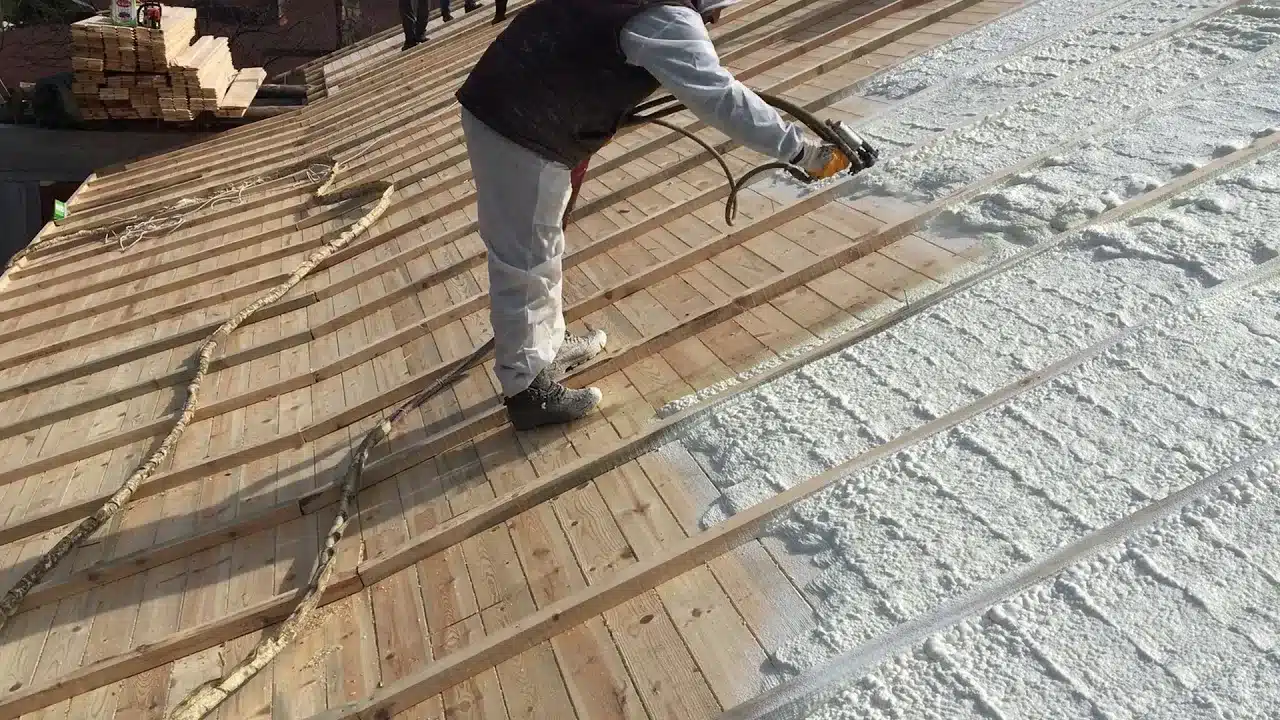
Roof insulation helps limit heat transfer through suitable roof assemblies. The right approach depends on roof construction, ventilation design, existing materials, and whether the building is new or being renovated.
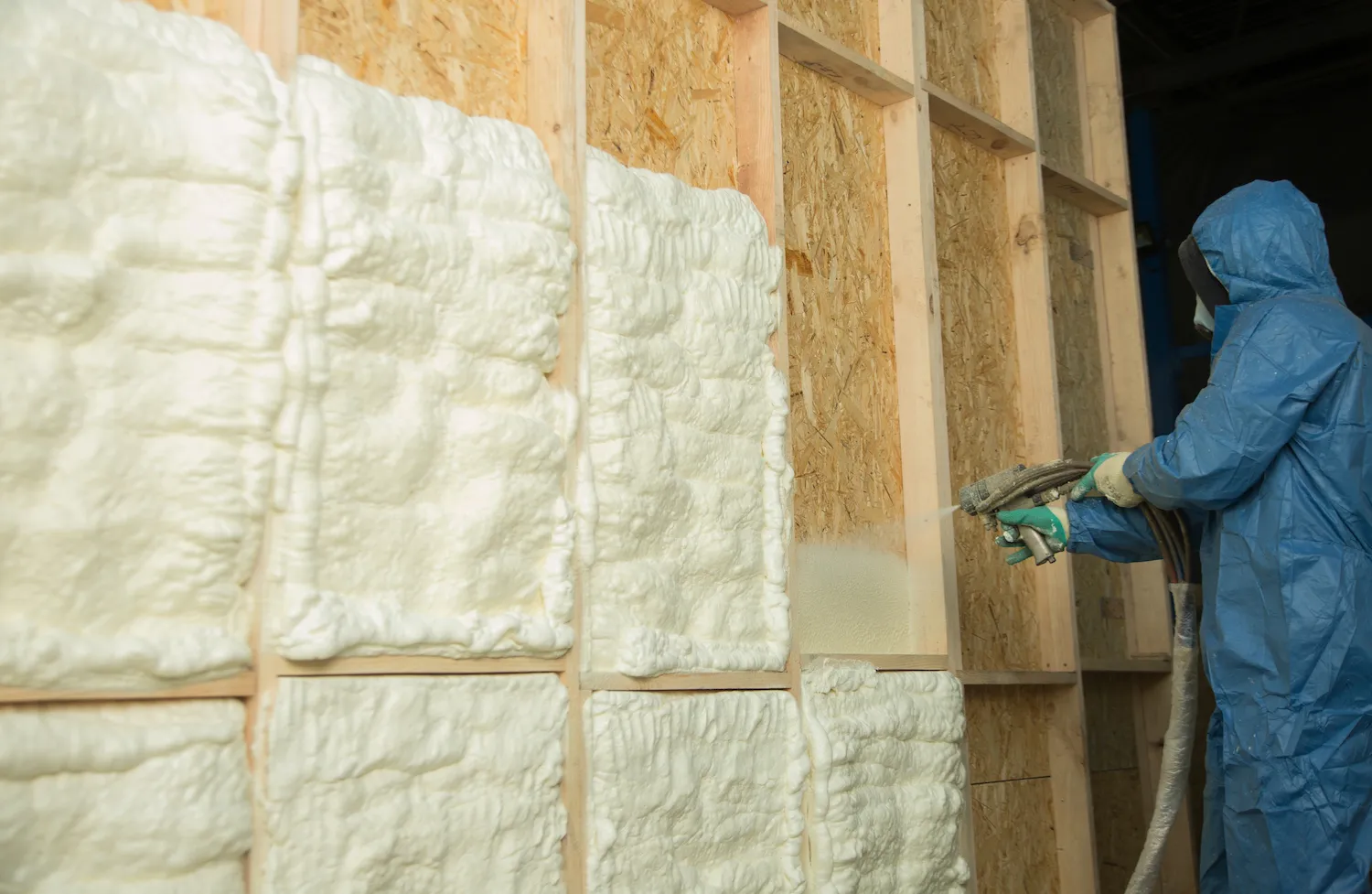
Wall insulation helps reduce heat transfer through exterior walls and can address air leakage through suitable gaps. Material choice depends on wall construction, cavity depth, and moisture-management requirements.
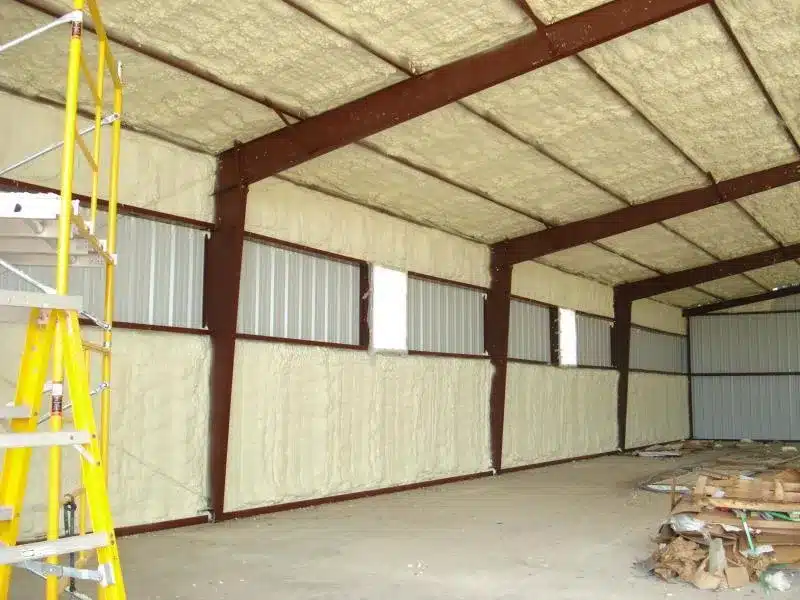
Commercial insulation supports thermal performance in offices, retail spaces, and other business properties. Recommendations should account for the building’s use, occupied areas, mechanical systems, and applicable construction requirements.
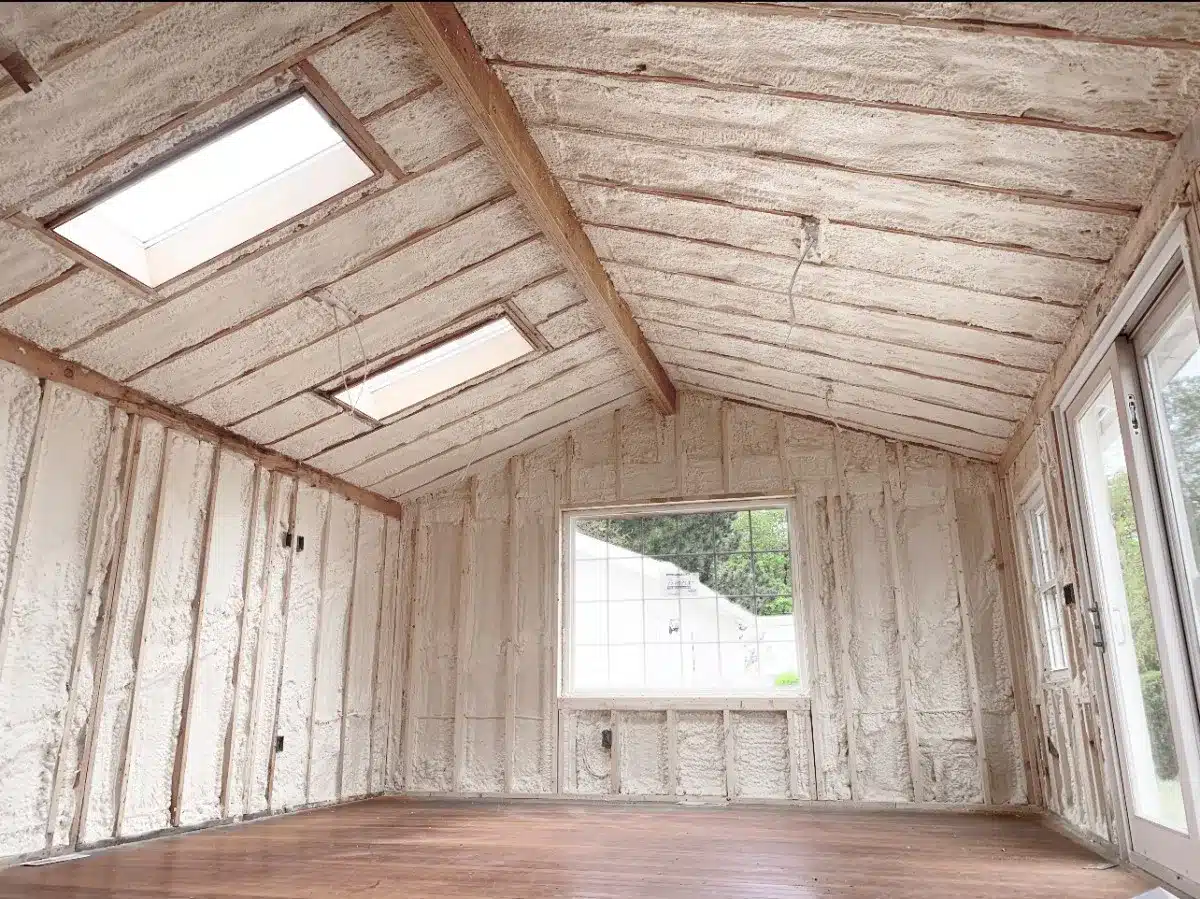
Residential insulation helps homeowners address drafts, uneven indoor temperatures, and heat transfer through the building envelope. The suitable insulation area depends on the home’s design and existing materials.
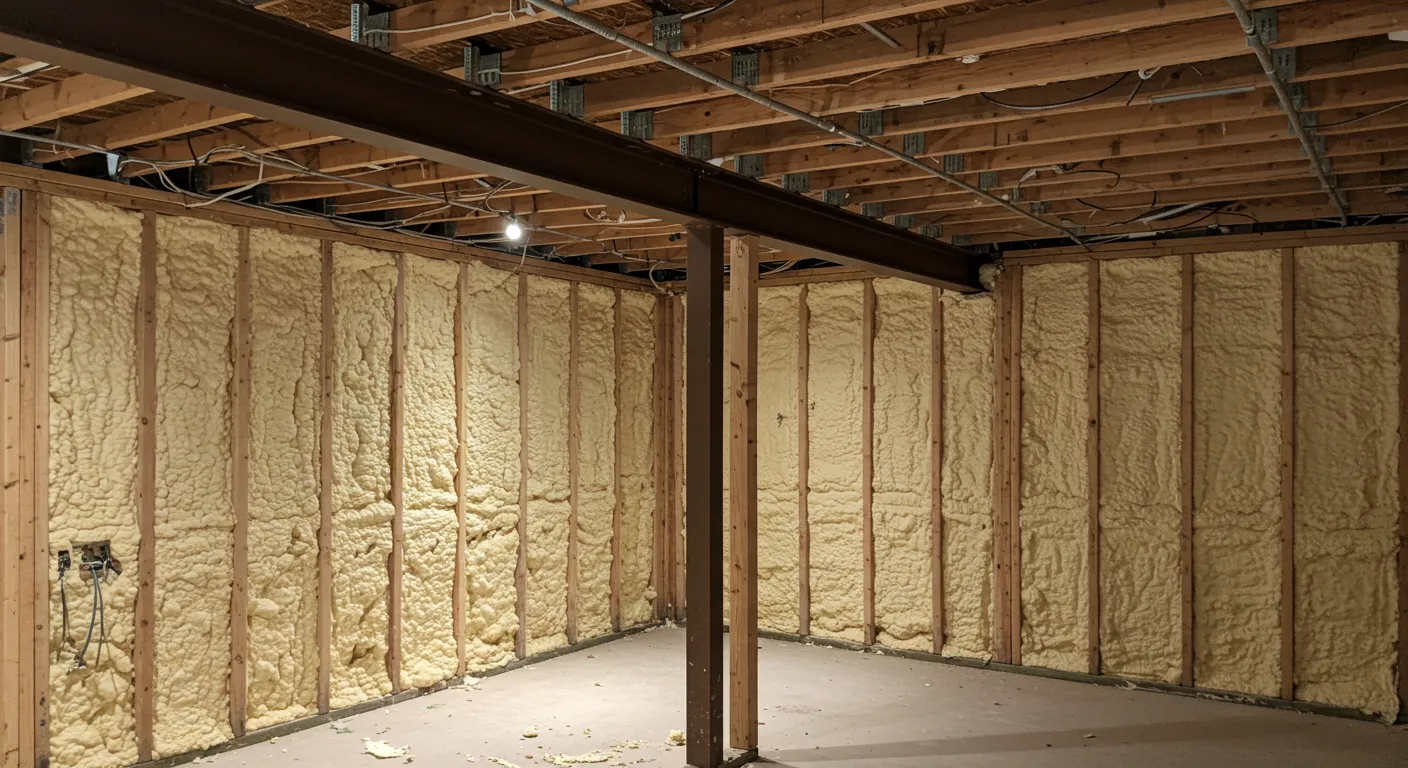
Basement insulation helps manage heat transfer through suitable foundation walls and basement surfaces. Water intrusion, dampness, and foundation conditions should be evaluated before selecting an insulation system.
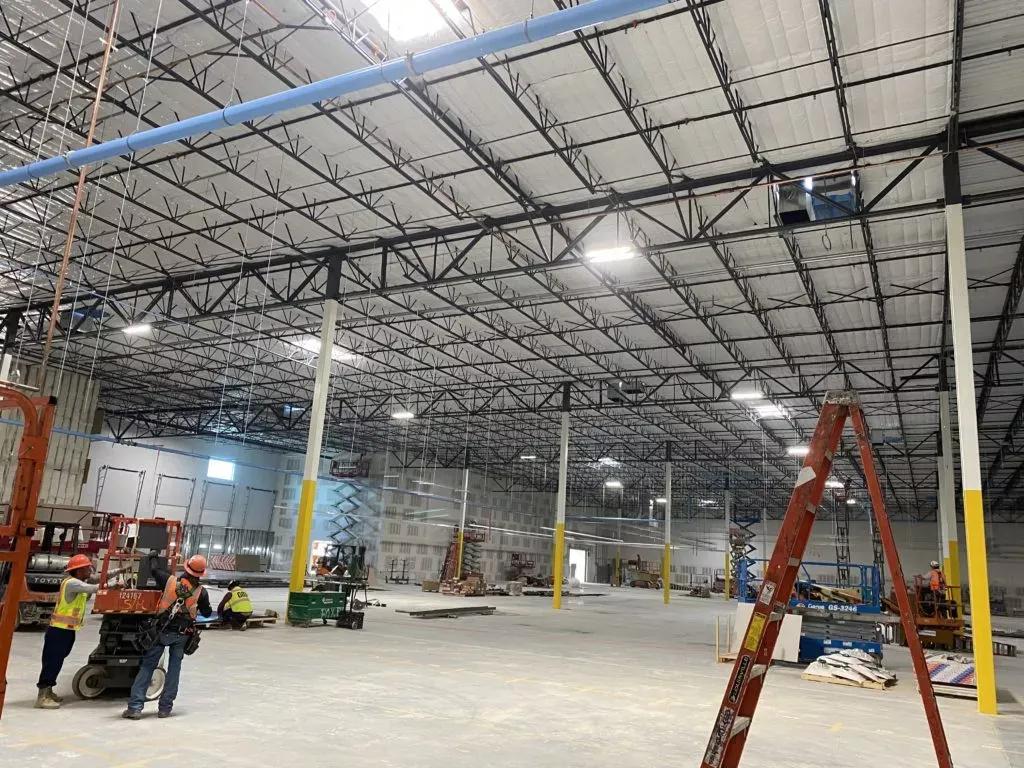
Warehouse insulation can help reduce heat transfer through large roof and wall areas. System selection depends on the building’s structure, indoor operating conditions, and temperature-control needs.
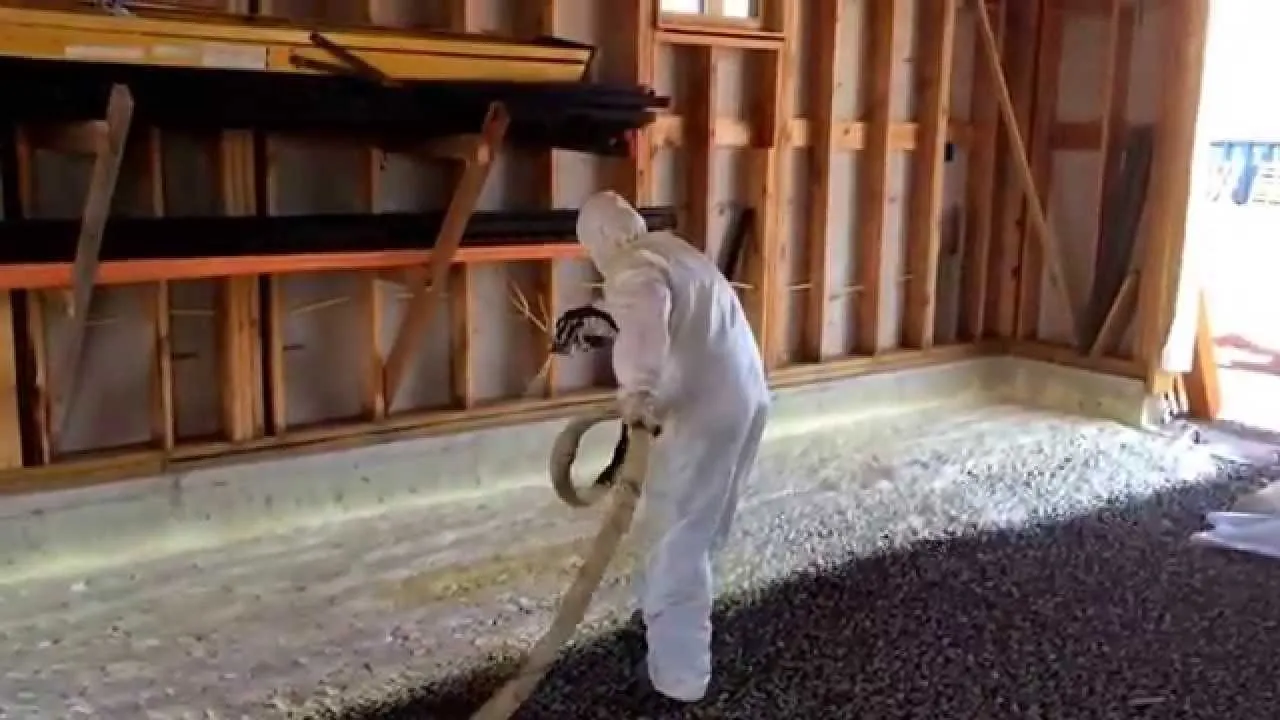
Floor insulation helps reduce heat transfer between occupied rooms and unconditioned spaces below. It may be appropriate for raised floors above crawl spaces, garages, or other exposed areas.
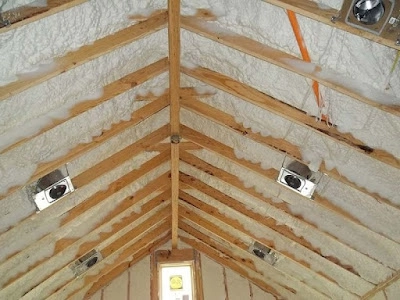
Residential spray foam insulation can combine thermal insulation with air sealing in suitable parts of a home. Attics, roof assemblies, walls, and floors can be assessed according to property needs.
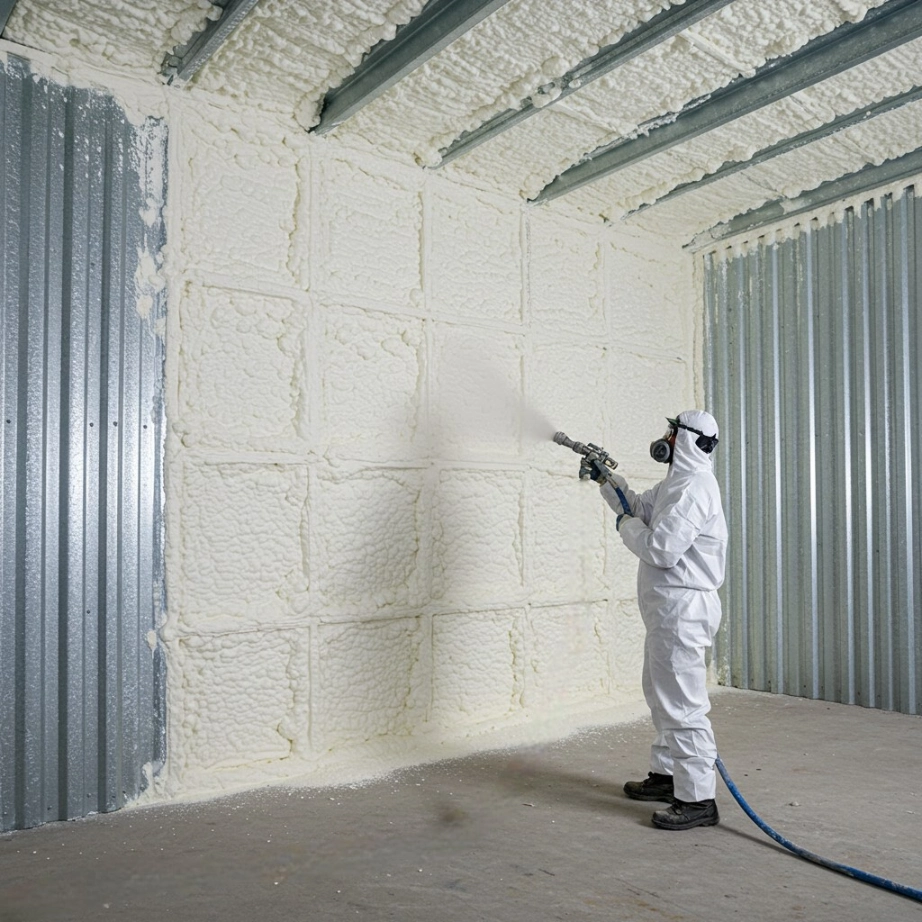
Commercial spray foam insulation provides insulation and air-sealing options for appropriate business buildings. Installation planning should consider occupancy, substrate conditions, fire protection, ventilation, and applicable building requirements.
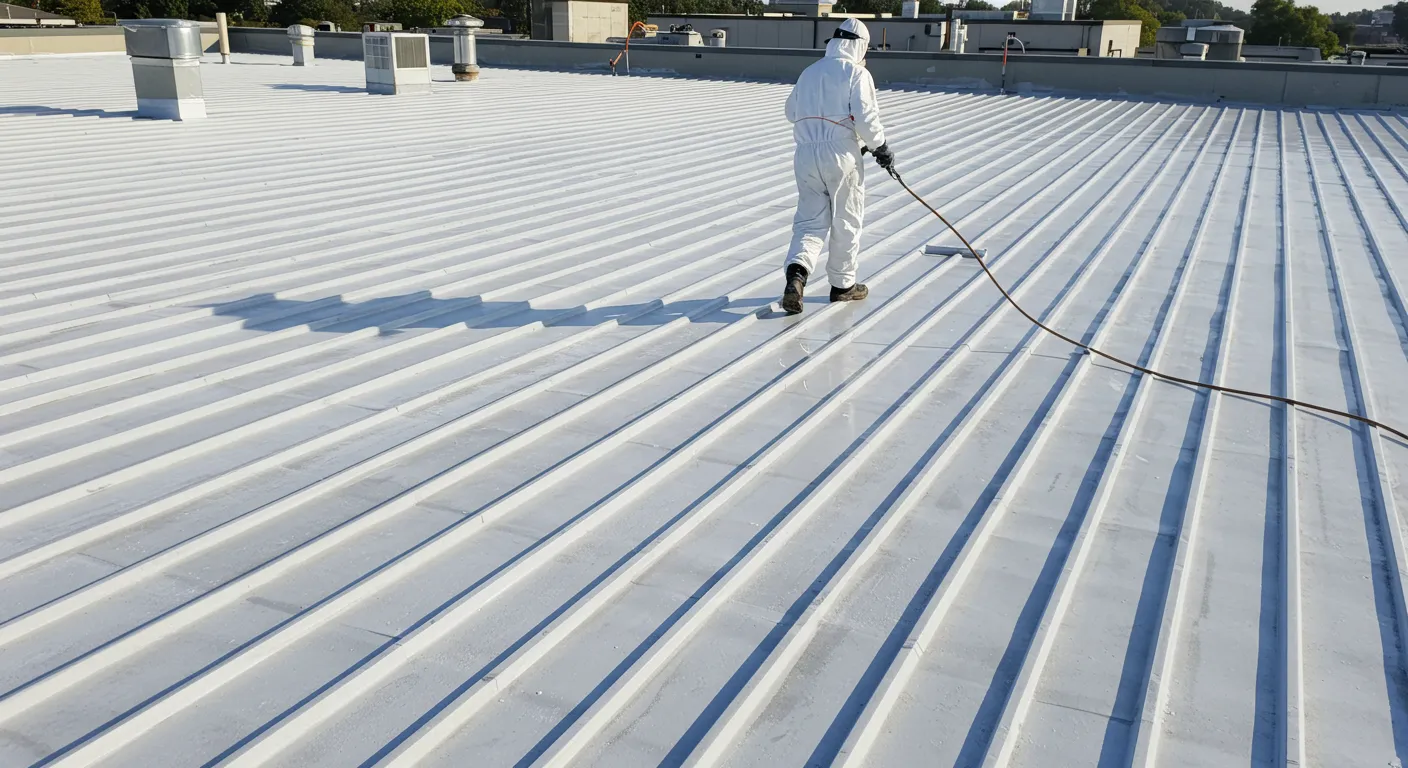
Spray foam roofing can provide a continuous insulating layer on suitable roof assemblies and may form part of a roofing restoration system. Roof condition, drainage, adhesion, and protective coatings require assessment.
Whether you are planning a residential renovation, building a new property, or addressing insulation needs in a commercial facility, discuss the areas requiring attention before selecting a system.
Explain your building type, insulation concerns, and the areas you want to improve.
Share available measurements, construction details, and information about existing insulation.
Discuss whether the project involves roofing, walls, floors, a basement, or a larger commercial space.
Review suitable foam options based on the building assembly, thermal goals, and moisture conditions.
Discuss site access, preparation needs, and coordination with any ongoing construction or renovation.
Clarify the proposed work and pricing before deciding whether to move forward.
The first step is to identify the surfaces requiring insulation and consider the structure, existing materials, accessibility, and any visible moisture concerns.
The intended application determines the appropriate foam type, coverage requirements, and installation considerations. Roofs, walls, and foundations may require different approaches.
Surfaces should be suitable for application, with relevant moisture issues addressed and nearby areas protected. Required ventilation and safety arrangements should be established before spraying.
The selected product is applied according to its manufacturer requirements and the planned installation specifications. Proper application helps achieve the intended insulation and air-sealing performance.
The completed work should be checked for visible coverage issues and areas needing attention. Any required finishing, protective barriers, or follow-up work should be clarified.
Raleigh Excel Spray Foam Insulation brings 10 years of industry experience to residential and commercial insulation projects. The company offers multiple insulation applications, giving homeowners, builders, and commercial property owners options to discuss according to their building’s construction and performance needs.
A decade of industry experience provides a foundation for discussing insulation applications and the considerations involved in different building types.
Available services cover homes, business properties, warehouses, roofs, walls, basements, and other suitable areas requiring insulation.
Foam selection and installation planning should account for substrate conditions, ventilation, moisture management, and applicable building requirements.
Choosing insulation for a Burlington property starts with understanding where heat transfer or air leakage may be occurring and which building surfaces are suitable for treatment. If you are comparing a Spray Foam Insulation Company in Burlington, NC, discuss your project requirements with Raleigh Excel Spray Foam Insulation.
Call (919) 301-9435 or email [email protected] to ask about available services and request a quote.
It can be suitable for some older homes, provided the existing structure, wiring, moisture conditions, and wall or roof assemblies are assessed before installation.
Yes, certain metal building assemblies can accommodate spray foam. Substrate condition, condensation control, fire protection, and the building’s intended use must guide the system selection.
Some applications require thermal or ignition barriers, depending on the foam product, location, occupancy, and applicable building codes. Confirm the requirements for your specific assembly.
It may help manage condensation when correctly incorporated into a suitable building assembly, but existing leaks, humidity, and other moisture sources must be addressed separately.
Compare the proposed coverage areas, foam type, specified thickness, preparation, included finishing work, and any required protective barriers rather than evaluating price alone.