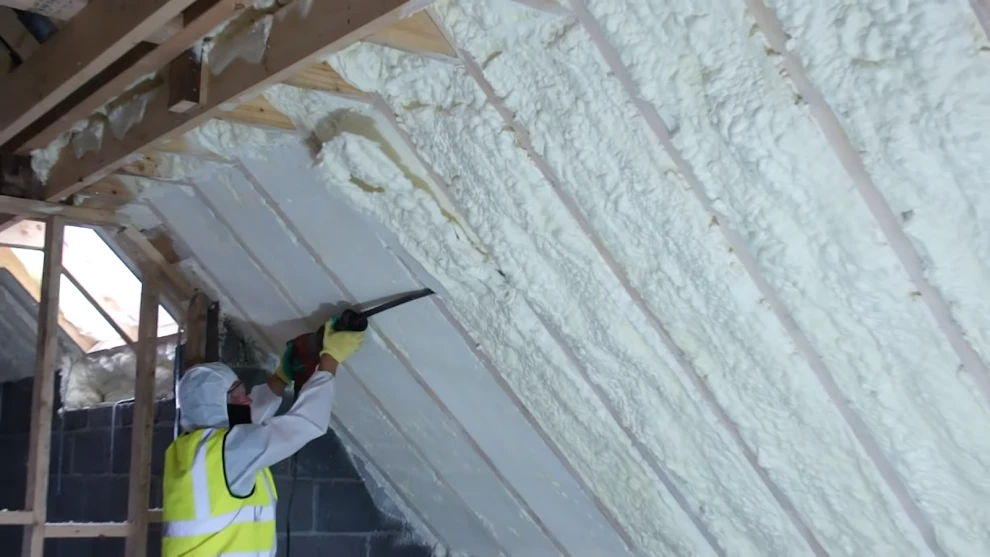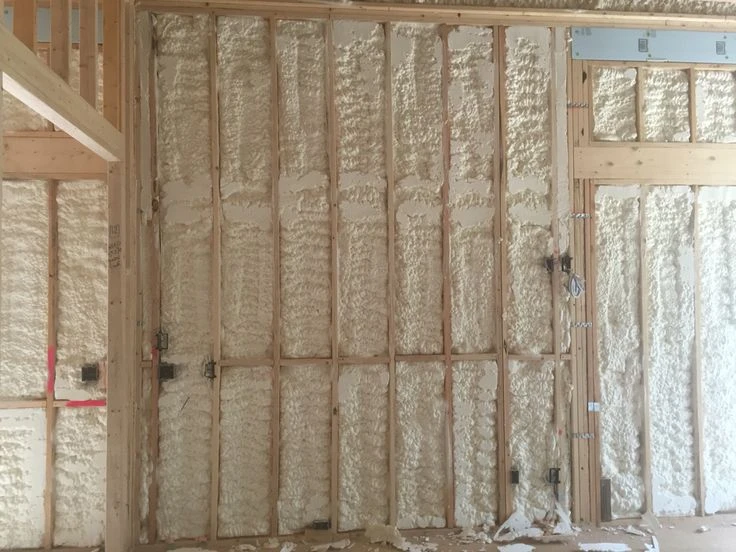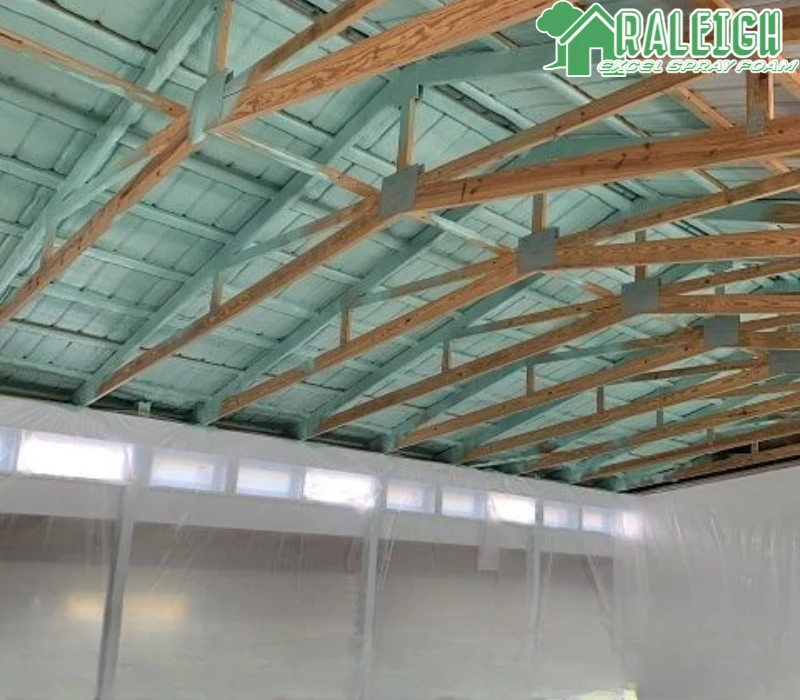



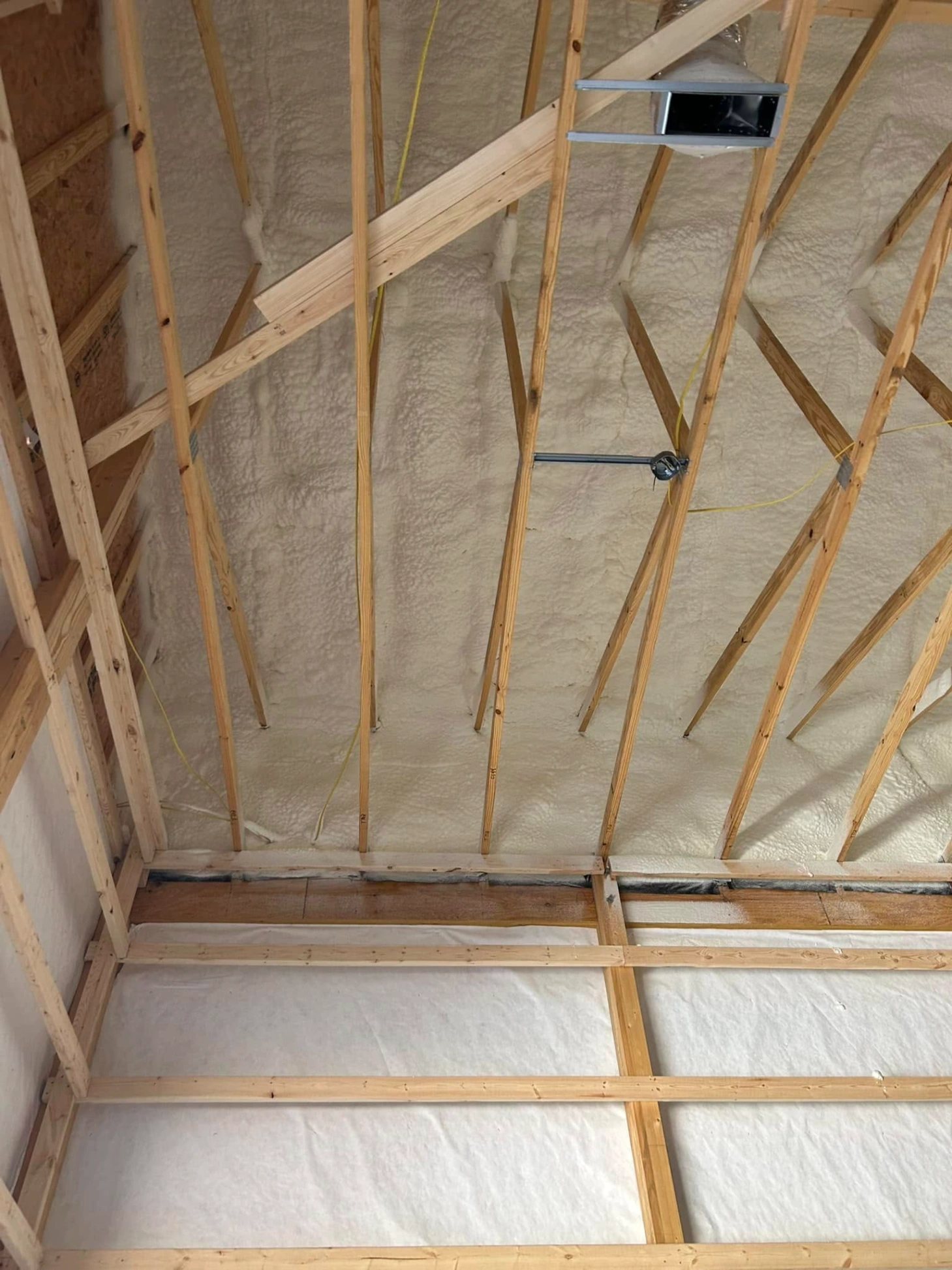
Spray foam insulation solution effectively prevents ice dams in the vast majority of cases by addressing the root cause of the problem: air leakage and heat loss. Unlike traditional insulation materials that only resist heat flow, spray foam creates an airtight seal that stops warm indoor air from escaping into the attic. By applying spray foam to the underside of the roof deck, you make a conditioned attic space where the roof temperature remains consistent. This prevents the snow on the roof from melting unevenly, effectively stopping the melt-freeze cycle that creates dangerous ice ridges at the eaves.
While no building material offers a 100% guarantee against every possible weather scenario, spray foam is widely considered the superior solution for ice dam mitigation. It outperforms fiberglass and cellulose because it eliminates the thermal bypass gaps where heat sneaks through—that other materials miss. For homeowners dealing with chronic icicles and water backup, shifting the thermal boundary to the roof deck using spray foam provides the most reliable long-term fix.
The Science Behind Ice Dams
To understand why spray foam works, you must first understand the mechanics of an ice dam. Ice dams are not caused by the snow itself but by a temperature imbalance on the roof surface. When an attic is poorly insulated or has significant air leaks, heat from the living space escapes and warms the upper portion of the roof deck. This heat melts the bottom layer of snow.
The water runs down the roof until it reaches the eaves. Since the eaves hang over the edge of the house, they are not exposed to the attic heat and remain at freezing outdoor temperatures. When the water hits this cold zone, it refreezes. Over time, this ice builds up into a ridge that traps subsequent meltwater, forcing it to back up under the shingles and leak into the home.
According to the Department of Energy, air leakage is a primary contributor to heat loss in residential structures. Traditional fiberglass batts act like a wool sweater; they hold heat but let wind blow right through. Spray foam acts like a windbreaker, stopping the airflow completely.
Moving the Thermal Boundary
Standard attic insulation sits on the attic floor. This setup keeps the living space warm while leaving the attic cold and vented. While this is building code in many areas, it is challenging to execute flawlessly. Recessed lights, HVAC ducts, and attic hatches often leak warm air into the cold attic, causing the snow to melt as described above.
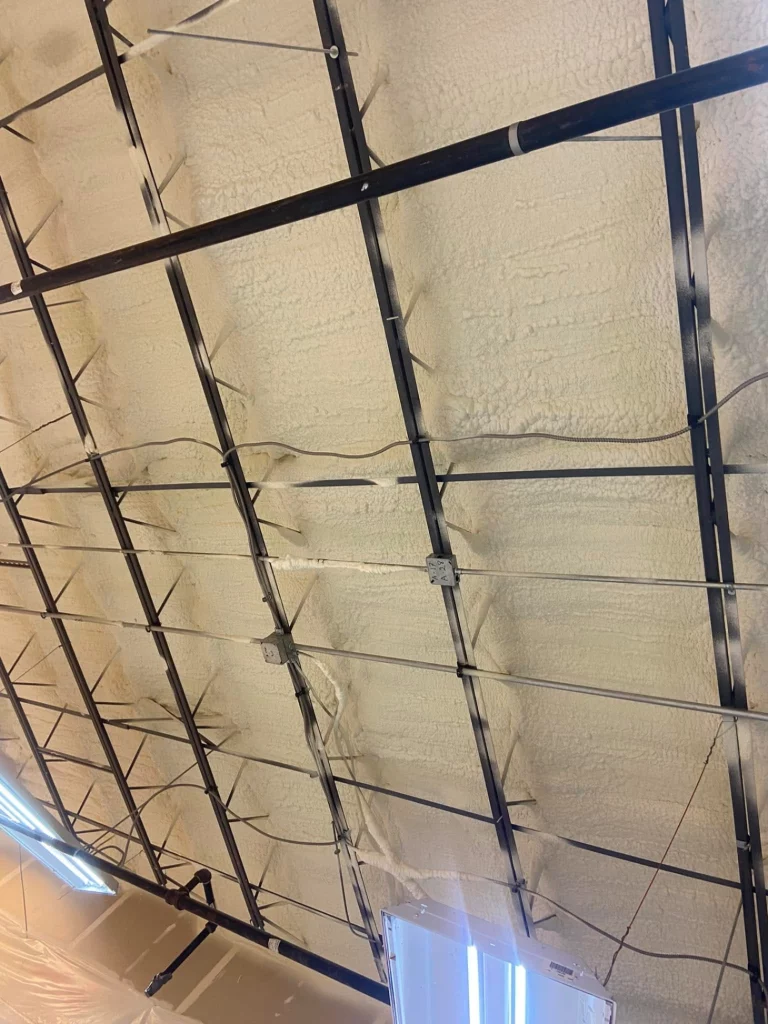
Raleigh Excel Spray Foam Insulation applies the material directly to the underside of the roof deck, between the rafters. This creates a “hot roof” or unvented attic assembly.
Benefits of the Hot Roof Approach
- Uniform Temperature: The entire roof deck remains close to the outdoor temperature because the insulation isolates it from the interior heat.
- Duct Protection: Any HVAC equipment in the attic is now inside the conditioned envelope, reducing energy loss.
- Moisture Control: Closed-cell spray foam acts as a vapor barrier, preventing moisture from rising into the roof assembly.
Comparing Insulation Performance for Ice Dam Prevention
Different insulation materials handle air sealing and thermal resistance differently. The following table outlines how they compare specifically in terms of ice dam prevention.
| Feature | Closed-Cell Spray Foam | Open-Cell Spray Foam | Fiberglass Batts | Blown-In Cellulose |
|---|---|---|---|---|
| Air Seal | Excellent (Impermeable) | Excellent (Air barrier) | Poor (Air permeable) | Fair (Settles over time) |
| R-Value per Inch | High (R-6 to R-7) | Medium (R-3.5 to R-4) | Medium (R-3 to R-4) | Medium (R-3 to R-4) |
| Vapor Barrier | Built-in | Requires paint/film | Requires a separate plastic | Requires a separate plastic |
| Moisture Tolerance | Water resistant | Can absorb water | Absorbs water/molds | Absorbs water/mats down |
| Ice Dam Prevention | Best | Good | Low | Fair |
Market Data on Winter Damage
Ice dams cause significant financial strain for homeowners each year. Data from the Insurance Information Institute indicates that winter storms caused roughly $2.1 billion in insured losses in 2021 alone. A large portion of these claims relates to water intrusion from ice dams and frozen pipes. Investing in proper air sealing is a preventive cost that often pays for itself by avoiding a single central water-damage claim.
Things to Consider Before Making a Decision
Before choosing spray foam to combat ice dams, evaluate specific structural and budget factors.
Existing Roof Condition
Spray foam adheres permanently to the roof deck. If the roof shingles are near the end of their lifespan, replace the roof before insulating. If you replace the roof decking later, you will lose the insulation attached to it.
Ventilation Requirements
Converting to an unvented attic assembly requires closing off existing soffit, ridge, and gable vents. This alters how the house breathes. You must ensure the HVAC system is balanced and that the home has adequate fresh air exchange, often handled by an ERV (Energy Recovery Ventilator) or simple mechanical ventilation.
Type of Foam
For roof decks in very cold climates, closed-cell foam is often preferred over open-cell. Closed-cell foam adds structural rigidity to the roof and acts as a Class II vapor retarder. Open-cell foam is cheaper but may require a vapor retarder paint to prevent interior moisture from migrating through the foam and condensing on the cold roof sheathing.
Bonus Tip: Never block the drainage plane. Even with spray foam, ensure your gutters and downspouts are clean. Foam stops heat loss that causes melting, but it cannot prevent rain or natural snowmelt from refreezing if the water has nowhere to go.
Preventing Thermal Bridging
One area where even spray foam needs help is thermal bridging. This occurs when heat travels through the wood rafters themselves, bypassing the insulation. Since wood has a lower R-value than foam, the snow directly above the rafters might melt faster than the snow over the foam.
To combat this, installers can spray the rafters’ faces (encapsulating them) rather than just between them. This creates a continuous thermal blanket.
Bonus Tip: If complete encapsulation is out of budget, ensure the spray foam depth is flush with the rafters’ faces to minimize the exposed wood surface area.
Summary
Spray foam insulation offers the most robust defense against ice dams by tackling the primary culprit: warm air leaking into the attic. By creating a sealed, unvented roof assembly, Raleigh Excel Spray Foam Insulation maintains consistent roof deck temperatures, preventing the melt-freeze cycle. While initial costs are higher than traditional materials, the protection against water damage, mold, and energy loss makes it a prudent investment for homes in cold climates. Evaluate your roof condition and ventilation needs, and choose the foam type that best suits your climate zone.
Ready to Protect Your Home?
Ice dams can cause thousands of dollars in damage to your roof, gutters, and interior walls. Don’t wait for the next winter storm to find out your insulation isn’t holding up. Contact Raleigh Excel Spray Foam Insulation today to assess your attic and create a plan that keeps the heat where it belongs, inside your home.
Email: [email protected] Phone: (919) 301-9435
FAQs
Can I just insulate the eaves to stop ice dams?
Targeting only the eaves is rarely effective. Ice dams form at the eaves, but the water comes from snow melting higher up on the roof. You must stop the heat loss across the entire attic floor or roof deck to solve the problem.
Will spray foam hide roof leaks?
Closed-cell foam is water-resistant, so a small leak might not drip through immediately. However, significant leaks will eventually find a path. It is vital to inspect the exterior of the roof annually. Open-cell foam will allow water to pass through, making leaks easier to spot earlier.
Is it too late to spray foam if I already have ice dams?
You cannot apply spray foam while the roof is wet or frozen. The substrate must be dry and within a specific temperature range for the chemical reaction to occur correctly. This is a project for the warmer months to prevent issues the following winter.
Does spray foam require maintenance?
Once applied and cured, spray foam does not settle, shrink, or degrade like cellulose or fiberglass. It requires no active maintenance, though you should ensure no pests or rodents chew through it; this is less common with dense, closed-cell foam.
Why is air sealing so important?
Air leaks carry moisture and heat much faster than diffusion through materials. A report from Building Science Corporation emphasizes that air sealing is the single most critical factor in preventing ice dams, even more so than increasing R-value alone.
Sources
- Department of Energy – Information on heat loss mechanisms and the importance of air sealing in residential roofs.
- Insurance Information Institute – Statistics regarding insured losses from winter weather and water damage.
- Building Science Corporation – Detailed technical analysis of ice dam formation and the critical role of air barriers.