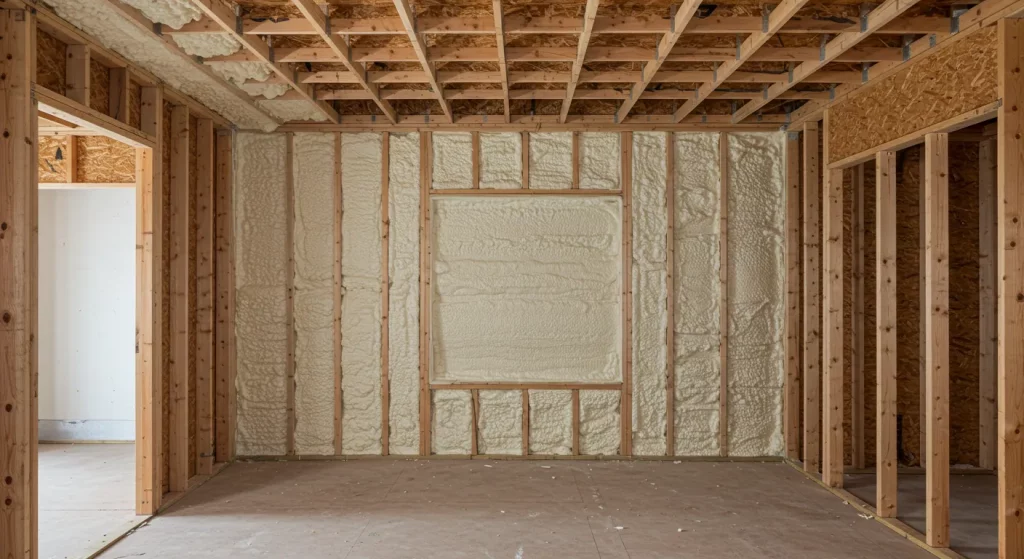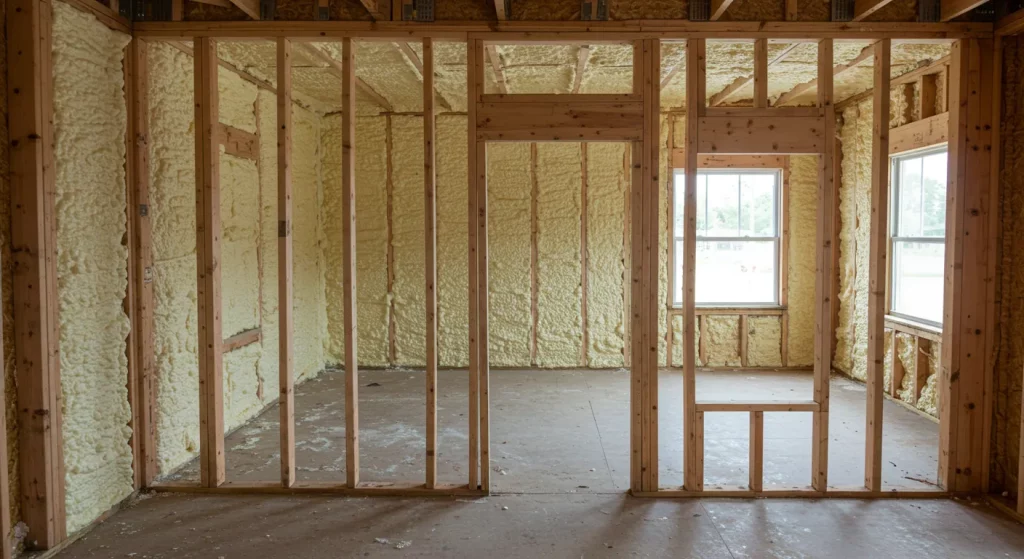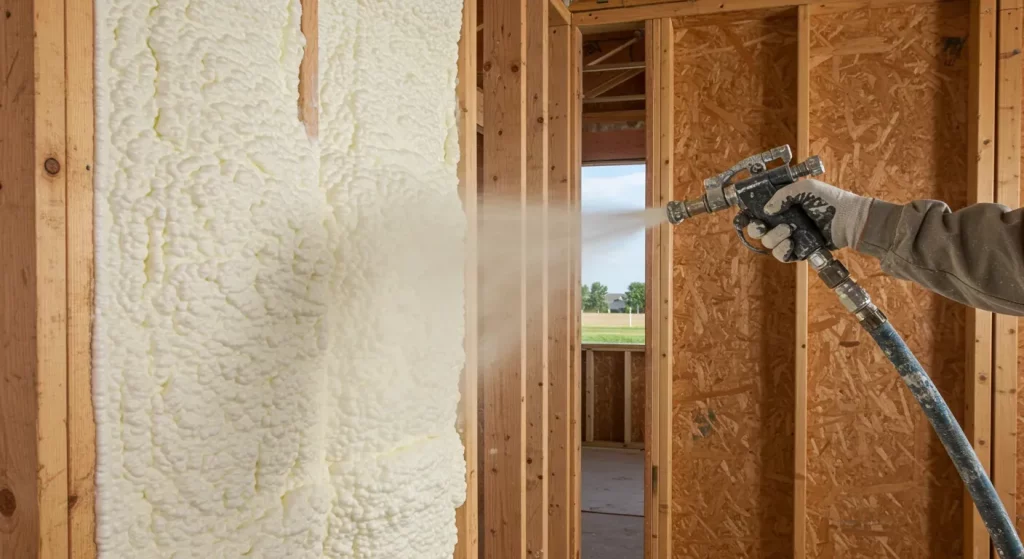



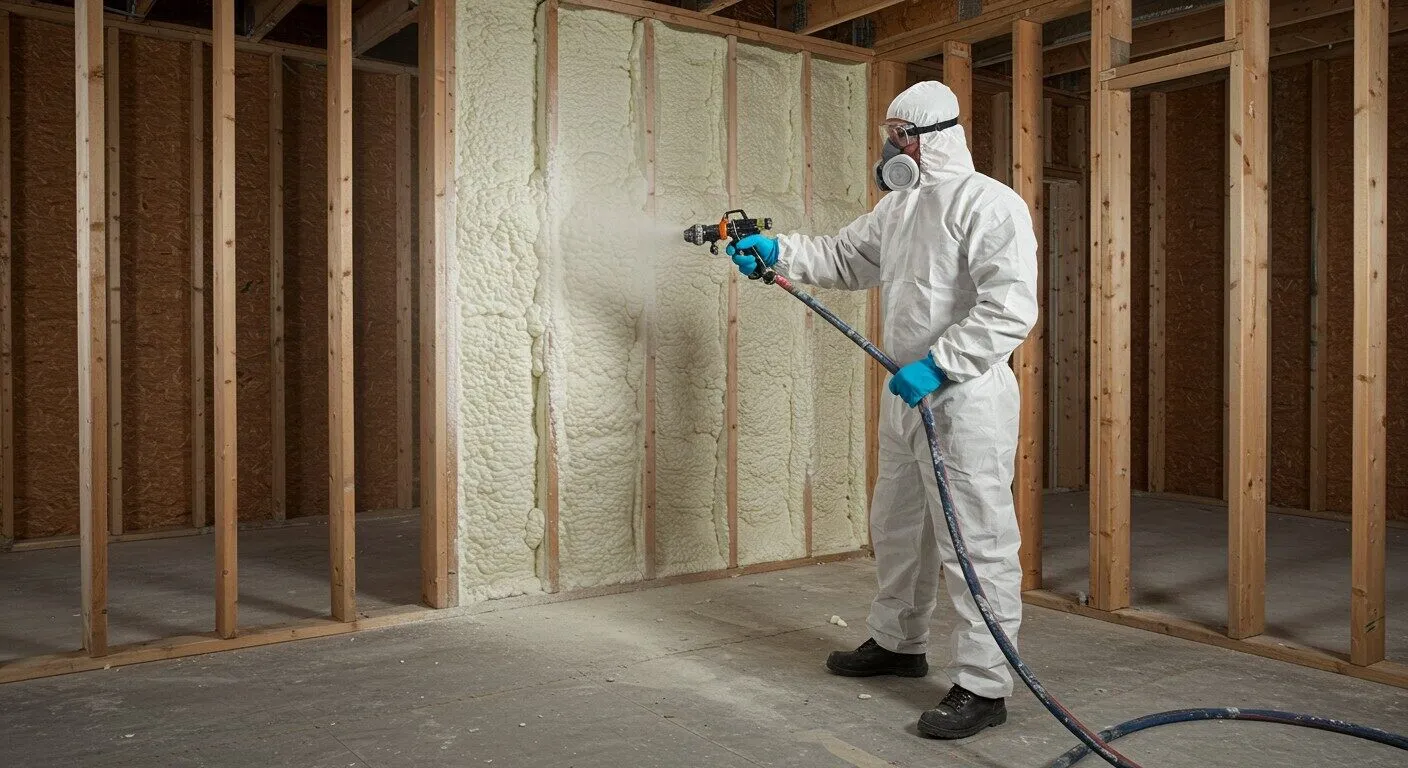
During a home renovation in Raleigh, NC, wall insulation is often removed or upgraded. If we open up the walls, the old material is usually removed to make way for better options. This phase allows us to fix hidden gaps and stop drafts that old materials could not handle.
Key Takeaways
- Renovations provide a rare chance to replace outdated fiberglass with spray foam.
- We can easily spot moisture damage once the drywall comes down.
- New insulation helps keep your home cooler during hot Raleigh summers.
Open Walls = Ideal Upgrade Opportunities
When we pull down drywall during a remodel, it exposes the skeleton of your house. We use this time to see how your current thermal barrier has aged over the years. This is the best moment to install products that will lower your power bills for decades.
According to the Department of Energy, adding insulation during a remodel is cost-effective because the labor for opening the walls is already done. We focus on sealing every small crack while the studs are visible. This prevents air from moving through your home, which is something old batts often fail to do.
Evaluation of Current Performance
We start by looking at how well your old materials have stayed in place. If the batts have sagged, they leave significant gaps at the top of your wall. These gaps act like chimneys, letting your expensive air escape.
Air Leak Detection
We search for dark spots on old fiberglass. These dark areas act as a filter for dust, showing exactly where air leaks into your home. We fix these leaks with foam to ensure a tight seal.
Thermal Bridge Checks
Wooden studs can carry heat from the outside to the inside. We look for ways to break this path by using closed-cell spray foam. This helps maintain a steady temperature in your living room or kitchen.
Code Compliance Standards
Raleigh building codes have changed over time. We ensure your new setup meets current local R-value requirements. This makes your home safer and more valuable if you ever decide to sell it.
Final Inspection Steps
Our team checks every corner before the new drywall goes up. We want to be sure no wires or pipes were missed during the spray process. This extra step ensures a long-lasting result for your family.
Process for Removing Old Insulation
We take great care when pulling out old, dusty materials. Old insulation often traps allergens, pet dander, and pests you do not want in your lungs. We bag everything up and move it out of your home safely.
A guide from Energy Star suggests that proper removal is the first step toward a healthy indoor environment. We use protective gear to keep the dust from spreading to other rooms in your house. This keeps your air clean while we work on your renovation.
Safety Gear and Preparation
We wear masks and suits to stay safe from old fibers. Our team seals off the work area with plastic sheets to protect your furniture. This prep work keeps the rest of your home livable during the project.
HEPA Vacuum Usage
Small particles can escape standard vacuums. We use industrial HEPA machines to suck up every bit of old cellulose or fiberglass dust. This leaves your wall insulation cavities clean and ready for new foam.
Debris Containment
We do not leave bags of old trash sitting around your property. We load everything into our trucks and haul it away immediately. Keeping a clean site is part of our professional standard at Raleigh Excel Spray Foam Insulation.
Insulation Comparison Table
| Material | State During Reno | Typical Performance | Best Action |
|---|---|---|---|
| Fiberglass Batts | Often Saggy | Low Air Sealing | Replace with Foam |
| Cellulose Fill | Usually Settled | Moderate Sealing | Top Off or Replace |
| Spray Foam | Remains Stable | High Air Sealing | Keep and Patch |
| Rockwool | Mostly Intact | High Fire Resistance | Add Foam Layer |
Management of Moisture Issues
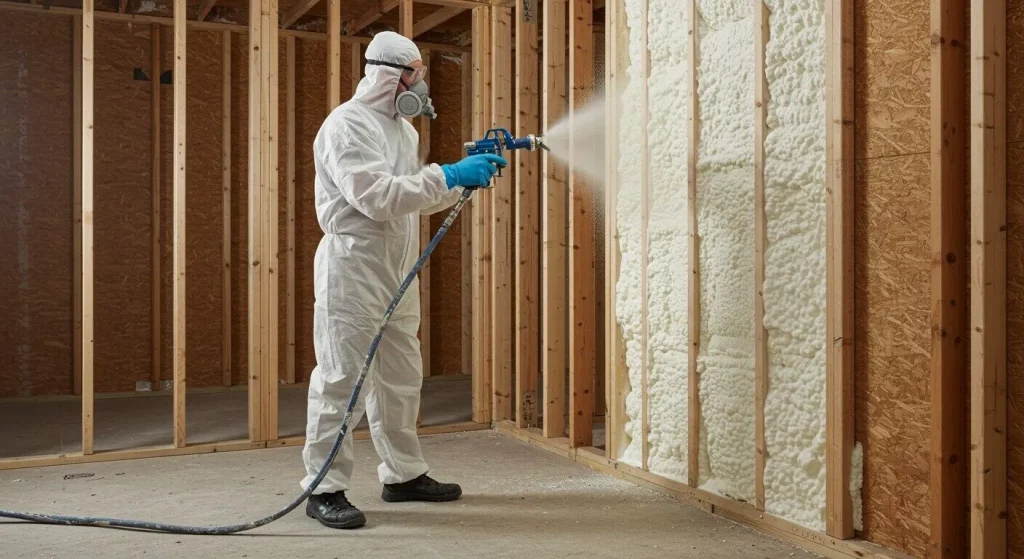
Raleigh has high humidity, especially during the summer months. We often find damp spots or mold hidden behind old insulation during a renovation. If we find water damage, we stop and help you locate the source of the leak before proceeding.
Data from the Building Science Corporation shows that moisture in wall cavities leads to structural decay over time. We use closed-cell foam to provide a vapor barrier in these tricky spots. This prevents water from condensing inside your walls and causing rot.
Professional Help in Raleigh
Our team is here to help you get the most out of your home remodel. We understand the local climate and how to make your house feel like a sanctuary. You can contact us at [email protected] to discuss your project.
If you are ready to start, call us at (919) 301-9435. We can walk through your renovation site and give you a clear plan for your walls. Let us help you make your home more comfortable.
Questions About Wall Insulation
Is it worth adding insulation to walls?
Yes, adding insulation is worth the cost because walls make up a large portion of your home’s exterior. Better insulation reduces the workload on your air conditioner. This leads to lower monthly bills and a longer life for your HVAC unit.
Can insulation be added to existing walls?
We can add insulation to existing walls without a full renovation. We use a method called injection foam. We drill small holes in the siding, fill the cavity, and then patch the holes. However, if you are already renovating, spray foam for open walls is the most effective choice.
What type of insulation is best for walls?
Spray foam is generally the best option for walls in Raleigh. It provides a high R-value while sealing air leaks. This is especially helpful in our humid climate. It stays in place and does not sag like fiberglass batts.
What is the cheapest way to insulate walls?
Fiberglass batts are the least expensive option. However, they do not stop air flow. You might save money on the install, but you will pay more in energy costs later. We often suggest a “flash and batt” method to balance cost and performance.
What is the downside to cavity wall insulation?
The main downside occurs if the installation is done poorly. Gaps in the material can lead to cold spots and condensation. According to InterNACHI, improper sealing can trap moisture against wooden studs. We prevent this by ensuring a total seal during the application.
Sources
- Department of Energy – Information on home energy audits and insulation upgrades.
- Energy Star – Guidelines for sealing and insulating existing homes.
- Building Science Corporation – Technical research on moisture management and wall cavities.