


Proper seasonal insulation preparation can reduce your energy bills by up to 20% while maintaining consistent indoor comfort year-round. The key is understanding that different seasons require different insulation strategies: winter focuses on heat retention, while summer emphasizes heat rejection. Effective insulation works year-round when properly installed and maintained, creating a thermal barrier that keeps your home stable regardless of outdoor temperature extremes.
This guide provides practical, season-specific insulation advice based on building science principles and real-world performance data. The information comes from extensive experience with residential insulation projects across varying climate conditions, ensuring these tips work for most home types and regional variations.
Winter Insulation Preparation
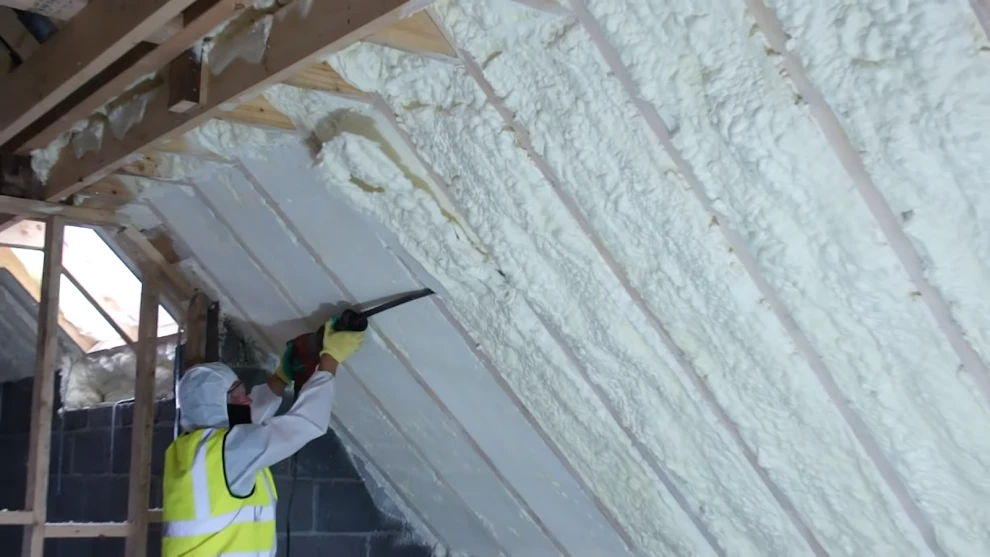
Cold weather demands maximum heat retention through strategic insulation improvements. Your attic should be the first priority since heat rises and can escape through insufficient ceiling insulation. Aim for at least R-49 insulation in colder climates, which typically means 16-20 inches of fiberglass or cellulose. Gaps around attic access panels, recessed lighting, and ventilation fans should be sealed with spray foam or caulk to prevent heat loss.
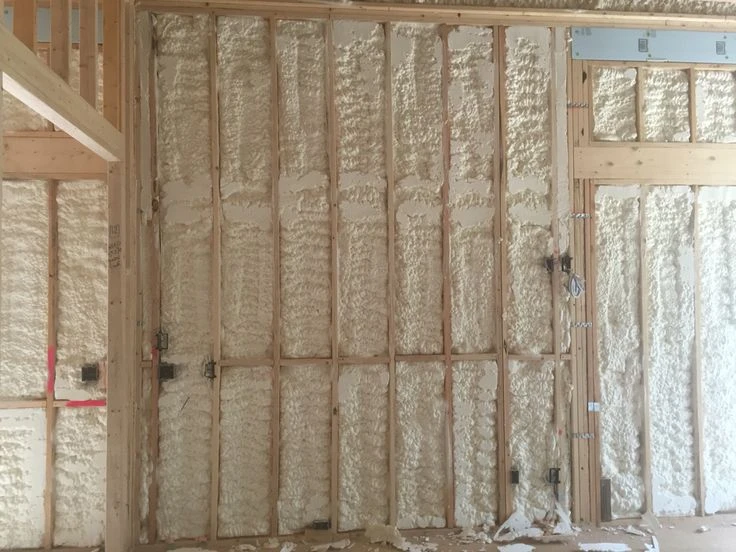
Exterior walls need attention too, especially in older homes with minimal cavity insulation. Blown-in insulation can be added to existing wall cavities without major renovation, significantly reducing heat transfer. Windows and doors represent another major heat-loss source – installing thermal curtains and weatherstripping around movable parts can cut heat loss by up to 25%, according to research from the U.S. Department of Energy.
Bonus Tip: Before winter hits, conduct a thermal inspection with an infrared thermometer or hire a professional to identify hidden heat-loss spots. These areas often go unnoticed but can account for substantial energy waste.
Summer Cooling Strategies
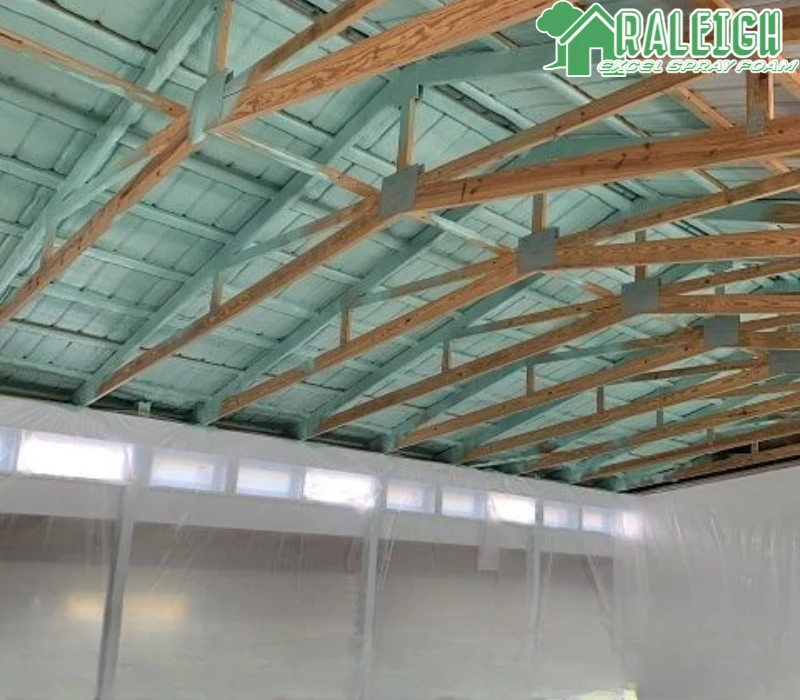
Summer insulation focuses on preventing heat gain rather than retaining heat. Your attic becomes the primary defense against solar radiation, which can raise roof temperatures to over 150°F. Radiant barriers installed under rafters can reduce attic temperatures by up to 30%, directly impacting your cooling load. Proper attic ventilation works alongside insulation – ridge and soffit vents create continuous airflow that removes trapped heat.
Wall insulation remains important in summer but works differently than in winter. Dense-packed insulation materials with higher thermal mass help delay heat transfer through walls, keeping indoor spaces cooler during peak afternoon temperatures. East and west-facing windows benefit most from external shading solutions like awnings or deciduous trees that block summer sun while allowing winter light penetration.
Spring and Fall Transition Periods
Mild seasons present perfect opportunities for insulation upgrades when temperatures are moderate, and HVAC systems run less frequently. These transition periods allow you to assess insulation performance without extreme weather influencing your comfort perception or energy bills. Spring is ideal for addressing moisture issues that may have developed during winter, while fall allows you to prepare before winter’s arrival.
During these seasons, focus on air sealing between conditioned and unconditioned spaces. The stack effect becomes more pronounced during temperature transitions, creating pressure differences that drive air exchange through gaps and cracks. Use foam sealant around plumbing, electrical, and HVAC penetrations where they pass through floors or ceilings. Rim joists in basements and crawl spaces often need additional sealing and insulation.
Seasonal Insulation Maintenance Checklist
| Season | Priority Areas | Recommended R-Values | Key Actions |
|---|---|---|---|
| Winter | Attic, walls, windows/doors | Attic: R-49, Walls: R-15 | Seal gaps, add insulation, and install thermal curtains |
| Summer | Attic, west/east walls | Attic: R-49 with radiant barrier | Install radiant barriers, improve ventilation, and add shading |
| Spring | Air sealing, moisture control | Varies by location | Seal penetrations, check for water damage, and assess ventilation |
| Fall | Preparation for winter | Match winter requirements | Final air sealing, insulation top-ups, HVAC system check |
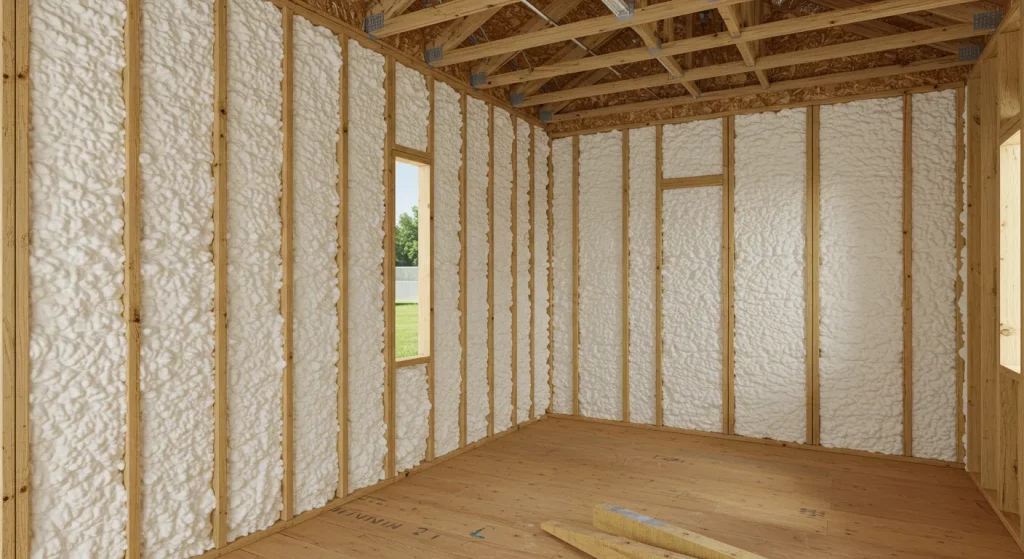
Things to Consider Before Making a Decision
Climate zone plays a fundamental role in determining your insulation needs. Homes in the Southeast face different challenges than those in the Northeast, with humidity control becoming as important as temperature management in some regions. According to the International Energy Conservation Code, recommended insulation values vary significantly by location, so check local requirements before starting projects.
Existing construction type influences your approach as well. Older homes with balloon framing have different air leakage patterns than modern platform-framed houses. Masonry construction requires different insulation strategies than wood-frame buildings. Consider the age and condition of your current insulation – compressed or moisture-damaged insulation loses effectiveness and may need replacement rather than addition.
Budget constraints should guide prioritization. Focus first on areas with the highest return on investment, typically attic air sealing and insulation. These improvements often pay for themselves within 2-3 years through energy savings, according to data from the Environmental Protection Agency.
Bonus Tip: Many utility companies offer free or discounted energy audits that include insulation assessments and may provide rebates for qualifying improvements.
Bonus Tip: When adding insulation over existing layers, ensure the materials are compatible. For example, closed-cell spray foam can be installed over fiberglass, but some combinations may create moisture problems.
Frequently Asked Questions
Is spray foam insulation worth the extra cost?
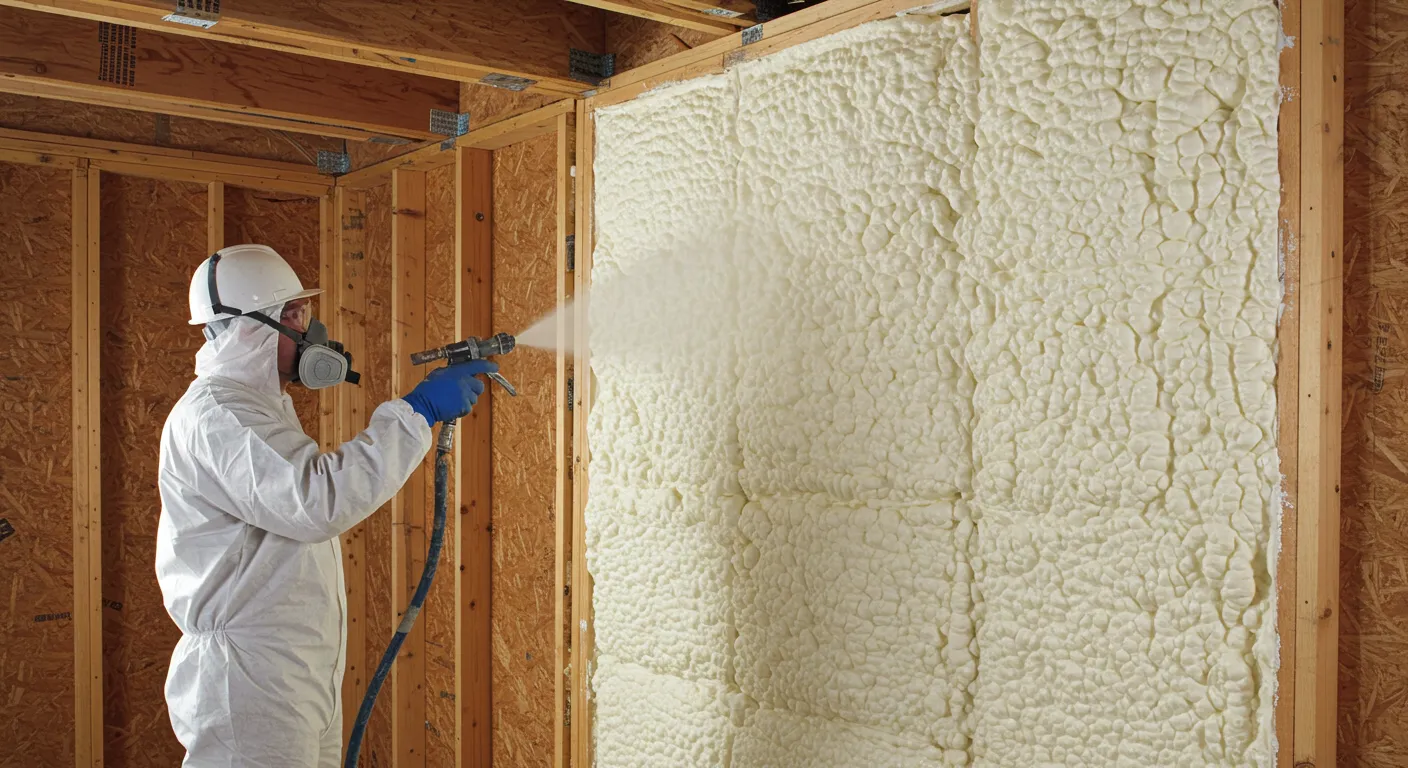
Spray foam provides superior air sealing and higher R-values per inch compared to traditional materials. While installation costs run 2-3 times higher than fiberglass, the energy savings often justify the investment, especially in extreme climates.
How can I tell if my home needs more insulation?
Rising energy bills, uneven room temperatures, ice dams on the roof, and drafts around windows indicate insufficient insulation. You can also visually inspect insulation depth in accessible areas like attics.
What’s the most cost-effective insulation upgrade?
Attic insulation typically offers the best return on investment, often reducing heating and cooling costs by 10-50% depending on the starting condition. Air sealing gaps and cracks before adding insulation maximizes effectiveness.
Should I remove old insulation before adding new?
Intact, dry insulation can remain in place with new material added on top. However, remove any insulation contaminated with mold, pests, or significant moisture damage.
How long does insulation installation take?
Most attic insulation projects are completed in 1-2 days. Wall insulation in existing homes takes longer because it requires drilling holes for blown-in insulation. Simple air sealing can often be done in a few hours.
Key Takeaways
Seasonal insulation management requires understanding how heat transfer changes throughout the year. Winter needs to focus on preventing heat escape through comprehensive air sealing and adequate attic insulation. Summer demands attention to radiant heat gain and ventilation. Spring and fall offer ideal timing for assessments and improvements.
The most effective approach combines proper insulation levels with air sealing and appropriate ventilation for your climate. Start with an energy audit to identify specific needs, prioritize improvements based on cost-effectiveness, and consider long-term benefits over initial expenses. Quality installation matters as much as material choice – even the best insulation performs poorly when installed incorrectly.
Need a Professional Insulation Assessment?
For a thorough evaluation of your home’s insulation needs, contact Raleigh Excel Spray Foam Insulation at [email protected] or call (919) 301-9435. Their team can identify seasonal-specific improvements that will maximize your comfort and energy efficiency throughout 2026 and beyond.
Sources
- U.S. Department of Energy – Official guidance on home insulation requirements and energy-saving potential
- Environmental Protection Agency – Energy Star program data on insulation savings and return on investment calculations
- International Energy Conservation Code – Climate-specific insulation requirements and building science standards