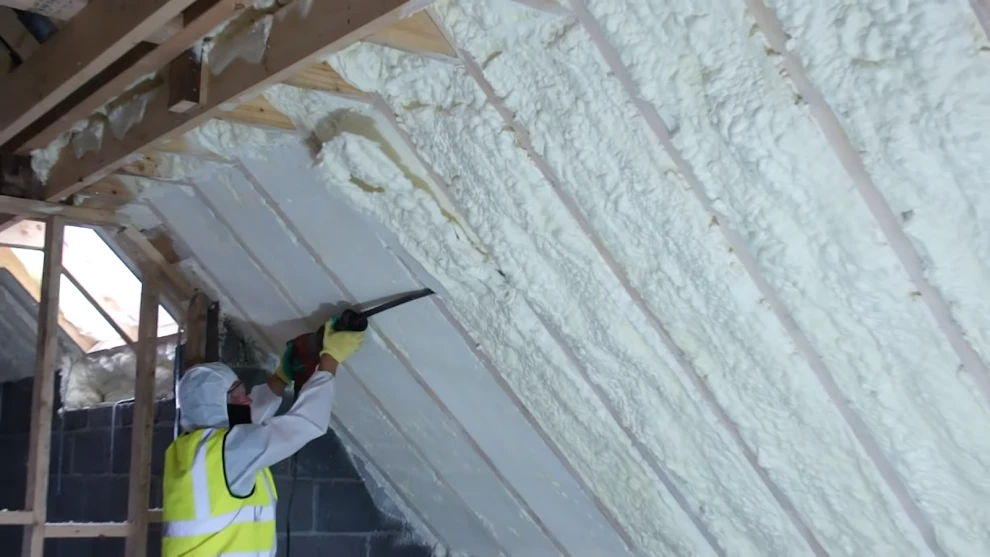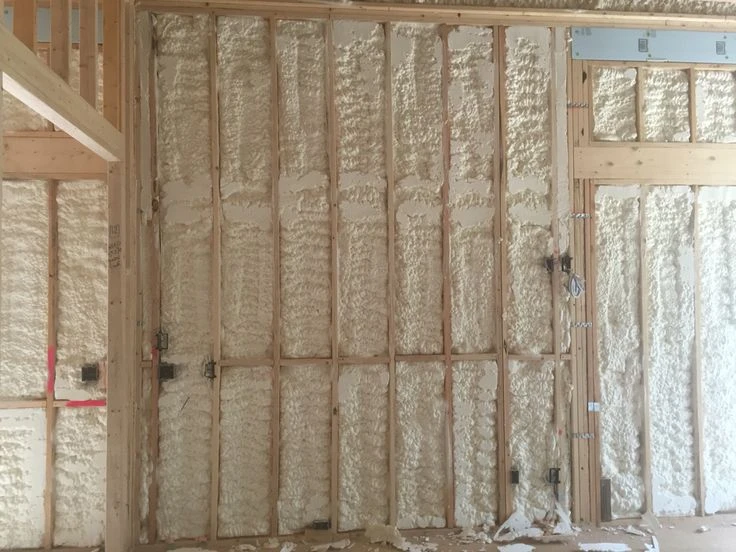



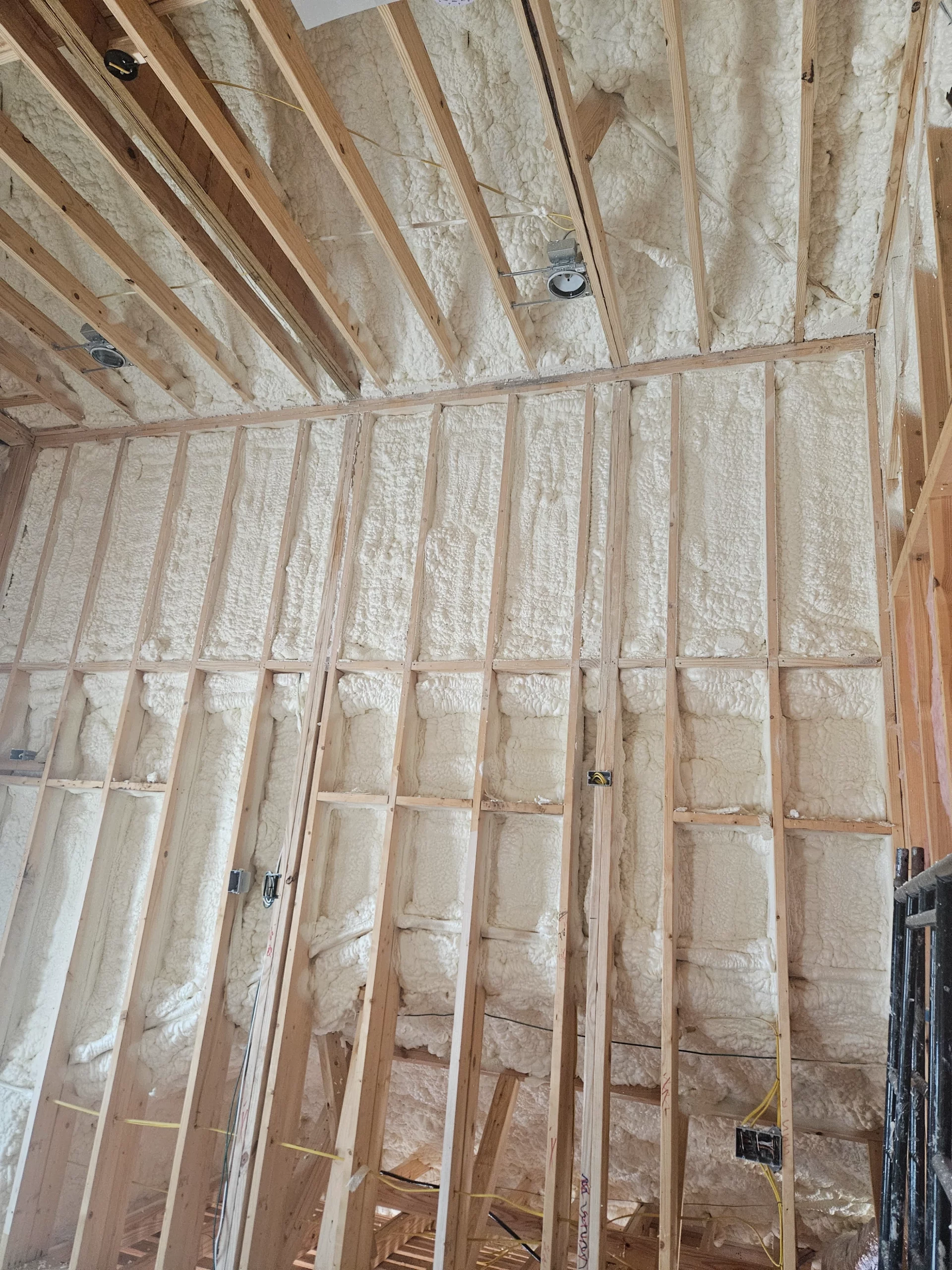
Open-cell spray foam insulation significantly reduces indoor allergy symptoms by creating an effective air seal that blocks outdoor pollutants, pollen, and dust from entering the home. While it does not cure allergies, its ability to expand and fill gaps prevents airflow that carries allergens into the house, making it far superior to traditional fiberglass insulation for maintaining high indoor air quality. For homeowners in Morrisville, NC, this air-sealing property addresses the specific challenge of high seasonal pollen counts and humidity-driven mold concerns.
This article explains how open-cell foam serves as a barrier against allergens, compares its performance with other insulation types, and outlines key considerations for installation. With years of experience addressing building envelopes in North Carolina, the following information relies on building science principles to help homeowners make informed decisions about their indoor environment.
How Air Sealing Blocks Allergens
Most allergens enter homes through small cracks, gaps, and holes in the building envelope. This phenomenon often results from the “stack effect,” in which warm air rises and escapes through the attic, pulling in unconditioned, allergen-rich air from the crawl space or exterior walls. Traditional insulation materials like fiberglass batt do not stop this airflow; they merely filter it, often trapping dust and becoming a source of allergens themselves over time.
Open-cell spray foam expands up to 100 times its original size upon application. This expansion allows it to fill crevices around wiring, plumbing penetrations, and framing irregularities that rigid board or fiberglass cannot reach. By sealing these entry points, the home stops “breathing” in contaminated outdoor air. According to the Department of Energy, properly sealing air leaks with insulation is a primary method for controlling ventilation and improving indoor air quality.
The Problem with Old Insulation
Existing fiberglass or cellulose insulation often acts as a sponge for dust, rodent waste, and old pollen. When air moves through these materials, it disturbs these particles and circulates them into the living space. Removing old, contaminated insulation before applying spray foam is often the single most impactful step for immediate allergy relief.
Comparing Insulation Types for Allergy Relief
Choosing the right material requires understanding how different insulations interact with moisture and air. The table below outlines how common insulation types in Morrisville homes perform in terms of allergen control.
| Feature | Open-Cell Spray Foam | Closed-Cell Spray Foam | Fiberglass Batt | Cellulose |
|---|---|---|---|---|
| Air Sealing | Excellent (Expands to fill gaps) | Superior (Water & air barrier) | Poor (Air flows through) | Fair (Densely packed) |
| Moisture Permeability | High (Breathable) | Low (Vapor barrier) | High | High (Absorbs moisture) |
| Mold Resistance | Good (Inorganic material) | Excellent (Inorganic & impermeable) | Poor (Traps dust/mold food) | Fair (Treated with borates) |
| Pollen Blocking | High | High | Low | Moderate |
| Cost | Moderate | High | Low | Low/Moderate |
Moisture Management and Mold Prevention
Mold is a leading trigger for allergy and asthma sufferers. The Asthma and Allergy Foundation of America states that dampness and humidity are primary conditions that promote mold growth. Morrisville experiences high humidity levels throughout the summer, making moisture control a priority.
Open-cell foam is vapor-permeable, meaning it allows moisture vapor to pass through it. This “breathability” can be beneficial in an attic assembly, as it provides the roof deck to dry out if it gets wet. However, because open-cell foam does not block moisture vapor entirely, installers must ensure the attic is conditioned or semi-conditioned to prevent high humidity buildup. If the attic humidity remains too high, the wood framing can absorb moisture, potentially leading to mold growth.
Bonus Tip: Install a humidity monitor in the attic space after spray foam installation in Morrisville, NC. Keeping relative humidity below 60% ensures that the environment remains hostile to dust mites and mold spores.
Things to Consider Before Making a Decision
Homeowners must weigh several factors beyond just R-value when considering spray foam for health reasons.
Fresh Air Ventilation
Because spray foam creates such a tight seal, the home may stop exchanging air naturally. While this keeps allergens out, it also keeps indoor pollutants (like cooking fumes or CO2) in. A mechanical ventilation system, such as an Energy Recovery Ventilator (ERV), becomes necessary in many cases. This equipment brings in fresh, filtered air while exhausting stale air, ensuring the indoor environment remains healthy without allowing unfiltered pollen to enter.
Chemical Sensitivity
During the application process, spray foam releases off-gassing fumes. Manufacturers specify a “re-entry time,” typically 24 to 48 hours, during which occupants must vacate the home. Individuals with severe chemical sensitivities should review the Safety Data Sheet (SDS) for the specific product being used and may plan for a longer vacancy period to ensure complete safety.
HVAC System Sizing
An air-sealed home requires less energy to heat and cool. If the existing HVAC system is oversized, it will cycle on and off too quickly (short-cycling). This prevents the system from running long enough to properly dehumidify the air. High indoor humidity can bring back the mold issues the insulation was meant to solve.
Market Data on Indoor Air Quality
The impact of indoor air quality on health is well-documented. A report by the Environmental Protection Agency indicates that indoor levels of pollutants may be two to five times higher than outdoor levels. For Morrisville residents, where the pine pollen season coats everything in yellow dust, the ability to control the building envelope is the first line of defense against these elevated outdoor pollutant levels.

Addressing Morrisville’s Climate Challenges
Morrisville falls within a humid subtropical climate zone. The summers bring heavy moisture loads, while winters can be dry. Open-cell foam works well here because it remains flexible. Wood framing expands and contracts with temperature changes; open-cell foam moves with the wood, maintaining the air seal without cracking.
In contrast, rigid materials might separate from the framing over time, reopening gaps for allergens to enter. The flexibility of open-cell foam ensures long-term performance against pollen infiltration during the notorious North Carolina spring.
Bonus Tip: Ensure the installer seals the “rim joist,” the area where the house frame meets the foundation. This is a common entry point for both moisture and pests that carry allergens.
Conclusion
Open-cell spray foam in Morrisville, NC helps alleviate allergy symptoms in Morrisville homes by establishing a robust air barrier that blocks pollen, dust, and outdoor humidity. While it requires careful consideration regarding ventilation and humidity management, the result is a cleaner, more controlled indoor environment. Homeowners should evaluate the condition of their current insulation and consult with building performance experts to determine whether an air-sealing strategy aligns with their health goals.
Contact Raleigh Excel Spray Foam Insulation
For residents in Morrisville and the surrounding Triangle area looking to improve their home’s air seal and indoor air quality, Raleigh Excel Spray Foam Insulation offers professional assessments and installation services.
Phone: (919) 301-9435. Email: [email protected]
Frequently Asked Questions
Can spray foam completely cure my indoor allergies?
No insulation can cure allergies. However, by sealing the home against outdoor pollen and dust, spray foam significantly reduces the “load” on the immune system, often leading to a noticeable reduction in symptoms for occupants.
Is open-cell foam safe for people with asthma?
Yes, once fully cured. The air-sealing properties generally improve the lives of asthmatics by keeping triggers like mold spores and dust mites out. Always observe the recommended re-entry times during installation to avoid irritation from uncured chemicals.
Does open-cell foam trap moisture in the roof?
Open-cell foam is vapor-permeable, allowing moisture to dry in both directions. In Morrisville’s climate, this is generally safe for roof decks, provided the attic space is part of the conditioned envelope or properly ventilated.
How long does the chemical smell last?
Most odors dissipate within 24 to 48 hours with proper ventilation. If a smell persists, it may indicate an installation issue, such as off-ratio mixing, which requires a professional inspection.
Will I need to upgrade my bathroom fans?
Since the house will be tighter, spot ventilation becomes more important. Ensure bathroom fans vent directly to the outside, not into the attic, to remove humid air at the source.
Sources
- Department of Energy – Provides comprehensive data on how insulation types affect air sealing and ventilation control.
- Asthma and Allergy Foundation of America – detailed statistics and information regarding mold as a primary allergen and the conditions that foster its growth.
- Environmental Protection Agency – Reports on the comparison between indoor and outdoor pollutant levels and the importance of IAQ.