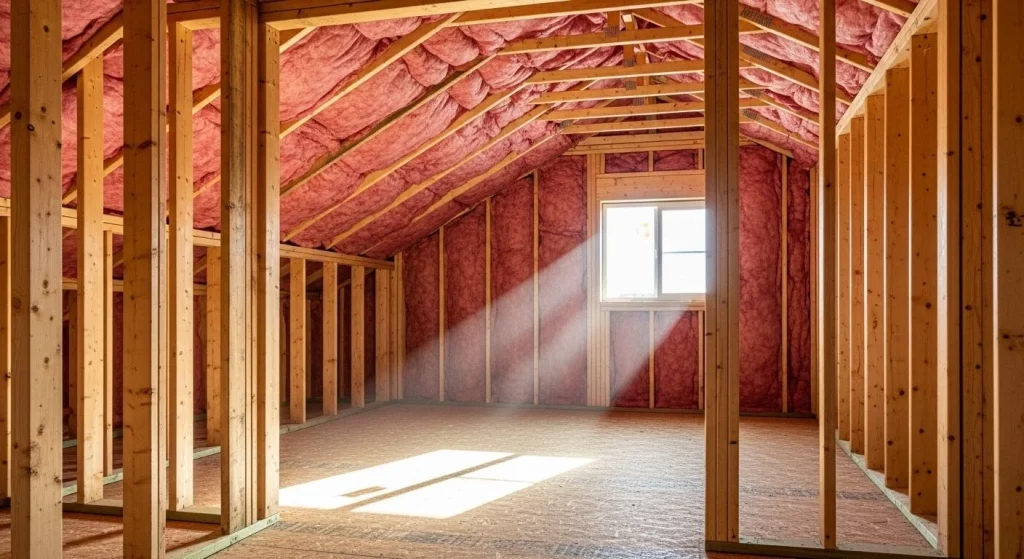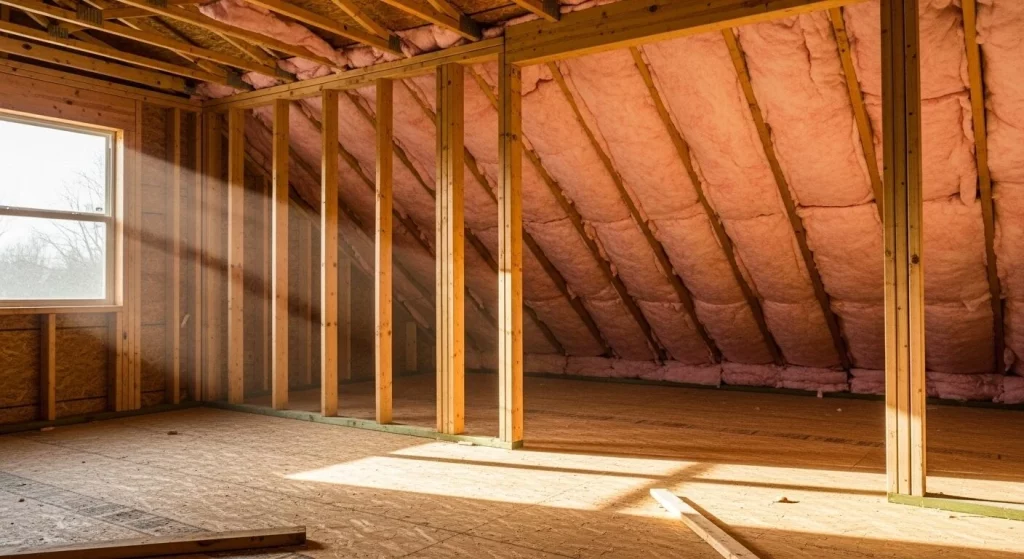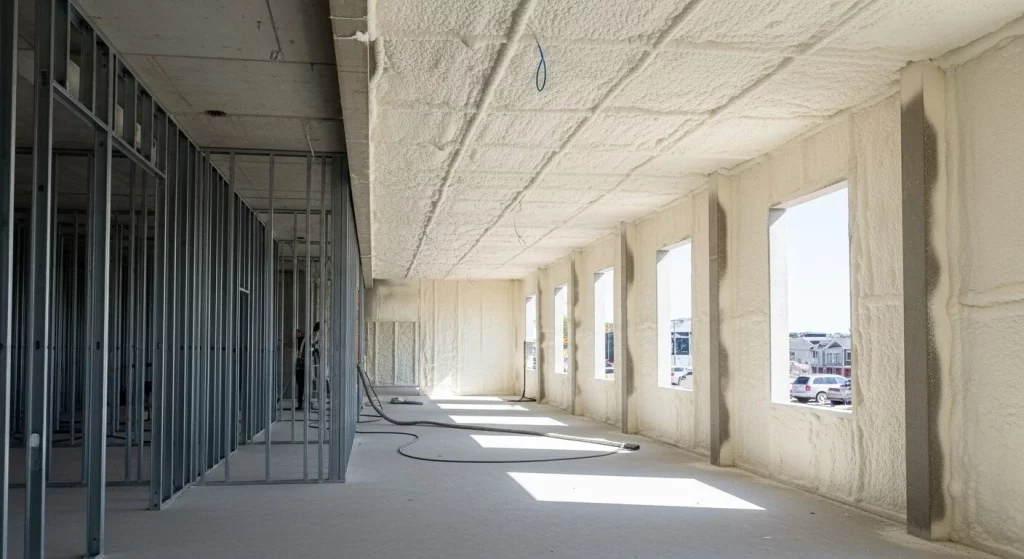



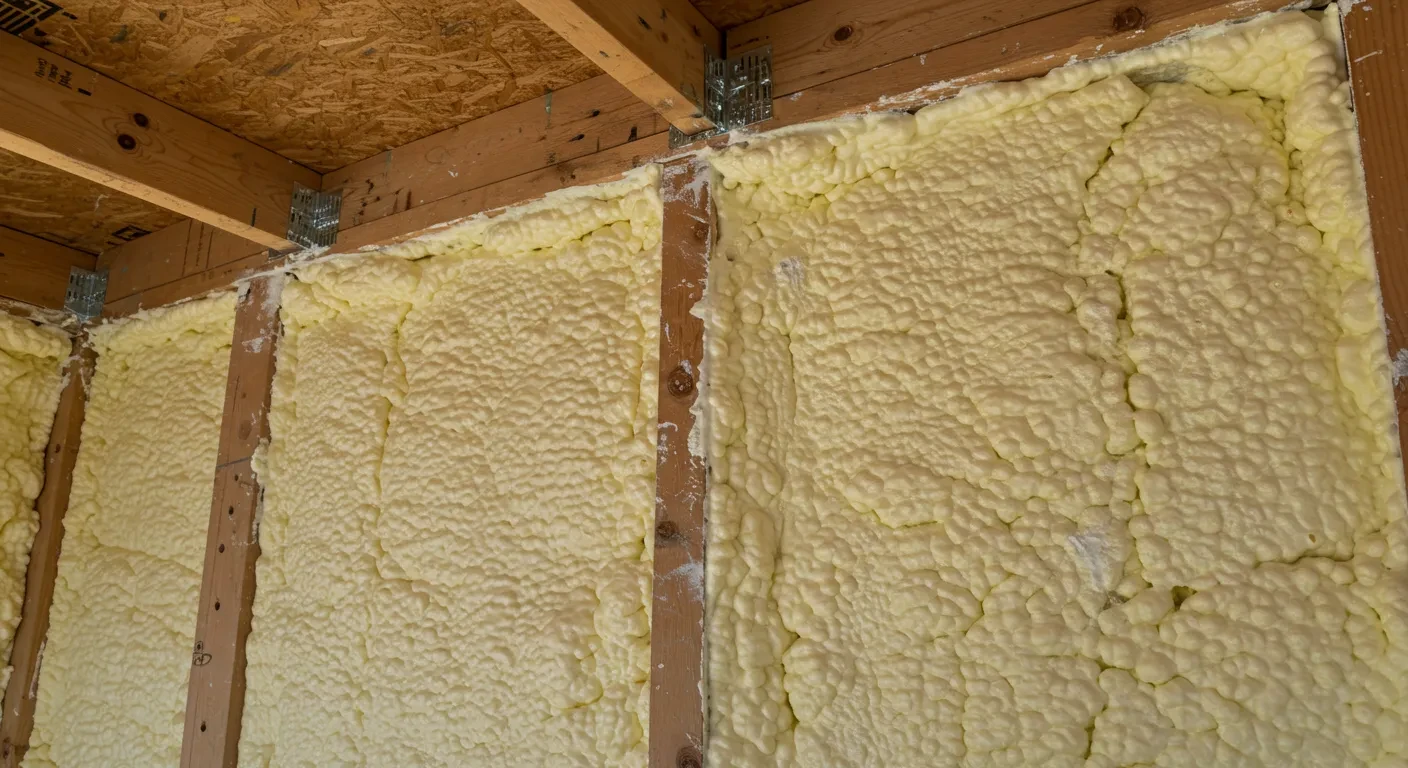
Open-cell spray foam insulation is one of the most effective ways for Raleigh homeowners to reduce energy bills, improve indoor comfort, and seal the air leaks that drive up heating and cooling costs. With an R-value of approximately 3.7 per inch, open-cell spray foam expands to fill gaps and cavities completely, creating a continuous air barrier that traditional insulation materials like fiberglass and cellulose simply cannot match. For homes in Raleigh’s Climate Zone 3A, where hot, humid summers and cool winters demand both thermal resistance and moisture management, open-cell spray foam delivers measurable energy savings of up to 15% on heating and cooling costs when combined with proper air sealing, according to the EPA’s ENERGY STAR program.
TLDR / Key Takeaways
- Open-cell spray foam delivers an R-value of approximately 3.7 per inch and expands up to 100 times its original volume to seal every gap and crack in wall cavities, crawl spaces, and attics.
- The U.S. Department of Energy reports that 43% of a home utility bill goes directly to heating and cooling, making insulation upgrades one of the highest-impact investments a homeowner can make.
- Raleigh falls within Climate Zone 3A, which requires minimum R-49 ceiling insulation and R-20 wall insulation under current energy codes, targets that spray foam can help meet more efficiently than batt insulation.
- Open-cell foam is significantly more affordable than closed-cell foam, typically costing 30 to 50% less per inch of installed thickness, while still providing a superior air seal.
- ENERGY STAR estimates that homeowners can save an average of 15% on heating and cooling costs by adding insulation and sealing air leaks throughout the home.
- Open-cell spray foam also provides excellent sound dampening, reducing airborne noise transmission by up to 80%, which makes it especially valuable for homes near busy roads or in dense neighborhoods.
- Proper installation by a certified contractor is essential, because even small gaps in coverage can reduce overall insulation performance by 25% or more.
Why Raleigh Homeowners Face Rising Energy Bills
Raleigh, North Carolina, sits squarely in Climate Zone 3A, a mixed-humid region characterized by long, hot summers with high humidity and winters that regularly dip below freezing. According to the North Carolina Department of Environmental Quality, the state categorizes the central Piedmont region, including Wake County, as requiring substantial insulation performance across attics, walls, and crawl spaces.
The problem for most Raleigh homeowners is not that their homes lack insulation entirely. The real issue is that the insulation they have is either outdated, poorly installed, or made from materials that do not create an effective air barrier. Fiberglass batts, which remain the most common insulation in existing homes, leave gaps around studs, pipes, electrical boxes, and light fixtures. These small air leaks add up fast. The DOE’s Energy Saver program notes that air leakage accounts for 25 to 40% of the energy used for heating and cooling in a typical home. That means a significant portion of every utility dollar is literally escaping through walls, attics, and crawl spaces.
| Common Insulation Issue | Estimated Energy Loss | Impact on Comfort |
|---|---|---|
| Air leaks around windows and doors | 10 to 15% | Drafty rooms, uneven temps |
| Unsealed attic penetrations | 15 to 25% | Hot ceilings in summer, cold in winter |
| Inadequate crawl space insulation | 10 to 20% | Cold floors, higher humidity |
| Gaps in fiberglass batt coverage | 5 to 15% | Hot and cold spots throughout home |
When combined, these deficiencies can push a typical Raleigh home’s energy consumption well above what new construction standards require. Many homes built before 2000 have attic insulation rated at R-19 or less, well below the current North Carolina energy code requirement of R-49 for new residential construction.
Open-Cell vs. Closed-Cell Spray Foam: What Raleigh Homes Actually Need
When homeowners start researching spray foam insulation, the first question they encounter is whether to choose open-cell or closed-cell foam. Both products are applied as a liquid that expands and cures into a solid foam, but they perform very differently. According to Johns Manville’s building science research, closed-cell spray foam has an R-value of approximately R-7 per inch, while open-cell spray foam comes in at roughly R-3.8 per inch.
That comparison might make closed-cell foam seem like the obvious choice, but for Raleigh’s climate and typical home construction, open-cell foam is often the smarter, more cost-effective option. Here is why:
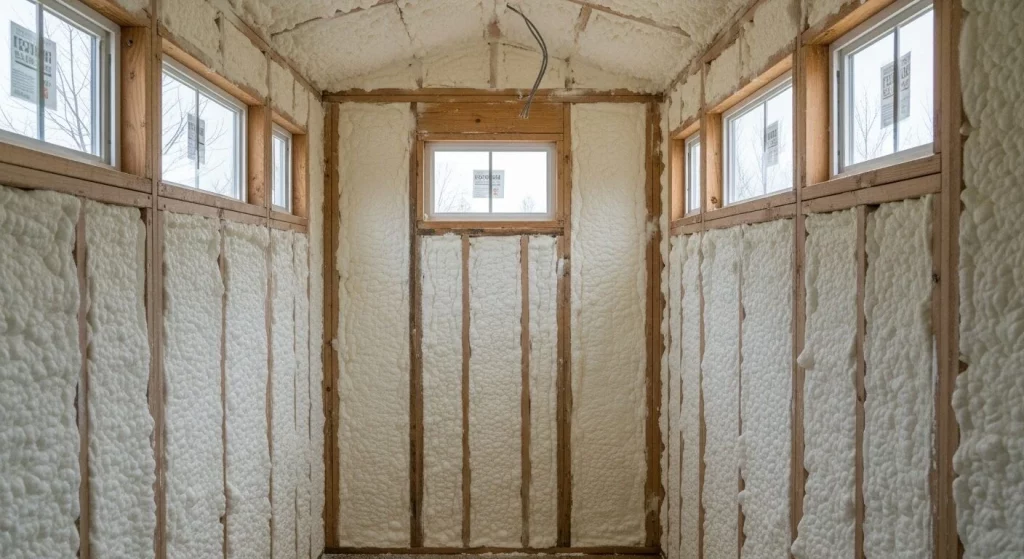
Open-cell spray foam expands dramatically, up to 100 times its volume at application, which allows it to fill wall cavities, tight corners, and irregular spaces that other insulation types cannot reach. This massive expansion creates a seamless air seal, which is the single most important factor in reducing energy waste. According to the Spray Polyurethane Foam Alliance, the EPA estimates that adding insulation and sealing air leaks can save homeowners up to 20% on total energy costs.
| Feature | Open-Cell Spray Foam | Closed-Cell Spray Foam | Fiberglass Batts |
|---|---|---|---|
| R-Value per Inch | ~3.7 | ~6.5 to 7.0 | 2.2 to 2.9 |
| Air Barrier | Yes (continuous seal) | Yes (continuous seal) | No (gaps and settling) |
| Moisture Barrier | Vapor permeable | Vapor impermeable | No barrier |
| Sound Dampening | Excellent | Good | Fair |
| Expansion Rate | Up to 100x | Up to 30x | N/A |
| Typical Cost per Board Foot | Lower | Higher | Lowest |
Closed-cell foam has its place, particularly in basements, crawl space rim joists, and metal buildings where a vapor barrier and structural rigidity are needed. But for attics, wall cavities, and crawl space ceilings in Raleigh homes, open-cell foam delivers the air sealing and sound-dampening benefits at a significantly lower installed cost.
How Open-Cell Spray Foam Reduces Energy Bills
The energy savings from open-cell spray foam come from three primary mechanisms working together.
First, it eliminates air leakage. When open-cell foam is sprayed into an attic, wall cavity, or crawl space, it expands to fill every void, crack, and penetration. This means conditioned air from your HVAC system stays inside the living space instead of escaping through gaps around recessed lights, plumbing stacks, electrical conduits, and framing connections.
Second, it provides consistent thermal resistance. Unlike fiberglass batts that can sag, settle, or be compressed during installation, open-cell spray foam adheres to the surrounding surfaces and maintains its R-value over time. It does not shrink, settle, or degrade with age, which means the insulation performance you get on day one is the performance you get years later.
Third, it improves HVAC efficiency. When a home is properly air-sealed with spray foam, the heating and cooling system does not have to work as hard to maintain the thermostat setpoint. This reduces run times, extends equipment life, and can even allow homeowners to downsize to a smaller, less expensive HVAC system during replacements.
The EPA’s ENERGY STAR methodology estimates that air sealing combined with attic insulation improvements alone can save homeowners an average of 15% on heating and cooling costs. When walls and crawl spaces are also treated with spray foam, those savings can increase further.
Factors That Affect Open-Cell Spray Foam Performance
Several variables determine how well open-cell spray foam performs in a specific Raleigh home.
Climate Zone Classification: Raleigh is in Climate Zone 3A under the International Energy Conservation Code. Homes in this zone need different insulation strategies than homes in northern or far southern climates. The local building code requirements call for minimum R-49 in attics and R-20 in walls for new construction.
Installed Thickness: Because open-cell foam has a lower R-value per inch than closed-cell foam, achieving high total R-values requires greater installed thickness. For example, reaching R-38 in an attic with open-cell foam requires approximately 10 inches of applied material, compared to roughly 5.5 inches of closed-cell foam.
Installation Quality: The skill of the installation crew matters enormously. Improper mixing, incorrect application temperatures, or insufficient thickness in any area will compromise the entire insulation system. This is why working with an experienced, certified contractor is non-negotiable.
Building Age and Construction Type: Older Raleigh homes with balloon framing, uninsulated headers, or vented crawl spaces may require additional air sealing measures beyond spray foam alone. Newer homes with 2×6 framing can achieve higher wall R-values within the same cavity depth.
Vapor Diffusion Considerations: Open-cell spray foam is vapor permeable, which means moisture can pass through it slowly. In Raleigh’s humid climate, this is actually an advantage in many applications because it allows trapped moisture to dry out rather than becoming trapped against building materials.
Real-World Scenarios: How Raleigh Homeowners Benefit
These examples illustrate typical situations where open-cell spray foam insulation solves real problems for Raleigh area homeowners.
| Scenario | Home Type | Problem | Solution | Outcome |
|---|---|---|---|---|
| Attic upgrade | 1995 two-story, North Raleigh | Summer cooling costs over $280/month, hot upstairs bedrooms | 10 inches open-cell foam on attic floor, air sealing all penetrations | Cooling costs dropped to $170/month within first summer |
| Crawl space encapsulation | 1980s ranch, Garner | Cold floors in winter, high humidity, musty smell | 6 inches open-cell foam on crawl space ceiling, sealed vents | Floor temps increased 10 degrees, humidity dropped below 50% |
| New construction walls | Custom build, Cary | Builder wanted high-performance envelope within budget | 5.5 inches open-cell foam in all 2×6 wall cavities | Achieved R-20+ walls with continuous air seal, passed energy code easily |
| Renovation addition | 1970s split-level, Apex | New sunroom addition was unusable in summer | Open-cell foam in vaulted ceiling and walls | Sunroom stayed within 5 degrees of main house year-round |
Actionable Strategies for Raleigh Homeowners Considering Spray Foam
If you are evaluating whether open-cell spray foam insulation is right for your Raleigh home, here are concrete steps to take.
1. Get a professional energy audit first. Before spending money on insulation, schedule a home energy audit through your utility provider or a certified energy auditor. This will identify exactly where your home is losing energy and prioritize the areas with the highest return on investment. Many Raleigh-area utilities offer discounted or even free audit programs.
2. Prioritize the attic. The attic is almost always the single largest source of energy loss in a Raleigh home. Hot attic air in summer radiates down into living spaces, forcing your air conditioner to run continuously. Treating the attic first delivers the fastest payback and most noticeable comfort improvement.
3. Address crawl spaces and basements next. After the attic, the crawl space or basement is the next highest-impact area. Unconditioned crawl spaces allow outside air, humidity, and pests direct access to the underside of your floor system. Open-cell spray foam applied to the crawl space ceiling creates an insulated, conditioned floor above.
4. Consider wall cavities during renovations. Upgrading wall insulation in an existing home without removing drywall is difficult. If you are already planning a renovation that involves opening walls, adding open-cell spray foam to those cavities at the same time is a smart, cost-effective strategy.
5. Verify contractor credentials and insurance. Spray foam installation requires specialized equipment, training, and safety protocols. Confirm that your contractor holds current certifications from organizations like the Spray Polyurethane Foam Alliance, carries adequate liability insurance, and provides written warranties on both materials and labor.
6. Compare total system cost, not just per-inch pricing. When evaluating quotes, look at the total installed R-value, the scope of air sealing included, and the warranty coverage. A slightly higher per-square-foot price that includes comprehensive air sealing and a solid warranty often delivers better long-term value than the cheapest bid.
Common Mistakes That Reduce Spray Foam Performance
Even with the right product and a good contractor, certain mistakes can undermine the performance and savings potential of open-cell spray foam insulation.
- Skipping air sealing before insulating: Spray foam handles most air sealing on its own, but large penetrations around chimneys, flues, and recessed lights may need to be addressed separately with fire-rated materials before foam is applied.
- Not accounting for required ventilation: In some applications, particularly in older homes with knob-and-tube wiring or certain roof assemblies, ventilation requirements must be maintained. Your contractor should understand these code requirements and design the insulation system accordingly.
- Ignoring existing moisture problems: If your home has an active roof leak, plumbing leak, or groundwater intrusion, those issues must be repaired before insulation is installed. Trapping moisture behind foam can lead to wood rot and mold growth.
- Choosing the wrong application depth: Applying too little foam to save money will leave you with an incomplete air seal and insufficient R-value. Work with your contractor to determine the correct thickness for each area based on your climate zone and building design.
Stop Overpaying for Energy and Start Saving Today
Rising energy bills do not have to be a permanent part of homeownership in Raleigh, NC. Open-cell spray foam insulation seals the air leaks, stabilizes indoor temperatures, and cuts the heating and cooling costs that make up nearly half of your monthly utility expenses. Whether you are dealing with sweltering upstairs bedrooms in July or drafty floors in January, the right insulation solution makes a difference you will feel from the very first week.
At Raleigh Excel Spray Foam Insulation, we help homeowners across the Triangle area upgrade their homes with professional open-cell spray foam insulation that meets local building codes and delivers real, measurable savings. Our team has the experience, certifications, and local knowledge to recommend the right solution for your specific home, whether that is an attic retrofit, crawl space encapsulation, or full-home insulation upgrade.
Call us at (919) 301-9435 or email [email protected] to get started. We provide free, honest assessments and detailed proposals so you can make the best decision for your home and your budget.
FAQs
How much does open-cell spray foam insulation cost in Raleigh?
Pricing varies based on the area being insulated, the thickness required, and the complexity of the job. Open-cell spray foam typically costs 30 to 50% less per board foot than closed-cell foam. For a rough estimate, most Raleigh attic projects range from $1.50 to $3.00 per square foot, depending on depth and accessibility. Contact us for a specific quote based on your home.
How long does open-cell spray foam last?
Properly installed open-cell spray foam insulation is a permanent building material. It does not settle, sag, or degrade over time like fiberglass batts or blown-in cellulose. The foam maintains its R-value and air sealing properties for the life of the building, making it a one-time investment with decades of returns.
Is open-cell spray foam safe for my family?
Yes. Once open-cell spray foam cures, which typically takes 24 hours, it is an inert, non-toxic material. During installation, the work area should be ventilated, and occupants should follow the contractor’s guidance about temporarily leaving the home. Cured spray foam does not off-gas or release harmful chemicals and meets all indoor air quality standards set by the EPA and building code authorities.
Can open-cell spray foam be installed in an existing home without removing drywall?
Yes, for attics and crawl spaces. Open-cell foam can be applied directly to attic floors, roof decks, and crawl space ceilings without any demolition. For existing wall cavities, installation typically requires access through the drywall, so it is most practical to insulate walls during a renovation or remodeling project where walls are already being opened.
Why choose open-cell over closed-cell spray foam for my Raleigh home?
For most Raleigh applications, including attics and crawl space ceilings, open-cell foam provides the air sealing, sound dampening, and R-value needed at a lower installed cost. Closed-cell foam is better suited for applications requiring a vapor barrier or structural reinforcement, such as crawl space walls, basement rim joists, and metal buildings. A qualified contractor can evaluate your home and recommend the best product for each specific area.
Sources
- ENERGY STAR – Seal and Insulate Methodology – EPA’s methodology for estimating energy savings from home air sealing and insulation upgrades.
- U.S. Department of Energy – Why Energy Efficiency Matters – DOE data on what percentage of utility bills are attributable to heating and cooling.
- U.S. Department of Energy – Insulation – Comprehensive guide to home insulation types, R-values, and energy saving strategies.
- Johns Manville – Spray Foam: Open-Cell vs. Closed-Cell – Technical comparison of R-values, density, and applications for open-cell and closed-cell spray foam.
- Spray Polyurethane Foam Alliance – Spray Foam is Energy Efficient – Industry association data on spray foam insulation energy savings and performance benefits.
- Rmax – North Carolina Insulation Requirements – Breakdown of North Carolina building code insulation requirements by climate zone.
- North Carolina DEQ – Energy Saving Fact Sheet: Insulation Guidelines – State guidelines on insulation performance requirements across North Carolina climate regions.