


Quality closed-cell insulation protects your Wendell home by creating an impermeable barrier against moisture, air infiltration, and temperature extremes that other insulation types cannot match. Unlike traditional insulation materials, closed-cell spray foam expands to fill every cavity and crack, providing superior thermal resistance with an R-value of approximately 6.5 per inch while adding structural strength to your walls and roof. This comprehensive protection system stops air leaks that account for up to 40% of home energy loss, prevents moisture intrusion that leads to mold growth, and maintains consistent indoor temperatures throughout Wendell’s humid summers and cool winters.
This article will explain exactly how closed-cell insulation delivers these protective benefits for homes in the Wendell area, what makes it different from other options, and how to determine if it’s the right investment for your specific situation. Drawing from extensive experience with local building conditions and climate challenges, the information below provides practical guidance for homeowners considering insulation upgrades.
How Closed-Cell Insulation Works
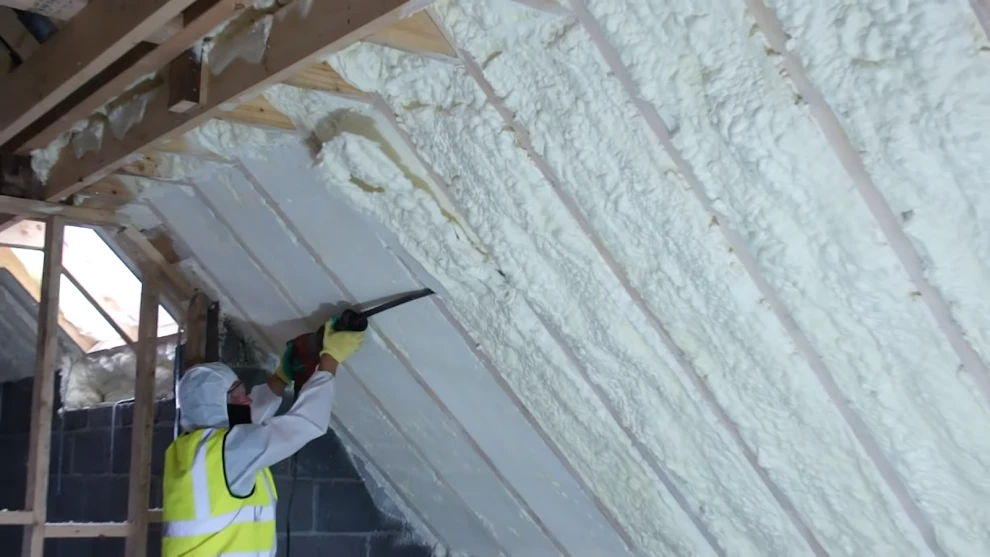
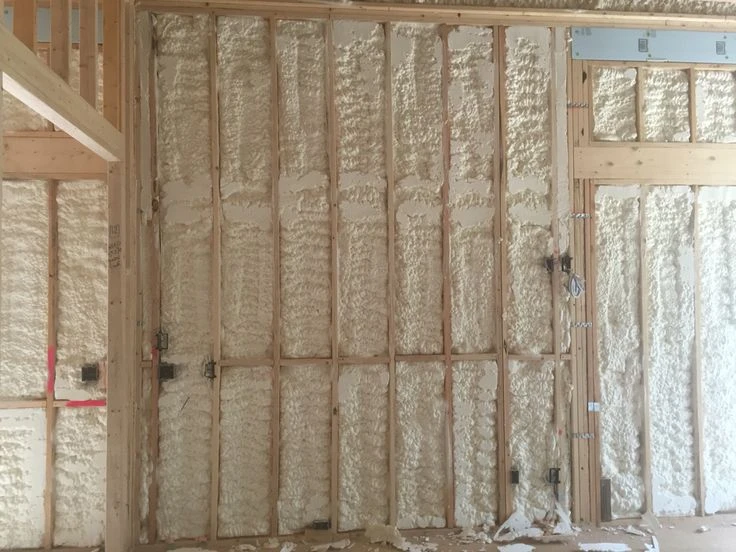
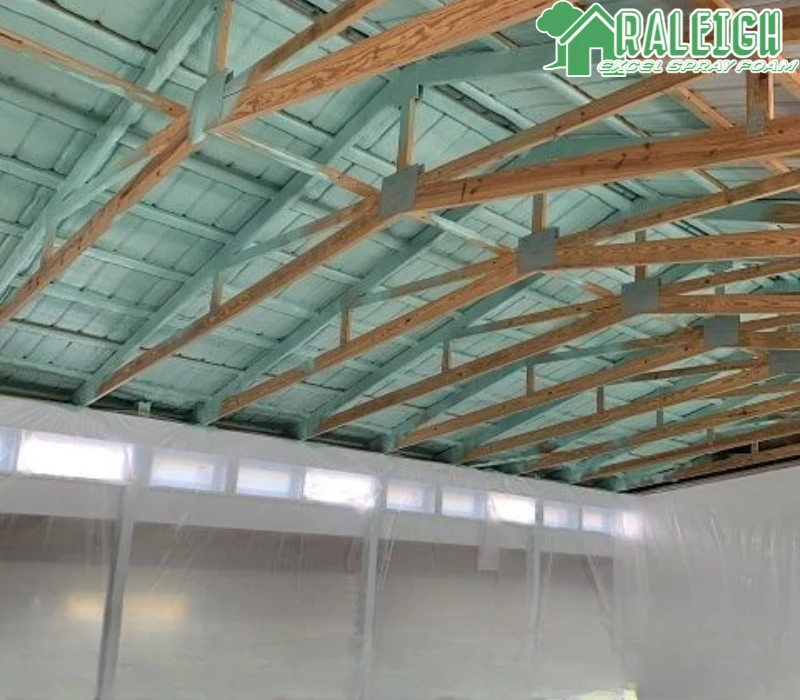
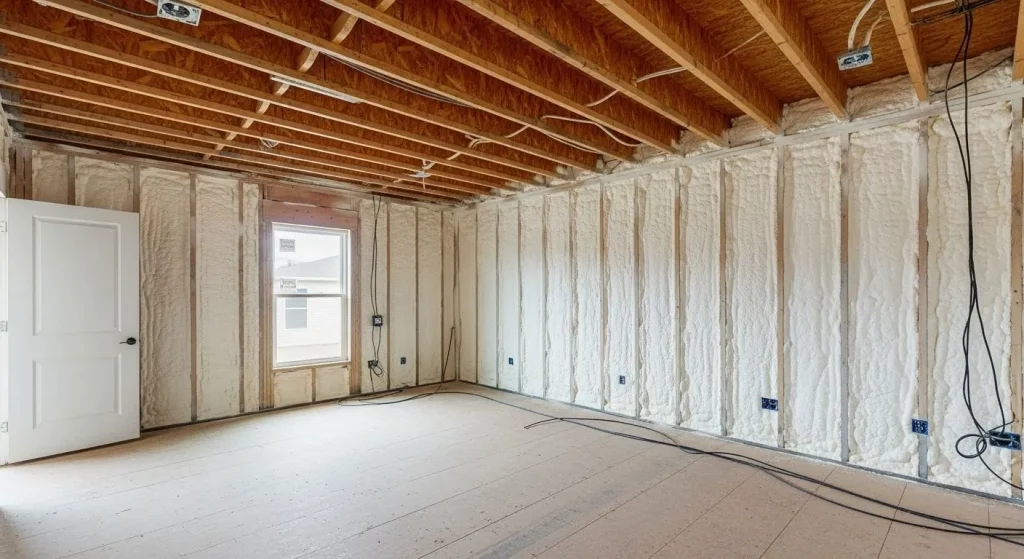
Closed-cell insulation consists of polyurethane foam that contains tiny, closed cells filled with gas. When applied as spray foam, it expands up to 30 times its original volume, sealing gaps and creating a continuous thermal barrier. The closed-cell structure prevents moisture from passing through while maintaining its insulating properties even in humid conditions common to North Carolina.
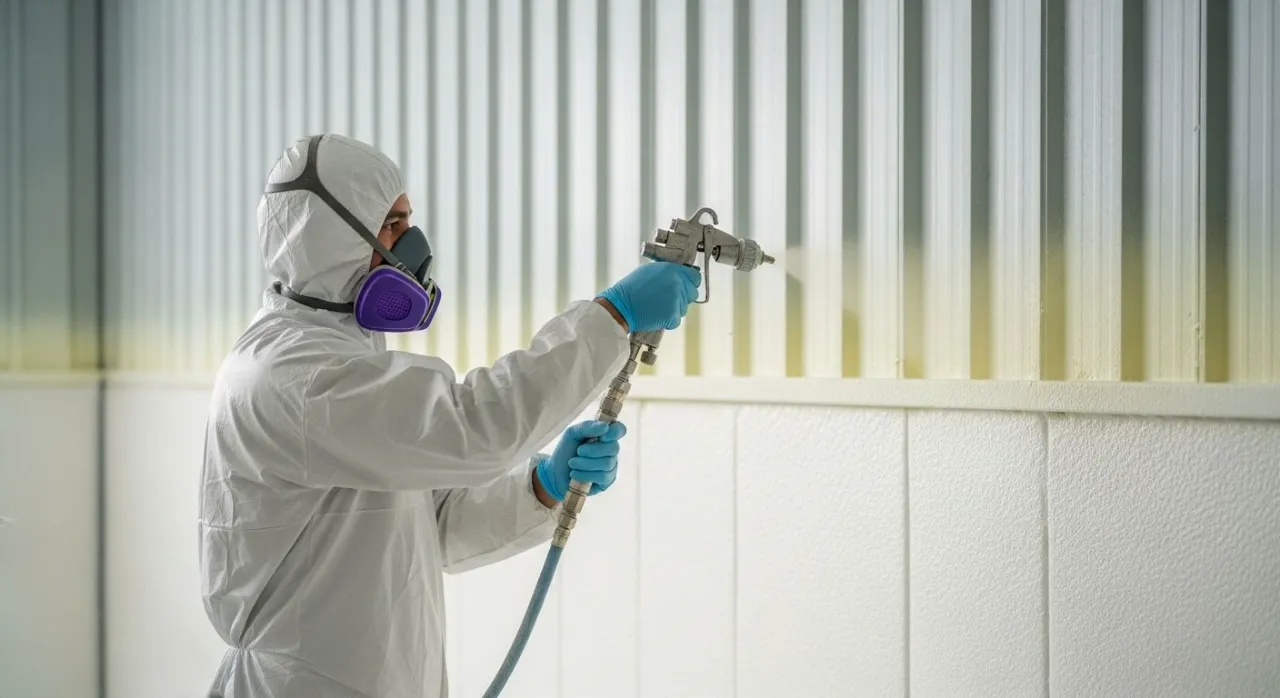
The application process involves mixing two chemical components that react when sprayed through a heated hose. The foam adheres to virtually any building material and cures within seconds, forming a rigid plastic that won’t settle, sag, or degrade over time. This permanent solution eliminates the common problems faced by traditional insulation materials like fiberglass batts or loose-fill cellulose, which can compress and lose effectiveness.
Regional Benefits for Wendell Homes
Wendell’s climate presents specific challenges that make closed-cell insulation particularly valuable. The area experiences hot, humid summers with average July temperatures around 89 degrees Fahrenheit and winter lows that can dip below freezing. These temperature swings create significant condensation risks that closed-cell insulation effectively prevents.
The high humidity levels in Wake County, averaging 75% during the summer months, mean moisture intrusion is a constant concern. Closed-cell spray foam’s vapor permeability rating of less than 1.0 perm creates an effective moisture barrier that protects against mold growth and wood rot. Local building codes increasingly recognize these benefits, with many new construction projects in the Triangle area specifying closed-cell insulation for superior performance.
A report from the North Carolina Building Code Council shows that homes with proper air sealing and insulation can reduce energy costs by 30-50% compared to typical construction. For Wendell homeowners facing rising utility rates, these savings accumulate significantly over time while improving home comfort year-round.
Performance Comparison of Insulation Types
| Insulation Type | R-Value Per Inch | Vapor Barrier | Air Sealing | Lifespan |
|---|---|---|---|---|
| Closed-Cell Foam | 6.0-7.0 | Yes | Excellent | 80+ years |
| Open-Cell Foam | 3.5-4.0 | No | Good | 80+ years |
| Fiberglass Batts | 2.9-3.8 | No | Poor | 15-20 years |
| Cellulose | 3.2-3.8 | No | Fair | 20-30 years |
This comparison demonstrates why closed-cell insulation provides superior protection despite higher upfront costs. The combination of thermal resistance, moisture barrier properties, and air sealing capabilities makes it the only single product that addresses all major home performance issues.
Things to Consider Before Making a Decision
Before investing in closed-cell insulation, evaluate your home’s specific needs and conditions. Homes with existing moisture problems, high energy bills, or comfort issues benefit most from the comprehensive protection offered by closed-cell systems.
The condition of your existing structure matters significantly. Closed-cell foam can help reinforce older homes with weak wall assemblies, but it requires proper installation to prevent trapping existing moisture. A thorough inspection should identify any current water intrusion issues that need to be addressed before foam application.
Budget considerations must balance upfront costs against long-term savings. While closed-cell insulation costs 2-3 times more than traditional materials, the energy savings typically pay for the investment within 5-7 years through reduced heating and cooling expenses. Additionally, the increased structural integrity may reduce insurance premiums in some cases.
Bonus Tip: Check local and federal rebate programs before proceeding. Many utility companies in North Carolina offer incentives for energy-efficient upgrades that can offset installation costs significantly.
Technical Performance Metrics
Closed-cell insulation’s performance goes beyond basic R-value measurements. The material’s density (typically 1.75-2.0 pounds per cubic foot) contributes to its structural strength, adding up to 300% rigidity to wall assemblies. This characteristic helps homes better withstand severe weather events common to central North Carolina.
The material’s closed-cell structure also provides superior acoustic insulation, reducing sound transmission by up to 80% compared to uninsulated cavities. This benefit particularly appeals to homeowners near busy roads or in neighborhoods with close lot spacing.
Installation thickness requirements vary by climate zone and application. For Wendell homes in climate zone 4, the International Energy Conservation Code recommends R-13 to R-15 for walls and R-30 to R-60 for ceilings. Closed-cell insulation achieves these values with significantly less cavity space than other materials, preserving interior square footage.
Bonus Tip: Schedule insulation installation during moderate weather seasons if possible. Extreme temperatures can affect foam expansion and cure times, potentially impacting final performance.
Long-Term Maintenance Requirements
One significant advantage of closed-cell insulation is its virtually maintenance-free nature. Unlike other insulation materials that can settle, compress, or degrade over time, closed-cell foam maintains its properties for the life of the building without requiring additional attention.
The permanent nature of this installation means homeowners can expect consistent performance without the need for replacement or upgrades. The material resists pest infestation and mold growth, eliminating common problems that plague traditional insulation materials in humid climates.
Regular home maintenance practices remain important, including proper attic ventilation and routine roof inspections. However, the insulation itself requires no special treatment or monitoring once properly installed by qualified professionals.
Frequently Asked Questions
Is closed-cell insulation worth the higher cost?
The higher upfront investment typically pays for itself through energy savings within 5-7 years, with continued savings thereafter. When factoring in improved comfort, moisture protection, and structural benefits, most homeowners find the value proposition compelling.
Can closed-cell foam be installed over existing insulation?
In many cases, closed-cell foam can be applied over existing insulation, but a thorough inspection must first confirm that there are no moisture issues present. Installing foam over damp materials can trap moisture and create larger problems.
How thick should the foam be applied?
Recommended thickness varies by application location. Walls typically require 2-3 inches to achieve optimal performance, while attics may need 4-6 inches, depending on the home’s specific requirements and local building codes.
Does closed-cell insulation require special ventilation?
While the foam itself creates an air barrier, proper attic ventilation remains important for roof longevity. The installation team will evaluate your home’s specific ventilation needs as part of the project planning.
Will closed-cell foam make my house too tight?
Modern homes benefit from controlled air exchange. If your home lacks mechanical ventilation, the insulation specialist may recommend adding an energy recovery ventilator to maintain optimal indoor air quality while preserving energy efficiency.
Final Considerations
Choosing closed-cell insulation represents a long-term investment in your home’s protection, comfort, and efficiency. The material’s superior moisture resistance, structural benefits, and thermal performance make it particularly valuable for Wendell homes facing the region’s challenging climate conditions. While the initial cost exceeds traditional options, the comprehensive protection and energy savings provide substantial value over the building’s lifetime.
Homeowners should evaluate their specific situation, including existing moisture issues, energy costs, and comfort problems, to determine whether closed-cell insulation addresses their most pressing concerns. Consulting with qualified professionals can help identify problem areas and recommend targeted solutions that maximize the return on your insulation investment.
Ready to evaluate your home’s insulation needs? Contact Raleigh Excel Spray Foam Insulation at [email protected] or call (919) 301-9435 to schedule a comprehensive assessment and learn how closed-cell insulation can protect your Wendell home for decades to come.
Sources
- North Carolina Building Code Council – Official state building codes and energy efficiency requirements for North Carolina
- International Energy Conservation Code – Climate zone requirements and insulation standards for residential buildings