


Smart home insulation systems deliver significantly better energy efficiency and comfort control compared to traditional materials, but they require a higher initial investment and professional installation. These advanced systems incorporate technologies like smart thermostats, sensors, and automated controls that work together with modern insulation materials to optimize your home’s thermal performance. Standard materials like fiberglass and cellulose still work well for basic insulation needs, but lack the intelligent features that set smart systems apart.
This guide breaks down the key differences between these approaches, including performance metrics, costs, and practical considerations to help you decide what works best for your home. The information comes from extensive hands-on experience with both traditional and smart insulation installations across various home types and climate conditions.
Understanding Smart Home Insulation Systems
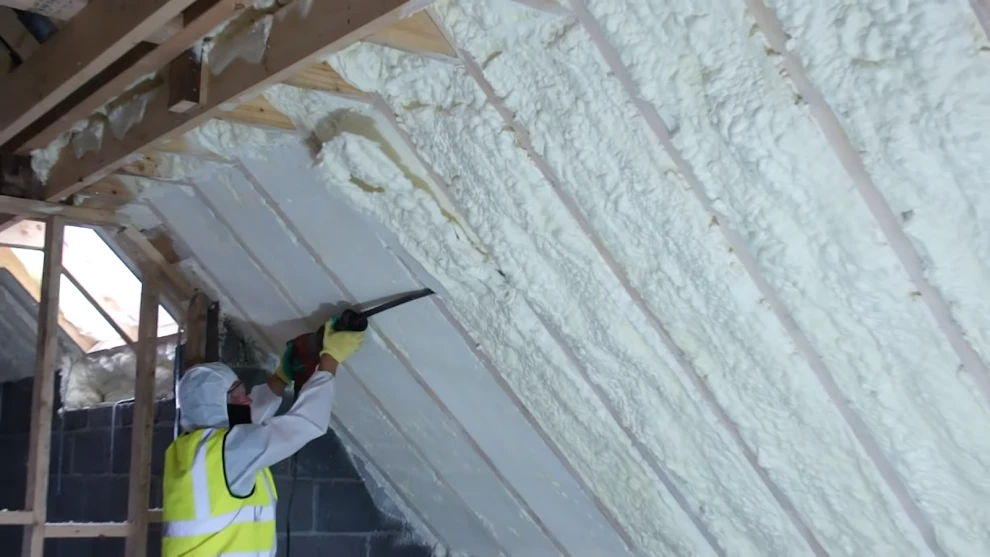
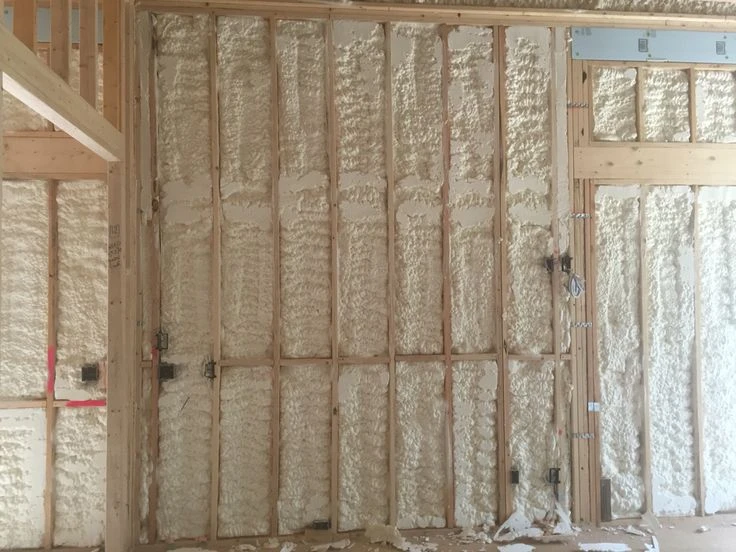
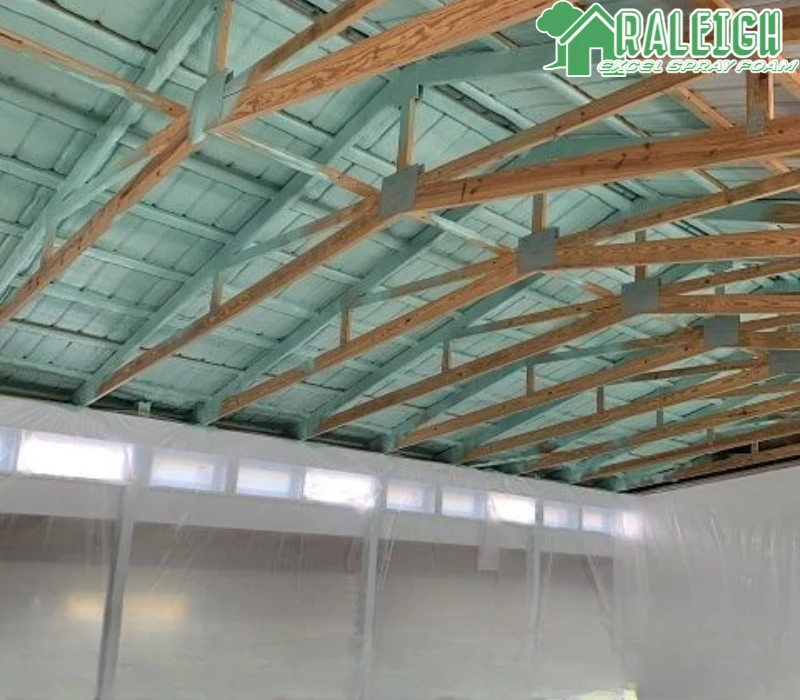
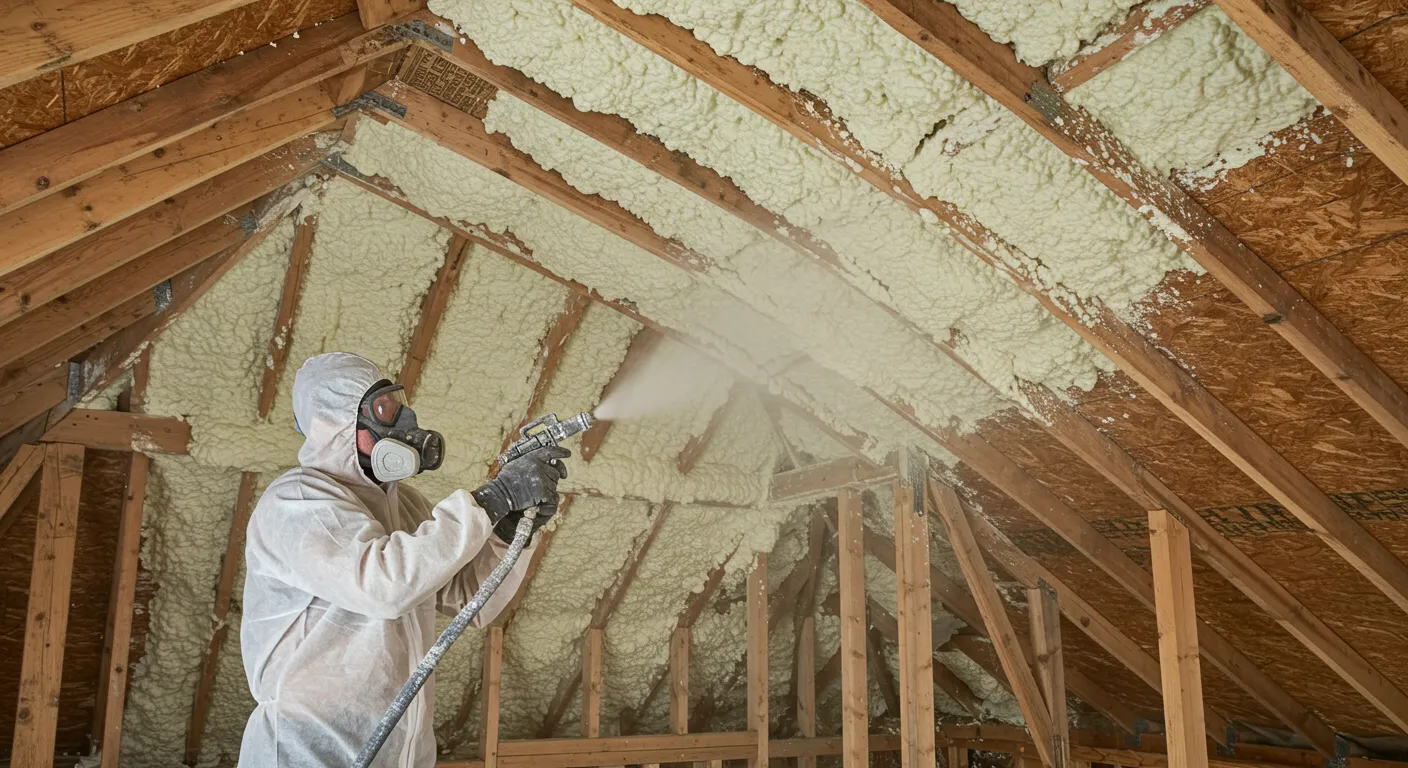
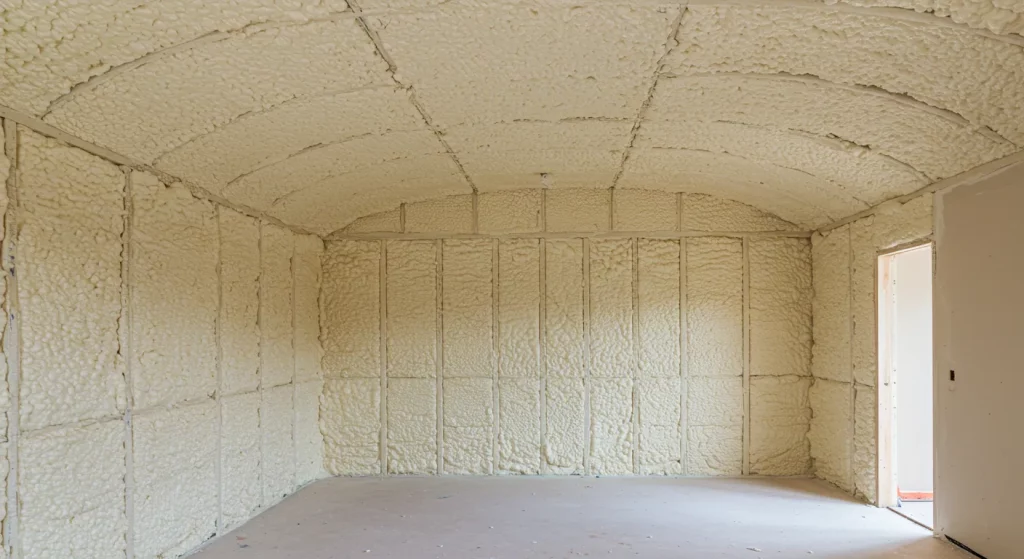
Smart insulation systems combine high-performance materials with intelligent controls that adapt to your living patterns and environmental conditions. These systems typically include spray foam or rigid foam boards paired with smart thermostats, humidity sensors, and automated ventilation systems that work together to maintain optimal indoor conditions.
The technology behind these systems allows for real-time adjustments based on factors like outdoor temperature, humidity levels, and even occupancy patterns. For example, a smart system might detect that no one is home during weekdays and automatically adjust insulation performance to save energy, then restore comfort settings before you return.
Market data shows that homeowners with smart insulation systems can reduce heating and cooling costs by up to 30% compared to homes using only traditional materials. The U.S. Department of Energy reports that proper insulation alone can save an average of 15% on heating and cooling costs, with smart systems pushing those savings even higher.
How Standard Materials Compare
Traditional insulation materials like fiberglass batts, blown-in cellulose, and mineral wool have been used for decades and remain popular choices for budget-conscious homeowners. These materials work by trapping air in small pockets to slow heat transfer, but they don’t actively adapt to changing conditions.
The main limitation of standard materials is their static nature. They provide the same level of insulation regardless of whether it’s a mild spring day or a harsh winter night. This one-size-fits-all approach means they’re always either over-performing or under-performing relative to actual conditions.
Performance Comparison
| Feature | Smart Systems | Standard Materials |
|---|---|---|
| R-Value per inch | 6.0-7.0 (spray foam) | 2.2-3.8 (fiberglass/cellulose) |
| Air sealing | Excellent | Poor to fair |
| Moisture resistance | Very good | Variable |
| Energy savings | 20-30% | 10-15% |
| Lifespan | 80+ years | 20-30 years |
| Smart features | Yes | No |
The performance differences become especially noticeable in extreme weather conditions. During hot summers in North Carolina, smart systems can actively manage heat gain through automated ventilation and reflective properties, while standard materials simply resist heat flow at their fixed capacity.
Cost Analysis Over Time
The initial resource commitment for smart insulation systems is significantly higher than that of standard alternatives. For a typical 2,000-square-foot residence, the requirement for a smart installation is roughly three to four times that of traditional materials.
However, the long-term efficiency outlook reveals a more favorable balance. Based on typical power consumption patterns, homeowners can offset this greater initial outlay through significantly reduced utility demand within 5 to 7 years. Over a 30-year period, smart systems provide a massive reduction in total energy waste, offering cumulative efficiency gains that far exceed the performance of standard materials.
Additional value comes from increased home resale value. Studies by the National Association of Home Builders show that energy-efficient homes command premium prices and sell faster than comparable properties with standard features.
Regional Considerations for North Carolina
North Carolina’s climate presents unique challenges that make smart insulation particularly valuable. The state experiences hot, humid summers and cool winters, creating varied demands on your home’s insulation throughout the year.
In coastal areas like Wilmington, moisture control becomes critical. Smart systems with humidity sensors can automatically adjust ventilation to prevent mold growth while maintaining energy efficiency. In the mountain regions, the ability to respond to rapid temperature changes provides significant comfort benefits.
The Piedmont region, where most of North Carolina’s population lives, experiences the full range of seasonal changes. Smart insulation systems excel in this environment by adapting to both summer heat waves and winter cold snaps, something static insulation materials cannot do effectively.
Installation Process Differences
The installation process for smart insulation systems differs significantly from traditional materials. Smart systems require careful planning and integration with your home’s electrical and HVAC systems, typically taking 3 to 5 days for a complete installation.
Professional installation is essential for smart systems due to the technical components involved. Installers must coordinate insulation placement with sensor locations, smart thermostats, and ventilation controls. The process often includes air sealing, which involves sealing gaps and cracks to prevent air leakage.
Standard insulation installations are generally simpler and can sometimes be completed as DIY projects. However, professional installation still ensures proper coverage and performance. Even with traditional materials, proper installation techniques like avoiding compression and ensuring complete coverage significantly impact effectiveness.
Things to Consider Before Making a Decision
Your home’s age and current condition play important roles in determining the best insulation approach. Older homes with existing insulation issues might benefit more from the comprehensive air sealing that comes with smart system installations.
Budget constraints obviously influence decision-making, but consider financing options that can spread the higher upfront costs of smart systems over several years while allowing you to start saving on energy bills immediately.
Future plans for your home matter too. If you plan to sell within 5 years, the return on investment for smart systems might be less certain. For long-term homeowners, the cumulative energy savings and comfort benefits become more compelling.
Bonus Tip: When evaluating smart insulation options, ask potential installers about their experience with integration systems. The best results come from technicians who understand both insulation materials and smart home technology.
Frequently Asked Questions
How long does smart insulation last?
High-quality spray foam insulation in smart systems can last 80 years or more without degradation. The electronic components typically have lifespans of 10-15 years but are easily replaceable.
Can I upgrade from standard to smart insulation gradually?
Yes, many homeowners take a phased approach, starting with air sealing and adding smart controls later. However, full system integration provides the best results and energy savings.
Are there government incentives for smart insulation?
Federal tax credits and local utility rebates are often available for energy-efficient upgrades. The Database of State Incentives for Renewables & Efficiency lists current programs by location.
Do smart systems work with solar panels?
Absolutely. Smart insulation systems complement solar installations by reducing overall energy demand, allowing your solar panels to cover a higher percentage of your home’s energy needs.
What happens if the power goes out?
Smart systems have battery backups that maintain basic functions during outages. The insulation materials themselves continue working regardless of power status, preserving your home’s thermal envelope.
Final Thoughts
Choosing between smart home insulation systems and standard materials depends on your budget, timeline, and long-term goals. Smart systems offer superior performance and energy savings but require higher upfront investment. Standard materials provide adequate insulation at lower initial costs but lack the adaptive features that optimize comfort and efficiency.
The right choice balances your immediate budget constraints with long-term comfort and savings goals. Consider your home’s specific needs, your local climate conditions, and how long you plan to stay in your current home when making this important decision.
Get Professional Insulation Guidance
For personalized advice about insulation options in North Carolina, contact Raleigh Excel Spray Foam Insulation at [email protected] or call (919) 301-9435. Professional consultation can help you understand which approach best fits your home’s specific needs and your budget parameters.
Sources
- U.S. Department of Energy – Official government information about home insulation, energy savings, and R-values
- National Association of Home Builders – Research on home values, energy efficiency features, and market trends in residential construction