


R-value measures how well insulation resists heat flow, with higher numbers indicating better thermal resistance. Closed-cell spray foam insulation typically delivers R-values between R-6 and R-7 per inch, making it one of the most efficient insulation materials available. This comprehensive guide explains the science behind R-value and why closed-cell foam outperforms other insulation options in most applications.
When it comes to home insulation, understanding R-value isn’t just about numbers—it’s about creating comfortable, energy-efficient living spaces while managing long-term costs. This article breaks down the technical aspects of insulation performance, examines real-world applications, and provides practical insights from years of installation experience.
The Science Behind R-Value Ratings
R-value represents thermal resistance, calculated by dividing the temperature difference between insulated surfaces by the heat flow rate. Essentially, it’s a measure of how effectively insulation material prevents heat from moving through it. The higher the R-value, the better the insulation performs at maintaining temperature differences between indoor and outdoor environments.
Three heat transfer mechanisms affect insulation performance: conduction (heat through materials), convection (heat through air movement), and radiation (heat through electromagnetic waves). Traditional insulation, like fiberglass, primarily addresses conduction but allows air movement, reducing overall effectiveness. According to the U.S. Department of Energy, proper insulation can reduce heating and cooling costs by 15% on average.
Climate zones determine recommended R-values for different regions. Colder areas require higher insulation values to maintain comfortable indoor temperatures during harsh winters. For example, homes in Zone 6 (including parts of the Northeast and Midwest) need wall insulation rated between R-13 and R-21, while homes in Zone 3 (including much of the Southeast) require only R-13 to R-15.
Closed-Cell Foam vs Other Insulation Materials
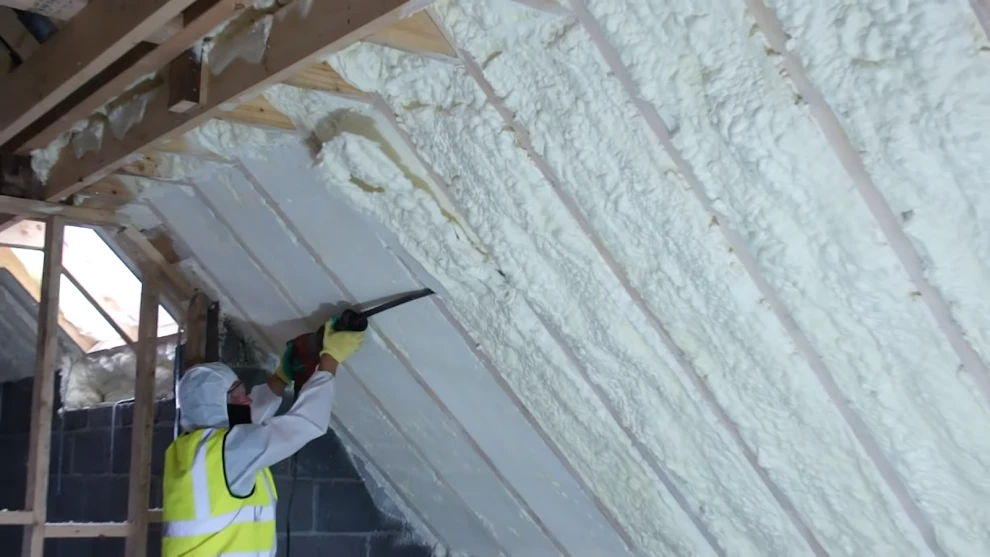
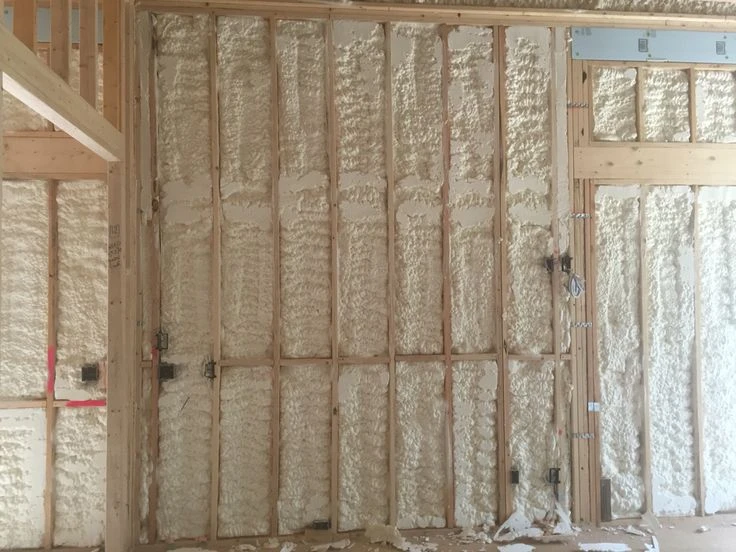
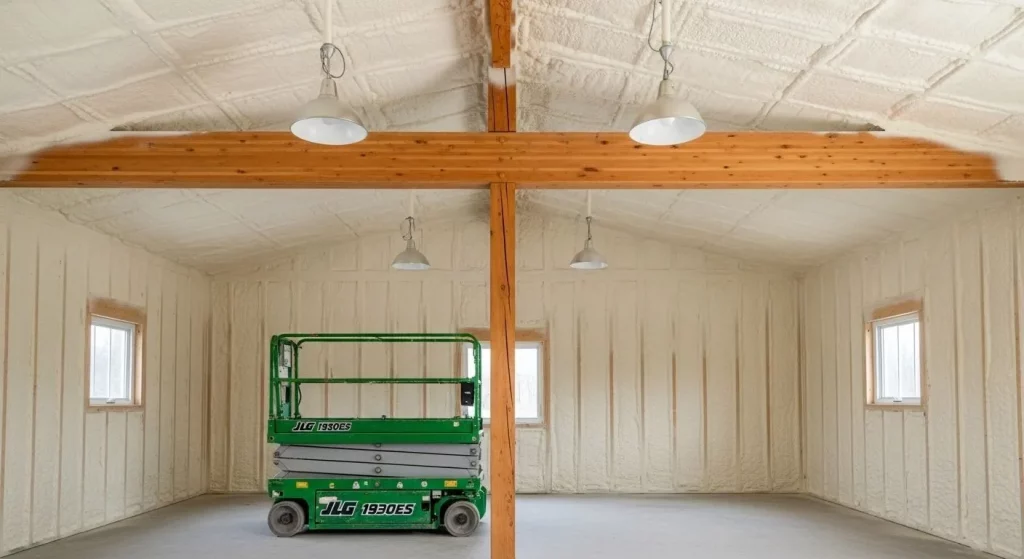
Closed-cell spray foam insulation consists of polyurethane plastic with billions of tiny closed cells filled with gas. This structure creates both an air barrier and a vapor barrier in a single application. The gas-filled cells provide superior thermal resistance compared to air-filled materials.
The primary advantage of closed-cell foam comes from its density and structure. At approximately 2 pounds per cubic foot, closed-cell foam offers higher R-values per inch than alternative materials. It also adds structural strength to walls, can resist moisture, and doesn’t settle or degrade over time.
Comparative Insulation Performance
| Insulation Type | R-Value Per Inch | Air Barrier | Vapor Barrier | Settling Over Time |
|---|---|---|---|---|
| Closed-Cell Foam | R-6 to R-7 | Yes | Yes | No |
| Open-Cell Foam | R-3.5 to R-4 | Yes | No | No |
| Fiberglass Batts | R-3.1 to R-4.3 | No | No | Yes |
| Cellulose | R-3.2 to R-3.8 | Partial | Partial | Yes |
| Mineral Wool | R-3.0 to R-3.3 | No | No | Minimal |
Market data shows that closed-cell foam represents approximately 25% of the spray foam insulation market, with growth driven by energy efficiency requirements and building code changes. According to a report from Grand View Research, the global spray foam insulation market is projected to reach $2.4 billion by 2025.
Bonus Tip: Closed-cell foam’s moisture resistance makes it particularly valuable in basements, crawl spaces, and coastal areas where humidity is a concern.
Installation Considerations and Performance Factors
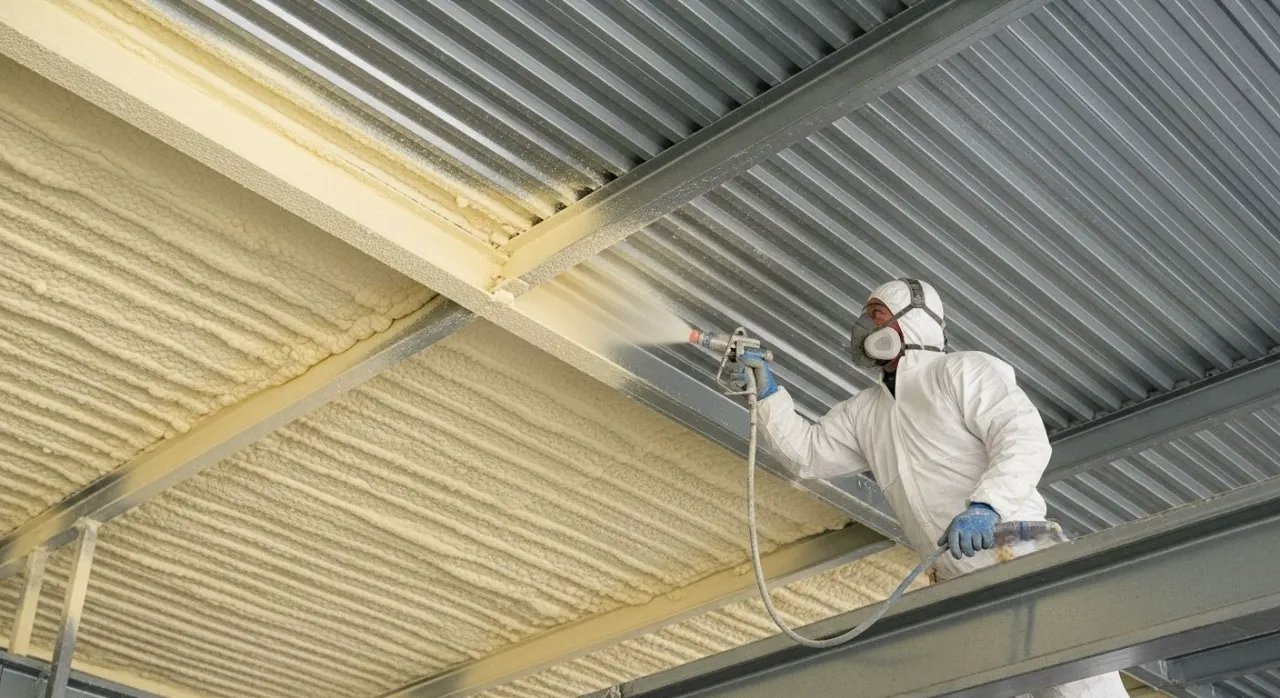
Proper installation directly affects R-value performance. Even the best insulation material underperforms when installed incorrectly. Closed-cell foam requires professional application with specialized equipment to achieve consistent thickness and proper cell structure.
The application temperature significantly impacts foam expansion and final R-value. Ideal installation conditions range between 60-80°F with moderate humidity. Extreme temperatures can affect foam expansion, potentially creating gaps or uneven coverage that reduces thermal performance.
Thickness calculations must account for the diminishing returns of insulation. The first inch of closed-cell foam provides the greatest R-value increase, with each additional inch adding slightly less benefit. For most walls, 2-3 inches of closed-cell foam typically delivers optimal performance while keeping costs in check.
Regional Consideration: In North Carolina’s humid climate, closed-cell foam’s vapor barrier properties help prevent moisture issues that commonly plague traditional insulation during hot, humid summers.
Cost Analysis and Long-Term Benefits
Closed-cell foam requires a higher upfront investment than traditional insulation, typically costing 2-3 times more per square foot. However, the long-term savings from reduced energy consumption often offset initial expenses within 5-7 years, depending on climate conditions and energy prices.
The material’s durability eliminates replacement costs associated with traditional insulation. Fiberglass and cellulose can settle, compress, or become moisture-damaged over time, reducing effectiveness and requiring eventual replacement. Closed-cell foam maintains its R-value for decades without degradation.
Energy savings calculations should consider both heating and cooling cycles. The U.S. Environmental Protection Agency estimates that homeowners can save an average of 15% on heating and cooling costs by air sealing their homes and adding insulation. Closed-cell foam’s air-sealing properties contribute significantly to these savings.
Bonus Tip: When calculating return on investment, factor in potential HVAC system downsizing. The improved thermal performance may allow for smaller, more efficient heating and cooling equipment.
Things to Consider Before Making a Decision
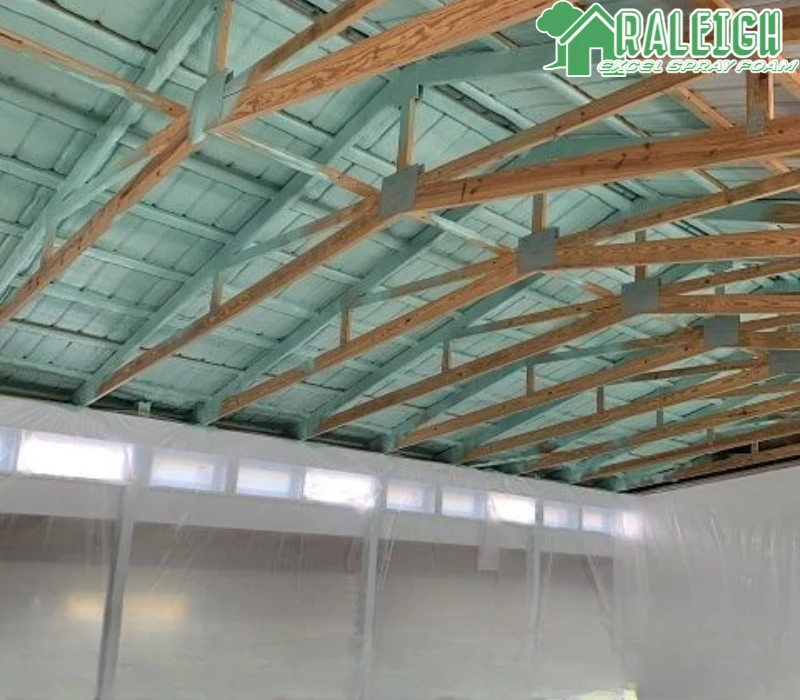
Building structure and design impact insulation effectiveness. Closed-cell foam works best in wall cavities, attics, and crawl spaces where it can expand and fill gaps completely. Historic homes with balloon-framed construction may present unique challenges for foam application.
Local building codes may have specific requirements for insulation types and vapor barriers. Some regions restrict foam insulation in certain applications due to fire safety concerns. Always check local regulations before selecting insulation materials.
Health and safety considerations include proper ventilation during installation. While closed-cell foam is inert and safe once cured, the application process releases chemicals that require respiratory protection and proper ventilation for installers.
Bonus Tip: Request a sample of the cured foam and review the manufacturer’s technical data sheet before making a final decision. Different products offer varying performance characteristics and application requirements.
Frequently Asked Questions About Spray Foam Insulation
Can closed-cell foam be installed over existing insulation?
In some cases, closed-cell foam can be installed over existing insulation, but it depends on the condition and type of the current insulation. Wet or damaged fiberglass must be removed before foam application. Always have a professional assess the existing insulation first.
How long does closed-cell foam last?
Closed-cell spray foam insulation lasts indefinitely when properly installed. The material doesn’t settle, compress, or degrade over time, maintaining its R-value and insulating properties for the life of the building.
Is closed-cell foam waterproof?
While highly moisture-resistant, closed-cell foam is not completely waterproof. It can resist water absorption and prevent moisture transmission, making it excellent for areas prone to dampness. However, prolonged direct water exposure should still be avoided.
Does closed-cell foam improve indoor air quality?
Closed-cell foam can improve indoor air quality by reducing air infiltration, which limits the entry of outdoor pollutants, allergens, and moisture. However, proper ventilation systems must be maintained to ensure adequate fresh air exchange.
What maintenance does spray foam insulation require?
Closed-cell foam insulation requires virtually no maintenance once installed. Unlike traditional insulation, it doesn’t need to be replaced or refreshed over time. The only maintenance needed involves maintaining the integrity of the surrounding building materials.
Key Takeaways for Insulation Decisions
Choosing insulation materials involves balancing R-value performance with cost, installation requirements, and long-term benefits. Closed-cell spray foam offers superior thermal resistance, air sealing, and moisture protection in a single application, making it an excellent choice for many situations despite higher initial costs.
The decision ultimately depends on specific building needs, climate conditions, and budget considerations. Factors like existing building structure, local codes, and energy costs all influence the best insulation choice for any particular project.
Expert Consultation for Your Insulation Project
For homeowners in the Raleigh area considering insulation upgrades, Raleigh Excel Spray Foam Insulation offers professional assessments and installation services. The team can evaluate your specific needs, calculate optimal R-values for your home, and recommend appropriate insulation solutions. Contact them at [email protected] or call (919) 301-9435 to schedule a consultation and discuss how closed-cell foam insulation might benefit your home’s energy efficiency and comfort.
Sources
- U.S. Department of Energy – Government resource providing information about insulation types, R-values, and energy savings calculations
- Grand View Research – Market research report analyzing the spray foam insulation industry growth projections and market trends
- Environmental Protection Agency – EPA guidelines on insulation, air sealing, and energy efficiency for residential buildings