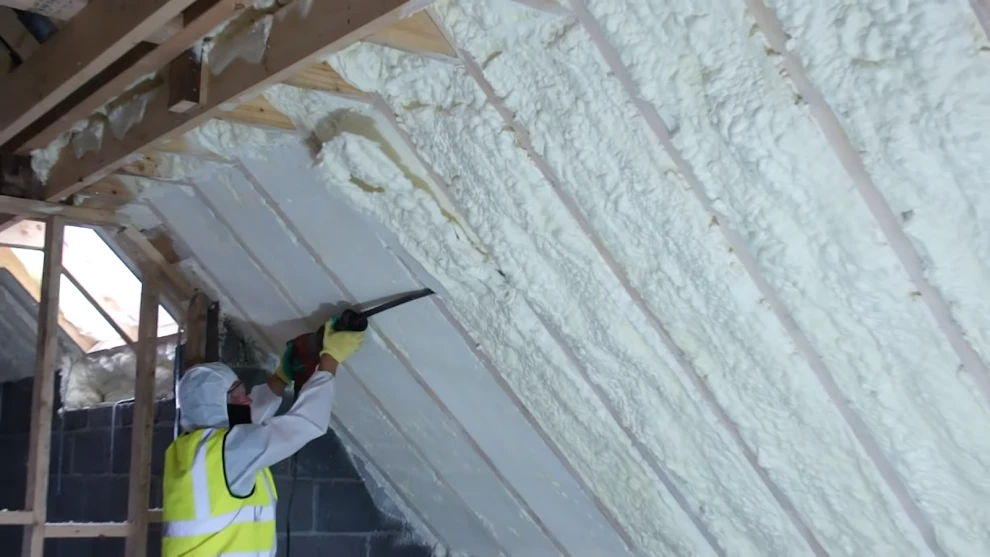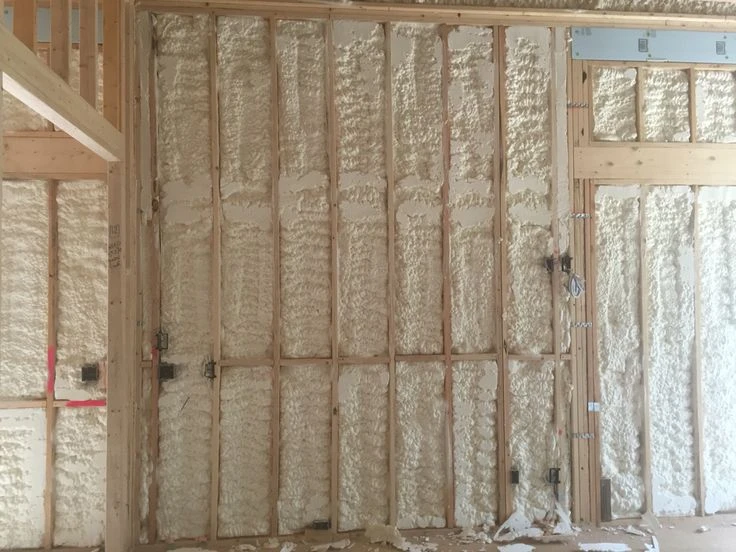



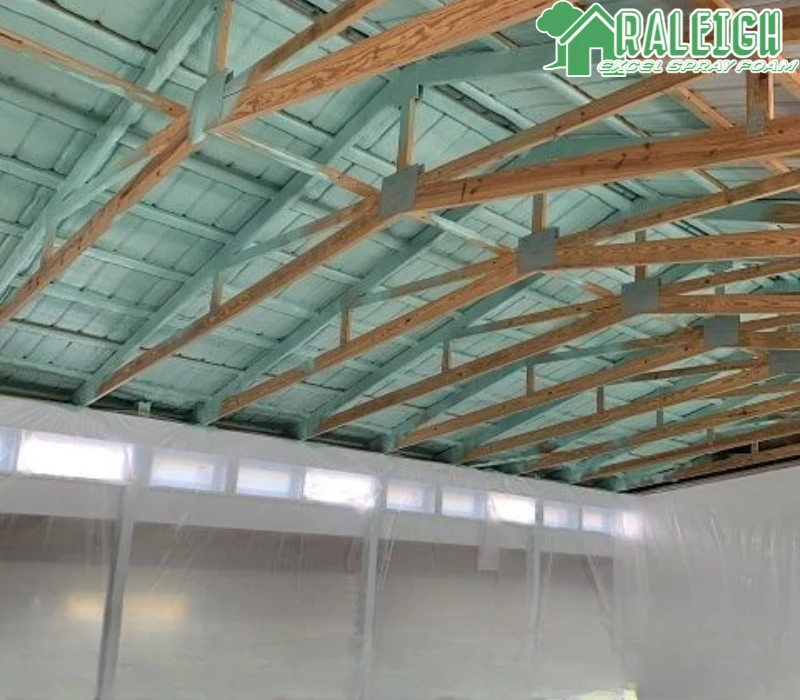
Planning a budget-friendly commercial insulation project in Rocky Mount, NC, starts with strategic timing, material selection, and thorough preparation. The key is balancing upfront costs with long-term energy savings while working within North Carolina’s climate challenges. By focusing on these seven areas, timing your project right, choosing appropriate materials for the local climate, getting competitive bids, leveraging available rebates, handling preparation work yourself, prioritizing critical areas first, and planning for maintenance, businesses can significantly reduce project costs without compromising quality.
Rocky Mount’s humid subtropical climate presents unique insulation challenges. With hot, humid summers and mild winters, the right insulation approach can cut cooling costs by up to 20% annually, according to data from the U.S. Department of Energy. This guide provides practical, experience-based insights from years of working with commercial properties across central North Carolina, helping you make informed decisions that protect your budget while maximizing energy efficiency.
Timing Your Project for Maximum Savings
Seasonal timing dramatically impacts insulation costs in Rocky Mount. The shoulder months, March through May and September through October, typically offer the best pricing. During these periods, contractors face less demand compared to peak summer and winter seasons when heating and cooling emergencies dominate their schedules.
Planning your project during these windows can yield 10-15% lower labor costs. Additionally, milder weather means contractors can work more efficiently, reducing project timelines. Fall is particularly advantageous as it allows preparation before winter heating demands increase while still taking advantage of favorable working conditions.
Bonus tip: Book your project at least 8-12 weeks in advance. Early booking often secures better pricing and ensures your preferred contractor has availability during optimal weather windows.
Material Selection for Rocky Mount Climate
Choosing the right insulation material affects both initial costs and long-term performance. Rocky Mount’s humidity levels require moisture-resistant options that prevent mold growth while maintaining R-value consistency.
| Insulation Type | R-Value per Inch | Best Applications |
|---|---|---|
| Closed-cell spray foam | 6.5-7.0 | Metal buildings, flat roofs |
| Open-cell spray foam | 3.5-4.0 | Interior walls, crawl spaces |
| Fiberglass batts | 3.0-3.5 | Standard wall cavities |
| Rigid foam board | 4.0-6.5 | Exterior sheathing, foundations |
Closed-cell spray foam, while pricier upfront, offers superior moisture resistance and air sealing critical for Rocky Mount’s climate. For budget-conscious projects, combining materials strategically (like spray foam in moisture-prone areas with fiberglass elsewhere) optimizes performance while managing costs.
Strategic Bidding Process
Obtaining multiple quotes remains essential for budget control. However, the bidding process requires more than simply comparing bottom-line numbers. Different contractors include varying scope levels, making apples-to-apples comparisons difficult.
Always request detailed bids that specify material types, application methods, area measurements, and R-values. Insist on site visits rather than phone estimates. Local contractors familiar with Rocky Mount’s building codes and climate factors often provide more accurate bids than out-of-area companies.
Bonus tip: Ask each bidder to provide alternative pricing options. For instance, request quotes for both premium materials and more budget-friendly alternatives with the same R-value. This reveals true material cost differences and helps identify where savings are possible without sacrificing performance.
Maximizing Energy Rebates and Incentives
North Carolina offers several incentive programs that significantly reduce net project costs. Duke Energy’s Smart Saver program provides rebates for commercial insulation upgrades, typically covering 20-30% of project costs for qualifying businesses.
Additionally, federal tax incentives for energy-efficient commercial buildings can offset costs further. The Energy-Efficient Commercial Buildings Tax Deduction allows deductions per square foot for buildings that achieve 50% energy savings compared to baseline standards.
Local utility companies in Rocky Mount often run seasonal incentive programs that align with slower business periods. Timing your project to coincide with these promotions can compound savings. Always verify current program requirements and application deadlines before finalizing project timelines, as these programs frequently update.
Preparation Work You Can Handle
Reducing contractor labor time directly impacts project costs. Several preparation tasks require minimal experience but save significant money when handled by property owners rather than billed at contractor rates.
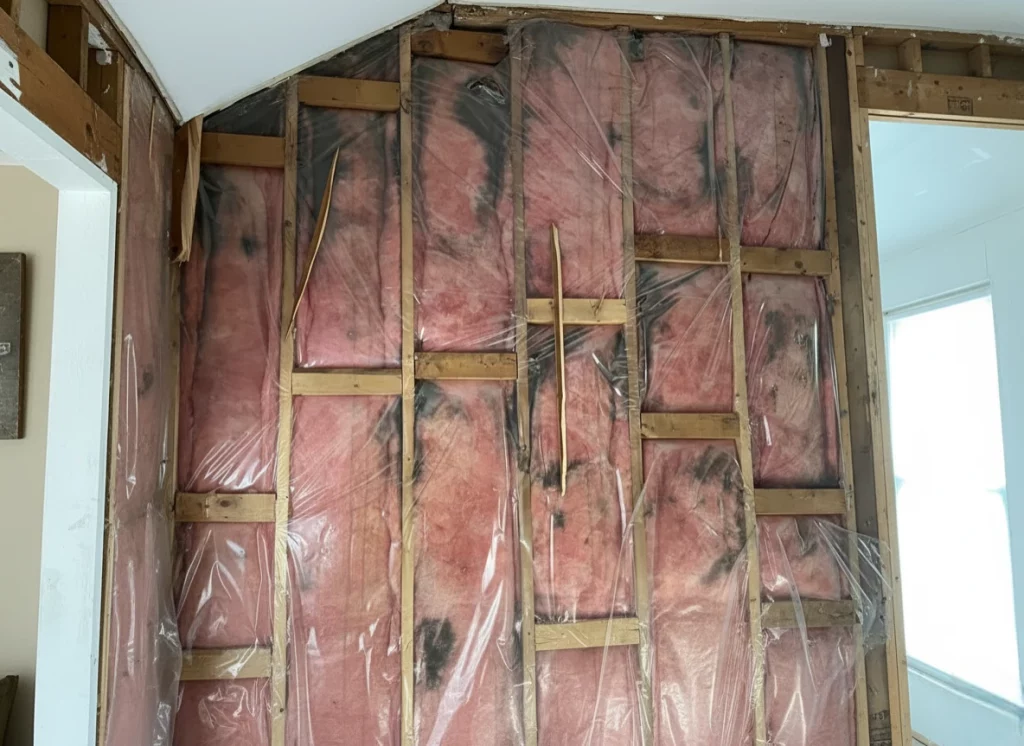
Clearing work areas of obstacles and stored materials typically saves 2-3 hours of labor time. Removing old insulation where accessible—when not containing hazardous materials—reduces disposal fees and labor charges. Simple tasks like labeling breaker boxes and ensuring accessible workspaces improve contractor efficiency.
For metal buildings, cleaning and preparing interior surfaces before insulation application improves material adhesion and reduces material waste. Even basic tasks like ensuring adequate ventilation and lighting during installation can speed up the process, lowering hourly charges while helping prevent common issues like nesting birds in commercial insulation.
Prioritizing High-Impact Areas First
Rarely does every commercial space need simultaneous insulation upgrades. Identifying high-impact areas allows budget-conscious businesses to implement upgrades in phases while capturing maximum energy savings.
Roof and attic insulation typically provide the greatest return on investment, preventing heat gain during Rocky Mount’s hot summers. North-facing walls receive less direct sun and often have lower insulation priority compared to south and west-facing exposures. Areas housing temperature-sensitive equipment or inventory should take precedence over storage spaces.
Consider the building’s usage patterns as well. Frequently occupied spaces and high-traffic areas deserve priority over seldom-used rooms. This phased approach allows businesses to achieve meaningful energy savings immediately while spreading costs over multiple budget periods.
Long-term Maintenance Considerations
Budget planning must extend beyond installation to include maintenance requirements. Some materials require periodic checks or protective measures that add to long-term ownership costs.
Spray foam insulation generally requires minimal maintenance once properly installed, though exposed areas may need UV protection coatings in certain applications. Fiberglass and cellulose can settle over time, potentially reducing effectiveness in vertical applications without proper installation techniques.
Factor in potential future modifications to the building space. Spray foam can be more challenging to modify around compared to batt insulation if you anticipate frequent layout changes or utility updates. Understanding these long-term implications helps select the most cost-effective solution for your specific situation.
Things to Consider Before Making a Decision
Before committing to any insulation project, evaluate several critical factors specific to your property. Building age and construction type significantly impact material choices and application methods. Historic buildings in downtown Rocky Mount may have different requirements compared to newer commercial properties.
Consider your typical business hours and how installation timelines might affect operations. Some projects require temporary business interruptions or utility shutdowns. Planning these disruptions during slow periods minimizes revenue impact.
Budget parameters should include realistic contingency amounts of 10-15% for unexpected challenges, particularly in older buildings where access issues or hidden problems may arise during installation. Always verify contractor licensing and insurance—requirements that are particularly important in North Carolina, where regulations vary by municipality.
Final Planning Considerations
Planning a budget-friendly commercial insulation project in Rocky Mount requires balancing immediate costs with long-term savings. The most successful projects combine strategic timing with material choices appropriate for North Carolina’s climate while taking full advantage of available incentives and rebates. Proper preparation and prioritization ensure every dollar spent maximizes energy efficiency improvements.
Before making final decisions, evaluate your specific building characteristics, usage patterns, and long-term plans. Some businesses benefit most from comprehensive upgrades, while others achieve better results through phased improvements targeting high-impact areas first. Understanding these factors helps create a realistic budget that delivers measurable energy savings without financial strain.
Get Professional Guidance for Your Project
For specific assistance planning your commercial insulation project in Rocky Mount, contact Raleigh Excel Spray Foam Insulation at [email protected] or call (919) 301-9435. Our team can provide detailed assessments, material recommendations, and accurate budget estimates based on your building’s unique characteristics and energy efficiency goals. Professional guidance ensures your insulation investment delivers maximum return while staying within budget parameters.
FAQS
What R-value is recommended for Rocky Mount commercial buildings?
The U.S. Department of Energy recommends R-30 to R-60 for attics and R-13 to R-21 for walls in North Carolina’s climate zone, with specific requirements varying by building type and construction.
How long does commercial insulation typically last?
Most insulation materials last 20-30 years or more when properly installed. Spray foam insulation often exceeds these expectations, with many installations performing well beyond 30 years.
Are there any health concerns with commercial insulation?
Modern insulation materials are safe when properly installed. Fiberglass can cause temporary irritation during installation, while spray foam requires proper ventilation during application but is inert after curing.
Will insulation improve indoor air quality?
Yes, proper insulation reduces moisture infiltration and prevents mold growth while sealing air gaps that can introduce pollutants. Some spray foam products also have antimicrobial properties.
How soon will energy savings become apparent after installation?
Most businesses notice reduced energy bills within the first billing cycle. Maximum savings typically become evident after 3-6 months as seasonal variations demonstrate year-round improvements.
Sources
- U.S. Department of Energy – Provides comprehensive insulation guidelines and energy efficiency recommendations for commercial buildings across different climate zones
- Duke Energy – Offers current information about energy rebates and incentive programs available for North Carolina commercial properties implementing energy efficiency upgrades
- North Carolina – Maintains current building code requirements and permitting information for commercial insulation projects throughout North Carolina