


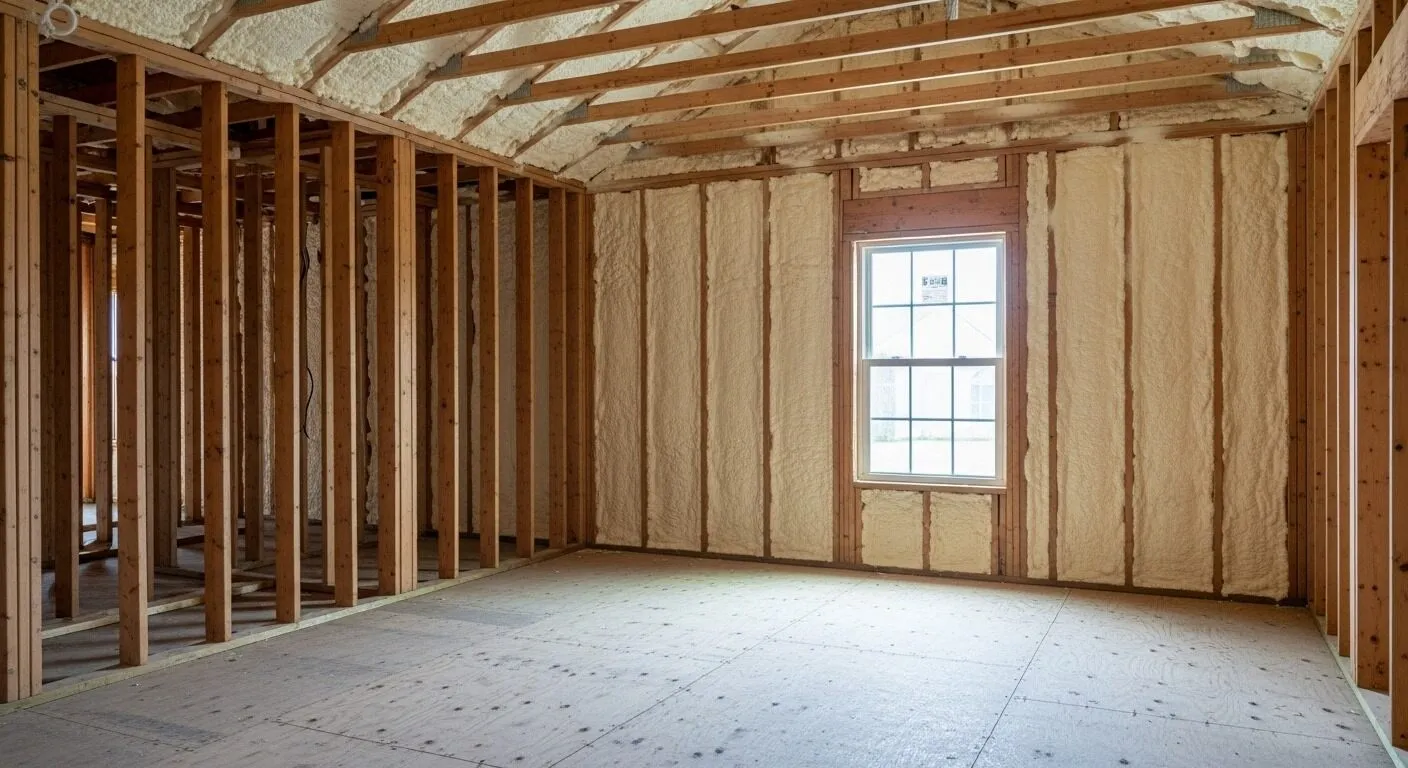
Proper residential insulation can reduce your energy bills by 15-50% by preventing unwanted heat transfer between your home and the outside environment. In Clayton’s humid subtropical climate, effective insulation keeps cool air inside during summer and warm air inside during winter, dramatically reducing the workload on your HVAC system. This guide explains exactly how insulation works, which types perform best in North Carolina homes, and what specific factors Clayton homeowners should consider before making an investment.
With years of experience working on homes throughout the Triangle area, Raleigh Excel Spray Foam Insulation has seen firsthand how the right insulation choices can transform a home’s energy efficiency. The following information comes from real-world experience working with local homes and understanding the specific challenges posed by North Carolina’s climate patterns.
Understanding Heat Transfer in North Carolina Homes
Heat moves through three primary mechanisms: conduction, convection, and radiation. In Clayton homes, all three contribute significantly to energy loss. During hot North Carolina summers, heat tries to enter your cool home through conduction (direct transfer through materials), convection (air movement carrying heat), and radiation (heat waves traveling through space). Your air conditioning system constantly fights this heat transfer, consuming energy to maintain comfortable indoor temperatures.
Winter presents the opposite challenge, as heat escapes from your warm home to the cold outdoors. The U.S. Department of Energy reports that proper insulation can reduce heating and cooling costs by an average of 15% nationwide, with even greater savings in extreme climates. North Carolina’s position in the mixed-humid climate zone means homes face both significant cooling loads in summer and heating requirements in winter.
The key areas where heat typically escapes or enters include attics, walls, crawl spaces, and around windows and doors. These weak points create constant energy drain unless properly addressed with appropriate insulation materials and installation techniques.
Types of Insulation and Their Performance
Different insulation materials offer varying levels of thermal resistance, measured as R-value. Higher R-values indicate better insulation performance. The optimal R-value for Clayton homes depends on the specific area being insulated and local climate conditions.
Insulation Material Comparison
| Material Type | Typical R-Value Per Inch | Best Applications | Lifespan (years) |
|---|---|---|---|
| Spray Foam | 3.5-7.0 | Walls, attics, crawl spaces | 80+ |
| Fiberglass Batts | 2.9-3.8 | Attics, walls, floors | 20-30 |
| Cellulose | 3.2-3.8 | Attics, walls | 20-30 |
| Mineral Wool | 3.0-3.5 | Attics, walls, sound-dampening | 30+ |
Bonus Tip: Spray Foam Advantages
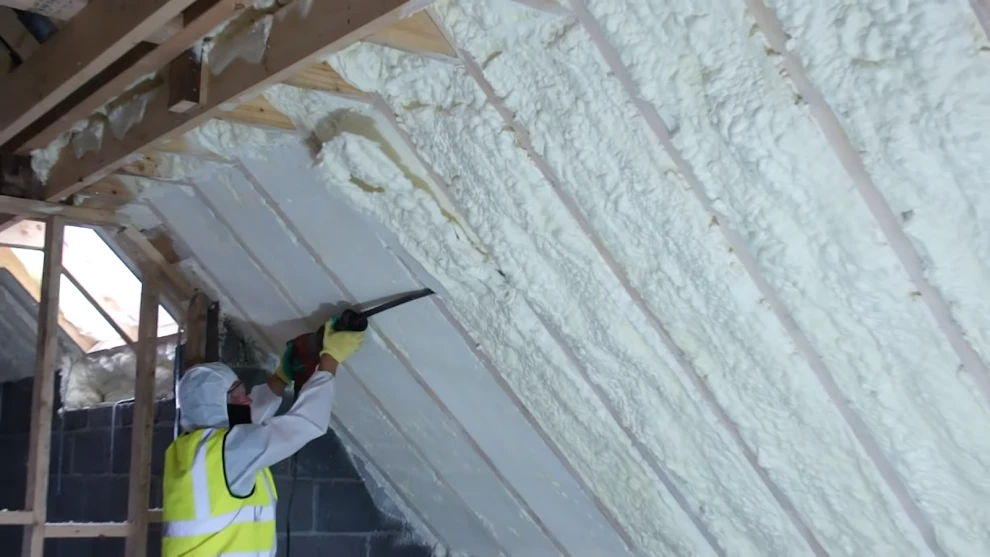
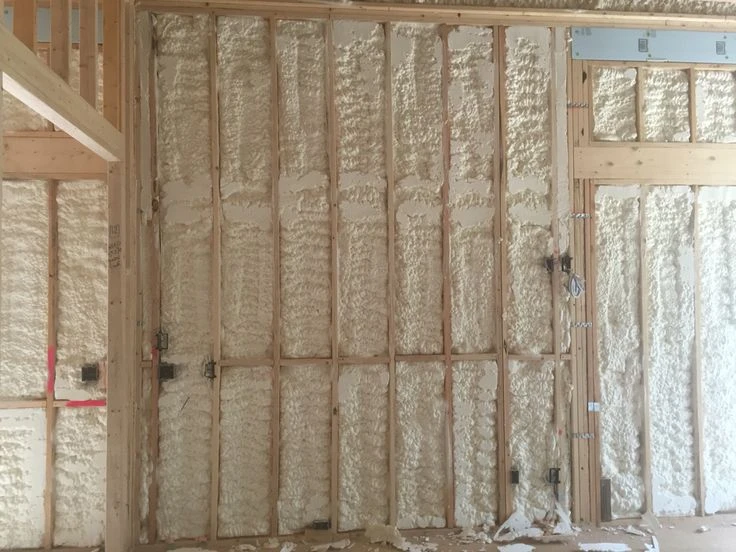
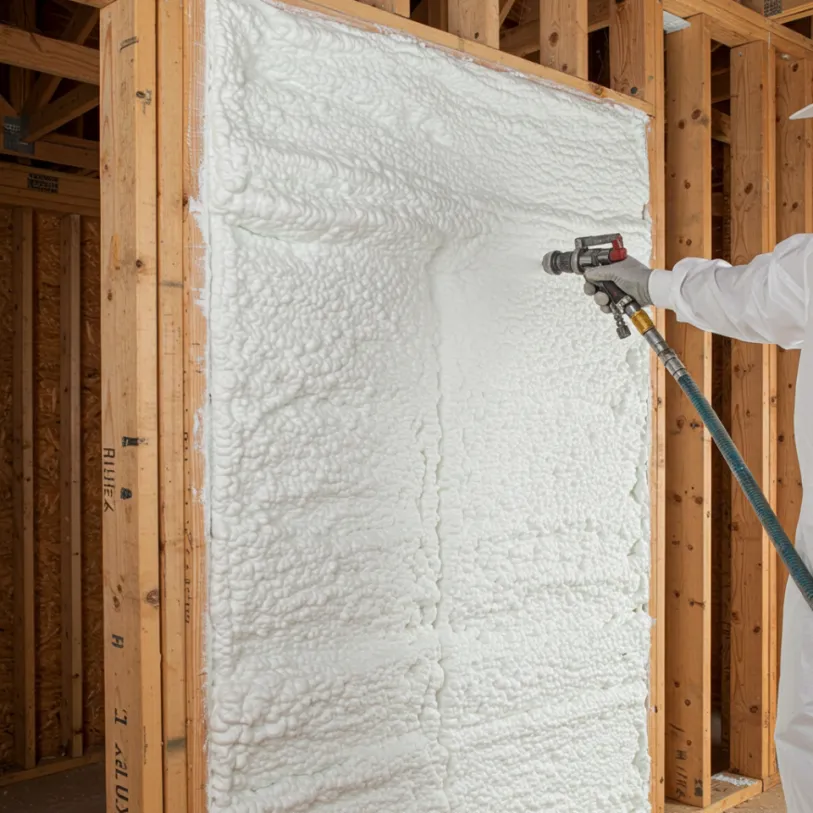
Spray foam insulation creates an air-tight seal that traditional insulation materials cannot match. This air sealing prevents convection heat loss, which accounts for up to 40% of a home’s energy loss, according to Building Science Corporation research. For Clayton homes with high humidity, this moisture resistance provides additional protection against mold and mildew.
R-Value Recommendations for Clayton, NC
According to Energy Star guidelines, the recommended R-values for North Carolina’s climate zone are:
- Attics: R-38 to R-60
- Cavity walls: R-13 to R-15
- Floors: R-25 to R-30
- Crawl spaces: R-19 to R-30
These recommendations account for Clayton’s specific climate conditions and strike a balance between energy savings and installation costs. Going beyond these values offers diminishing returns on investment.
Regional Considerations for Clayton, NC
Clayton’s location in Johnston County presents specific insulation challenges that homeowners must address. The area experiences hot, humid summers with average July highs around 90°F, and cool winters with January lows averaging 30°F. Additionally, the region receives significant rainfall throughout the year, averaging 48 inches annually.
This climate combination makes moisture control as important as temperature regulation. Improperly installed insulation can trap moisture, leading to mold growth and structural damage. Clayton homeowners should prioritize insulation materials that offer both thermal resistance and moisture management capabilities.
Bonus Tip: Crawl Space Sealing
Many Clayton homes have vented crawl spaces that actually increase moisture problems during humid summers. Research from NC State University Extension shows that sealing crawl spaces and insulating the foundation walls rather than the floor above provides better moisture control and energy efficiency in North Carolina’s humid climate.
Local Building Requirements
Johnston County follows the North Carolina Building Code, which requires specific insulation standards for new construction and major renovations. These requirements specify minimum R-values for different home areas and address air sealing requirements. When upgrading insulation, ensuring compliance with local codes protects your investment and maintains property value.
Things to Consider Before Making a Decision
Before investing in insulation upgrades, homeowners should evaluate several critical factors to ensure they’re making the right choice for their specific situation.
Home Age and Construction
The age and construction method of your home significantly impact insulation needs. Older homes in Clayton’s historic districts may have minimal existing insulation and unique challenges like knob-and-tube wiring that affect installation methods. Newer construction might already have adequate insulation in some areas, but lack proper air sealing.
Budget and Return on Investment
Insulation costs vary widely by material and installation method. While spray foam offers superior performance, it comes with higher upfront costs. Calculate the payback period by comparing installation costs against expected annual energy savings. According to Remodeling Magazine’s Cost vs. Value Report, attic insulation upgrades typically recoup 116% of their cost at resale in the Southern United States.
Existing HVAC System
Your current heating and cooling system should influence insulation decisions. An oversized, inefficient HVAC system won’t benefit as much from insulation improvements as a properly sized, modern system. Consider evaluating your HVAC system’s condition before making insulation investments.
Bonus Tip: Energy Audit First
Many Clayton homeowners benefit from a professional energy audit before making insulation decisions. These audits identify specific problem areas using tools like infrared cameras and blower door tests, helping prioritize the most cost-effective improvements rather than blindly adding insulation everywhere.
Final Thoughts
Effective insulation remains one of the smartest investments Clayton homeowners can make for energy efficiency and comfort. The right combination of materials, proper installation, and attention to local climate conditions can reduce energy bills by up to 50% while improving indoor comfort year-round. Before making decisions, evaluate your home’s specific needs, consider professional assessments, and choose solutions that address both thermal and moisture management challenges unique to North Carolina’s climate.
Take time to research local incentives, get multiple quotes, and verify that any contractor understands Clayton’s specific building requirements and climate conditions. The benefits of proper insulation extend beyond monthly energy savings to include increased property value, improved indoor air quality, and enhanced overall comfort.
Ready to Improve Your Home’s Energy Efficiency
For personalized insulation solutions tailored to Clayton’s specific climate conditions, contact Raleigh Excel Spray Foam Insulation at [email protected] or call (919) 301-9435. Their team provides comprehensive energy assessments and professional installation services throughout Johnston County and the greater Triangle area. Schedule a consultation to learn how proper insulation can improve your home’s energy efficiency and comfort.
Frequently Asked Questions
What is the most cost-effective insulation for Clayton homes?
Cellulose insulation often provides the best cost-performance ratio for attics in Clayton homes. For areas requiring air sealing, spray foam offers better long-term value despite higher upfront costs.
Does insulation help with humidity problems?
Proper insulation, combined with air sealing, significantly reduces humidity by preventing moist outdoor air from entering the home. Some insulation materials, such as closed-cell spray foam, provide additional moisture-barrier properties.
Are there government rebates for insulation upgrades?
Duke Energy and other North Carolina utilities frequently offer rebates for insulation improvements. The Inflation Reduction Act of 2022 also provides federal tax credits for home energy efficiency upgrades, potentially covering 30% of insulation costs through 2032.
How often should insulation be replaced?
Most insulation materials last 20-30+ years, but damage from moisture, pests, or improper installation may require replacement. Insulation should be inspected during major home renovations if energy bills suddenly increase.
Sources
- U.S. Department of Energy – Energy Saver – Official government resource on insulation types, R-values, and energy savings potential
- Energy Star – EPA program providing regional insulation recommendations and technical specifications
- NC State University Extension – Crawl Space Research – Research on crawl space sealing and insulation effectiveness specific to North Carolina’s climate conditions