


Commercial insulation functions as an effective bird deterrent primarily by eliminating the conditions birds seek for nesting. Insulation materials fill cavities, seal gaps, and create surfaces that are inhospitable for birds to build nests, roost, or access building interiors. The physical barrier properties, combined with temperature regulation and reduced entry points, make insulated commercial structures significantly less attractive to avian pests seeking shelter or breeding sites.
This article explains the science behind how insulation prevents bird nesting, compares different insulation materials for their deterrent properties, and provides practical guidance for building owners and facility managers. The information comes from years of field experience with commercial insulation installations and observations of their effects on bird behavior across various building types.
Understanding Bird Nesting Behavior in Commercial Buildings
Birds seek specific conditions when selecting nesting sites, which makes commercial buildings attractive targets. They look for sheltered locations, protected from predators and weather, with easy access points and materials for nest construction. Common problem areas include roof cavities, ventilation systems, wall voids, and architectural features that provide overhangs or recesses.
According to research from Bird Control Group, birds typically establish nesting sites within 50 feet of regular food sources and prefer locations that offer thermal stability. Commercial buildings often provide these conditions through heat loss from poorly insulated areas, creating warm spots that birds identify as ideal nesting environments during cooler months.
The economic impact of bird nesting in commercial buildings extends beyond nuisance factors. The National Pest Management Association reports that bird-related damage costs businesses millions annually through contamination, structural deterioration, and compromised HVAC systems. Birds can carry over 60 transmissible diseases, and their droppings are acidic enough to corrode building materials over time.
How Different Insulation Types Deter Nesting
Spray Foam Insulation
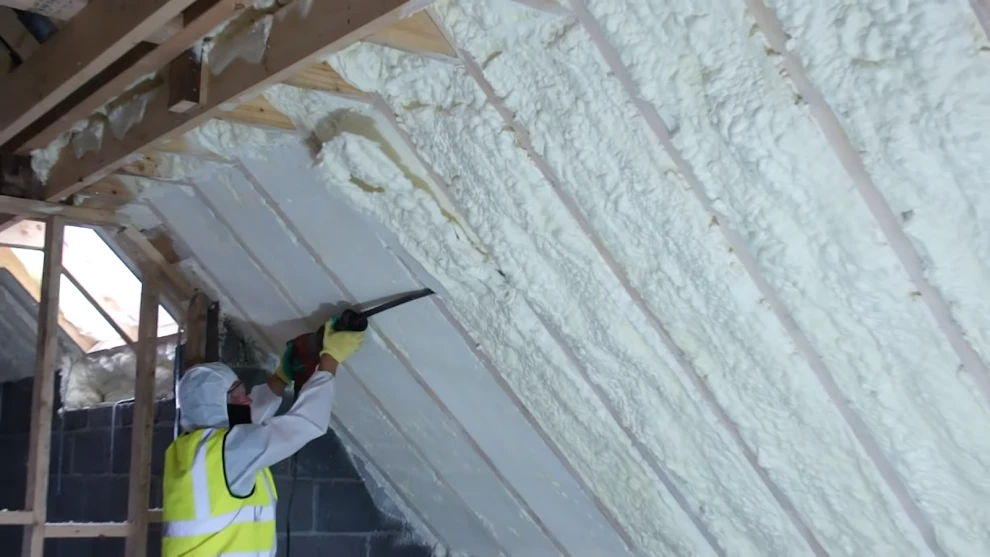
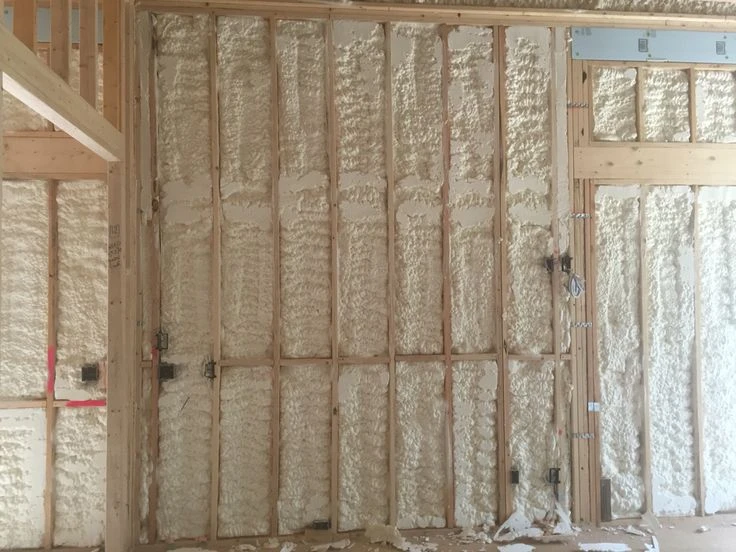
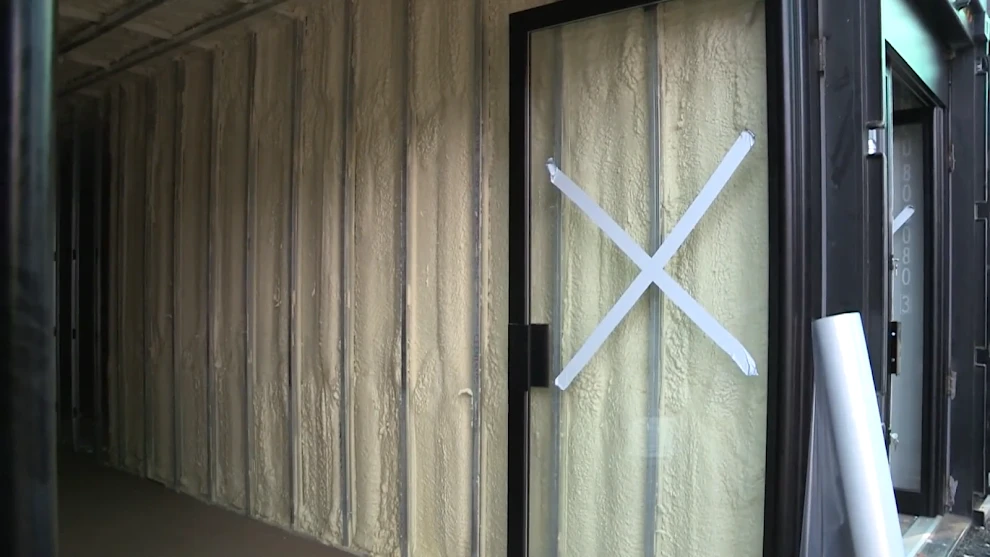
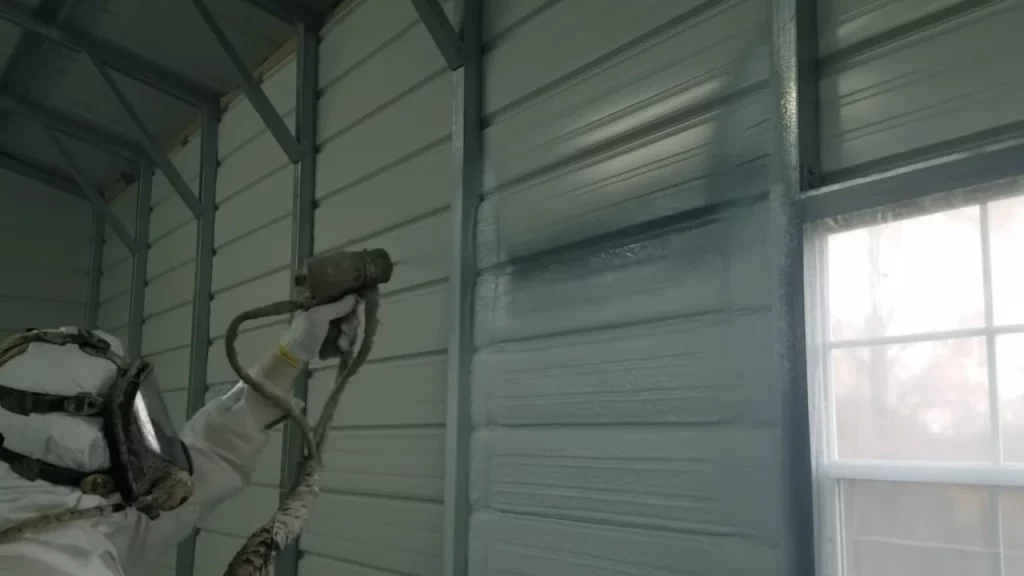
Closed-cell spray foam insulation creates an impenetrable barrier that birds cannot penetrate or use for nesting material. When applied correctly, it expands to fill every crack and crevice, eliminating the small gaps birds typically use to access wall cavities or roof spaces. The cured foam becomes rigid, making it impossible for birds to create openings or hollows for nesting.
Spray foam’s smooth, seamless surface also discourages birds from landing or roosting on treated surfaces. Unlike other materials that birds might grip or shred for nesting, cured foam offers no purchase or usable building materials. Its thermal properties eliminate the warm spots that attract birds seeking heat sources.
Fiberglass and Mineral Wool
While effective for thermal protection, traditional batt insulation like fiberglass can sometimes become nesting material if birds access the cavities. Birds may pull loose fibers for nest construction, though they typically avoid the irritating properties of fiberglass themselves. Proper installation with complete cavity fill and protective barriers prevents this access.
Mineral wool provides better bird resistance than fiberglass due to its denser composition and less appealing texture for nest building. However, like all insulation types, it only functions as a deterrent when properly sealed behind physical barriers that prevent bird access.
Rigid Board Insulation
Rigid foam boards offer good deterrent properties when installed without gaps. The smooth, hard surface prevents birds from gripping or modifying the material. However, seams between boards can create potential access points if not properly sealed with compatible tape or foam sealant.
Bonus Tip: Combining Insulation Types
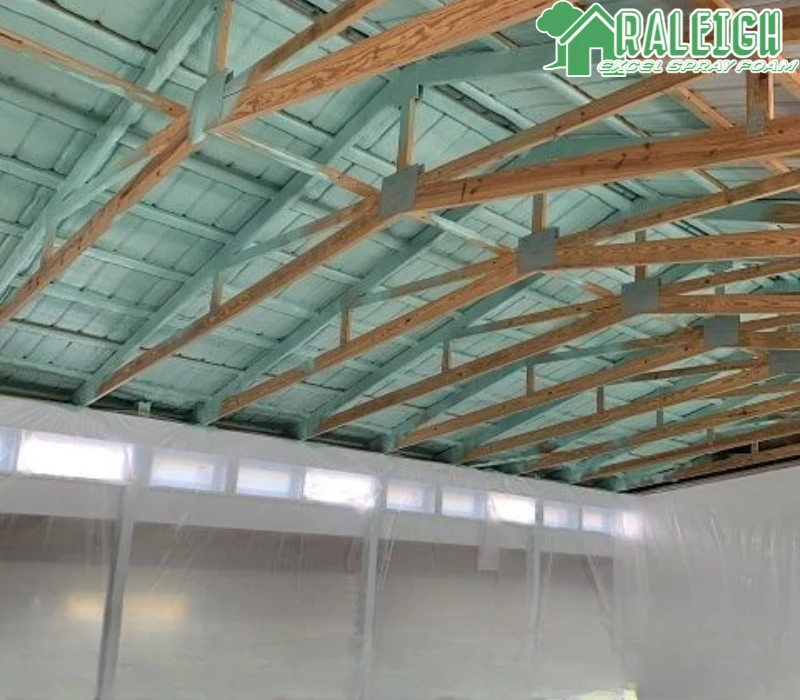
For maximum bird deterrence, Raleigh Excel Spray Foam Insulation often combines closed-cell spray foam for sealing critical access points with rigid board insulation for large surface coverage. This approach provides comprehensive protection while optimizing material costs for large commercial applications.
Comparative Effectiveness of Insulation Materials
| Insulation Type | Bird Deterrent Rating | Installation Complexity | Long-term Effectiveness | Cost Considerations |
|---|---|---|---|---|
| Closed-cell spray foam | Excellent | High | Excellent | Higher initial cost |
| Open-cell spray foam | Good | High | Good | Moderate cost |
| Rigid foam board | Good-Fair | Moderate | Good (if sealed) | Moderate cost |
| Mineral wool | Fair-Good | Low | Fair (if protected) | Lower cost |
| Fiberglass batts | Poor-Fair | Low | Poor (if accessible) | Lowest cost |
The table above demonstrates that spray foam insulation provides the highest level of bird deterrence due to its ability to completely seal spaces and create inhospitable surfaces. While installation requires specialized equipment and training, the long-term effectiveness against bird infestation makes it particularly valuable for commercial applications.
Regional Considerations for Bird Deterrence
Climate significantly influences bird behavior and insulation effectiveness. In warmer regions like North Carolina, birds may seek insulated spaces not for warmth but to escape extreme heat. According to Cornell Lab of Ornithology, different bird species adapt their nesting strategies based on local climate conditions, affecting which building features they target.
Coastal areas face additional challenges with seabirds and waterfowl that are more persistent in accessing buildings. These regions often require more comprehensive insulation strategies combined with physical deterrents to address bird pressure that exceeds typical inland situations.
Bonus Tip: Seasonal Timing Matters
Installing insulation during late summer or early fall provides maximum benefit by preventing fall and winter bird nesting attempts. Many species establish territories and search for winter shelter during these periods, making the installation timing critical for year-round protection.
Things to Consider Before Making a Decision
Building owners should evaluate several factors before selecting insulation for bird deterrence. The existing building condition determines the scope of work needed – older buildings with established bird populations may require remediation before insulation installation. Access challenges, such as hard-to-reach areas or delicate architectural features, can affect both material choice and installation methods.
Local wildlife regulations may impact bird deterrence strategies, particularly for protected species. Building codes and fire safety requirements also influence material selection, especially in commercial spaces with specific occupancy classifications or special hazard considerations.
Budget constraints often drive material decisions, but the total cost should include potential savings from reduced pest control services, lower maintenance costs, and energy efficiency improvements. Some insulation solutions provide multiple benefits that justify higher initial investments over the long term.
Bonus Tip: Professional Assessment Required
Before making insulation decisions, a thorough inspection by qualified technicians identifies all potential bird access points, including those not immediately visible. Hidden vulnerabilities in roof structures, ventilation systems, or foundation areas often become the primary access routes for persistent birds.
Making the Right Choice for Your Building
Selecting insulation for bird deterrence requires understanding your specific building challenges and local bird populations. Spray foam insulation offers the most comprehensive protection by completely sealing access points and creating inhospitable surfaces, though other materials can be effective when properly installed and protected.
Professional assessment ensures all potential vulnerabilities are identified and addressed with appropriate solutions. The investment in quality installation pays dividends through reduced pest control costs, decreased maintenance, and improved energy efficiency, alongside the primary benefit of bird deterrence.
Get Professional Guidance for Your Building
For commercial building owners dealing with bird nesting issues, Raleigh Excel Spray Foam Insulation provides expert assessment and installation services tailored to specific building challenges. Contact the team at [email protected] or call (919) 301-9435 to schedule a comprehensive evaluation of your property’s insulation needs and bird deterrent requirements. The experienced technicians can identify vulnerable areas and recommend appropriate solutions that protect your building while optimizing energy performance.
Frequently Asked Questions
Does insulation type affect the types of birds that might try to nest?
Different bird species have varying capabilities when it comes to accessing building spaces. Smaller birds like sparrows can exploit tiny gaps that larger birds cannot, making complete sealing more critical. Properly installed spray foam prevents access for virtually all species regardless of size.
How quickly do birds abandon nesting attempts when insulation is installed?
Birds typically abandon unsuccessful nesting attempts quickly when they cannot establish secure access or suitable conditions. The immediate physical barrier created by spray foam often prevents birds from even attempting to nest in treated areas.
Can insulation affect bird behavior around buildings beyond nesting?
Yes, insulation can reduce overall bird congregation by eliminating warm spots that attract birds during cold weather and providing fewer roosting opportunities. This secondary effect further reduces related problems like droppings and noise around commercial buildings.
What maintenance is required to maintain bird deterrence effectiveness?
Periodic inspection of insulation integrity, particularly after extreme weather events or building modifications, ensures continued protection. Any damage or new penetrations in the insulation barrier should be promptly addressed to maintain effectiveness.
Does insulation help with bird-related acoustic problems in commercial buildings?
By eliminating cavities where birds can nest and create noise, insulation reduces associated sound transmission. The sound-dampening properties of insulation materials themselves also contribute to quieter indoor environments, though this is secondary to the physical barrier function.
Sources
- Bird Control Group – Research on bird nesting behaviors and site selection criteria for commercial buildings
- National Pest Management Association – Information on economic impacts of bird infestations in commercial structures and health risks
- Cornell Lab of Ornithology – Scientific research on bird species behavior, nesting patterns, and regional adaptations affecting building interactions