


Running a successful business means managing countless moving parts, from operations to marketing to customer service. Yet one of the most overlooked aspects of business management sits right above your head and within your walls: commercial insulation. You’re likely incurring significant unnecessary energy costs annually simply because your building isn’t properly insulated. For commercial property owners and facility managers, understanding insulation isn’t just about comfort, it’s about protecting your bottom line and creating a more sustainable operation.
After years of working with businesses across various sectors, it’s clear that proper insulation strategies can transform a company’s operational efficiency. This guide consolidates decades of hands-on experience into one comprehensive resource that will help you make informed decisions about your commercial insulation needs.
What Is Commercial Insulation and Why It Matters
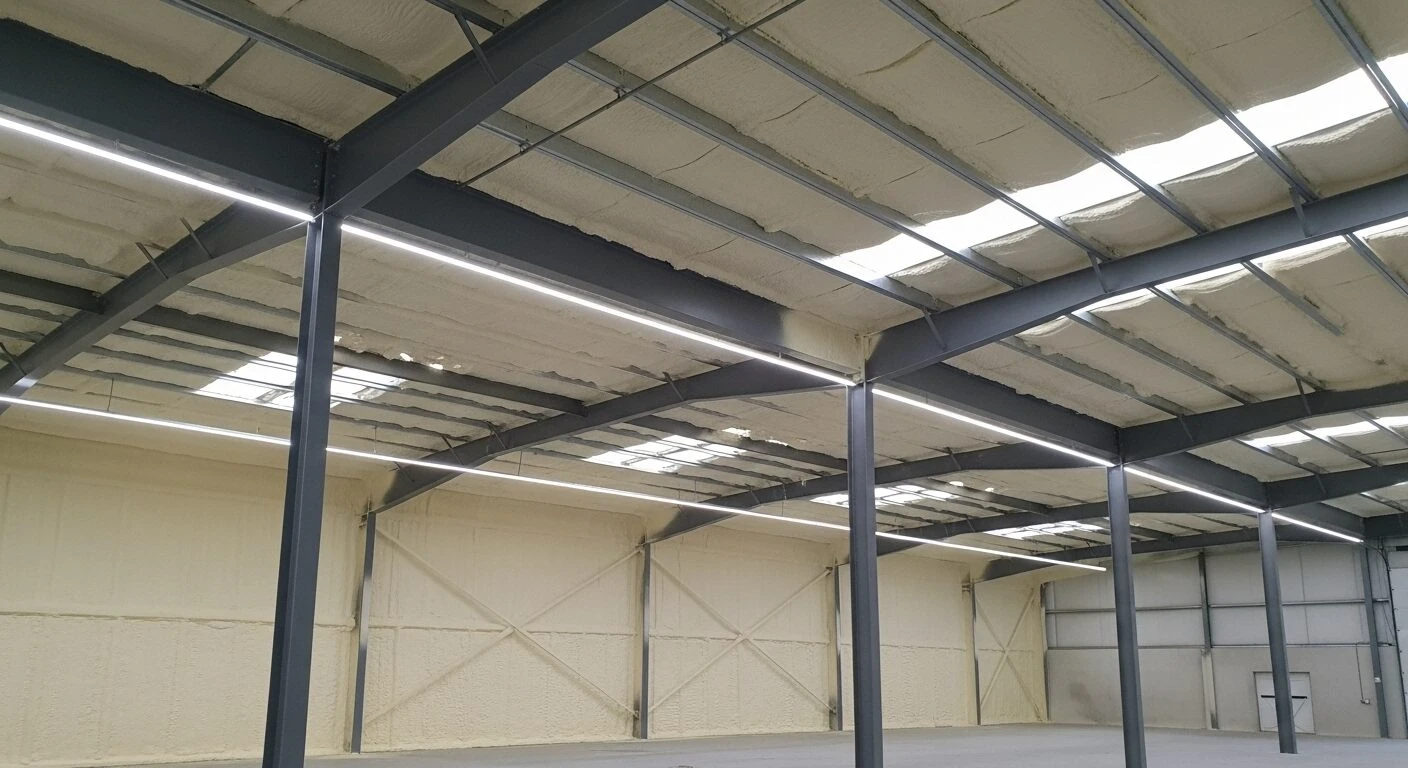
Commercial insulation refers to materials installed in commercial buildings to reduce heat transfer between interior and exterior spaces. Unlike residential insulation, commercial applications must address larger spaces, unique structural considerations, and specific business operational requirements. The primary functions include thermal regulation, sound control, moisture management, and sometimes fire protection.
The impact of proper insulation extends far beyond temperature control. Consider these practical business scenarios: A warehouse storing temperature-sensitive products risks inventory loss without adequate insulation. A retail space with poor insulation creates uncomfortable shopping conditions that drive customers away. An office building with drafts leads to employee discomfort and reduced productivity. Each scenario represents real financial losses that could be prevented with proper insulation.
Energy efficiency represents the most significant benefit. Commercial buildings consume approximately 40% of all energy used in the United States, and a substantial portion goes toward heating and cooling. The U.S. Department of Energy reports that proper insulation can reduce heating and cooling energy usage by 15-30% in commercial buildings. For a business with high climate control expenditures, that translates to substantial potential savings every single month.
Beyond direct energy savings, insulation improvements can increase property values, qualify businesses for tax incentives, and contribute to sustainability goals that appeal to environmentally conscious customers and employees.
Types of Commercial Insulation Materials
Understanding available insulation materials helps you select the right solution for your specific commercial application. Each type offers distinct advantages in terms of thermal performance, installation requirements, and cost-effectiveness.
Spray Foam Insulation
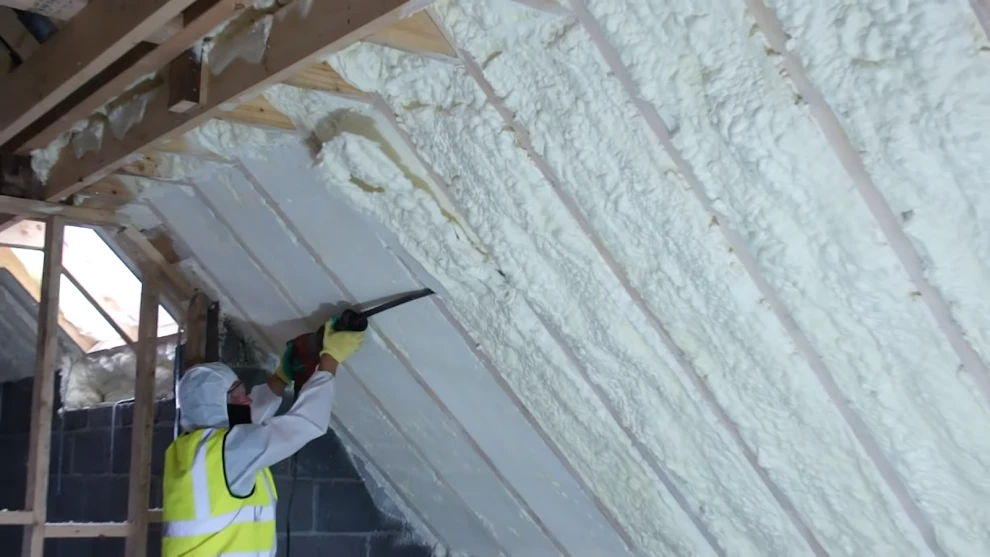
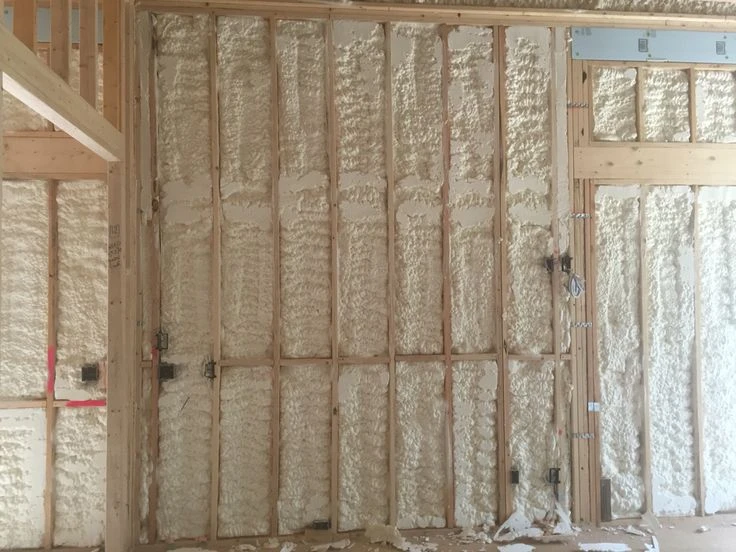
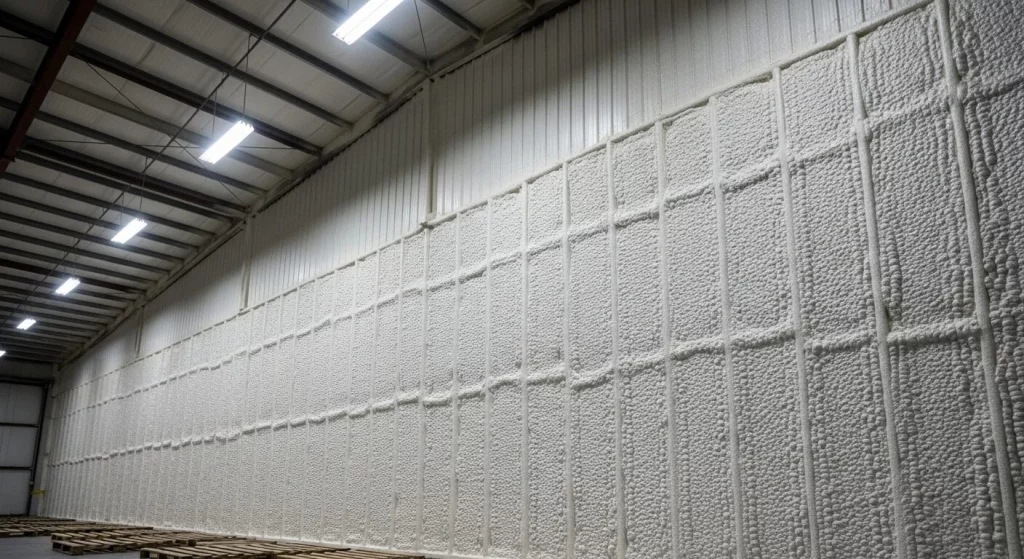
Spray foam insulation has gained significant popularity in commercial applications due to its superior air sealing capabilities. This material expands upon application, filling gaps and creating an airtight barrier that other insulation types cannot match. It comes in two main varieties: open-cell and closed-cell foam.
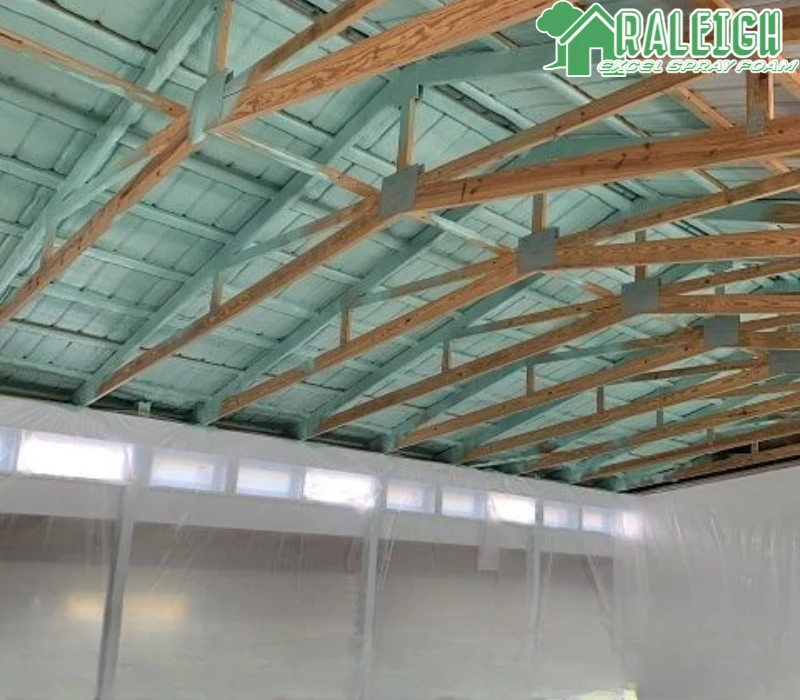
Open-cell spray foam is less dense and more flexible, making it ideal for interior applications where sound dampening is desired. Closed-cell spray foam is denser, more rigid, and offers higher R-values, plus superior moisture resistance. This makes it perfect for exterior applications, roofs, and areas prone to moisture exposure.
Fiberglass Insulation
Fiberglass remains one of the most common commercial insulation options, largely due to its economic viability and ease of installation. Available in batts, rolls, and loose-fill forms, fiberglass provides consistent thermal performance depending on density.
For commercial applications, fiberglass works well in standard wall cavities, attics, and crawl spaces. However, it’s less effective at air sealing compared to spray foam and can lose performance if compressed during installation.
Mineral Wool Insulation
Made from rock or slag fibers, mineral wool offers excellent fire resistance and sound absorption properties. With R-values similar to fiberglass, it provides superior fire protection. Many mineral wool products can withstand temperatures exceeding 2,000°F.
This makes mineral wool particularly valuable for commercial applications requiring enhanced fire safety, such as around mechanical equipment, in multi-story buildings, or in facilities storing flammable materials.
Rigid Foam Board
Rigid foam boards provide high insulation values in relatively thin applications, making them ideal for commercial retrofits where space is limited. Available in three main types: polyisocyanurate, extruded polystyrene (XPS), and expanded polystyrene (EPS), these boards offer high R-values per inch.
Rigid foam works exceptionally well for commercial foundation walls, flat roofs, and exterior insulation finish systems (EIFS). It also serves as an effective continuous insulation layer, addressing thermal bridging that can significantly reduce overall building efficiency.
Table: Commercial Insulation Comparison
| Insulation Type | Relative Cost | Best Applications | Installation Complexity |
|---|---|---|---|
| Open-Cell Spray Foam | Moderate | Interior walls, sound dampening | High (Professional) |
| Closed-Cell Spray Foam | Premium | Roofs, exterior walls, moisture-prone areas | High (Professional) |
| Fiberglass | Economical | Standard walls, attics, crawl spaces | Medium |
| Mineral Wool | Moderate | Fire-rated assemblies, sound control | Medium |
| Rigid Foam Board | Moderate-Premium | Foundations, flat roofs, continuous insulation | Medium-High |
Key Takeaways: Spray foam offers the highest R-values and air sealing but requires a higher initial investment and professional installation. Fiberglass provides the most economical option with easier installation. Mineral wool excels in fire protection, while rigid foam board is ideal for space-constrained applications.
Understanding R-Values and Thermal Performance
R-value measures an insulation material’s resistance to heat flow—the higher the R-value, the better the insulating effectiveness. However, understanding R-values in commercial applications requires looking beyond simple numbers.
Climate Considerations: The U.S. Department of Energy recommends different R-values based on climate zones. For instance, commercial buildings in warm climates might need lower R-values in walls compared to those in cold climates, which require significantly higher resistance. These recommendations account for both heating and cooling demands throughout the year.
Whole-System Performance: Individual R-values don’t tell the complete story. Thermal bridging—heat transfer through structural elements like studs and joists—can dramatically reduce overall system performance. This is why continuous insulation (installed across structural members without breaks) is increasingly required by modern building codes.
Beyond R-Values: Other performance factors include air permeability, moisture resistance, and longevity. Some materials might offer high initial R-values but degrade over time or perform poorly in moisture-prone environments. Understanding these characteristics helps ensure your insulation investment continues delivering value for decades.
Expert Tip: When evaluating insulation options, consider the lifetime value rather than the initial investment alone. A slightly more premium material with better performance and durability often provides superior long-term value through reduced energy usage and fewer maintenance requirements.
The Commercial Insulation Installation Process
Proper installation is just as important as material selection in determining insulation performance. Even the best insulation materials fail to deliver promised results when installed incorrectly. The commercial insulation process typically follows these key stages:
Initial Assessment and Planning
The process begins with a comprehensive energy audit to identify problem areas, establish baseline performance, and determine optimal insulation strategies. This assessment should include:
- Infrared thermography to detect air leakage and thermal bridging
- Blower door testing to measure the overall building airtightness
- Review of existing insulation conditions and performance
- Analysis of HVAC systems and their interaction with the building envelope
- Identification of moisture issues or potential problem areas
Preparation and Safety Measures
Before installation begins, proper preparation ensures both worker safety and optimal results. This includes:
- Sealing major air leaks around windows, doors, and penetrations
- Addressing any moisture problems or water damage
- Ensuring proper ventilation in work areas
- Protecting equipment and inventory from insulation materials
- Following OSHA safety requirements for commercial insulation projects
Installation Techniques by Material Type
Different insulation materials require specific installation techniques:
- Spray Foam Application: Requires trained technicians using specialized equipment to apply the material at correct temperatures and thicknesses. The application must be consistent, with proper overlap to avoid gaps.
- Fiberglass Installation: Requires careful cutting to fit around obstacles without compression, proper placement of vapor barriers, and complete cavity filling without gaps or voids.
- Rigid Foam Installation: Involves precise cutting, proper fastening to prevent movement, and thorough sealing of all seams and joints with compatible tape or sealant.
Quality Assurance and Verification
Post-installation verification ensures the insulation system performs as designed. This includes visual inspection, measurement of thickness, and follow-up testing to measure improvements in airtightness.
Financial Analysis and Return on Investment
Understanding the financial implications of commercial insulation helps justify investment decisions and budget planning. While initial investments vary significantly by material type and application scope, the long-term returns often make insulation upgrades among the most attractive capital improvements for commercial properties.
Initial Investment Considerations
Commercial insulation investments vary depending on material type, application complexity, and geographic location. Generally, interior wall insulation is less capital-intensive than complex roof or exterior retrofit projects. Specific requirements, building access challenges, and local labor markets can also impact final pricing.
Energy Savings and Payback Periods
The financial benefits of improved insulation primarily come from reduced energy consumption. According to Energy Star, commercial buildings can save an average of 10-30% on heating and cooling costs after proper insulation upgrades. For a medium-sized commercial building with high climate control expenses, this represents significant annual savings.
Payback periods vary based on climate, energy rates, and insulation scope but typically range from 2-7 years for most commercial insulation projects. More energy-efficient buildings in extreme climates often experience faster payback periods through greater energy savings.
Key Takeaways: While spray foam insulation requires a higher initial investment, its superior air sealing and higher R-values often result in faster payback periods compared to traditional materials. The specific payback period depends on your local climate, energy rates, and building characteristics.
Additional Financial Benefits
Beyond direct energy savings, commercial insulation improvements provide several additional financial advantages:
- Increased Property Value: Energy-efficient buildings command higher market values and rental rates. Studies show that commercial properties with energy certifications can achieve rental premiums compared to inefficient buildings.
- Tax Incentives and Rebates: Many jurisdictions offer tax credits, rebates, or accelerated depreciation for energy efficiency improvements. The federal government often provides tax deductions based on square footage for commercial buildings achieving specific energy efficiency standards.
- Reduced Maintenance: Proper insulation reduces strain on HVAC equipment, extending equipment life and decreasing maintenance requirements. Many businesses report reductions in HVAC-related repairs after insulation upgrades.
Common Challenges and How to Overcome Them
Commercial insulation projects often face unique challenges that require careful planning and expert solutions.
Working in Occupied Spaces
Many commercial insulation projects must occur while business operations continue. Solutions include phased implementation, night and weekend scheduling, and the use of temporary barriers.
Expert Tip: For businesses requiring continuous operation, schedule insulation improvements during off-peak seasons when heating or cooling demands are naturally lower.
Moisture Management Challenges
Moisture issues can compromise insulation performance. Effective solutions include comprehensive moisture assessments, proper vapor barrier installation, and selection of moisture-resistant materials for vulnerable applications.
Structural and Access Limitations
Commercial buildings often present unique structural challenges. Overcoming these often requires creative engineering solutions, specialized equipment like boom lifts, and coordination with structural engineers to ensure insulation improvements don’t compromise building integrity.
Building Code Compliance
Navigating commercial building codes can be complex. Working with experienced insulation contractors familiar with local codes helps ensure compliance while optimizing performance. Many jurisdictions now require third-party verification of insulation installation for commercial projects.
Maintenance and Longevity of Commercial Insulation
Proper maintenance ensures your commercial insulation investment continues delivering benefits for decades.
Routine Inspection Schedule
Implementing a regular inspection program helps identify issues before they become major problems.
- Annual Visual Inspections: Check for visible damage, moisture signs, or pest intrusion.
- Professional Assessments Every 3-5 Years: Comprehensive evaluation by professionals using thermal imaging.
- Post-Event Inspections: Inspect after roof leaks or major weather events.
Common Maintenance Issues
- Settlement and Compression: Common with loose-fill insulation, reducing R-value over time.
- Moisture Damage: Leaks can reduce effectiveness and encourage mold.
- Pest Intrusion: Rodents can damage materials and create gaps.
Long-Term Performance Expectations
- Spray Foam: 20-30+ years with proper installation.
- Fiberglass: 20-25 years when protected from moisture.
- Mineral Wool: 30+ years with excellent fire resistance retention.
- Rigid Foam Board: 25-30+ years when properly protected from UV exposure.
Future Trends in Commercial Insulation
The commercial insulation industry continues evolving with new technologies and approaches.
Advanced Materials Development
- Aerogel Insulation: Extremely high R-values in thin applications.
- Vacuum Insulation Panels (VIPs): Offers drastically higher R-values than traditional insulation of the same thickness.
- Smart Insulation: Integrated sensors and responsive materials are entering the market.
Regulatory and Standard Changes
- Stricter Energy Codes: Jurisdictions are adopting more aggressive energy codes.
- Carbon Regulations: Increasing focus on building carbon footprints.
- Electrification Requirements: As buildings transition to electric systems, improved insulation becomes critical for managing peak loads.
Putting Your Commercial Insulation Strategy into Action
Implementing an effective commercial insulation strategy begins with understanding your specific building needs and operational requirements. Start by conducting a comprehensive energy audit to establish baseline performance and identify priority areas for improvement.
Remember that insulation upgrades represent long-term investments in your business efficiency. Consider the total lifecycle value rather than just the initial price tag, and prioritize solutions that deliver the best combination of energy savings, comfort improvement, and durability.
Need Expert Guidance?
Navigating commercial insulation options can seem complex, but you don’t have to do it alone. The team at Raleigh Excel Spray Foam Insulation has extensive experience helping businesses identify and implement optimal insulation solutions for their specific needs. Whether you’re considering a complete building retrofit or targeted improvements to problem areas, professional guidance can ensure your investment delivers maximum returns.
For personalized assistance with your commercial insulation project, reach out to the experts at [email protected] or call (919) 301-9435 to schedule a comprehensive building assessment.
Frequently Asked Questions About Commercial Insulation
How long does commercial insulation installation typically take?
Installation timelines vary based on project scope. Small projects might take a few days, while comprehensive upgrades in large buildings can require several weeks.
Will insulation improvements disrupt my business operations?
With proper planning, disruption can be minimized. Contractors often offer phased schedules or after-hours operations. Certain materials may require a brief vacancy in specific areas during application.
How do I know if my existing insulation needs replacement?
Signs include increasing energy bills, uneven temperatures, visible moisture damage, drafts, and ice dams on roofs. Professional energy audits provide the most accurate assessment.
What insulation rebates and incentives are available for commercial properties?
Incentives vary by location but often include rebates, tax deductions, and financing programs. The Database of State Incentives for Renewables & Efficiency provides comprehensive information about available programs in your area.
How does commercial insulation affect indoor air quality?
Properly installed insulation improves indoor air quality by reducing air infiltration that brings outdoor pollutants inside. Selecting low-VOC materials and ensuring professional installation maintains high air quality.
Sources:
- Energy Star – EPA program providing energy efficiency information and certification standards for commercial properties
- U.S. Department of Energy – Official government resource on energy efficiency and insulation guidelines for commercial buildings
- Database of State Incentives for Renewables & Efficiency – Comprehensive database of rebates, tax credits, and incentives for energy efficiency improvements