


When evaluating commercial insulation warranties in Greensboro, NC, focus on coverage duration, material defect protection, installation guarantees, transferability options, exclusion clauses, claim procedures, proration terms, climate-specific protections, and documentation requirements. These nine elements form the foundation of a comprehensive warranty that protects your investment in North Carolina’s varied climate conditions. The following detailed examination will help you identify quality warranties that provide real protection rather than meaningless promises.
Commercial building owners in Greensboro face unique challenges due to the region’s humid subtropical climate, with hot summers and cool winters that test commercial insulation in Greensboro performance year-round. A solid warranty serves as your safeguard against premature insulation failure, but only if it includes specific protections tailored to local conditions and clear, actionable terms. Understanding what makes a warranty valuable versus what makes it merely decorative requires careful attention to detail and knowledge of industry standards.
Coverage Duration and Terms
The length of warranty coverage directly impacts its value. Commercial insulation warranties typically range from 5 to 25 years, with premium products offering lifetime coverage U.S. Department of Energy . Look for warranties that specify exactly what is covered and for how long, avoiding vague language like “normal service life.” Greensboro’s temperature swings can stress insulation materials, making longer coverage periods particularly valuable for commercial properties.
Pay attention to whether the warranty period starts at installation or manufacturing date, as this difference can significantly impact actual coverage time. Also, check for any renewal requirements or conditions that must be met to maintain coverage throughout the warranty period.
Material Defects Protection
Quality warranties specifically cover material defects that compromise insulation performance. This includes manufacturer flaws in the insulation product itself, such as improper cell structure in spray foam, inconsistent density in batts, or degradation in radiant barriers. According to industry data from Building Performance Association, material defects account for approximately 15% of insulation failures in commercial buildings.
The warranty should clearly define what constitutes a material defect and outline the resolution process. Look for coverage that includes both material replacement and associated labor costs, as some warranties only cover the materials themselves, leaving you responsible for installation expenses.
Installation Workmanship Coverage
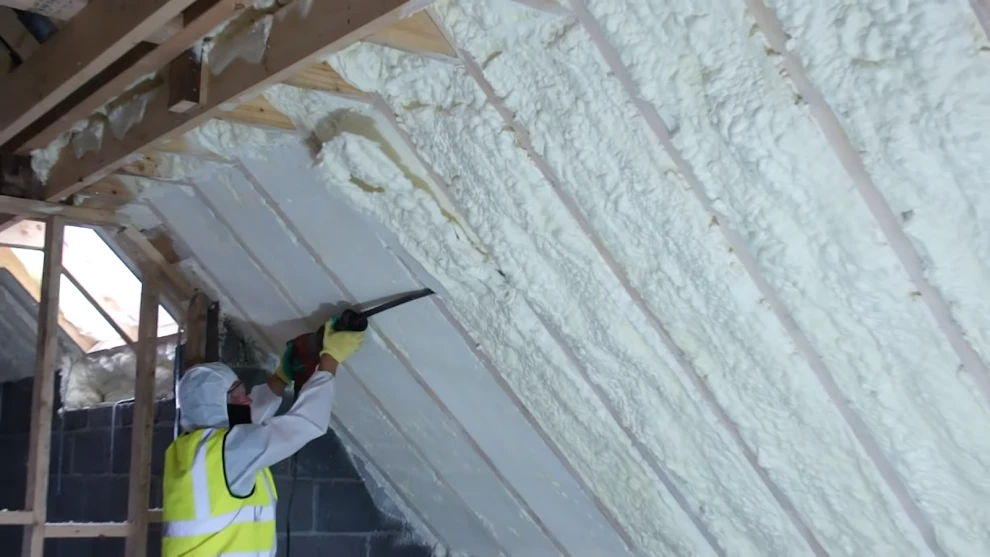
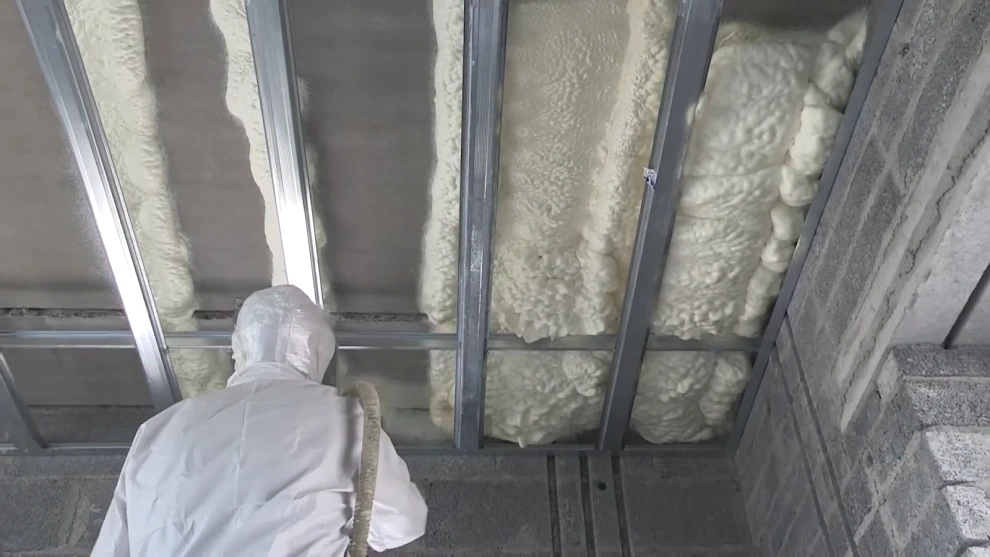
Even the best insulation materials fail without proper installation. A comprehensive warranty should cover workmanship issues that affect performance. This is particularly important for spray foam insulation, where improper mixing ratios, application thickness, or curing conditions can create problems that may not appear immediately.
Check whether workmanship coverage comes from the manufacturer, installer, or a combination of both. The best warranties combine material and installation coverage into a single, seamless protection plan. Remember that manufacturer warranties typically only cover defective materials, not installation errors, making contractor guarantees essential.
Transferability Options
For commercial properties, warranty transferability significantly impacts building value. When selling or leasing a property, the ability to transfer insulation warranties to new owners adds real market value. Look for warranties that allow at least one transfer, preferably multiple transfers, without excessive fees or restrictions.
Some warranties require registration within a specific timeframe after installation to remain transferable. Others may limit transferability to certain types of ownership changes. Understanding these requirements upfront prevents disappointment when property transactions occur.
Exclusions and Limitations
Every warranty has limitations, but the key is understanding them before making your decision. Common exclusions include damage from moisture intrusion, structural settlement, improper modifications after installation, and failure to maintain proper ventilation. In Greensboro’s humid climate, pay special attention to moisture-related exclusions, as they can be particularly problematic.
The warranty should clearly distinguish between what is covered and what isn’t, using straightforward language rather than legal jargon. Avoid warranties with blanket exclusions like “acts of God” without specific definitions. Look for documents that provide examples of covered and non-covered scenarios for clarity.
Claim Process Requirements
A warranty is only as good as its claim process. The best warranties provide clear, step-by-step procedures for filing claims, including required documentation, timelines for response, and resolution methods. Look for warranties that don’t require complex diagnostic testing at your expense or multiple rounds of inspection before approval.
The claim process should specify who handles investigations, how decisions are made, and what remedies are available. Quality warranties offer multiple resolution options, including repair, replacement, or refund, depending on the specific situation and extent of the problem.
Prorated vs. Non-Prorated Coverage
Warranty value decreases significantly with prorated coverage, where benefits decline over time. Non-prorated warranties provide full protection throughout the coverage period, while prorated versions may offer only partial compensation after a certain number of years. The difference becomes especially apparent with longer warranty periods.
For example, a 20-year prorated warranty might only provide 50% coverage in year 10, decreasing to 25% by year 15. This significantly reduces actual protection when you need it most. Always clarify whether coverage is prorated and, if so, how the proration schedule works.
Regional Climate Considerations
Greensboro’s climate presents specific challenges that should be addressed in your warranty. The area experiences significant temperature variations between seasons, with summer highs often exceeding 90°F and winter lows occasionally dropping below freezing. According to North Carolina State Climate Office, the region also receives approximately 45 inches of rainfall annually, creating high humidity conditions.
Your warranty should specifically cover performance issues related to these local conditions, including thermal expansion, moisture resistance, and temperature cycling. Look for language that addresses regional concerns rather than generic nationwide coverage that might not account for local stress factors.
Documentation and Proof Requirements
The strength of your warranty depends on proper documentation and proof of installation. Quality warranties specify exactly what documentation is required to validate coverage, including installation records, material specifications, inspection reports, and maintenance logs. This documentation becomes crucial when filing claims years after installation.
Some warranties require photo documentation of the installation process, while others need signed completion certificates from certified installers. Understanding these requirements upfront ensures proper documentation during installation and prevents disputes later when coverage is needed.
Warranty Comparison Table
| Warranty Feature | Basic Coverage | Standard Coverage | Premium Coverage |
|---|---|---|---|
| Coverage Duration | 5-10 years | 10-20 years | 20+ years/lifetime |
| Material Defects | Limited | Full coverage | Full coverage + labor |
| Installation Workmanship | Not included | 1-5 years | 10+ years |
| Transferability | Not available | One transfer | Multiple transfers |
| Proration | Immediately prorated | After 50% of the term | Non-prorated |
Things to Consider Before Making a Decision
Before selecting an insulation warranty, evaluate your specific building needs, budget constraints, and long-term property plans. Consider the age and condition of your building, as newer construction might benefit from longer warranty periods, while properties slated for renovation in the near future require different coverage levels.
Assess the financial stability and reputation of both the manufacturer and installer. A warranty from a company with a history of honoring claims provides more value than longer coverage from an unreliable provider. Research claim resolution histories through Better Business Bureau records and industry reviews.
Bonus Tips
Request a copy of the actual warranty document before signing any contract, not just a summary page. The complete document contains important details that summaries often omit. Pay special attention to any maintenance requirements that, if not performed, could void your coverage.
Consider warranty values when comparing insulation options with different price points. A slightly more expensive product with comprehensive protection may provide better long-term value than a cheaper option with limited coverage. Factor in potential energy savings and reduced replacement costs when calculating total value.
Making the Right Warranty Decision
Evaluating commercial insulation warranties requires careful attention to coverage details, exclusions, and claim procedures. Focus on comprehensive protection that addresses Greensboro’s specific climate challenges while providing clear, actionable terms for resolution. Remember that the best warranty balances coverage duration with practical accessibility of benefits.
Consider both immediate needs and long-term property plans when selecting warranty coverage. Buildings intended for long-term ownership benefit from extensive protection periods and transferability options, while properties with shorter ownership horizons might prioritize different coverage elements.
Need Professional Warranty Guidance
Understanding commercial insulation warranties in Greensboro requires expertise in both local building conditions and warranty interpretation. Raleigh Excel Spray Foam Insulation provides comprehensive warranty education and documentation services for commercial properties. Our team can help evaluate specific warranty terms and ensure proper installation procedures to maintain coverage validity. For assistance understanding warranty options or documenting existing insulation systems, contact the experts at [email protected] or call (919) 301-9435 for professional guidance tailored to your commercial property needs.
Frequently Asked Questions
What documentation should I keep for warranty claims?
Maintain complete installation records, including material specifications, lot numbers, installation dates, contractor information, and photographic documentation of the installation process. Also, keep all correspondence regarding the warranty and any maintenance records for the insulated areas.
How do moisture exclusions affect warranty coverage in Greensboro’s humid climate?
Moisture exclusions can significantly impact coverage in humid environments. Look for warranties that specifically differentiate between moisture infiltration from external sources and normal humidity exposure. Some warranties cover moisture-related issues caused by condensation, but not leaks or flooding.
Can installation methods void manufacturer warranties?
Yes, improper installation methods can void manufacturer warranties even if the materials themselves are perfect. Always follow manufacturer installation guidelines precisely and use certified installers to maintain warranty validity.
What happens if my insulation installer goes out of business?
If you have a manufacturer-backed warranty that includes workmanship coverage, your protection remains even if the installer closes. Otherwise, installation-only warranties may become worthless without the original contractor to honor them.
Are extended warranty programs worth the additional cost?
Extended warranties can provide value for longer-term building protection, especially when they cover both materials and installation beyond standard periods. Evaluate the extension cost against potential replacement expenses and your intended property ownership timeline.
Sources
- Building Performance Association – Industry association providing research and statistics on building performance and insulation failures in commercial properties
- North Carolina State Climate Office – Official source for North Carolina climate data, including Greensboro temperature and precipitation statistics
- U.S. Department of Energy – Federal resource for insulation standards and warranty guidelines in commercial construction applications