


If you’ve been living in Raleigh for a while, you know how unpredictable the seasons can be. Summer brings humid heat that clings to your walls, and winter sneaks in with cold drafts that never seem to go away—especially if your home isn’t well insulated. It’s no surprise that more and more homeowners are asking whether spray foam insulation is worth the cost.
The short answer? For many homes in Raleigh, it absolutely is. But let’s walk through why.
What Makes Spray Foam So Different?
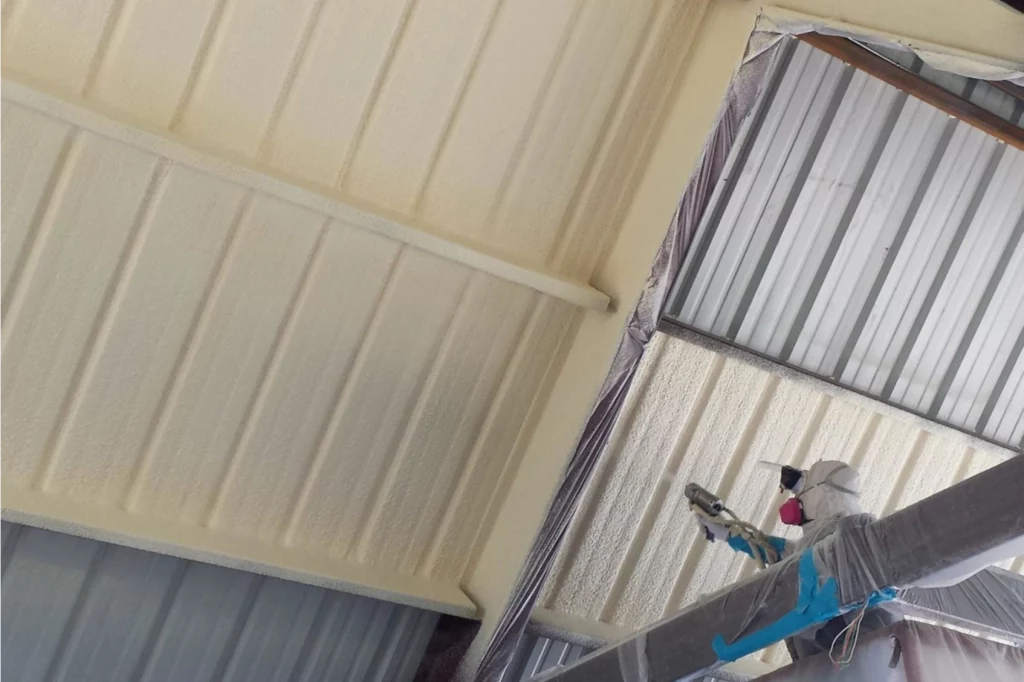
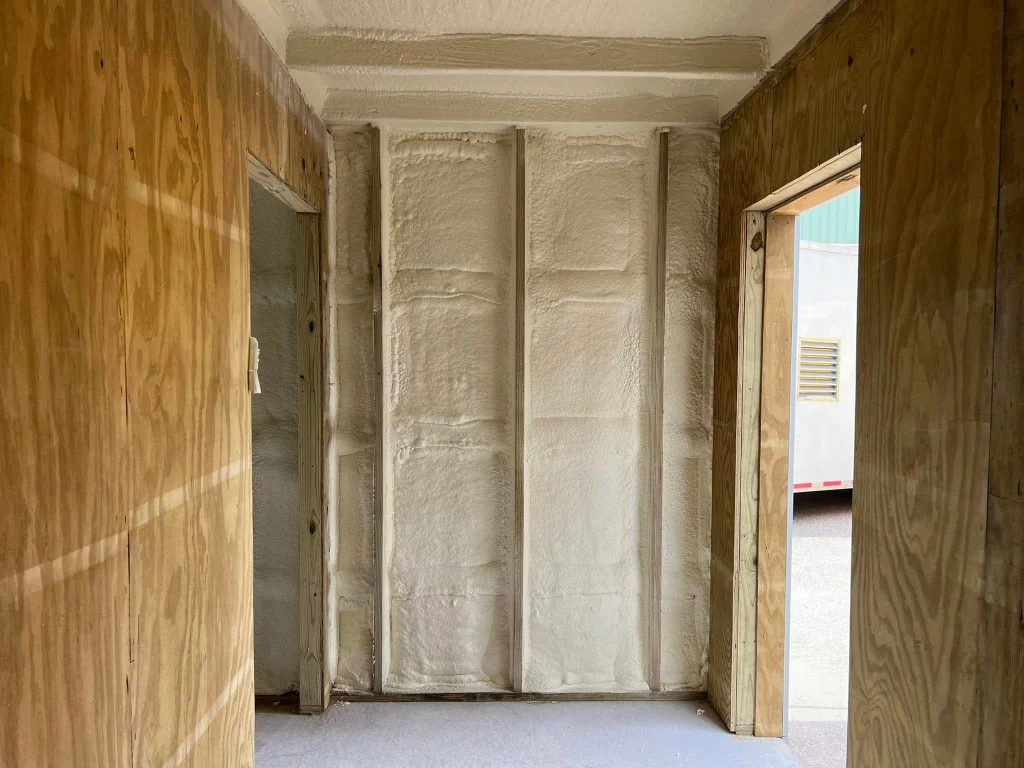
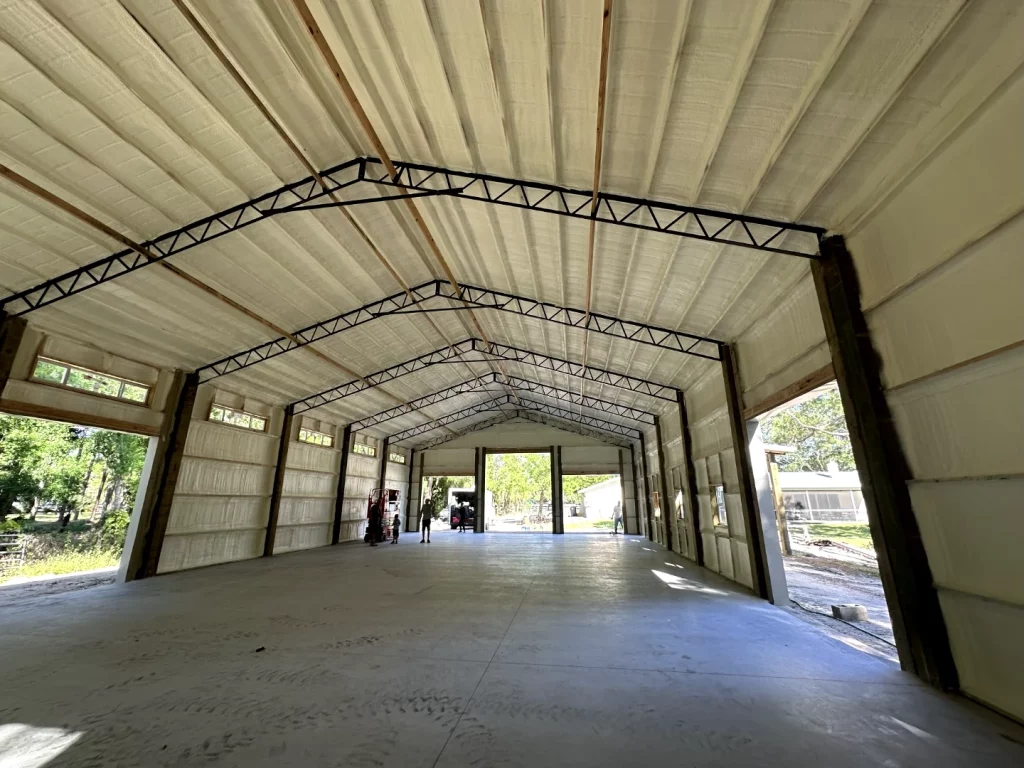
Spray foam doesn’t work like the pink fiberglass rolls most of us are used to seeing in basements or attics. Instead, it expands to fill every tiny space, creating an airtight seal. That seal is key—it keeps the cold out in the winter and the heat out in the summer.
There are two main types:
- Open-cell foam, which is softer and more flexible. Great for interior walls and sound control.
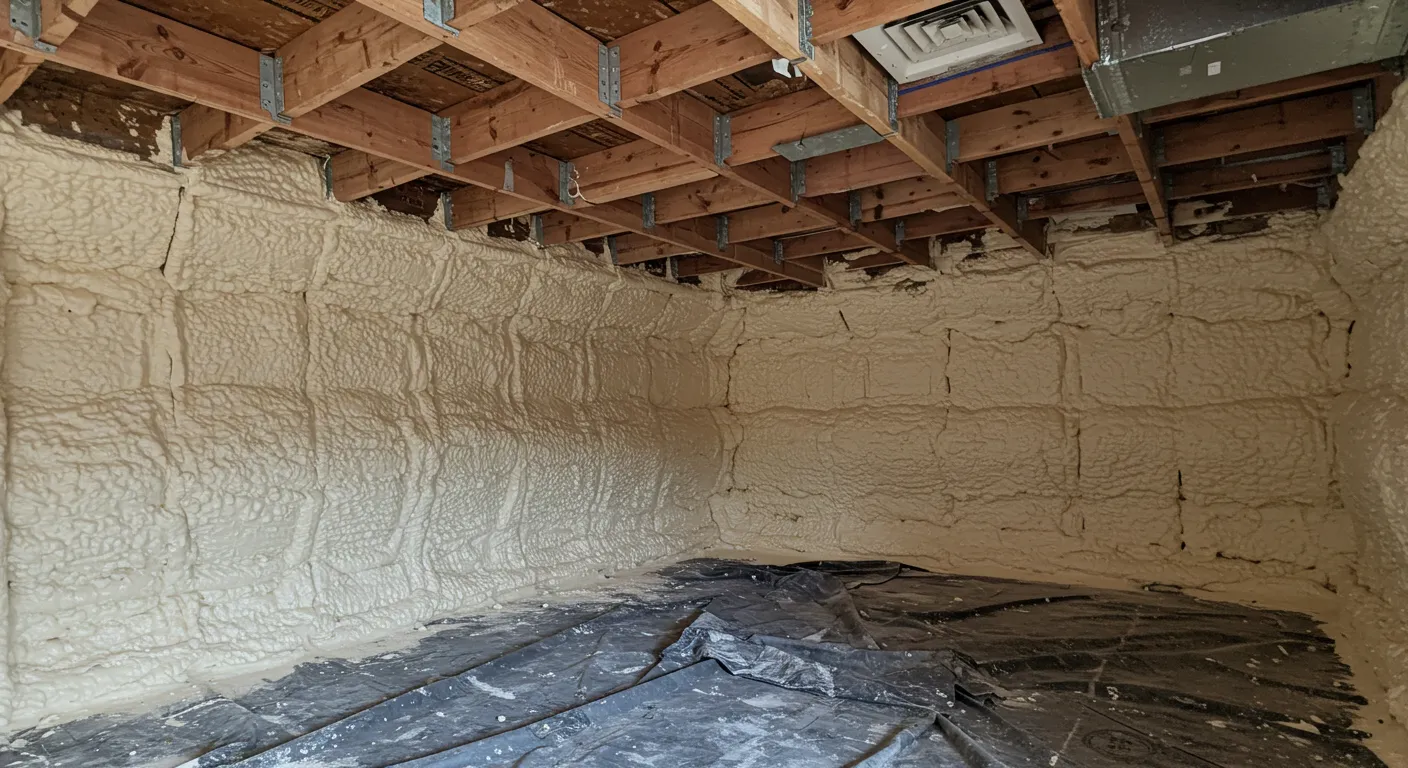
- Closed-cell foam, which is more dense and water-resistant. Ideal for crawl spaces, attics, and exterior walls.
It’s this sealing power that gives spray foam such a high R-value—a measure of how well insulation keeps heat from escaping.
What Does Spray Foam Cost in Raleigh?
Let’s be honest—spray foam isn’t the cheapest option upfront. Depending on your project, it can run anywhere from $2.50 to $4.50 per square foot. For a typical attic or crawl space, that might mean $3,000 to $6,000.
But cost alone doesn’t tell the full story. What matters more is how quickly it pays for itself, and the difference it makes in how your home feels.
How It Compares to Traditional Insulation
Here’s a side-by-side look at how spray foam stacks up against other materials:
| Feature | Spray Foam | Fiberglass or Cellulose |
|---|---|---|
| Seals air leaks | Yes | No |
| Resists moisture | Yes | Not well |
| Lasts for decades | Yes (20–30+ years) | Not always |
| Energy savings | Up to 40% | Often under 20% |
| Mold prevention | Strong | Limited |
The difference really comes down to air. Fiberglass slows air movement. Spray foam stops it.
The Real Savings Over Time
Here in the Raleigh area, heating and cooling can make up over half of your energy bill. When your insulation isn’t doing its job, your HVAC system works overtime—and your bills show it.
On average, homeowners who upgrade to spray foam see a 20% to 40% drop in their utility costs. That means if your electric bill is around $250 a month, you could be saving over $1,000 a year.
So while the upfront cost may feel steep, many folks recoup their investment within three to five years—and continue saving for decades.
Why It’s Perfect for Raleigh Homes
Raleigh’s climate throws everything at your home—heat, humidity, sudden cold snaps. Spray foam is built to handle it all.
Here’s why it works especially well in this region:
- Humidity control: Closed-cell foam acts like a moisture barrier.
- Temperature balance: Keeps your upstairs from baking in summer and freezing in winter.
- Better air quality: Seals out pollen, dust, and outdoor pollutants.
If you’ve ever struggled to keep your second floor cool or noticed musty smells in the crawl space, spray foam might be exactly what your home needs.
Will It Make Your Home More Comfortable?
Absolutely. Homeowners often notice the difference right away. No more hot spots, fewer drafts, and even less outside noise.
We’ve had customers say things like:
“After we had spray foam installed in the attic, the temperature in our upstairs rooms dropped by 12 degrees during July. We barely touched the AC compared to the year before.”
And it’s not just comfort. Spray foam can ease the strain on your HVAC system, which could mean fewer breakdowns and longer equipment life.
Is It a Good Choice for Older Homes?
Yes—and maybe especially so. Many homes in Raleigh were built before energy-efficient construction was standard. That means lots of little leaks and thin walls that do very little to block heat or cold.
Spray foam is perfect for:
- Crawl spaces that attract moisture
- Attics with poor ventilation
- Basements prone to mold
- Wall cavities that leak air like a sieve
In older homes, even partial upgrades—like insulating the attic or crawl space—can make a huge impact.
What’s the Return on Investment Look Like?
Let’s break it down:
- Upfront Cost: Around $4,000 for a typical job
- Annual Savings: Roughly $1,000 on energy bills
- Breakeven Point: Usually within 4 years
- Added Value: Increased comfort, air quality, and home resale appeal
Plus, in some cases, better insulation can help your home qualify for green energy incentives or local rebates.
A Department of Energy study found that even a 1-second delay in HVAC response—caused by poor insulation—can reduce system efficiency by up to 7%.
So, Is Spray Foam Worth It?
When you look at the full picture—comfort, savings, air quality, durability—it’s clear: spray foam is a smart investment for many Raleigh homeowners.
Sure, it costs more at the start. But it pays you back in lower energy bills, a quieter home, better air, and fewer HVAC headaches.
If your home feels drafty, your bills are creeping up, or you just want to make your space more comfortable year-round, spray foam is worth considering seriously.
Thinking About Upgrading Your Insulation?
We’ve helped homeowners across Raleigh seal up their homes and start saving—without a full remodel. Whether you want to insulate your attic, crawl space, or entire house, our team can walk you through every step.
📞 Call us at (919) 301-9435
📧 Email: [email protected]
🌐 Learn more at: https://raleighexcelsprayfoam.com
FAQs
How much can I save on energy with spray foam?
Many homeowners in Raleigh see savings of $800 to $1,500 annually, depending on home size and HVAC use.
Does it help with humidity?
Yes, closed-cell spray foam blocks moisture, making it a great choice for humid crawl spaces and basements.
Is spray foam safe?
Once it cures (within 24 hours), spray foam is safe, non-toxic, and long-lasting.
Can I use it in just one part of my home?
Yes—you don’t have to do everything at once. Many customers start with attics or crawl spaces and expand later.
Does it really last 30 years?
It can. When properly installed, spray foam typically lasts for decades without settling or breaking down.