


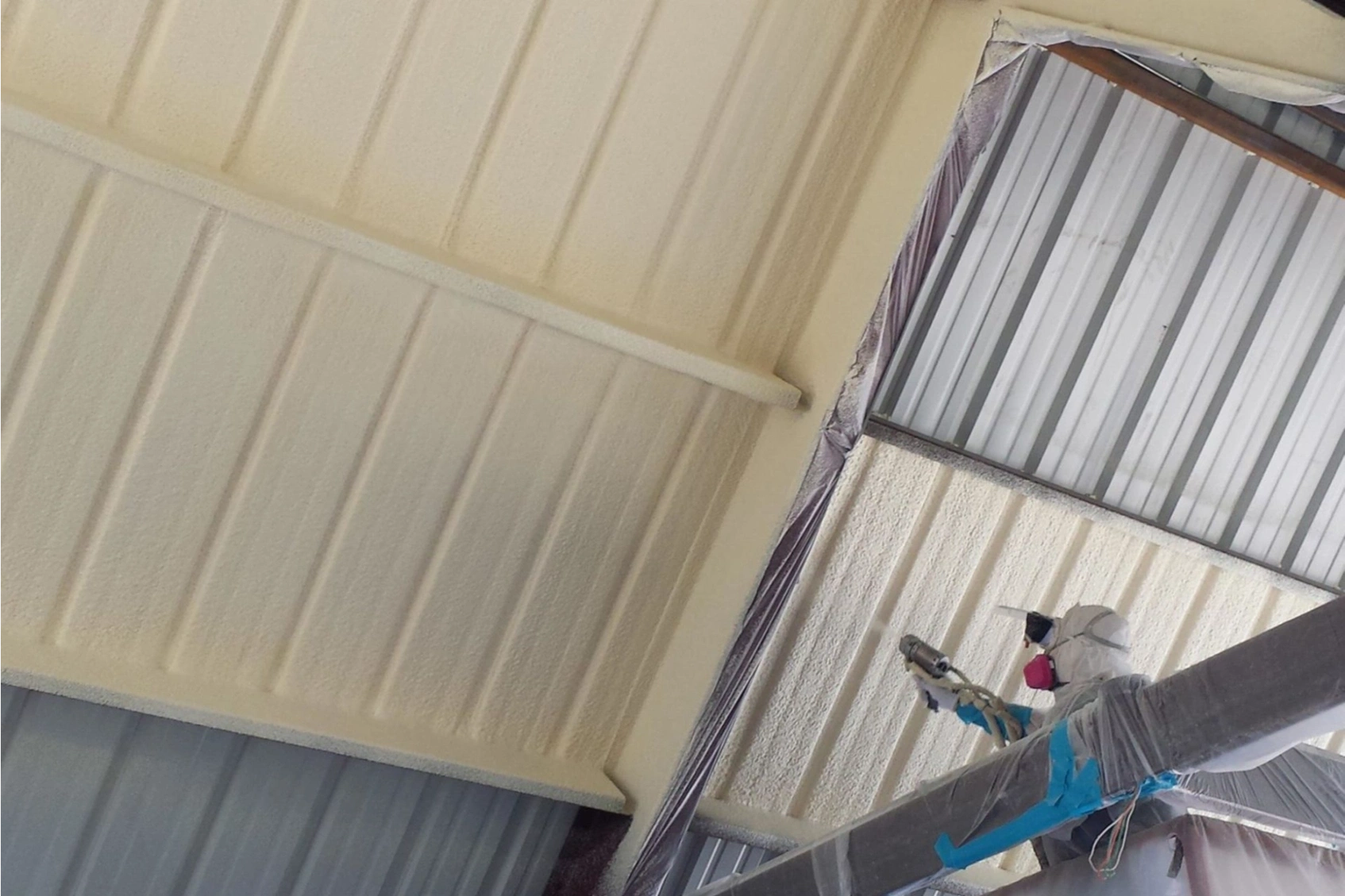
Proper insulation acts as a thermal barrier that stops the movement of heat between the interior of your home and the outdoors. In Raleigh, North Carolina, where humidity and high summer temperatures are common, high-quality insulation services prevent conditioned air from escaping and hot, humid air from entering. This reduction in heat transfer allows your HVAC system to run less frequently, directly leading to lower monthly utility bills and more stable indoor temperatures.
While traditional materials like fiberglass provide a basic level of resistance, spray foam offers a superior seal by filling gaps and cracks that other materials miss. By creating an airtight envelope, you can achieve long-term savings of up to 15% on heating and cooling costs, according to the Environmental Protection Agency. Investing in professional temperature control solutions ensures that your home remains comfortable during the peak of July and the coldest nights of January.
TL;DR
- Cost Efficiency: Upgrading to spray foam can reduce monthly energy bills by 15% to 50%, depending on the existing home condition.
- Climate Performance: Specialized residential insulation handles Raleigh’s high humidity by preventing moisture infiltration and mold growth.
- ROI: Most high-efficiency insulation projects pay for themselves within 3 to 7 years through energy savings.
- Comfort: Eliminates hot or cold spots in rooms, particularly in finished attics and bonus rooms over garages.
- Air Quality: An airtight seal prevents outdoor pollutants, allergens, and dust from entering the living space.
- Sustainability: Reducing energy consumption lowers the carbon footprint of your household.
Understanding the Role of an Insulation Contractor in Raleigh
North Carolina falls within Climate Zone 4, meaning we experience a mix of cold winters and hot, humid summers. If your home was built more than 15 years ago, it likely does not meet current building codes for energy efficiency. As an insulation contractor, we see many homes where the insulation has settled or degraded, leaving the attic and crawl space vulnerable to the elements.
The primary goal of home energy efficiency is to maintain a consistent indoor climate without overworking your mechanical systems. When we install spray foam or blow-in cellulose, we are essentially “wrapping” your home in a protective blanket. This prevents the “stack effect,” where warm air rises and escapes through the roof in the winter, pulling cold air in through the bottom of the house.
Comparison of Performance and Thermal Resistance
The effectiveness of insulation is measured by its R-value, which indicates its resistance to heat flow. However, R-value alone doesn’t tell the whole story. Air leakage accounts for a significant portion of energy loss, which is why the air-sealing properties of spray foam are so valuable.
| Insulation Type | R-Value per Inch | Air Sealing Capability | Lifespan | Best Use Case |
|---|---|---|---|---|
| Closed-Cell Spray Foam | 6.0 – 7.0 | Excellent (Air & Vapor Barrier) | 80+ Years | Crawl spaces, metal buildings, exterior walls |
| Open-Cell Spray Foam | 3.5 – 3.8 | Good (Air Barrier) | 80+ Years | Attics, interior walls, cathedral ceilings |
| Blown-in Cellulose | 3.2 – 3.8 | Moderate | 20–30 Years | Attic floors, existing wall cavities |
| Fiberglass Batts | 2.2 – 2.9 | Poor | 15–25 Years | Standard 16″ or 24″ on-center framing |
Visual Suggestion: Heat Transfer Comparison
Infrared Heat Map Illustration: A side-by-side visual showing a house with poor insulation (deep reds and oranges escaping the roof) versus a house with professional spray foam (cool blues and greens indicating heat retention). This helps homeowners visualize where their money is literally “leaking” out of the house.
How Proper Insulation Lowers Utility Costs
Energy prices in North Carolina continue to fluctuate, but the demand for cooling during the humid summer months is a constant. According to data from Energy.gov, heating and cooling account for roughly 50% to 70% of the energy used in the average American home. By improving your thermal envelope, you decrease the load on your HVAC system.
- Reduced Cycle Times: Your AC unit won’t have to turn on as often because the house stays cool longer.
- HVAC Longevity: When your system runs less, it suffers less wear and tear, delaying expensive replacements.
- Humidity Control: In Raleigh, humidity makes 75 degrees feel like 80. Spray foam helps keep outdoor moisture where it belongs, allowing your dehumidifier or AC to work more efficiently.
Factors That Influence Your Insulation Strategy
Choosing the right material and application method depends on several variables specific to your property. We evaluate these factors during our initial assessment to ensure we provide the most effective temperature control solutions.
- Age of the Home: Older Raleigh homes often have “balloon framing” or settling foundations that require specific air-sealing techniques.
- Existing Moisture Issues: If a crawl space is damp, we must address vapor barriers and drainage before adding insulation.
- Attic Usage: If you use your attic for storage or have HVAC ducts located there, insulating the roof deck (unvented attic) is often better than insulating the floor.
- Budget vs. Performance: While fiberglass is cheaper upfront, spray foam offers a much higher return on investment over time through lower utility costs.
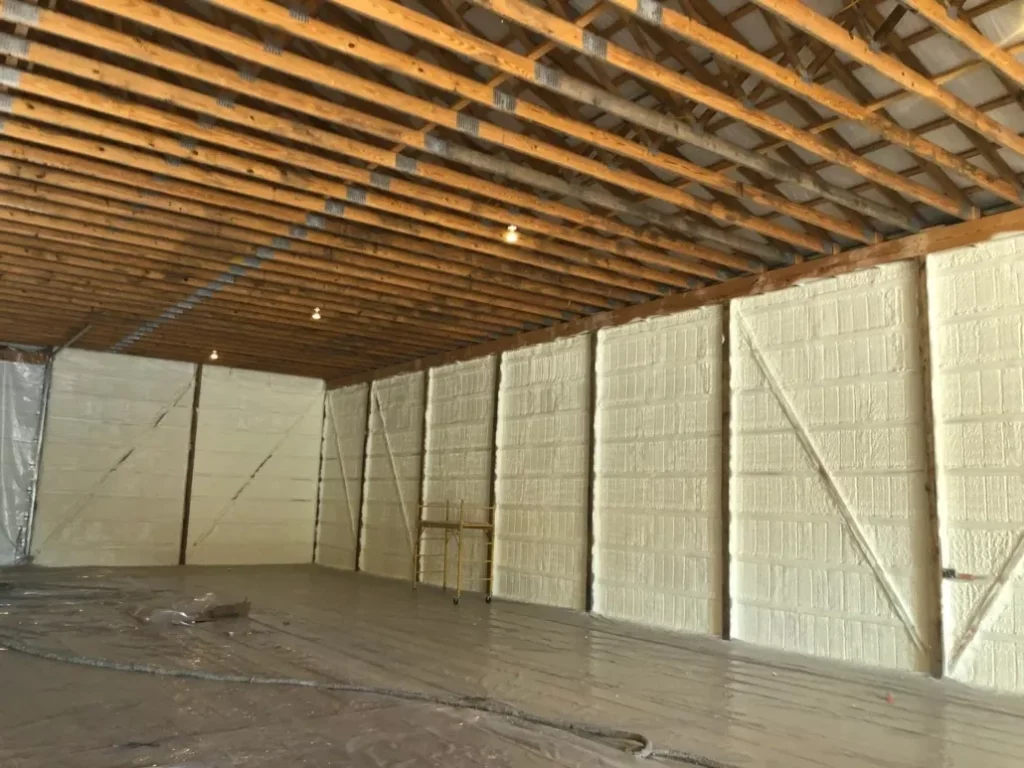
Real-World Scenarios in Raleigh, NC
| Scenario | Property Type | Recommended Option | Estimated Benefit |
|---|---|---|---|
| Hot Bonus Room | Suburban 2-Story | Open-cell spray foam on roof rafters | 20% drop in upstairs temp; reduced AC noise |
| Damp Crawl Space | 1970s Ranch | Closed-cell foam on foundation walls | Eliminated floor drafts and musty odors |
| Drafty Living Area | Historic Home | Injection foam for wall cavities | Significant reduction in heating bills during winter |
| New Construction | Modern Residential | Full envelope spray foam | Maximum energy efficiency and structural strength |
Who This Is For
- Homeowners in the Research Triangle who struggle with high summer electric bills.
- Business owners are looking to reduce overhead by making their commercial spaces more efficient.
- Families dealing with uneven temperatures or “hot rooms” that never seem to stay cool.
- New builders who want to meet and exceed local energy codes.
Who This Is NOT For
- Properties with active, unresolved roof leaks (moisture must be fixed before insulating).
- Homeowners looking for a temporary, 1-year “quick fix” rather than a long-term investment.
- Buildings with antiquated knob-and-tube wiring that hasn’t been inspected for safety.
Visual Suggestion: Bar Chart
Comparison of Annual Energy Savings: A bar chart showing the average annual savings in Raleigh for a 2,000 sq. ft. home using fiberglass ($200 savings) vs. Cellulose ($350 savings) vs. Spray Foam ($600+ savings). This provides a clear financial justification for the upgrade.
The Impact on Indoor Temperature Control
Temperature control is about more than just the number on the thermostat; it is about “mean radiant temperature.” Even if your air is 72 degrees, if your walls are poorly insulated and radiating heat at 80 degrees, you will feel uncomfortable. Professional insulation services in Raleigh, NC, ensure that the surfaces of your walls and ceilings stay close to the desired indoor temperature.
Furthermore, air sealing prevents “micro-drafts.” These are small currents of air that move through electrical outlets, baseboards, and recessed lighting. While small, they collectively disrupt the climate of your home. By utilizing an expert insulation contractor in Raleigh, you ensure these hidden gaps are sealed permanently.
Elevate Your Home Comfort and Savings
Our team specializes in high-performance spray foam applications that transform uncomfortable houses into energy-efficient homes. If you are tired of rising utility bills and inconsistent temperatures, we can provide a comprehensive thermal assessment to identify exactly where your home is losing energy. Our commitment to quality ensures that your investment provides comfort for decades to come.
Request a quote | schedule an assessment
Raleigh Excel Spray Foam Insulation Phone: (919) 301-9435 Email: [email protected]
Contact us today to start saving on your energy costs and enjoy a more comfortable home.
FAQs
How much can I really save on my energy bills in Raleigh?
Most homeowners see a reduction of 15% to 50% after switching to spray foam, depending on their previous insulation levels.
Is spray foam safe for indoor air quality?
Yes, once cured, spray foam is inert and actually improves air quality by blocking outdoor pollutants and allergens.
Does new insulation help with neighborhood noise?
Spray foam and mineral wool have excellent sound-dampening properties that significantly reduce noise from traffic and neighbors.
How long does the installation process take?
Most residential attic or crawl space projects are completed within one to two days with minimal disruption to your schedule.
Is there a tax credit for upgrading my insulation?
Many Raleigh residents qualify for federal tax credits under the Energy Efficient Home Improvement Credit for up to 30% of the project cost.

- Why Commercial Insulation Can Support Large Buildings With Complex Layouts in Durham, NC - October 15, 2026
- How Does Wall Insulation Help Limit Heat Transfer Through Exterior Walls? - October 15, 2026
- How Should Raleigh, NC Property Owners Evaluate Insulation for Long-Term Use? - September 23, 2026