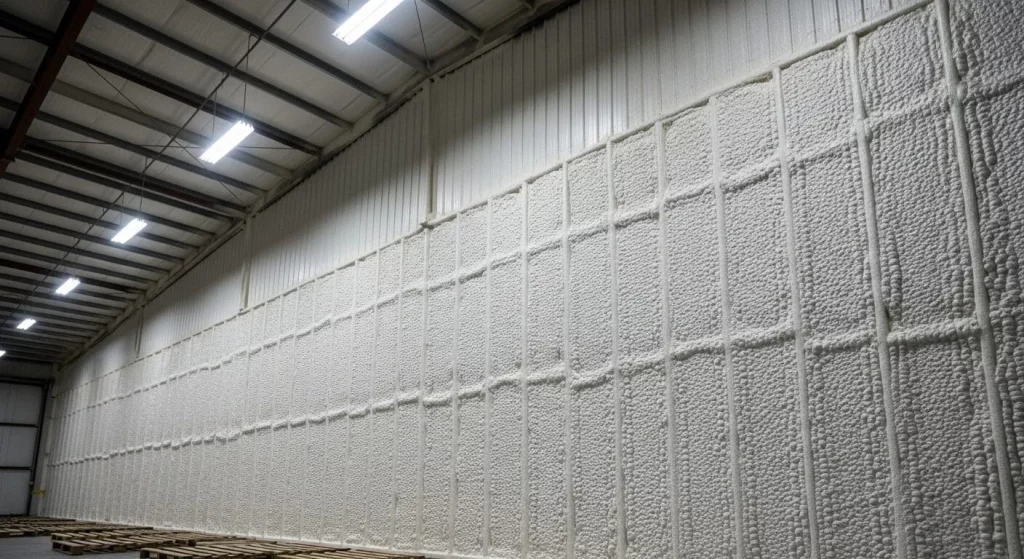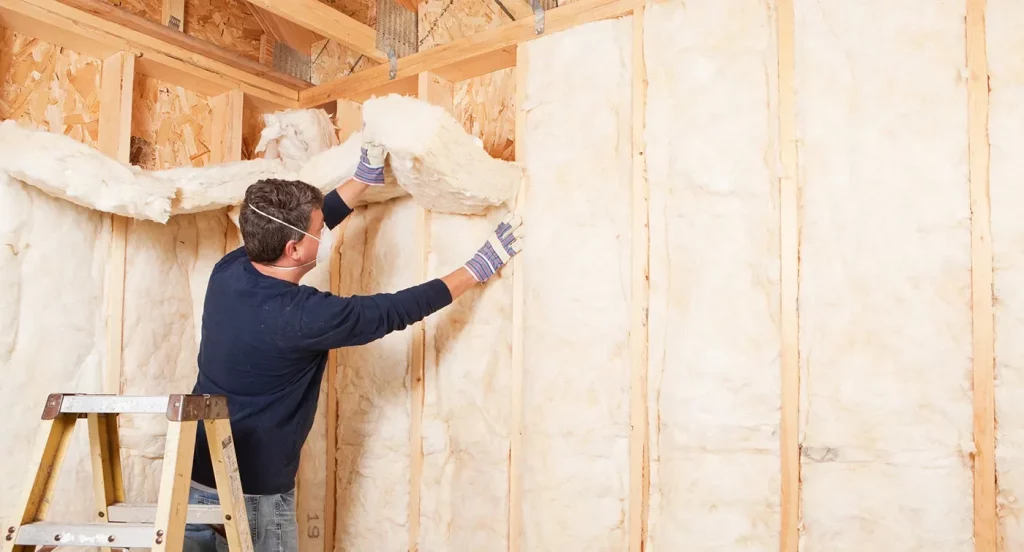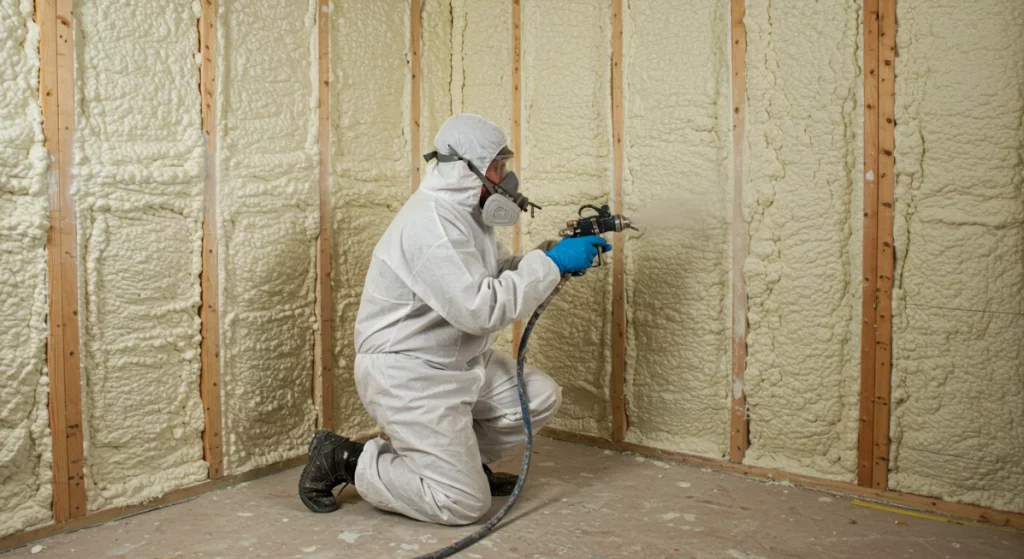



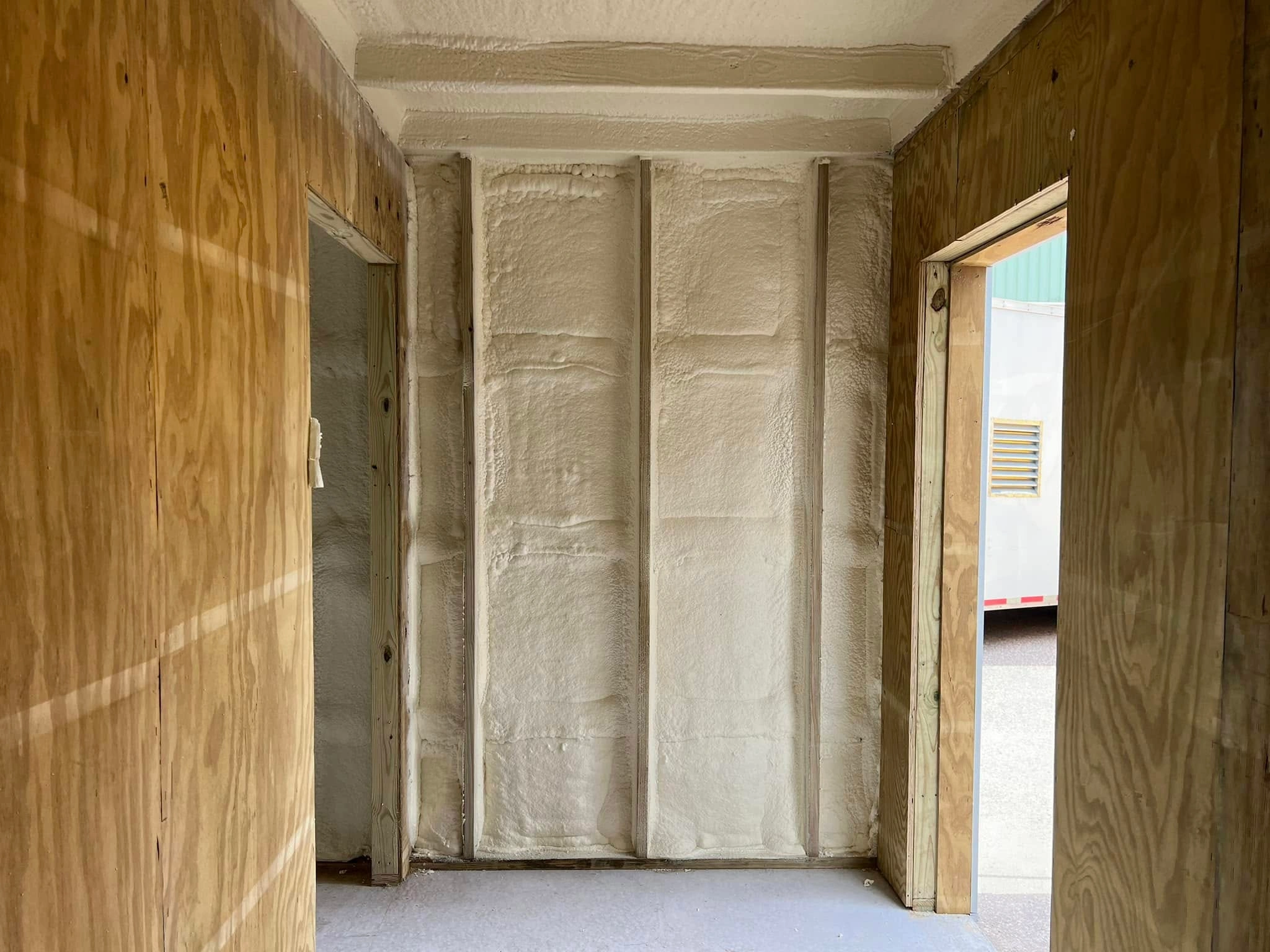
Choosing closed-cell spray foam insulation is a strategic investment for property owners who prioritize long-term structural integrity and maximum energy efficiency. Unlike traditional materials, this high-density foam provides a total air seal, a built-in vapor barrier, and significant structural reinforcement to the building envelope. While the initial investment is higher than open-cell or fiberglass alternatives, the combination of lower monthly utility bills, reduced HVAC wear, and increased building longevity typically results in a favorable return on investment. This material is particularly effective in climates prone to high humidity or extreme weather, where moisture resistance and wind uplift protection are critical.
TL;DR
- Enhanced R-Value: Closed-cell foam offers one of the highest R-values per inch (typically 6.5 to 7.0), allowing for superior thermal performance in narrow wall cavities.
- Structural Rigidity: According to the Federal Emergency Management Agency (FEMA), closed-cell foam is the only insulation material classified as “flood-resistant,” and it can increase wall racking strength by up to 300%.
- Moisture Management: Its non-porous structure acts as a moisture-resistant insulation, preventing the movement of water vapor through walls and reducing the risk of mold growth.
- Long-Term ROI: Property owners can expect energy savings solutions that reduce monthly heating and cooling costs by 30% to 50% compared to traditional insulation methods.
- Lifetime Durability: Once cured, the material does not sag, settle, or degrade over time, maintaining its performance for the life of the structure.
- Comprehensive Air Barrier: It eliminates drafts by sealing tiny cracks and gaps that other materials miss, creating a more comfortable indoor environment.
The Role of High-Performance Insulation in Modern Construction
In modern building science, the focus has shifted from merely filling wall cavities to creating a high-performance building envelope. Closed-cell spray foam insulation plays a central role in this shift because it addresses three critical areas simultaneously: thermal resistance, air leakage, and moisture control.
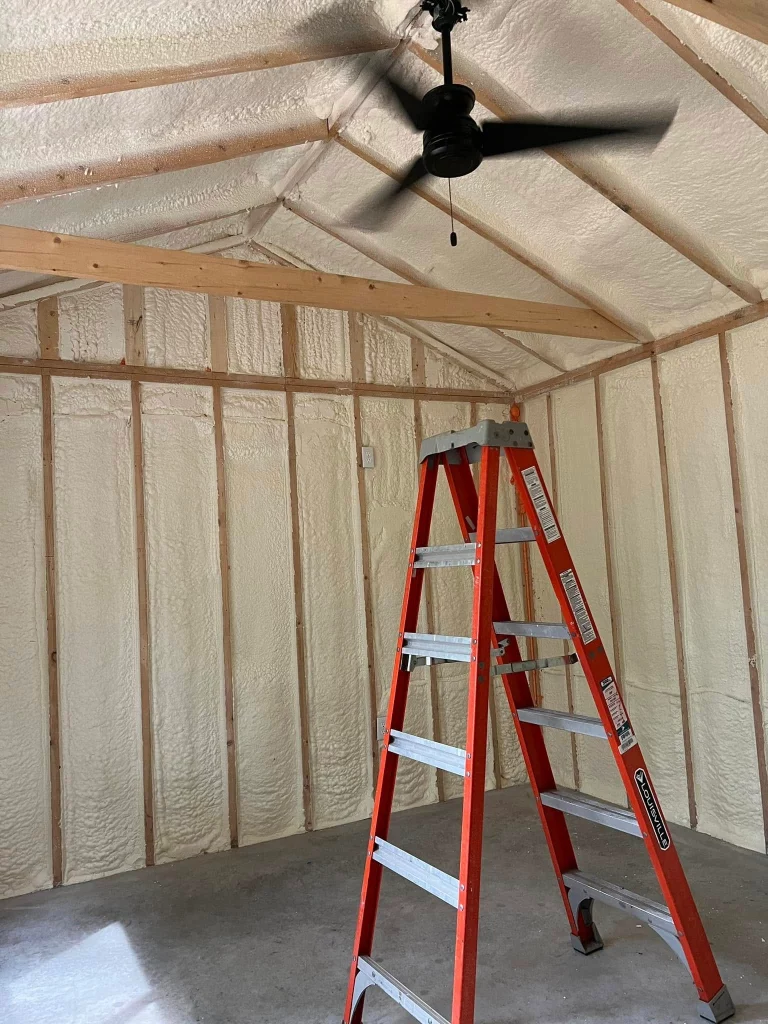
When our team performs a spray foam installation, the liquid chemicals react and expand into a rigid plastic state. Because the cells are closed and packed tightly together, the foam is dense enough to block liquid water. This makes it an ideal choice for flood zones or areas with heavy driving rain. Furthermore, the air-sealing properties mean your HVAC system doesn’t have to work as hard to compensate for lost conditioned air, which extends the lifespan of your mechanical equipment.
Structural Reinforcement and Building Longevity
One of the most overlooked benefits of closed-cell technology is its ability to physically strengthen a building. In stick-frame construction, the foam adheres to the studs and the exterior sheathing, creating a glued-in-place structural panel.
Comparison of Insulation Impacts on Structure
| Feature | Closed Cell Spray Foam | Open Cell Spray Foam | Fiberglass Batts |
|---|---|---|---|
| R-Value per Inch | 6.5 – 7.0 | 3.5 – 3.8 | 2.2 – 2.9 |
| Structural Strength | High (Rigid) | Low (Flexible) | None |
| Moisture Resistance | Waterproof | Permeable | Absorbs Water |
| Air Sealing | Excellent | Excellent | Poor |
| Density | 2.0 lb per cubic foot | 0.5 lb per cubic foot | Low |
The added rigidity is a major factor in structural reinforcement. For buildings in hurricane-prone regions or areas with high wind loads, the National Association of Home Builders (NAHB) has noted that spray-applied polyurethane foam can significantly improve the wind uplift resistance of roof decks. By bonding the roof sheathing to the rafters, our installation helps keep the roof intact during severe pressure changes.
Energy Savings Solutions and Environmental Impact
The financial argument for closed-cell spray foam insulation is rooted in its efficiency. Traditional insulation materials allow air to pass through them (convection), which accounts for a massive portion of energy loss. By providing a continuous air barrier, spray foam eliminates this “chimney effect.”
Data from the U.S. Department of Energy suggests that air leakage can account for up to 40% of the energy used to heat and cool a typical home. By addressing this with high-performance insulation, you are not just saving money; you are also reducing your carbon footprint. A smaller HVAC unit can often be installed in new constructions because the heating and cooling loads are so much lower, leading to further upfront and long-term savings.
Visual Suggestion: Lifecycle Cost Analysis
A bar chart comparing the total cost of ownership (Installation + 20 years of energy bills) for fiberglass, open cell, and closed cell insulation would show that while closed cell has the highest initial cost, it results in the lowest total expenditure over two decades.
Protecting Against Moisture and Mold
Moisture is the enemy of building durability. In humid climates, warm air carries moisture into wall cavities, where it hits cooler surfaces and condenses. This leads to wood rot and mold. Because closed-cell foam is a moisture-resistant insulation, it prevents this humid air from reaching the dew point within your walls.
The Environmental Protection Agency (EPA) emphasizes the importance of moisture control for healthy indoor air quality. By choosing a material that does not absorb water and blocks vapor transmission, you protect the health of the occupants and the integrity of the wooden or metal framing. If a pipe leaks or a roof fails, closed-cell foam does not act like a sponge; it remains intact and does not need to be replaced after a minor water event.
Evaluating the Investment: Is It Right for You?
While the advantages are clear, the application should match the specific needs of the project. We recommend evaluating your choice based on the following criteria:
Recommendations by Audience
- Residential Homeowners: Best for those planning to stay in their home for 5+ years or those building in coastal or high-wind areas. Use it in unvented attics and crawlspaces to create a conditioned “envelope.”
- Commercial Property Managers: Ideal for metal buildings and warehouses where condensation on steel surfaces is a major issue. The structural boost helps with large-span roof decks.
- New Construction Developers: Recommended to meet or exceed modern green building codes quickly. It allows for thinner walls while maintaining high R-values, potentially increasing usable square footage.
- Agricultural Business Owners: Perfect for livestock barns or cold storage where temperature precision and wash-down durability are required.
Signs You’ve Found the Right Approach
Determining if a Closed Cell spray foam strategy is sound requires looking beyond the price tag. You know you have the right approach when:
- Detailed Site Assessment: The plan accounts for your specific climate zone and the current ventilation needs of your building.
- Focus on the Envelope: The strategy targets the “big wins” like rim joists, attic floors, and crawlspaces, rather than just random walls.
- Manufacturer Compliance: The materials used are high-grade and applied at the correct temperatures and pressures to ensure a proper chemical reaction.
- Transparent ROI Projections: The provider can explain how the upfront cost will be offset by specific energy savings and maintenance reductions.
Achieving Peak Performance with Raleigh Excel Spray Foam Insulation
Our team specializes in providing premium insulation services that transform the comfort and durability of your property. We use the latest technology to ensure every application provides a perfect seal, protecting your investment for decades to come.
[Request a free quote] [call for an assessment ]
Company Name: Raleigh Excel Spray Foam Insulation Email Address: [email protected] Phone: (919) 301-9435
Contact our specialists today to see how we can make your building more resilient and energy-efficient.
FAQs
How much does closed-cell spray foam increase home value?
While specific amounts vary, high-performance insulation improves the Home Energy Rating System (HERS) index, which appraisers and buyers increasingly value for lower operating costs.
Can closed-cell foam be used in existing homes?
It is most easily applied during renovations when walls are open, but it is excellent for insulating accessible attics, basements, and crawlspaces.
Does closed-cell foam emit odors after installation?
When applied correctly by our professionals, the foam off-gasses quickly and is completely inert and odorless within 24 to 48 hours.
Is it possible to over-insulate a building?
While you can’t have too much R-value, a building can be “too tight,” so we always ensure your strategy includes proper mechanical ventilation for fresh air.
How does it compare to open-cell foam for soundproofing?
Closed cell is denser and better at blocking low-frequency noise, though open cell is often preferred for high-frequency sound absorption between interior rooms.

- Why Commercial Insulation Can Support Large Buildings With Complex Layouts in Durham, NC - October 15, 2026
- How Does Wall Insulation Help Limit Heat Transfer Through Exterior Walls? - October 15, 2026
- How Should Raleigh, NC Property Owners Evaluate Insulation for Long-Term Use? - September 23, 2026