


Spray foam insulation is one of the most effective ways to keep your home energy-efficient, but safety concerns often come up. The good news is that when installed properly, spray foam is generally safe for homeowners and families.
Here’s a quick snapshot:
- Proper installation is key: Certified professionals reduce health risks.
- Ventilation matters: Ensuring adequate airflow prevents chemical buildup.
- Long-term benefits: Properly cured foam can last decades with minimal risk.
Let’s break it down and answer everything you need to know about spray foam insulation in 2026.
How Spray Foam Works
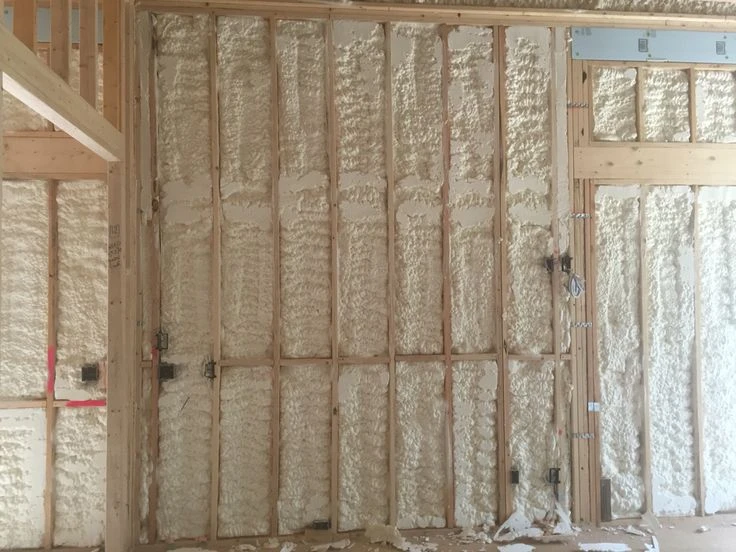
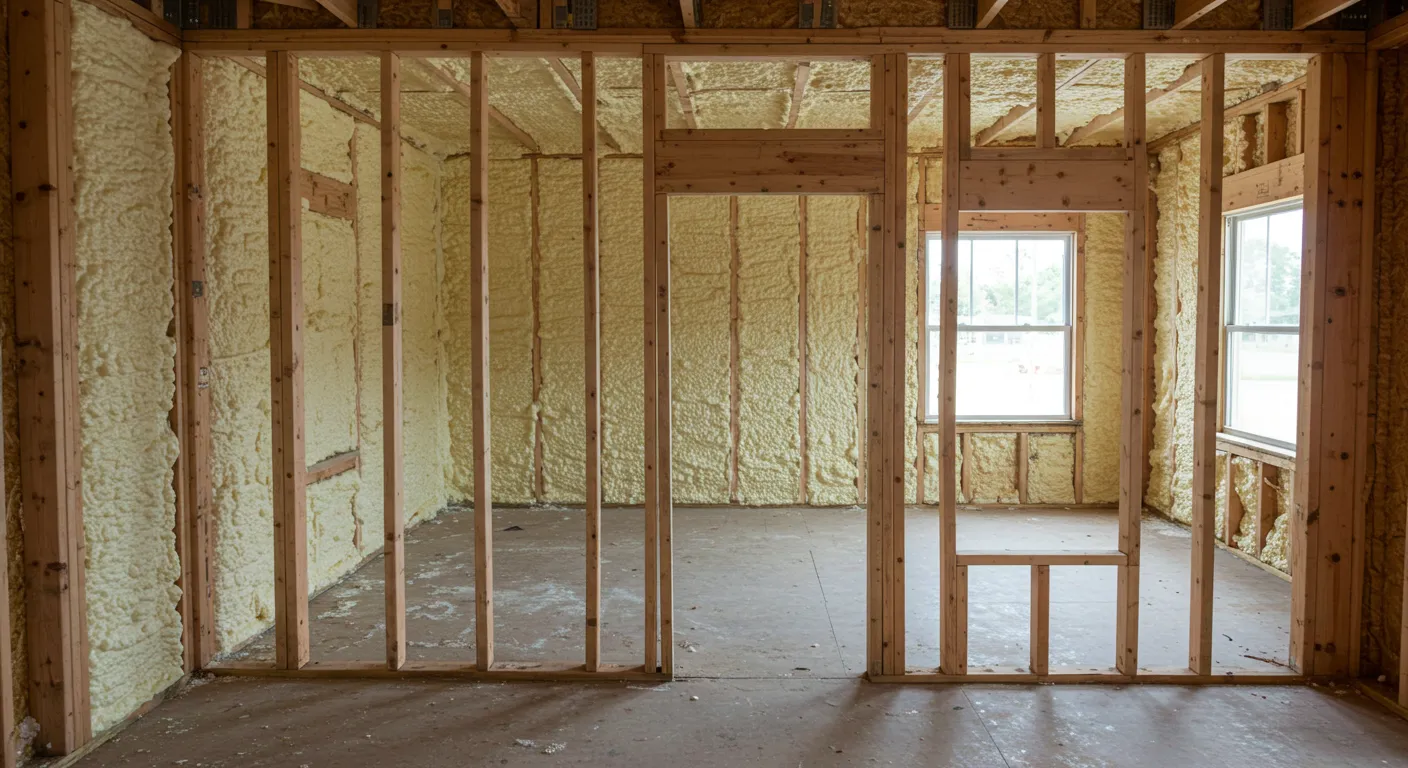
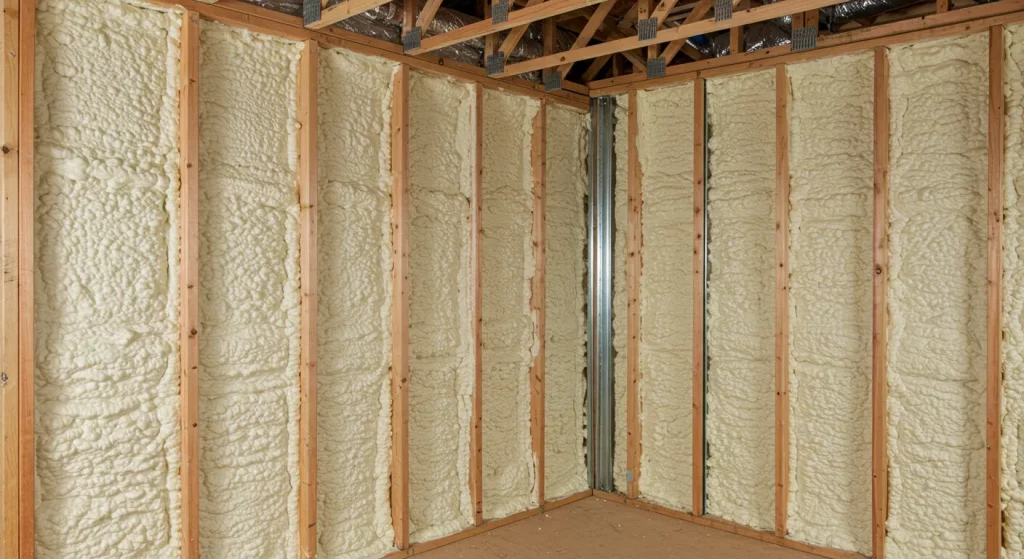
Spray foam insulation is made of two main chemicals: isocyanate and polyol resin. When combined, they expand to fill gaps and create a tight air seal. This expansion not only improves energy efficiency but also prevents drafts and moisture infiltration.
Unlike traditional fiberglass or cellulose, spray foam can create a continuous barrier, reducing energy loss by up to 50% in some homes, according to data from the U.S. Department of Energy.
Cheap Material = Bad Insulation
Using subpar spray foam products or untrained installers can lead to serious problems:
- Incomplete curing: Foam that doesn’t set properly can release harmful fumes.
- Moisture issues: Poorly applied foam can trap water, leading to mold.
- Structural damage: Low-quality foam may shrink or pull away, reducing effectiveness.
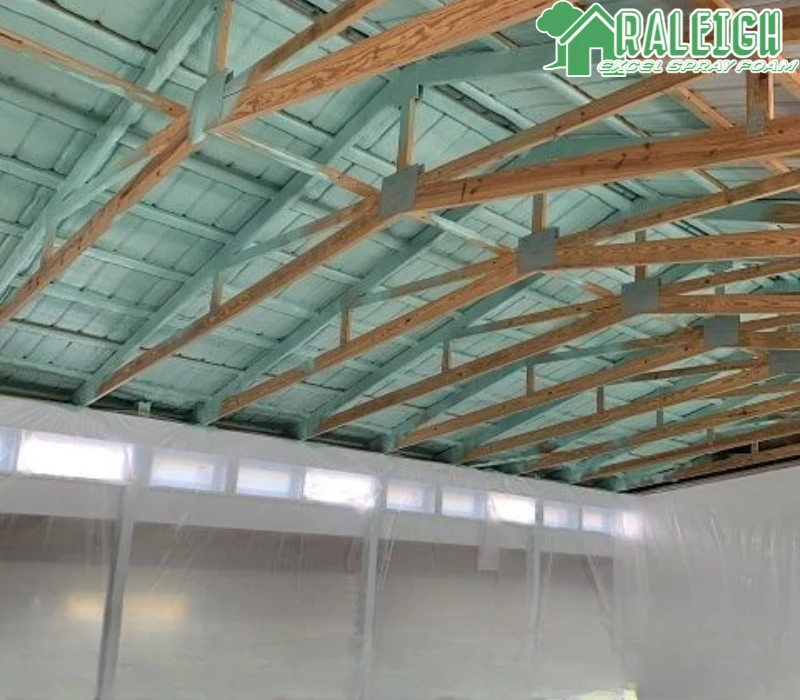
A professional installation from a certified company like Raleigh Excel Spray Foam Insulation ensures your insulation is safe, long-lasting, and effective.
Are There Health Risks?
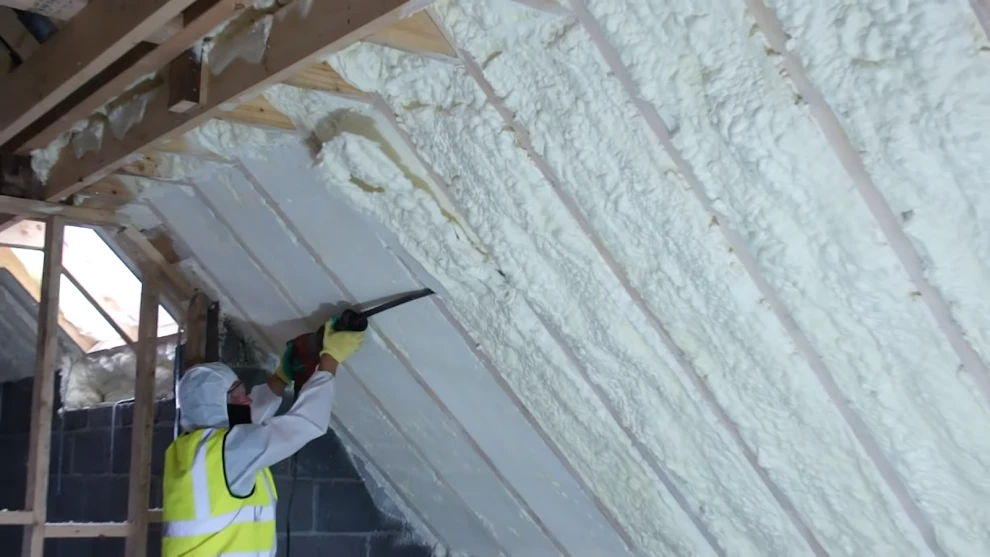
During installation, the chemicals in spray foam can irritate skin, eyes, and lungs. Workers usually wear protective gear, and it’s recommended that homeowners stay out of the area until the foam cures.
Once fully cured, spray foam is considered inert. According to the EPA, properly cured foam does not pose long-term health risks. Ensuring proper ventilation during and after installation is crucial.
Safety Tips for Homeowners
- Hire certified installers – Look for licensed professionals who follow safety protocols.
- Allow proper curing – Wait at least 24–48 hours before re-entering treated spaces.
- Ensure ventilation – Open windows and use fans to circulate air during installation.
- Check for off-gassing – A faint chemical smell can indicate foam is still curing.
Spray Foam and Fire Safety
Closed-cell spray foam is naturally fire-resistant, but like any material, it should be covered with a thermal barrier. Building codes often require a 15-minute fire-rated barrier for interior foam.
For extra peace of mind, the National Fire Protection Association recommends keeping insulation away from heat sources and electrical components.
Environmental Considerations
Spray foam has a higher initial environmental footprint than cellulose, but its energy efficiency offsets much of that over time. Homes insulated with foam can reduce heating and cooling costs by up to 30%, cutting greenhouse gas emissions.
Proper disposal of leftover chemicals is essential. Certified installers follow EPA guidelines to ensure minimal environmental impact.
Cost vs. Safety
It might be tempting to save money by choosing a cheaper product or installer, but cutting corners can lead to:
- Poor insulation performance
- Health hazards from uncured foam
- Moisture and mold issues
- Shortened lifespan
Investing in professional installation protects both your health and your home’s value.
Bonus Tips for Maximum Safety
- Check installer credentials: Look for certifications from the Spray Polyurethane Foam Alliance.
- Monitor indoor air: A small indoor air quality monitor can detect any lingering VOCs during curing.
- Seal all gaps: Spray foam works best when applied to clean, dry surfaces without debris.
Signs of Poor Installation
- Gaps or voids in foam coverage
- Persistent chemical odor after 48 hours
- Uneven expansion or shrinking foam
- Visible mold or moisture buildup
If you notice any of these signs, contact your installer immediately. Proper remediation prevents long-term health and structural issues.
Why Choose Raleigh Excel Spray Foam Insulation
At Raleigh Excel Spray Foam Insulation, we prioritize safety, quality, and energy efficiency. Our certified team ensures:
- Precise installation to prevent off-gassing and gaps
- High-quality materials that meet all safety standards
- Long-term support to maximize lifespan and energy savings
Call us today at (919) 301-9435 or email [email protected] to schedule a consultation.
Ensuring Safe Spray Foam Insulation
Spray foam insulation is highly effective and safe when installed correctly. The most important factors are hiring experienced, certified installers, allowing the foam to cure fully, and maintaining proper ventilation during and after application. Using high-quality materials ensures the insulation performs optimally without releasing harmful fumes or causing moisture issues. When these steps are followed, spray foam can provide long-lasting energy savings, improved indoor comfort, and reliable protection for your home. Prioritizing safety and quality from the start means you can enjoy the full benefits of spray foam insulation for decades with peace of mind.
FAQs
Is spray foam insulation safe for homes and families?
Yes, spray foam insulation is safe when installed by certified professionals and allowed to fully cure. During installation, proper ventilation and temporary vacating of the space are recommended. Once cured, the foam is inert and does not release harmful chemicals.
How long does spray foam insulation off-gas?
Most spray foam insulation off-gassing occurs within the first 24–48 hours after installation. Proper ventilation during this period helps eliminate odors. Persistent smells beyond 48 hours may indicate improper installation and should be inspected.
Can spray foam insulation cause health problems?
Health issues are rare and usually linked to poor installation or uncured foam. Short-term irritation can occur during installation, but fully cured spray foam is considered safe according to EPA guidelines. Hiring certified installers greatly reduces risk.
Is spray foam insulation better than fiberglass or cellulose?
Spray foam provides superior air sealing, moisture resistance, and higher R-values per inch compared to fiberglass or cellulose. While it costs more upfront, it often delivers better long-term energy savings and durability.
Does spray foam insulation increase home value?
Yes. Homes with professionally installed spray foam insulation often see increased resale value due to improved energy efficiency, lower utility bills, and enhanced indoor comfort.
Is spray foam insulation safe for exterior walls?
Spray foam is safe and highly effective for exterior walls when installed correctly. It helps prevent air leaks, moisture intrusion, and mold growth while improving overall thermal performance.
What are the signs of bad spray foam insulation?
Common warning signs include persistent chemical odors, uneven or shrinking foam, visible gaps, moisture buildup, or mold. If any of these occur, homeowners should contact their installer immediately for inspection and remediation.
Sources
- U.S. Department of Energy – Insulation – Details on insulation types, energy efficiency, and best practices.
- EPA – Chemical Safety and Indoor Air Quality – Guidelines on safe use and curing of spray foam insulation.
- National Fire Protection Association – Recommendations for fire safety and building code compliance for insulation.
- Spray Polyurethane Foam Alliance – Certification and safety standards for spray foam installers.