


Yes, spray foam insulation is safe when installed correctly and allowed to cure fully. The main risks come during the application process, not from the finished product. Modern formulas and professional installation practices in 2026 have made it safer than ever.
- Fully cured foam is inert and does not emit harmful fumes
- Safety concerns mostly arise during installation
- Proper ventilation and trained installers are essential
This guide explains what makes spray foam safe, how to avoid risks, and what homeowners need to know before installation.
What Spray Foam Insulation Is Made Of And Why Safety Comes Up
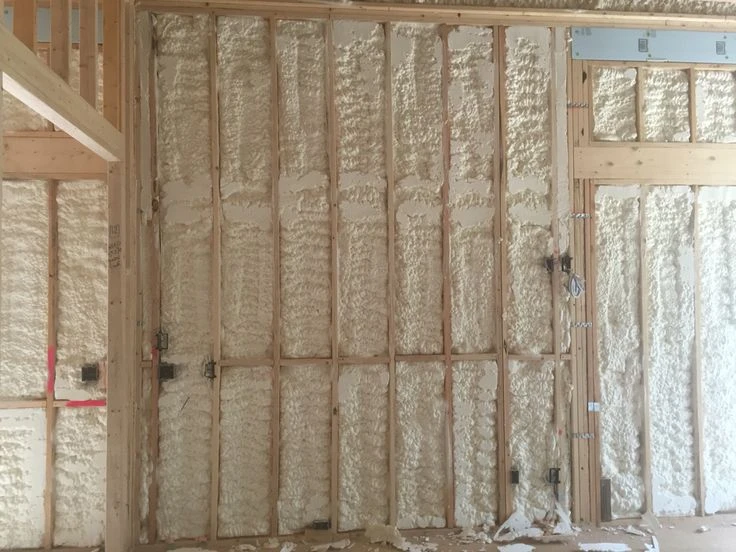
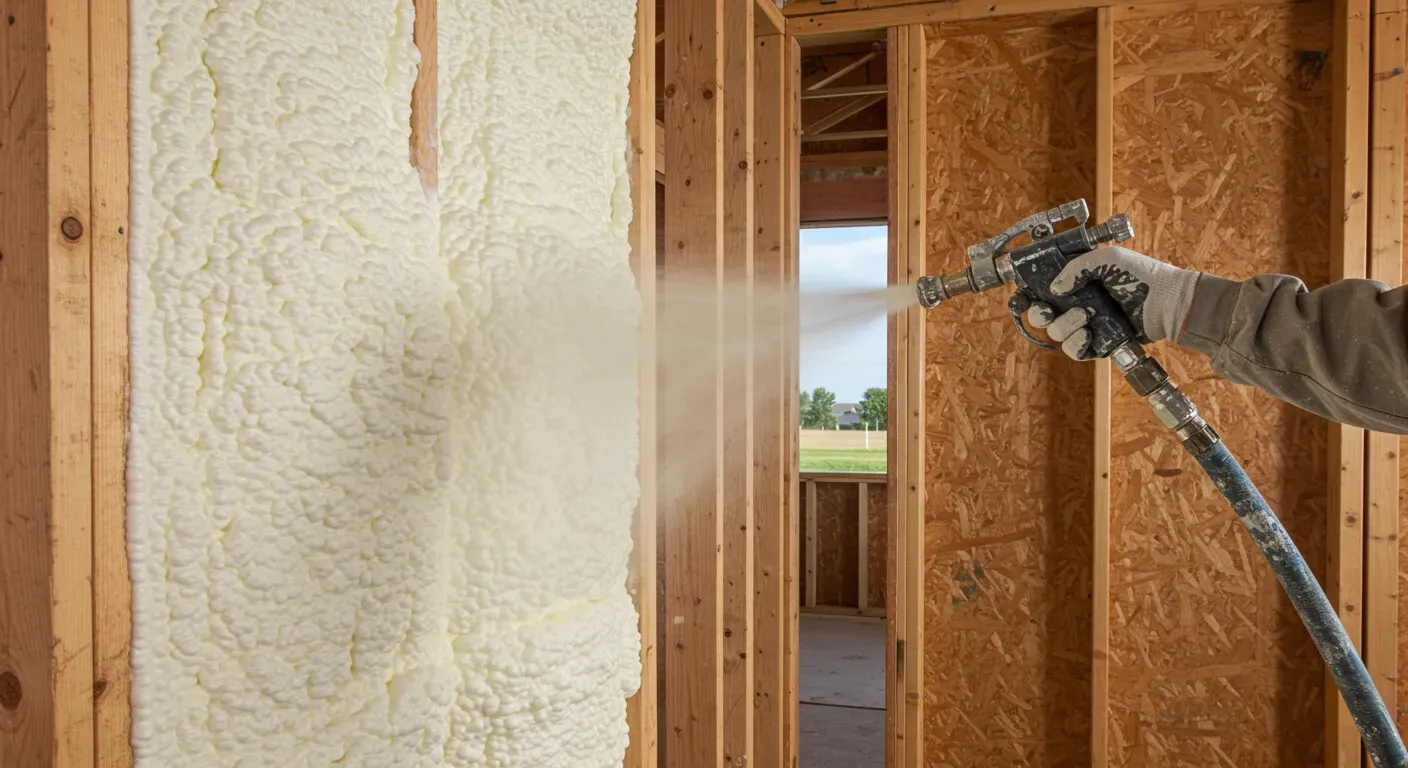
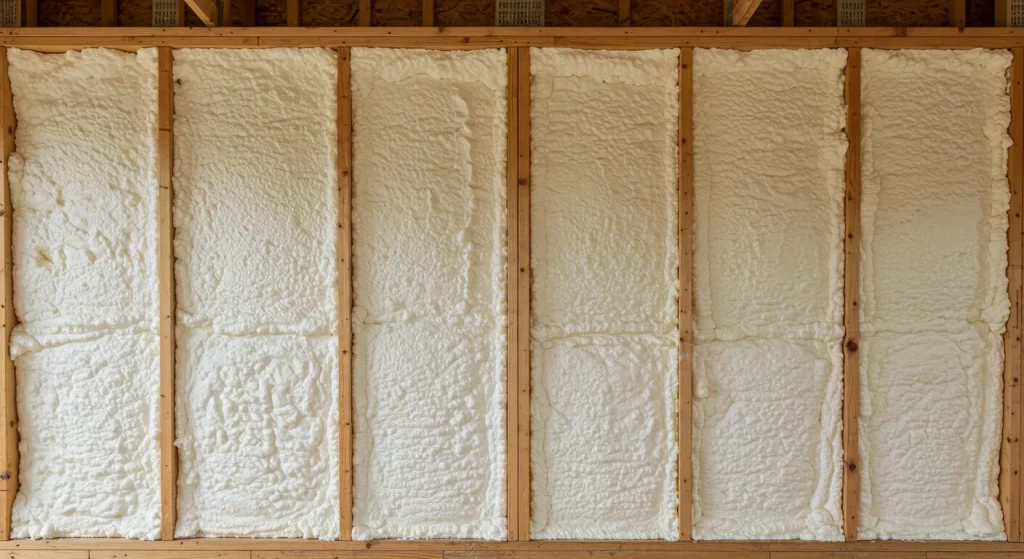
Spray foam insulation is created when two liquid components mix and expand into a solid foam. This expansion seals air gaps, adds insulation value, and strengthens building envelopes, making open-cell spray foam insulation an excellent choice for improving energy efficiency and indoor comfort.
Safety questions usually come from confusion about the installation phase versus long-term use. Understanding the chemistry clears that up fast.
The Basic Components Explained Simply
Spray foam uses two main chemicals: isocyanates and polyols. When mixed, they react and harden within minutes.
According to guidance from the U.S. Environmental Protection Agency’s spray polyurethane foam overview, these chemicals can irritate during application but are stable once cured.
Open-Cell Vs Closed-Cell Safety Differences
Both types are considered safe after curing, but they behave differently.
- Open-cell foam is softer and more breathable, often used indoors
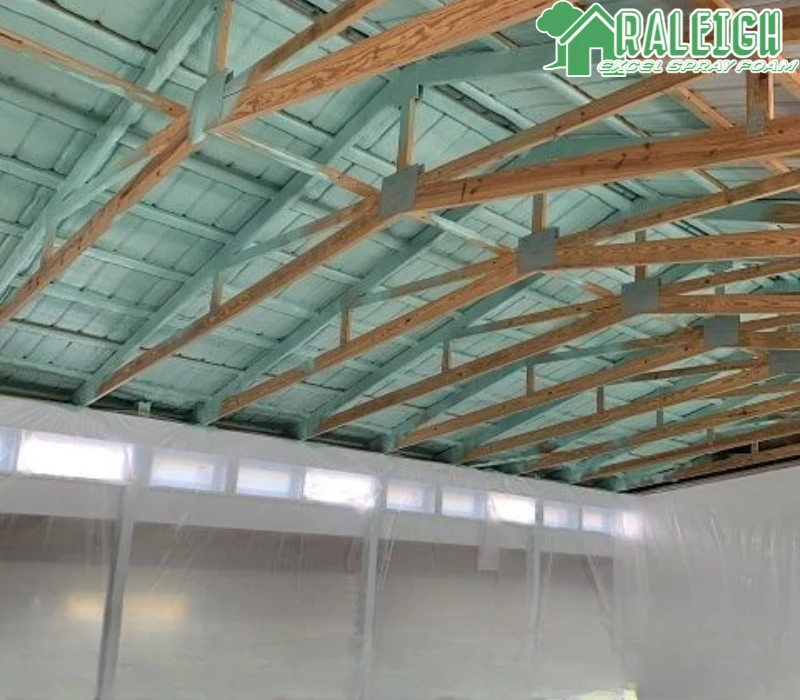
- Closed-cell foam is denser, adds moisture resistance, and is common in crawl spaces and attics
Neither type poses a health risk when installed by trained professionals and allowed to cure fully.
Is Spray Foam Insulation Safe After Installation?
Once cured, spray foam insulation does not release harmful fumes or particles. It becomes an inert plastic similar to seat cushions or refrigerator insulation.
This is where most myths fall apart.
Indoor Air Quality After Curing
Research summarized by the Centers for Disease Control and Prevention on isocyanate exposure shows that exposure risks are tied to uncured foam during installation. After curing, exposure drops to near zero.
Homeowners can safely occupy the space after the recommended re-entry time, usually 24 hours.
Long-Term Exposure And Off-Gassing Concerns
Spray foam does not continue to off-gas years later. Any odor issues outside the curing window usually indicate improper mixing or application, not normal product behavior.
When installed right, spray foam remains stable for decades.
Installation Safety Is Where Most Problems Happen
Spray foam insulation is safe. Bad installs are not.
This section matters because nearly all reported issues trace back to shortcuts during application.
Protective Measures During Application
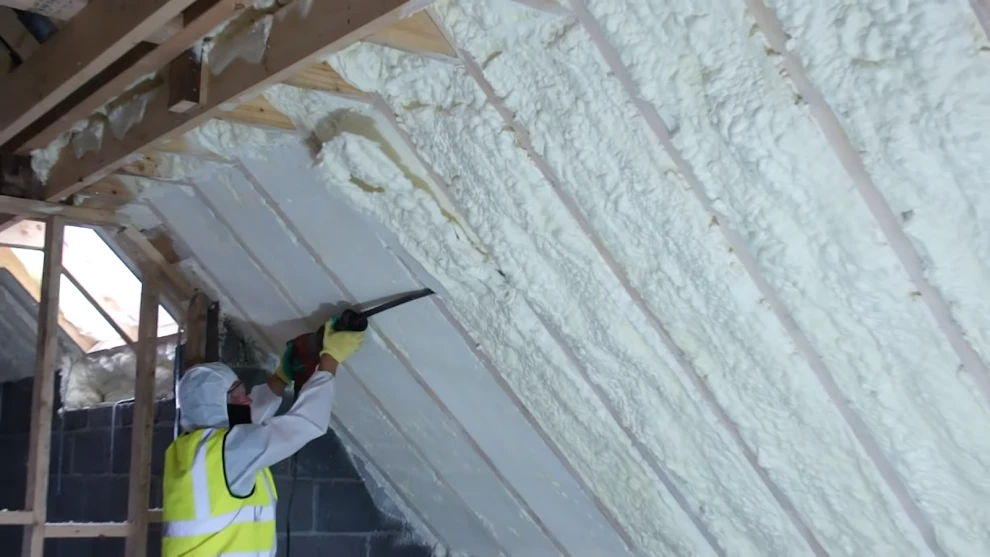
Professional installers use respirators, full-body suits, and controlled ventilation. Occupants and pets should not be present during spraying.
Industry best practices outlined by the Spray Polyurethane Foam Alliance installation standards stress containment and airflow control to prevent exposure.
Ventilation And Curing Time Rules
Most manufacturers recommend staying out of the home for 24 hours after installation. Some low-pressure systems allow re-entry sooner, but waiting is always the safer call.
Skipping this step is the most common cause of complaints.
Does Spray Foam Cause Health Problems?
Short answer: not when installed correctly.
Health complaints usually fall into two categories: short-term exposure during installation or reactions caused by poor mixing.
Who Should Be Extra Cautious?
Certain people should take added precautions.
- Individuals with asthma or chemical sensitivities
- Homes with infants or elderly residents
- Buildings with limited ventilation
In these cases, longer vacancy times and third-party air testing can provide peace of mind.
Mold, Moisture, And Structural Safety
Spray foam does not cause mold. In fact, it helps prevent it by sealing moisture paths.
The U.S. Department of Energy’s insulation guide explains that air sealing reduces condensation, which is the main driver of mold growth.
Environmental Safety And Modern Spray Foam Formulas
Older spray foam products used high global warming blowing agents. That has changed.
By 2026, most professional systems use low-GWP or zero-ozone-depleting formulas.
Emissions And Environmental Impact
Modern closed-cell foams often use HFO blowing agents, which have a fraction of the climate impact of older HFCs. This shift improves environmental safety without sacrificing performance.
Energy savings over time also offset the initial material footprint.
Practical Performance And Safety In Real Homes
This section digs deeper into how safety and performance connect in real-world use.
How Proper Installation Improves Safety And Results
A correct install delivers three things at once: safety, comfort, and energy savings.
Common Installation Errors To Avoid
Poor installs usually involve rushing or lack of training.
- Incorrect temperature control during spraying
- Uneven mixing of chemicals
- Ignoring ventilation requirements
Experience-Based Optimization Insight
Experienced crews follow manufacturer specs to the letter. That reduces odor complaints and ensures full curing.
Real-World Industry Example
According to publicly shared project data from Home Innovation Research Labs, homes with professionally installed spray foam had lower indoor humidity and fewer air quality complaints than homes with fiberglass retrofits.
Is Spray Foam Insulation Worth It From A Safety And Value Standpoint?
From a commercial and homeowner view, spray foam offers strong value when safety standards are followed.
It reduces air leaks, improves comfort, and lowers energy bills. Safety risks stay low when professionals handle the work.
Comparing Spray Foam To Traditional Insulation
Spray foam seals. Fiberglass and cellulose do not.
That difference affects moisture control, air quality, and durability. Over time, spray foam often performs more consistently.
Final Takeaway On Spray Foam Safety
Spray foam insulation is safe, durable, and effective when installed correctly. Most risks are short-term and avoidable. Modern formulas and updated standards have made it safer than ever in 2026.
Call To Action With Raleigh Excel Spray Foam Insulation
For homeowners and property managers looking for safe, professional spray foam installation, Raleigh Excel Spray Foam Insulation delivers code-compliant work with proven results.
Call (919) 301-9435 or email [email protected] to discuss your project and get clear answers before work begins.
FAQs About Spray Foam Insulation Safety
Is spray foam insulation toxic after it cures?
No. Once cured, spray foam is inert and does not release harmful chemicals.
How long should you stay out of the house after installation?
Most manufacturers recommend 24 hours to allow full curing and ventilation.
Can spray foam cause breathing problems?
Only during installation if safety rules are ignored. After curing, it poses no respiratory risk.
Is spray foam safe for homes with kids and pets?
Yes, once cured and after the recommended re-entry period.
Does spray foam insulation cause mold?
No. It helps prevent mold by blocking air and moisture movement.
Are newer spray foam products safer than older ones?
Yes. Modern formulas use low-emission blowing agents and improved chemistry.
Can bad installation make spray foam unsafe?
Yes. Most safety issues come from improper mixing, ventilation, or rushed work.
Should chemically sensitive people avoid spray foam?
They should take extra precautions, including longer vacancy times and professional installation only.
Sources
- U.S. Environmental Protection Agency – Spray Polyurethane Foam and Chemical Safety – Federal guidance on SPF chemistry and safety
- Centers for Disease Control and Prevention – Isocyanates – Health effects and exposure risks
- Spray Polyurethane Foam Alliance – Health and Safety – Industry installation standards and best practices
- U.S. Department of Energy – Insulation Guide – Energy performance and moisture control fundamentals