


Yes, spray foam insulation is safe as long as it’s installed by a professional. The main concerns come from chemical exposure during application, but once the foam cures, it’s virtually harmless and can even improve your home’s comfort and energy efficiency. Think of it like painting your walls: messy while wet, safe once dry.
If you’re considering spray foam, the key is professional handling, proper ventilation, and choosing the right type for your space. With those in place, residential spray foam insulation gives you all the benefits without the risks.
Quick Answers:
- Professional installation minimizes chemical exposure and off-gassing.
- Fully cured spray foam is safe for children, pets, and indoor air quality.
- Choosing the right foam type (open-cell or closed-cell) ensures long-term safety and efficiency.
Understanding Spray Foam Insulation: Basics and Safety
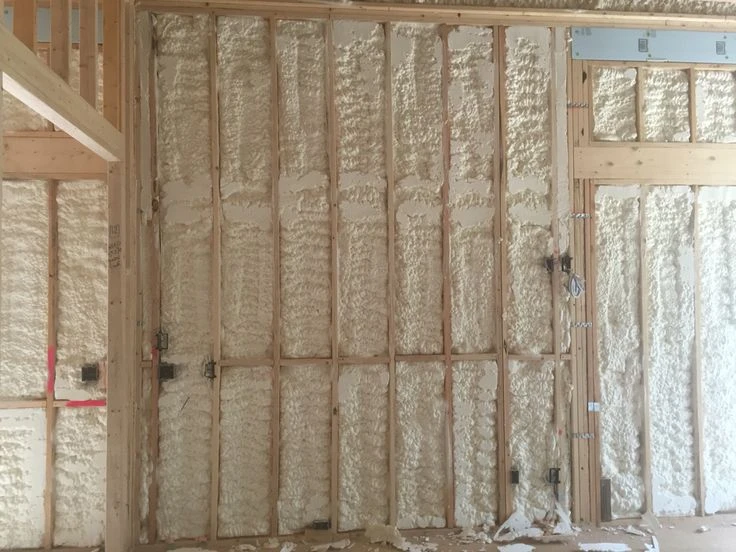
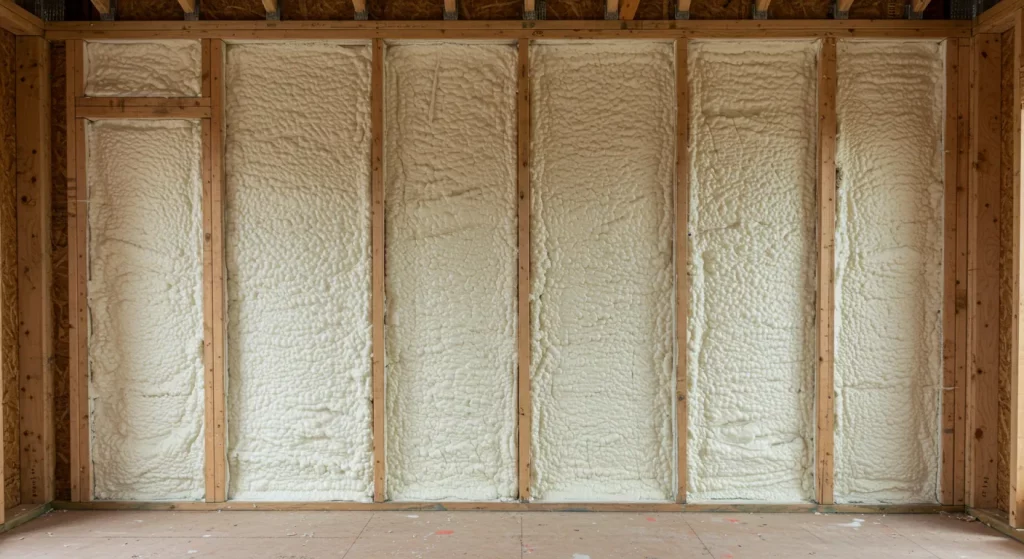
Spray foam insulation expands on contact to seal gaps in walls, roofs, and basements. It comes in two main types: open-cell and closed-cell. Each has unique safety considerations.
What Is Open-Cell vs Closed-Cell Spray Foam?
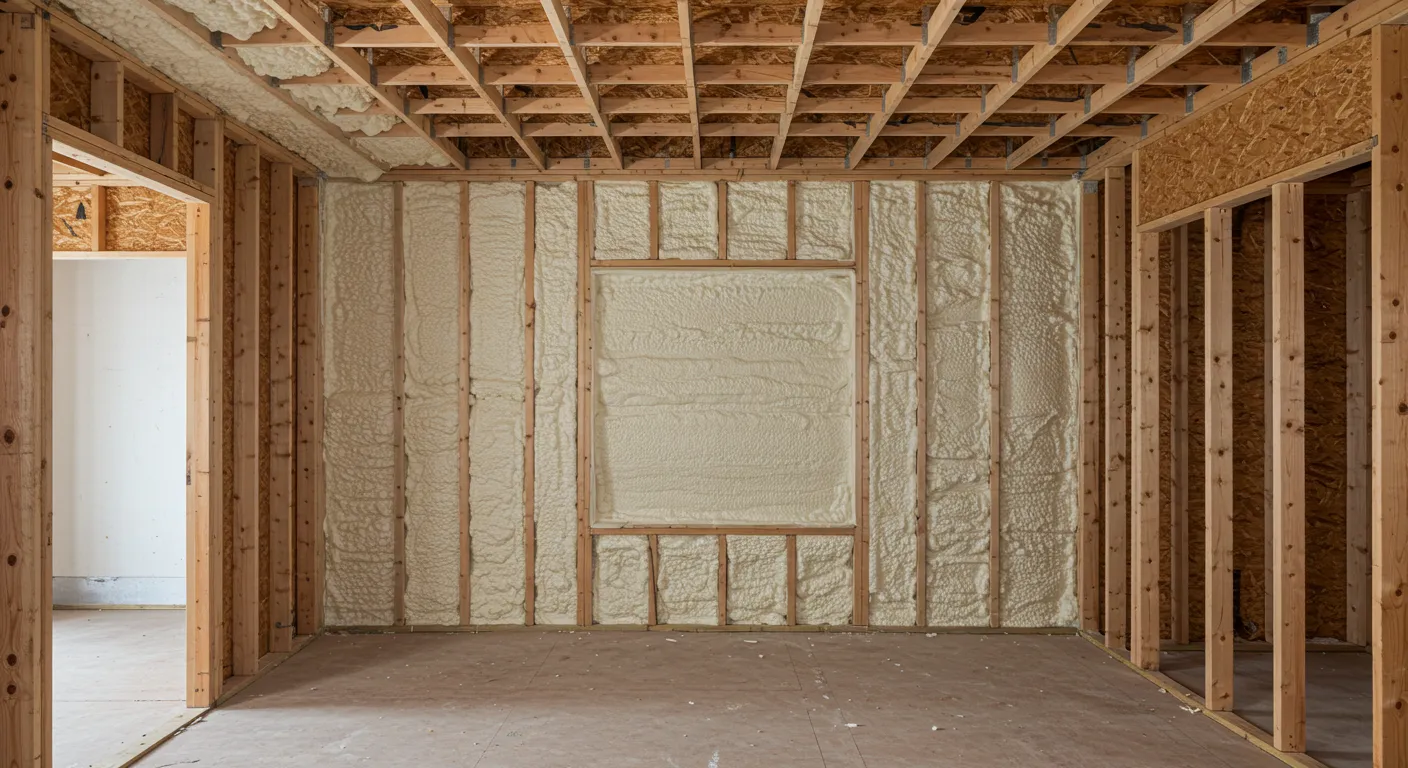
- Open-cell spray foam is softer, breathable, and ideal for interior walls. It poses fewer chemical hazards but is less moisture-resistant.
- Closed-cell spray foam is denser, provides a stronger air and moisture barrier, but can emit higher levels of isocyanates if misapplied.
According to the U.S. Department of Energy, both types are safe when proper precautions are taken, including professional handling and adequate ventilation during application.
Health Risks of Spray Foam: What You Need to Know
Improper installation or DIY projects can expose homeowners to chemical irritants.
Common Health Concerns
- Isocyanate exposure: Can cause respiratory irritation during application.
- Off-gassing: Newly installed foam may release chemicals temporarily.
- Allergic reactions: Sensitive individuals might react to uncured foam.
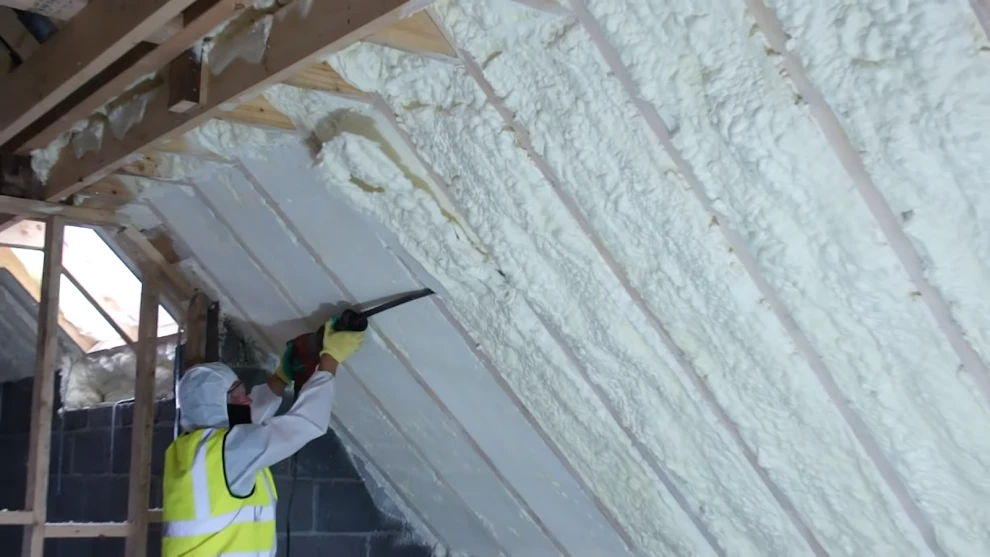
Professional installers follow safety protocols, such as wearing respirators, gloves, and protective suits. Occupational Safety and Health Administration guidelines emphasize that risk drops dramatically after the foam cures, typically within 24–72 hours.
Is Spray Foam Safe for Children and Pets?
Many homeowners worry about indoor air quality. Fully cured spray foam emits minimal chemicals, making it safe for children and pets. For extra precaution:
- Ensure rooms are ventilated for 1–3 days after installation.
- Keep children and pets out of treated areas until the foam fully cures.
A study published by Healthy Building Network found that properly installed spray foam does not significantly increase indoor VOC levels.
Fire Safety and Spray Foam Insulation
Spray foam is combustible if exposed to flame, but building codes require it to be covered by a fire-resistant barrier like drywall.
Tips for fire safety:
- Always install according to local building codes.
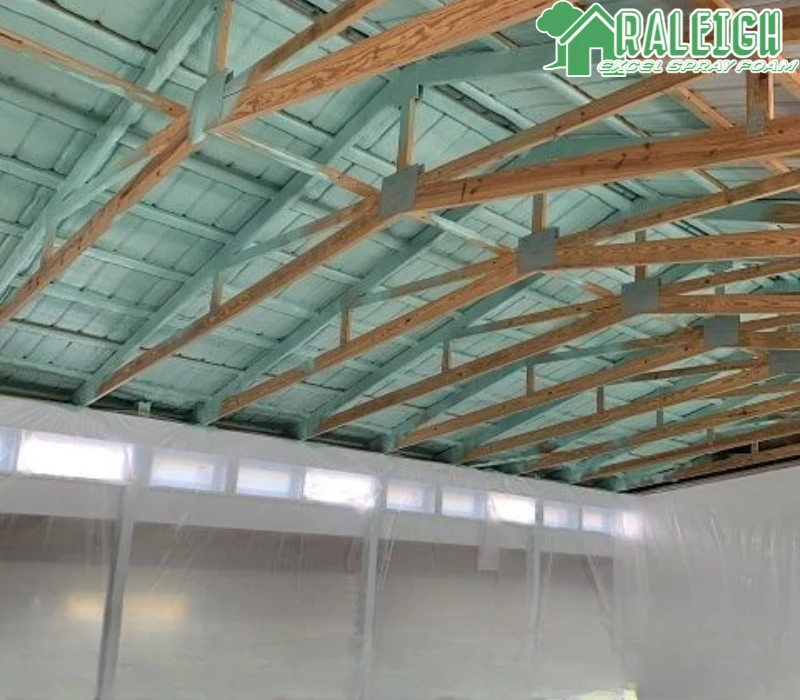
- Use fire-rated spray foam in attics or basements.
- Avoid DIY installations without proper training or certification.
Environmental and Long-Term Safety Considerations
Spray foam can improve energy efficiency, reducing carbon footprint. Closed-cell foam adds structural strength and moisture resistance, preventing mold growth, a common long-term indoor health hazard.
Environmental Protection Agency studies show that energy-efficient homes with proper insulation reduce heating and cooling emissions significantly, indirectly supporting both environmental and indoor health safety.
Choosing a Professional Installer: Why It Matters
Hiring a certified professional dramatically reduces health and safety risks. Professional installers:
- Understand chemical handling and curing times.
- Ensure even application and proper expansion.
- Provide warranties and post-installation support.
At Raleigh Excel Spray Foam Insulation, our certified team ensures every project meets North Carolina building codes and safety standards.
Cost and Practical Guidance
Spray foam may cost more upfront than fiberglass or cellulose, but it saves on energy bills and reduces potential indoor air quality issues.
Cost breakdown (average U.S. prices, 2026):
| Type | Cost per sq. ft | R-Value | Safety Notes |
|---|---|---|---|
| Open-cell | $0.45–$0.65 | 3.6–3.8 | Safer for interiors, less moisture-resistant |
| Closed-cell | $1.00–$1.50 | 6–7 | Higher chemical exposure risk if DIY, strong moisture barrier |
Energy savings typically offset costs within 3–5 years, making professional installation an investment in both safety and comfort.
DIY vs Professional Installation: Safety Implications
DIY spray foam kits are available, but most experts advise against them for indoor use due to high chemical exposure risk.
Professional installation benefits:
- Correct chemical mixing ratios.
- Proper ventilation and protective equipment.
- Reduced risk of gaps, overexpansion, or structural damage.
Real-World Examples and Case Studies
- A study by Building Science Corporation found that homes with professionally installed spray foam had 25% fewer HVAC complaints and improved indoor air quality.
- Improper DIY installations have been linked to temporary respiratory irritation and odor complaints, highlighting the importance of certified contractors.
Conclusion: Safe, Efficient, and Effective
Spray foam insulation is safe when installed professionally and handled according to manufacturer guidelines. It improves energy efficiency, reduces drafts, and supports indoor air quality.
For homes in Raleigh and surrounding areas, Raleigh Excel Spray Foam Insulation provides certified installation and guidance to maximize safety and performance. Contact us at [email protected] or call (919) 301-9435 to schedule an evaluation.
Frequently Asked Questions (FAQ)
Is spray foam insulation toxic?
When applied correctly by a professional, spray foam is non-toxic once cured. Short-term exposure during application can irritate skin or lungs.
How long does spray foam off-gas?
Curing typically takes 24–72 hours. Ventilation during this period is critical.
Can spray foam cause mold?
Spray foam itself resists mold, but improper application trapping moisture can promote growth. Closed-cell foam minimizes this risk.
Can I install spray foam myself?
DIY is possible, but not recommended for indoor areas due to chemical exposure and curing risks.
Is spray foam safe for attics?
Yes, if installed professionally with proper ventilation and fire barriers.
How do I choose a certified installer?
Look for local certifications, references, and adherence to building codes. Raleigh Excel Spray Foam Insulation offers fully certified services.
Does spray foam affect indoor air quality long-term?
Once cured, spray foam has minimal impact on indoor air quality. Proper installation is key.
What is the best type of spray foam for safety?
Open-cell is safer for interior spaces; closed-cell offers stronger moisture protection but requires careful installation.
Sources
- U.S. Department of Energy – Overview of spray foam types and energy efficiency benefits.
- Occupational Safety and Health Administration – Safety guidelines for spray foam handling.
- Healthy Building Network – Research on VOCs and indoor air quality impacts.
- Environmental Protection Agency – Indoor air quality and insulation studies.
- Building Science Corporation – Case studies on spray foam performance and indoor comfort.