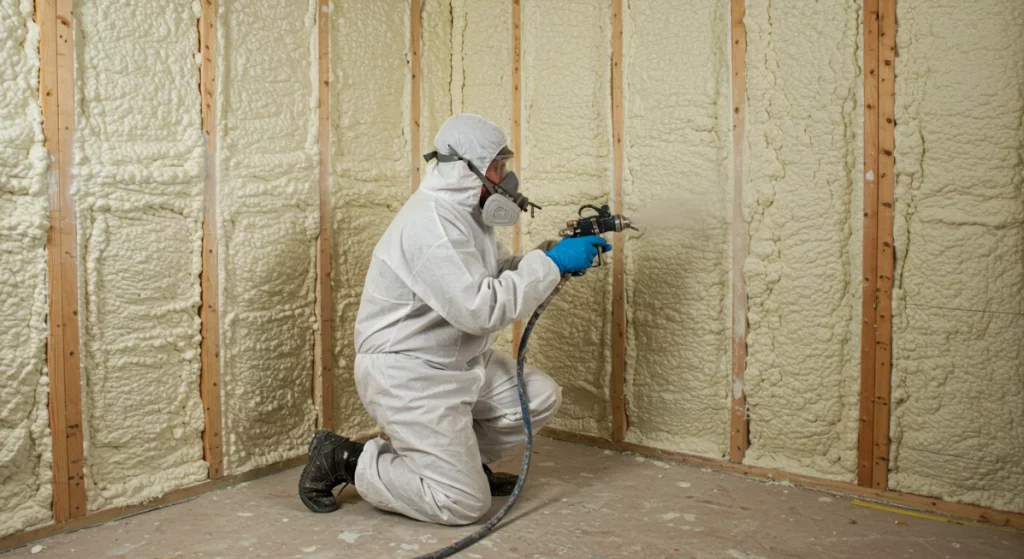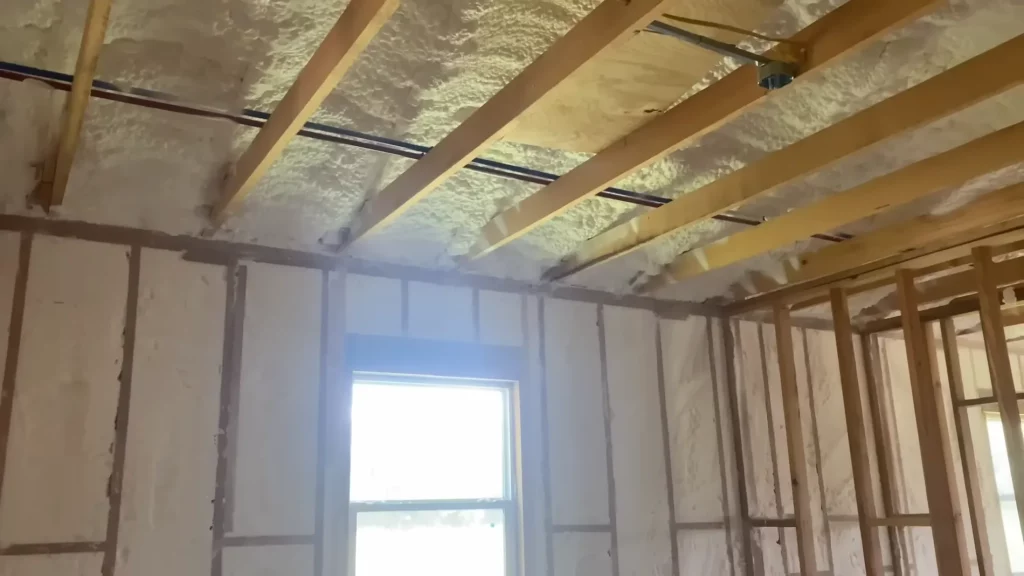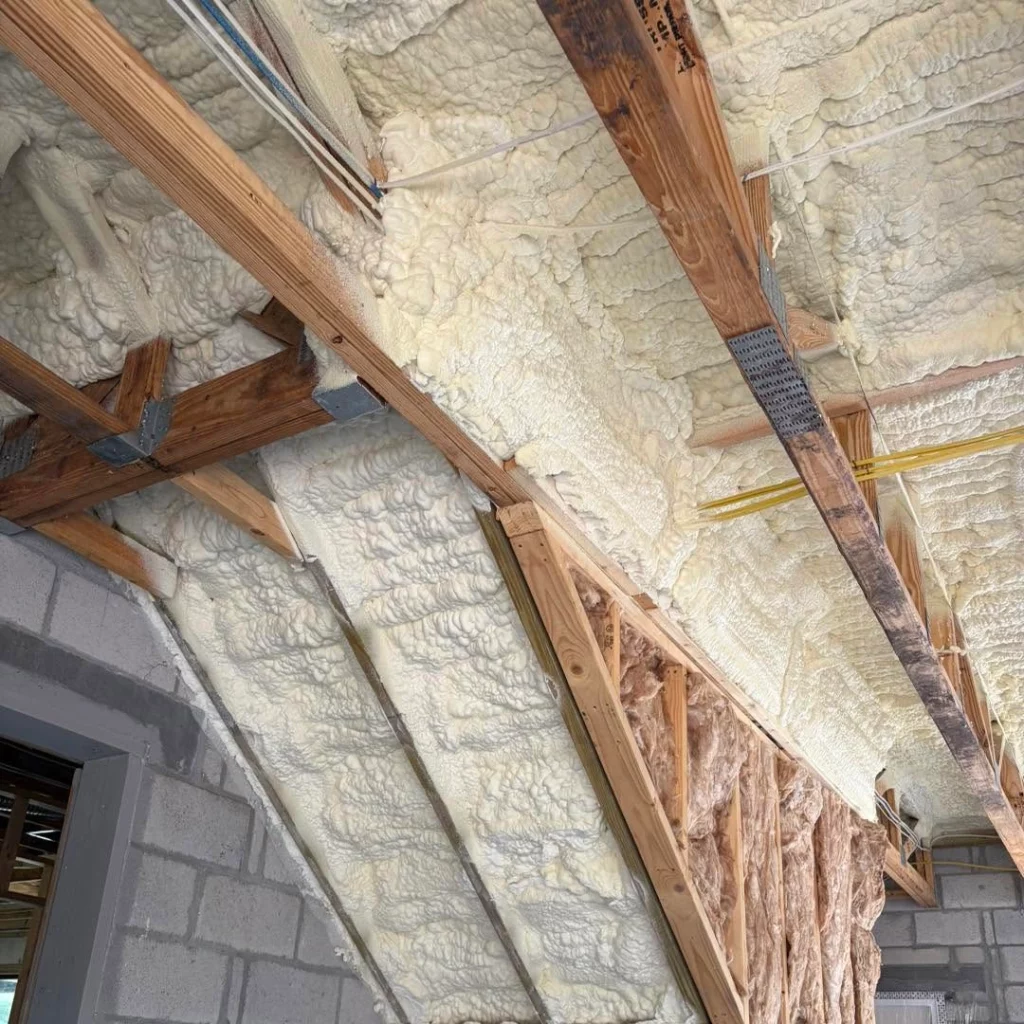



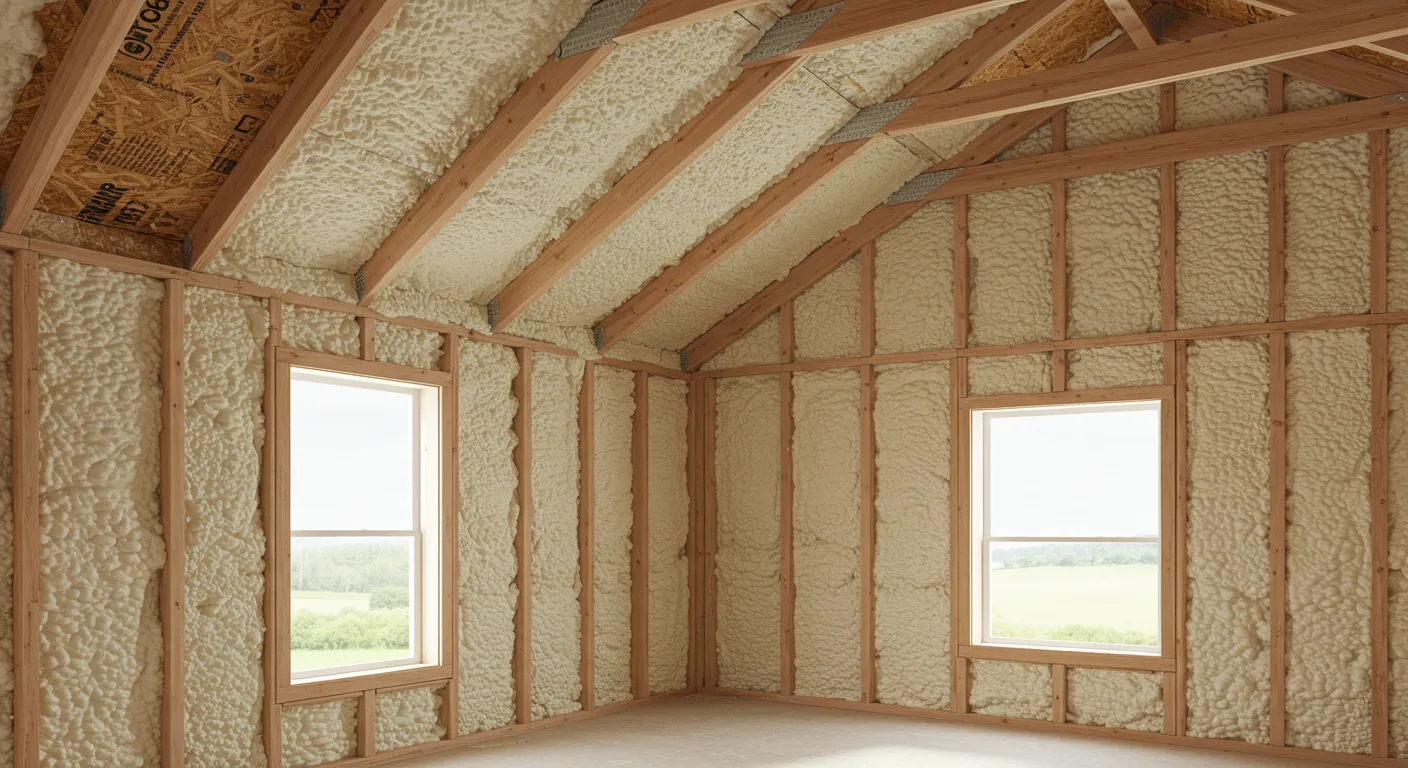
Modern insulation solutions matter for Chapel Hill homeowners because the local climate demands year-round thermal protection. Chapel Hill sits in Climate Zone 4, a region with hot, humid summers and cool winters that forces HVAC systems to work hard in both directions. According to the Department of Energy, properly insulating a home not only reduces heating and cooling costs but also improves comfort by slowing conductive, convective, and radiant heat flow. The right approach depends on several factors, including the age of your home, existing insulation levels, and which areas of the building envelope need attention. Whether you are dealing with a drafty attic, under-insulated walls, or moisture-prone crawl spaces, matching the correct insulation type to each specific application is what drives real results with residential insulation solutions.
TL;DR
- Chapel Hill falls within Climate Zone 4, which requires minimum R-60 for uninsulated attics and R-20 plus R-5 continuous insulation for wood-frame walls under the 2021 International Energy Conservation Code
- The EPA estimates that air sealing combined with insulation upgrades can save homeowners an average of 15% on heating and cooling costs and 11% on total energy costs nationally, with savings varying by climate zone
- Modern insulation materials like spray foam deliver higher R-values per inch, fill gaps and cracks that traditional batts cannot reach, and also serve as an air barrier
- Moisture control is directly tied to insulation quality, and the EPA emphasizes that controlling indoor humidity between 30% and 50% is the most effective strategy for preventing mold growth
- Older homes in the Chapel Hill area built before modern energy codes typically lack adequate insulation in walls, crawl spaces, and rim joists, making them strong candidates for targeted retrofits
- Upgraded insulation adds documented value to residential properties, as energy-efficient homes increasingly attract buyer attention in competitive real estate markets
How Chapel Hill’s Climate Demands Better Insulation
Chapel Hill experiences the full range of Piedmont North Carolina weather: long stretches of 90-plus degree days in summer with high humidity, followed by winters where temperatures regularly dip below freezing. This mix of heating and cooling demand puts unique pressure on residential building envelopes. The DOE’s climate zone requirements show that Climate Zone 4 is among the most demanding zones for total insulation performance, requiring high R-values for both attics and walls to meet the 2021 IECC standard.
Homes built before 2000 in Chapel Hill were constructed under earlier, less demanding energy codes. Many still have fiberglass batts in walls that have settled or been compressed over decades, and attic insulation levels that fall far short of current R-60 recommendations. During summer months, inadequate attic insulation allows radiant heat from the roof to transfer directly into living spaces. In winter, that same under-insulated attic becomes the primary escape route for the warm air your heating system produces.
| Insulation Area | Zone 4 Requirement (2021 IECC) | Common Deficiency in Older Chapel Hill Homes |
|---|---|---|
| Uninsulated attic | R-60 | R-15 to R-30, often settled and compressed |
| Wood-frame wall (2×4) | R-20 + R-5 CI or R-13 + R-10 CI | R-11 or R-13 batts, gaps around framing |
| Floor over crawl space | R-30 | No insulation or damaged batts |
| Rim joist / band joist | R-15 to R-19 | Typically uninsulated |
What Modern Insulation Does That Older Materials Cannot
The difference between traditional and modern insulation comes down to two performance factors: R-value per inch and air sealing capability. Traditional fiberglass batts deliver roughly R-2.9 to R-3.8 per inch, while modern spray foam products range from R-3.5 to R-3.7 per inch for open-cell and R-6.0 to R-7.0 per inch for closed-cell applications, according to the DOE’s types of insulation guide.
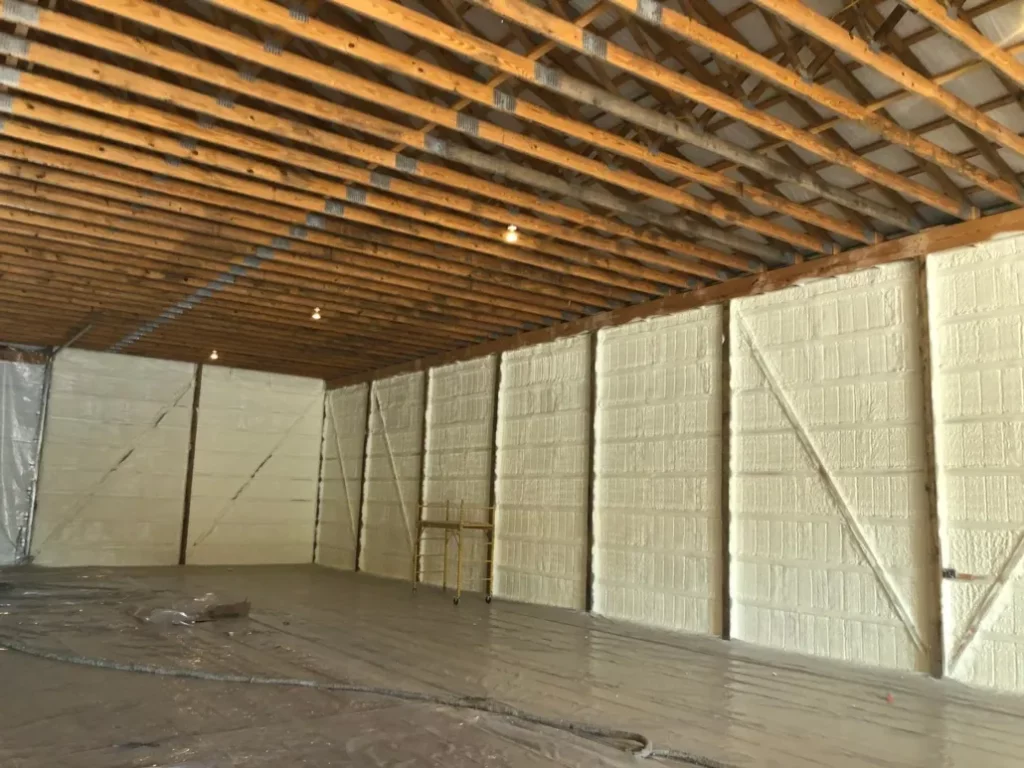
Beyond raw R-value, the real advantage of modern insulation solutions is their ability to act as a complete air barrier. Fiberglass and mineral wool batts fit between studs but leave gaps around framing members, electrical boxes, and plumbing penetrations. Spray foam expands to fill those gaps and crevices, creating a continuous seal that eliminates the air leakage pathways responsible for a significant portion of residential energy loss.
The EPA’s ENERGY STAR methodology data shows that in Climate Zone 4, homeowners who air seal and insulate to recommended levels can achieve approximately 12% savings on total energy costs and 17% on heating and cooling costs specifically. For Chapel Hill residents running air conditioning through extended summer months, those heating and cooling savings compound quickly.
Moisture Control and Indoor Air Quality
Chapel Hill’s summer humidity makes moisture management just as important as temperature control. When warm, humid outdoor air enters a poorly insulated wall cavity or attic, it can condense on cooler surfaces inside the building envelope. That condensation creates the exact conditions mold needs to grow.
The EPA’s mold and moisture guide states that indoor mold growth should be prevented or controlled by controlling moisture indoors, and that relative humidity should ideally stay between 30% and 50%. Modern insulation solutions help maintain that balance by sealing out humid outdoor air and keeping conditioned indoor air where it belongs. Closed-cell spray foam offers additional moisture resistance because its dense cell structure acts as a vapor retarder, preventing water vapor from passing through walls and ceilings into conditioned spaces.
When insulation works alongside proper air sealing, the result is more consistent indoor humidity, fewer condensation problems, and a building envelope that actively supports healthier indoor air quality rather than inviting moisture-related issues.
Matching Insulation Solutions to Your Home’s Needs
The most effective insulation strategy for your Chapel Hill home depends on its age, construction type, and current condition. Here is a breakdown of which approaches work best for common residential scenarios:
| Home Type | Recommended Priority Areas | Best Insulation Approach | Key Consideration |
|---|---|---|---|
| Pre-1980s home | Attic, walls, rim joist, crawl space | Spray foam for rim joist and crawl space; blown-in or spray foam for walls | Existing wall cavities may need dense-pack or injection application |
| 1980-2000s home | Attic upgrade, crawl space, duct sealing | Spray foam attic flatwork or blown-in attic; crawl space encapsulation | Attic may already have some insulation, but likely below current code |
| Post-2000s home | Targeted air sealing, attic top-up, basement rim joist | Air sealing with spray foam; supplement attic insulation | Focus on gaps and penetrations rather than wholesale replacement |
| New construction | Full envelope, walls, attic, crawl space, rim joist | Spray foam or combination of foam and batts per code | Opportunity to meet or exceed 2021 IECC from the start |
For most Chapel Hill homeowners, the highest-impact first step is addressing the attic and crawl space. These two areas represent the largest sources of both energy loss and moisture intrusion. Attic air sealing combined with insulation brings immediate comfort improvements, while crawl space encapsulation with spray foam eliminates ground moisture from entering the building envelope, making Chapel Hill insulation services a smart investment.
Signs You Have Found the Right Insulation Provider
Choosing the right team for your Chapel Hill insulation project matters as much as choosing the right material. A qualified provider will evaluate your entire building envelope before recommending any specific product, rather than pushing a one-size-fits-all solution. They should be able to explain why a particular insulation type is recommended for each area of your home, based on your climate zone, existing conditions, and performance goals.
Look for installers who prioritize air sealing as a foundational step, since insulation without proper air sealing delivers only a fraction of its potential benefit. A strong provider will also discuss moisture management, ventilation requirements, and building code compliance specific to your area. Transparent pricing, written warranties, and a clear project timeline are practical indicators of professionalism.
Get Expert Insulation Solutions for Your Chapel Hill Home
Raleigh Excel Spray Foam Insulation delivers modern insulation solutions tailored to the specific demands of Chapel Hill’s Climate Zone 4 environment. Our team evaluates your entire building envelope and recommends targeted approaches that address energy efficiency, moisture control, and indoor comfort. We specialize in spray foam insulation that seals gaps, fills cavities, and provides long-term thermal protection for residential properties throughout the Chapel Hill area.
Contact us at [email protected] or call (919) 301-9435 to discuss how the right insulation solution can improve your home’s comfort, efficiency, and value.
Frequently Asked Questions
What R-value does my Chapel Hill home actually need?
Homes in Climate Zone 4 need a minimum of R-60 for uninsulated attics and R-20 with R-5 continuous insulation for wood-frame walls under the 2021 IECC standards. Most existing homes in Chapel Hill fall well short of these levels, particularly in attics and crawl spaces.
Can new insulation be installed in my older home without removing drywall?
Yes, several modern insulation methods work without disturbing finished surfaces. Blown-in insulation can be added to attics and wall cavities, and spray foam can be injected into wall cavities through small holes that are sealed after installation. Crawl spaces and rim joists are typically accessible without interior demolition.
How does insulation help with Chapel Hill’s summer humidity?
Proper insulation combined with air sealing prevents humid outdoor air from infiltrating your home through gaps, cracks, and penetrations in the building envelope. Closed-cell spray foam also acts as a vapor retarder, blocking moisture transmission through walls and ceilings, which helps maintain indoor humidity in the EPA-recommended range of 30% to 50%.
Is spray foam insulation worth the investment compared to traditional fiberglass?
Spray foam offers higher R-value per inch than fiberglass and serves as both insulation and an air barrier, which fiberglass cannot do on its own. The combined effect of thermal resistance and air sealing means spray foam addresses two problems at once, delivering greater overall energy performance for Chapel Hill’s mixed heating and cooling climate.
How long does a residential insulation upgrade typically take?
Most residential insulation projects in Chapel Hill are completed in one to two days, depending on the scope. Attic insulation and air sealing usually takes a single day, while full crawl space encapsulation or wall cavity insulation may require additional time. A thorough assessment before the project provides an accurate timeline.
Sources
- Department of Energy – Insulation – Comprehensive guide to how insulation works, R-value requirements by climate zone, and recommendations for residential properties.
- Department of Energy – Types of Insulation – Detailed comparison of insulation materials including spray foam, rigid board, loose-fill, and structural insulated panels with installation methods and advantages.
- EPA ENERGY STAR – Methodology for Estimated Energy Savings – EPA modeling data showing estimated savings from air sealing and insulation by climate zone, including 12% total energy savings for Climate Zone 4.
- Department of Energy – Energy-Efficient Home Improvement Credit Insulation and Air-Sealing Essentials – 2021 IECC R-value requirements by climate zone, building envelope air sealing criteria, and guidance on thermal performance standards.
- EPA – A Brief Guide to Mold, Moisture and Your Home – EPA guidance on controlling indoor moisture and humidity to prevent mold growth, with recommended humidity levels and moisture prevention strategies.

- How Should Raleigh, NC Property Owners Evaluate Insulation for Long-Term Use? - September 23, 2026
- What Factors Affect Insulation Performance Across Different Parts of a Property? - September 23, 2026
- Could Spray Foam Insulation Be Useful Around Uneven Building Sections in Wake Forest, NC? - September 18, 2026