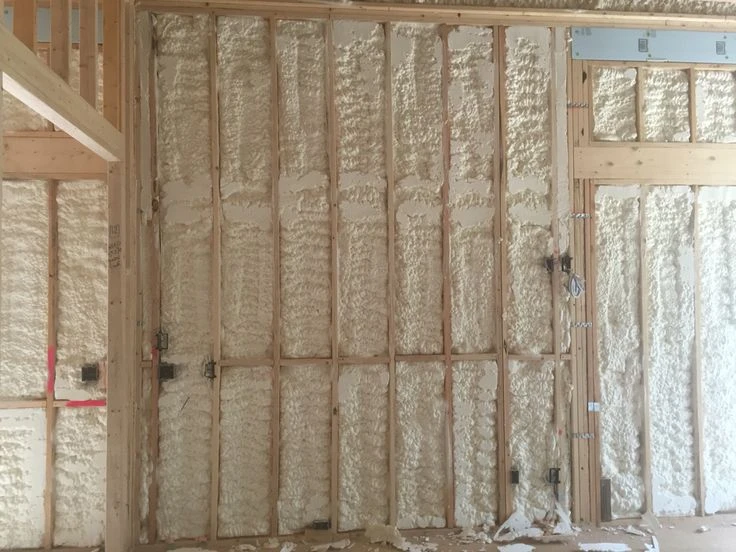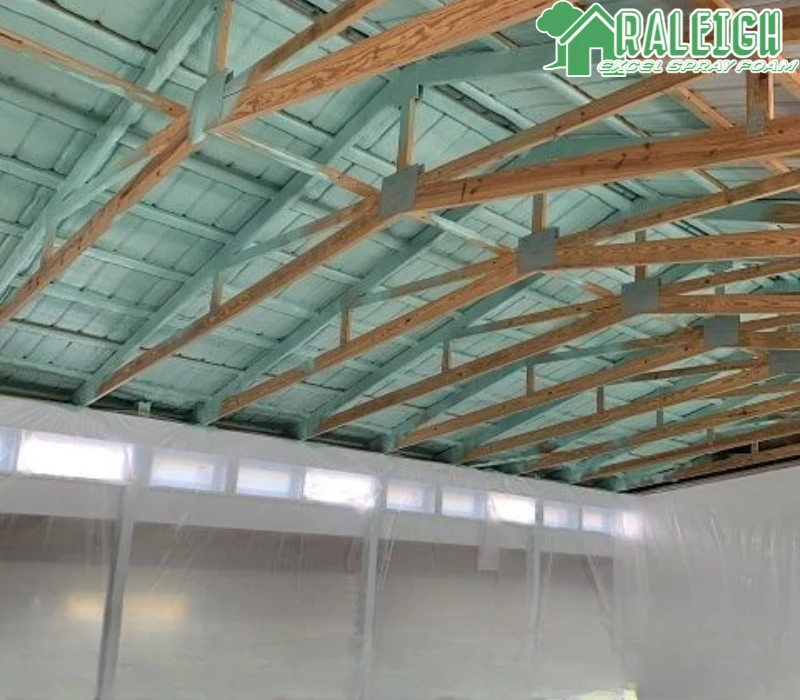



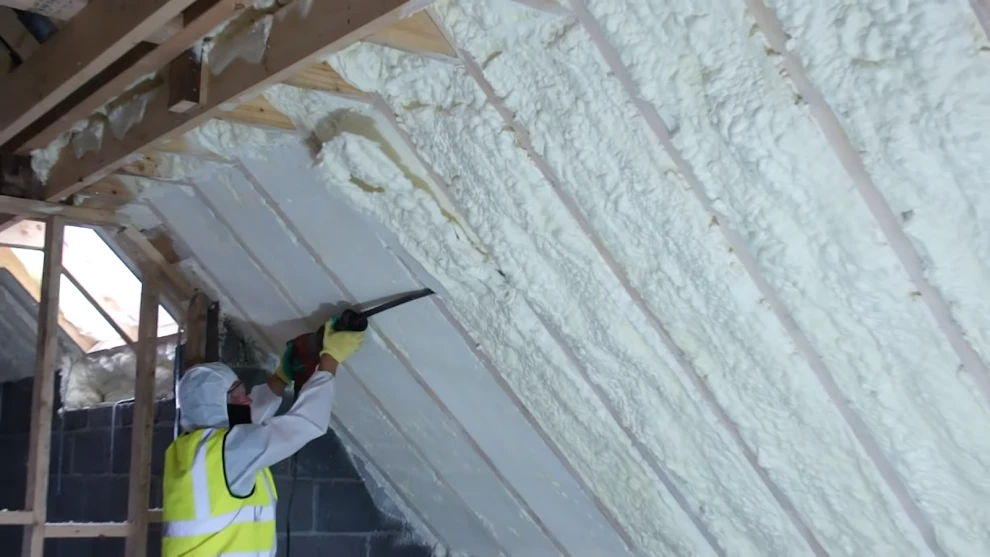
Open-cell spray foam insulation offers four primary advantages that make it an excellent choice for renovation projects: superior moisture management through its breathable structure, exceptional sound-dampening capabilities, cost-effectiveness compared to closed-cell alternatives, and flexibility that accommodates seasonal wood movement in structures. These benefits combine to create a comfortable, energy-efficient living space while addressing common renovation challenges like moisture control, noise reduction, and structural integrity. The following sections provide detailed explanations of each advantage with practical insights for homeowners planning renovations.
Superior Moisture Management
Open-cell foam’s unique cellular structure allows water vapor to pass through while blocking air movement, making it ideal for moisture-prone areas like basements, crawl spaces, and coastal regions. This semi-permeable characteristic prevents trapped moisture that can lead to mold growth and wood rot, problems particularly prevalent in humid climates like North Carolina’s. The foam creates an air barrier that lets the building “breathe,” which is essential for long-term structural health.
According to research from Building Science Corporation, open-cell foam’s vapor permeability helps manage moisture effectively in wall assemblies, especially in mixed-humid climates where both heating and cooling seasons present different moisture challenges. This breathability becomes particularly important in renovations where existing wall assemblies might already contain trapped moisture or where exterior water management systems are unknown.
Bonus Tip: When renovating older homes, combining open-cell foam with proper exterior drainage systems creates a comprehensive moisture management strategy that protects both new and existing building materials.
Exceptional Sound Dampening
The open-cell structure provides significantly better sound reduction than many other insulation types, with sound transmission class (STC) ratings typically 20-30% higher than traditional fiberglass batts U.S. Department of Energy . This makes open-cell foam particularly valuable for renovations involving home offices, media rooms, or spaces adjacent to noisy areas. The foam’s density and cell structure absorb sound waves rather than just blocking , resulting in more effective noise control.
In renovation projects where room use changes are planned, such as converting a basement to a living space, sound control often becomes a priority. Open-cell foam can reduce airborne sound transmission between rooms and from outside sources, creating quieter indoor environments without needing additional soundproofing materials.
| Insulation Type | R-Value per Inch | Sound Transmission Class |
|---|---|---|
| Open-Cell Foam | 3.5-3.8 | 40-45 |
| Closed-Cell Foam | 6.0-7.0 | 35-40 |
| Fiberglass Batts | 3.2-3.8 | 30-35 |
| Mineral Wool | 3.2-3.8 | 45-50 |
Cost-Effectiveness and Application Benefits
Open-cell foam typically costs 30-50% less than closed-cell foam while providing similar air sealing benefits, making it a practical choice for budget-conscious renovations. The lower material cost, combined with faster application times due to its rapid expansion rate, reduces overall project expenses. According to market data from IBISWorld, the spray foam insulation market has grown steadily as homeowners recognize the long-term energy savings that offset initial installation costs.
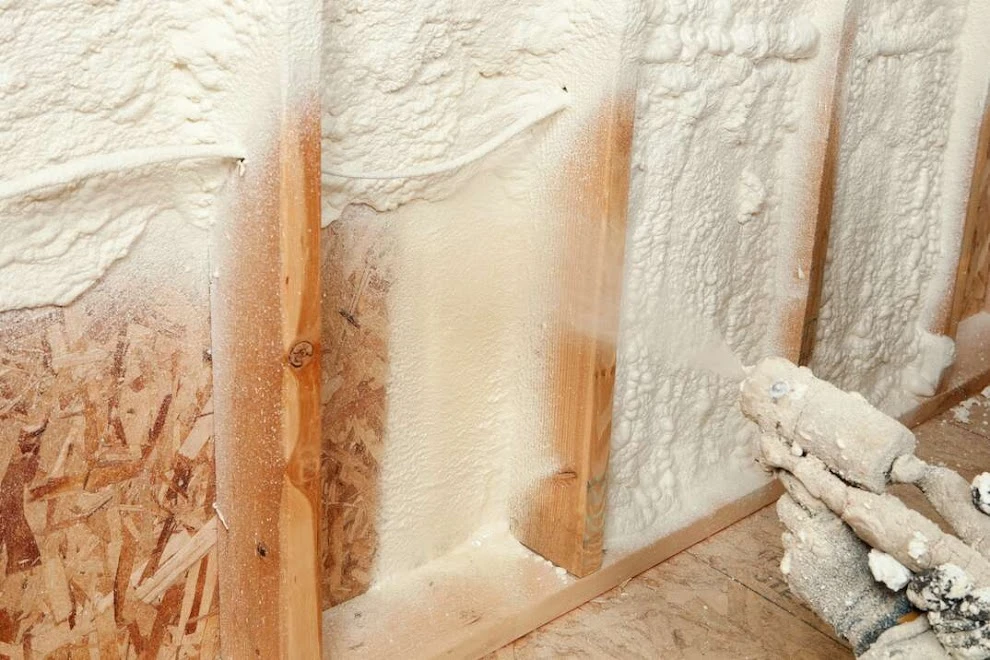
The foam’s expansion characteristics allow it to fill irregular cavities and hard-to-reach areas common in renovation projects, where existing construction creates uneven spaces. This comprehensive coverage eliminates gaps and cracks that traditional insulation methods often miss, resulting in better overall thermal performance and reduced air infiltration.
Bonus Tip: In renovation projects where cavity depths vary, open-cell foam’s ability to expand to fill irregular spaces makes it more versatile than rigid insulation boards that require precise cutting and fitting.
Structural Flexibility and Installation Advantages
Open-cell foam remains flexible after curing, which accommodates the natural movement of building materials as temperatures and humidity levels change throughout seasons. This flexibility prevents the foam from cracking or separating from framing members, maintaining the insulation envelope’s integrity over time. The material’s lower density also reduces stress on existing wall systems, which is particularly important in renovations where structural capacity might be unknown.
The installation process for open-cell foam generates less pressure during application, making it safer for older or more delicate construction methods found in historic renovations. Unlike closed-cell foam that can bow or damage thin-wall materials, open-cell foam expands gently while still providing excellent coverage and air sealing.
Bonus Tip: For renovations involving plaster walls or other delicate finishes, open-cell foam’s lower expansion pressure reduces the risk of surface damage during installation.
Things to Consider Before Making a Decision
Climate suitability plays a significant role in insulation selection. Open-cell foam performs best in climates where temperature swings are moderate and moisture management requires some vapor permeability. In extremely cold regions where the vapor drives toward the interior is strong, closed-cell foam might be more appropriate for certain applications.
Existing structural conditions should also influence the decision. If the renovation involves adding insulation to existing walls with unknown moisture issues or compromised vapor barriers, open-cell foam’s breathability can help prevent moisture accumulation. However, if the space will be used for temperature-sensitive applications like wine cellars, closed-cell foam’s superior thermal performance might be necessary.
Budget constraints often determine insulation choice, but consider the total project cost rather than just the material price. Open-cell foam’s superior air sealing can reduce HVAC system size requirements, potentially offsetting some of the initial installation costs through equipment savings.
Key Takeaways
Open-cell spray foam insulation offers practical solutions for common renovation challenges through its moisture management, sound dampening, cost-effectiveness, and structural flexibility. The material’s unique properties make it particularly suitable for renovation projects where existing conditions create installation challenges or where performance improvements are needed without major structural modifications.
Homeowners planning renovations should evaluate their specific climate, existing building conditions, and performance goals when considering insulation options. While open-cell foam provides excellent benefits for many situations, each renovation project presents unique requirements that deserve professional assessment.
For personalized guidance on insulation choices for your specific renovation project, contact Raleigh Excel Spray Foam Insulation at [email protected] or call (919) 301-9435 to discuss how open-cell foam might address your particular needs and budget considerations.
Frequently Asked Questions
What makes open-cell foam different from traditional insulation?
Open-cell foam provides both insulation and air sealing in one application, unlike fiberglass or cellulose that only provide thermal resistance. The foam expands to fill every gap and crack, creating a continuous insulation barrier that traditional materials cannot achieve due to their compression-fit installation methods.
Can open-cell foam help reduce energy bills in renovated homes?
Open-cell foam can reduce heating and cooling costs by 20-50% in renovated homes through its superior air sealing properties. By eliminating air leaks and drafts, the foam reduces the load on HVAC systems, leading to lower energy consumption and improved comfort throughout the home.
Is open-cell foam suitable for basement renovations?
Open-cell foam works well in basement renovations when combined with proper exterior drainage and interior waterproofing systems. Its moisture permeability allows any residual moisture to escape rather than becoming trapped against foundation walls, making it safer than vapor-impermeable materials in below-grade applications.
How does open-cell foam affect indoor air quality?
When properly cured, open-cell foam does not off-gas harmful chemicals and contributes to better indoor air quality by reducing air infiltration that brings in outdoor pollutants, dust, and allergens. The foam also helps prevent moisture-related mold growth, further supporting healthy indoor environments.
What thickness of open-cell foam is needed for renovation projects?
Most renovation applications require 3-5 inches of open-cell foam to achieve optimal performance, providing R-values between R-13 and R-19. The exact thickness depends on local building codes, climate conditions, and the specific assembly being insulated. A professional assessment can determine the appropriate depth for each application.
Sources
- Building Science Corporation – Research organization providing scientific data on building performance, moisture management, and insulation properties in various climate conditions
- IBISWorld – Market research firm providing industry statistics on the spray foam insulation market and pricing trends
- U.S. Department of Energy – Federal resource for insulation standards and warranty guidelines in commercial construction applications