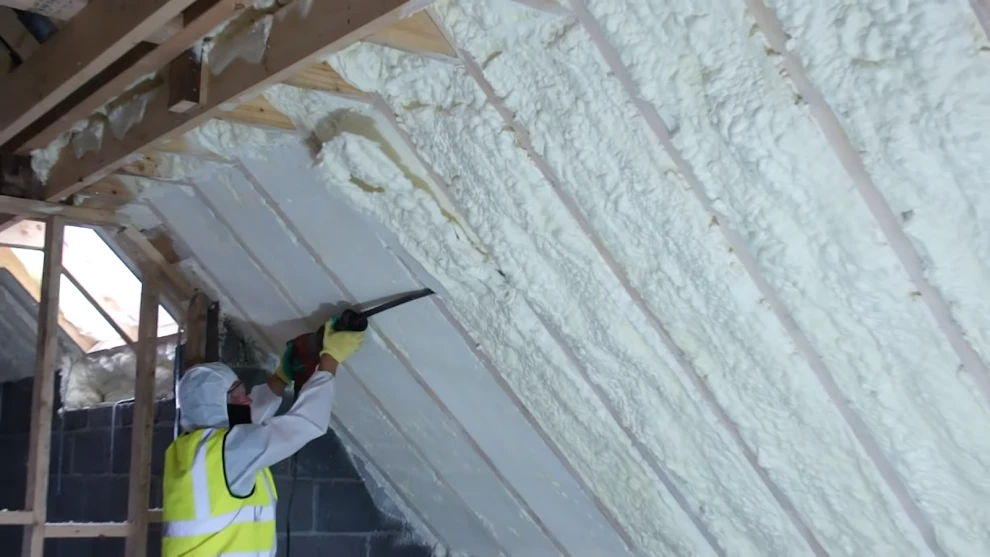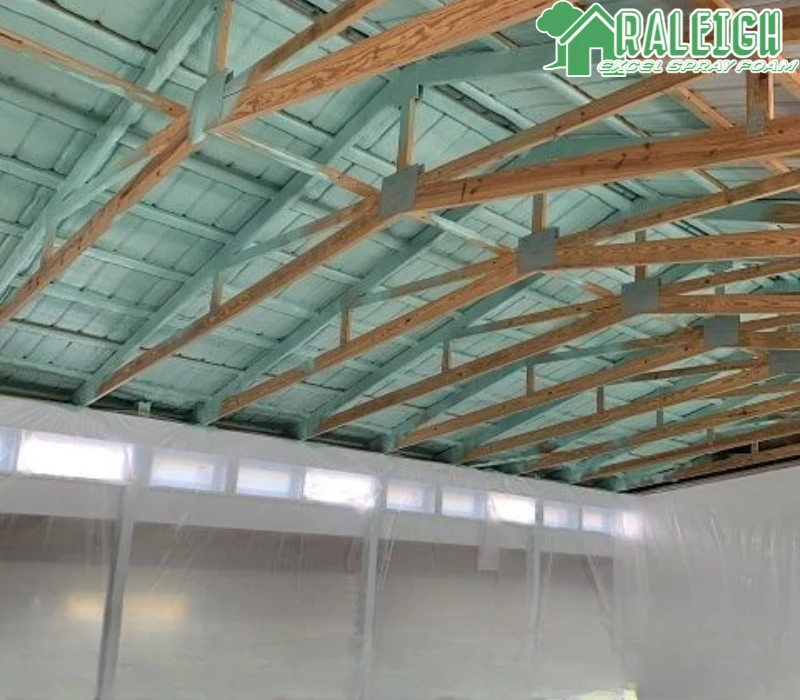



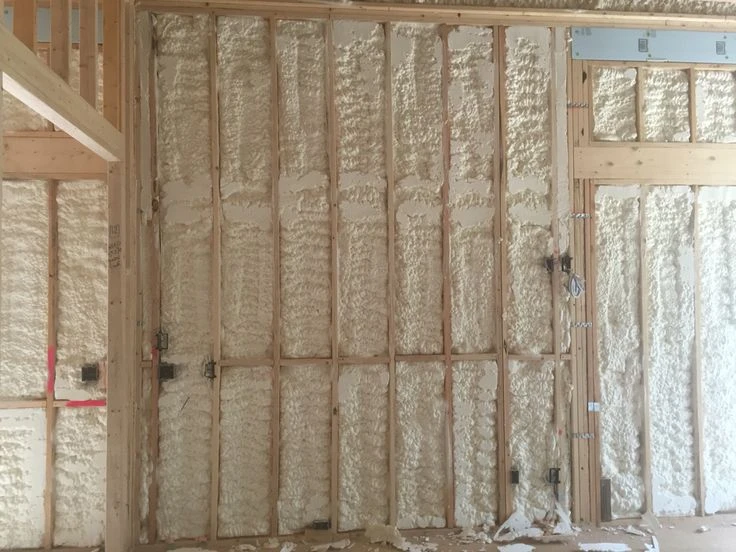
Open-cell spray foam insulation adapts to your home’s unique structure by expanding to fill every cavity, crack, and void, creating an airtight seal that conforms to irregular surfaces, complex framing, and architectural features specific to Raleigh homes. This flexible insulation material expands up to 100 times its original volume when applied, allowing it to penetrate and seal areas where traditional insulation materials like fiberglass or cellulose simply cannot reach. The foam’s semi-rigid structure accommodates natural building movement and settling without cracking or losing its insulating properties, making it particularly suitable for older homes in the Raleigh area with character-filled architectural elements.
This article will provide comprehensive details about open-cell spray foam’s structural adaptability, regional considerations for North Carolina’s climate, and practical installation insights based on years of hands-on experience with diverse home structures throughout the Raleigh-Durham region. The information here comes from extensive field work with hundreds of local homes, ranging from historic bungalows in Cameron Village to modern constructions in North Raleigh.
Understanding Open-Cell Spray Foam Properties
Open-cell spray foam insulation differs from its closed-cell counterpart in several key ways that affect its adaptability to home structures. The material consists of tiny cells that are not completely closed, allowing air to fill the space within the material. This creates a soft, sponge-like consistency that remains flexible after curing, enabling it to move with your home as it naturally shifts and settles over time.
The expansion rate of open-cell foam typically reaches 100-120 times its liquid volume when sprayed, which gives it exceptional gap-filling capabilities. This expansion characteristic allows the material to flow into and seal small openings, irregular spaces, and hard-to-reach areas that other insulation types miss. The foam adheres to most building materials, including wood, metal, concrete, and existing insulation, creating a continuous thermal barrier without the need for additional fasteners or adhesives.
Structural Adaptability in Raleigh Homes
Raleigh’s diverse housing stock presents unique challenges for insulation installation. From historic bungalows with balloon framing to modern custom homes with complex rooflines, open-cell spray foam accommodates virtually any architectural design.
Historic Home Applications
Older Raleigh homes often feature balloon framing, irregular spacing between studs, and areas where previous renovations created gaps and voids. Open-cell spray foam excels in these situations by:
- Filling gaps between studs that range from 12 to 24 inches apart
- Sealing around historical window frames without causing damage
- Penetrating knob-and-tube wiring areas safely
- Accommodating plaster walls without creating pressure points
Modern Construction Benefits
Contemporary Raleigh homes benefit from open-cell’s ability to seal around advanced building features:
- Complex roof systems with multiple valleys and dormers
- Engineered lumber products that create irregular cavities
- cantilevered floors and open-concept designs
- Home automation wiring and ductwork chases
The material’s flexibility makes it ideal for sealing around plumbing penetrations, electrical boxes, and HVAC transitions where air leakage commonly occurs in energy audits.
Regional Climate Considerations for North Carolina
North Carolina’s humid subtropical climate presents specific insulation requirements that open-cell spray foam addresses effectively. The Raleigh area experiences hot, humid summers and relatively mild winters, with significant temperature variations between seasons that challenge traditional insulation systems.
Research from Building Science Corporation shows that open-cell spray foam’s vapor permeability rating of approximately 10 perms at 3 inches thickness allows moisture to diffuse through the material, preventing moisture accumulation within wall assemblies. This characteristic proves particularly valuable in Raleigh’s climate, where humidity levels average 70% during summer months.
The foam’s air sealing capabilities reduce infiltration of humid outdoor air during summer and cold air during winter, decreasing the load on HVAC systems. According to Energy Star, proper air sealing can reduce heating and cooling costs by up to 15% in mixed-humid climates like Raleigh’s.
Installation Process and Customization
The application of open-cell spray foam requires specialized equipment and trained technicians who understand how to achieve optimal results based on your home’s specific structure. The process begins with a thorough assessment of the building envelope to identify insulation needs, air leakage points, and potential moisture issues.
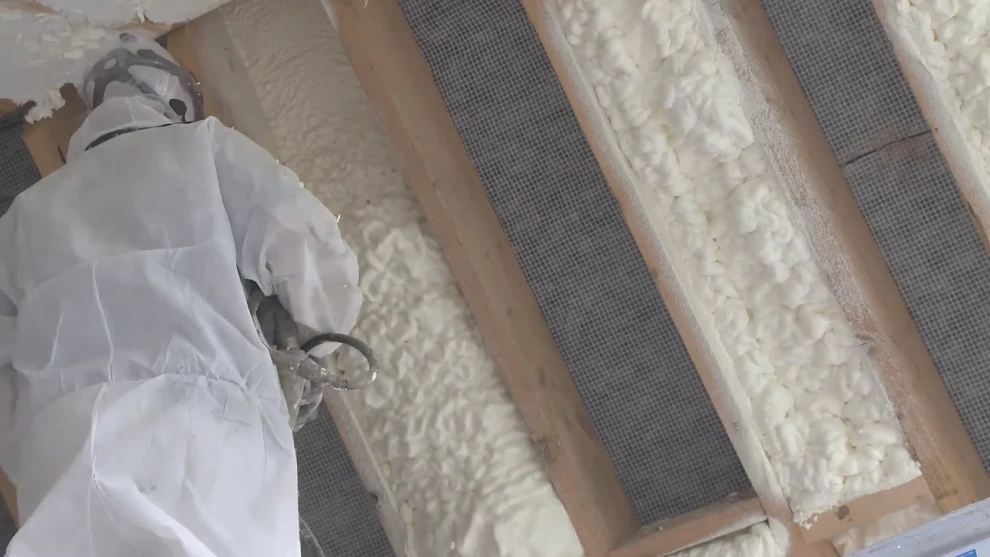
Professional installers use temperature-controlled spray rigs that maintain the chemical components at the proper temperature for consistent expansion and adhesion. The foam is applied in thin layers, with each pass building upon the previous one to achieve the target depth. This layering technique allows installers to control expansion and prevent overfilling that could cause drywall damage.
Depth Requirements for Different Areas
| Application Area | Recommended Depth | R-Value per Inch | Total R-Value |
|---|---|---|---|
| Walls | 3.5 inches | 3.5 | 12.25 |
| Attic/Roof | 5-7 inches | 3.5 | 17.5-24.5 |
| Crawl Spaces | 4 inches | 3.5 | 14 |
| Band Joists | 4 inches | 3.5 | 14 |
The foam cures within seconds, allowing installers to shave off excess material to create clean, even surfaces ready for drywall or other wall coverings. The rapid curing time also means faster project completion compared to traditional insulation methods.
Things to Consider Before Making a Decision
Before installing open-cell spray foam insulation in your Raleigh home, several factors require careful evaluation to ensure optimal performance and long-term satisfaction.
Building Assessment
A comprehensive home energy audit helps identify existing insulation levels, air leakage patterns, and moisture issues that might affect foam performance. This assessment should include blower door testing to quantify air leakage and infrared scanning to locate thermal bypasses.
Moisture Management
While open-cell spray foam allows some moisture diffusion, proper drainage and moisture control measures remain essential, especially in below-grade applications or areas with known water intrusion issues. Existing moisture problems must be resolved before foam installation.
HVAC System Considerations
The significant reduction in air leakage achieved with spray foam often necessitates HVAC system rebalancing or resizing. According to research from Lawrence Berkeley National Laboratory, homes with advanced air sealing may require smaller heating and cooling systems to operate efficiently.
Budget Planning
Open-cell spray foam generally requires a higher initial investment than traditional insulation methods. However, the significant long-term energy savings and enhanced comfort often yield a strong return on investment, particularly in Raleigh’s climate, where efficient cooling is essential.
Bonus Tips Based on Local Experience
- Timing Matters: Schedule insulation installation during moderate temperature periods in spring or fall when humidity levels are lower for optimal curing conditions.
- Pre-Installation Preparation: Ensure all wiring and plumbing systems are complete before foam application, as making modifications later becomes challenging.
- Ventilation Strategy: Open-cell foam reduces air exchange significantly, so plan for mechanical ventilation to maintain indoor air quality.
Making the Right Choice for Your Raleigh Home
Open-cell spray foam insulation offers exceptional adaptability to unique home structures while providing effective thermal performance for Raleigh’s climate. The material’s expansion capabilities, flexibility after curing, and moisture management properties make it suitable for virtually any application, from historic renovations to new construction.
The decision to install open-cell spray foam should be based on your home’s specific characteristics, your performance goals, and your budget considerations. A thorough assessment by qualified professionals can help determine the optimal insulation strategy for your situation. Consider factors like your existing HVAC system, any moisture issues, and your long-term energy efficiency goals when making this important investment in your home’s comfort and efficiency.
Get a Professional Assessment for Your Home
For homeowners considering open-cell spray foam insulation in the Raleigh area, professional consultation ensures proper application and optimal performance. Contact Raleigh Excel Spray Foam Insulation at [email protected] or call (919) 301-9435 to schedule a comprehensive home assessment and receive customized recommendations based on your specific structure and insulation needs.
Frequently Asked Questions
Does open-cell spray foam work well in Raleigh’s humid climate?
Open-cell spray foam performs exceptionally well in Raleigh’s humid climate due to its vapor-permeable nature. The material allows moisture to escape gradually while preventing humid air from infiltrating your living spaces, reducing the risk of mold and moisture-related issues.
How does open-cell foam handle the temperature swings between Raleigh’s seasons?
The foam’s semi-rigid structure accommodates thermal expansion and contraction of building materials without losing its sealing properties. This flexibility maintains consistent insulation performance throughout Raleigh’s seasonal temperature variations, from hot summers to occasional winter freezes.
Can open-cell spray foam help with my high summer cooling bills?
Yes, open-cell spray foam significantly reduces cooling costs in Raleigh by eliminating air leakage and providing consistent thermal resistance. The material’s air sealing capabilities prevent hot, humid air from entering your home, reducing the workload on your air conditioning system during long, humid summers.
Is open-cell foam suitable for my older home with plaster walls?
Open-cell spray foam works well in older Raleigh homes with plaster walls because its lower expansion force won’t damage fragile plaster surfaces. The material’s flexibility accommodates the irregular stud spacing and construction methods common in historic homes built before modern building standards.
Sources
- Building Science Corporation – Building Science Corporation provides research-based information on building performance, including detailed studies on spray foam insulation properties and applications.
- Energy Star – Energy Star is a U.S. Environmental Protection Agency program offering energy efficiency information, including data on insulation performance and energy savings potential.
- Lawrence Berkeley National Laboratory – Lawrence Berkeley National Laboratory conducts research on energy efficiency and building science, providing valuable data on HVAC requirements for air-sealed homes.