


Quick answer: Insulation doesn’t clean your air, but the way it’s installed decides what air reaches your living space. Paired with air sealing, it cuts the dust, attic air, and crawl space dampness that drift indoors and helps stop the condensation that feeds mold. Done without a ventilation plan, a tighter house can trap pollutants inside.
TL;DR
- Most air quality gains come from air sealing plus insulation, not insulation alone.
- Moisture is the main local risk. Humid summers and damp crawl spaces feed mold.
- A sealed-up home may need mechanical ventilation to keep the air safe.
- Spray foam needs a full cure and a set wait time before your family moves back in.
- Wet or moldy insulation should come out, not get covered up.
How Insulation Changes the Air You Breathe at Home
Insulation slows heat. Air sealing stops air. Your indoor air quality depends on both working together, and on where your home’s air actually comes from.
Leaks Pull in Attic and Crawl Space Air
Warm air rises and escapes through gaps in the ceiling. That pulls replacement air in low, often from the crawl space, carrying dust, musty odors, and humidity into your bedrooms. Fluffy insulation alone lets that air pass right through, so sealing gaps first is what really changes the air.
Moisture and Mold
Cold surfaces collect condensation, and damp spots grow mold. The EPA Brief Guide to Mold, Moisture and Your Home says controlling moisture is the key to controlling mold, recommends keeping indoor humidity under 60 percent (ideally 30 to 50 percent), and suggests covering cold surfaces like cold water pipes with insulation to prevent condensation. Good coverage keeps surfaces warmer and drier.
Steadier Temperatures
A well-insulated home has fewer cold walls and hot ceilings. Your HVAC system runs more evenly, and rooms stop feeling clammy in one corner and stuffy in another.
Why Burlington Homes Face Their Own Air Quality Risks
Burlington sits in North Carolina’s Piedmont, with hot, sticky summers and mild but damp winters. That mix makes moisture the issue to watch.
Many homes in the area sit over vented crawl spaces, and many run ductwork through the attic. Leaky ducts in a hot attic can pull dusty attic air into the supply system. A damp crawl space can send musty air straight up through the floor. That’s why indoor air quality insulation Burlington, NC homeowners need often starts under the house, not just overhead.
Comparing Home Insulation Materials Burlington NC Homeowners Use
Each insulation material affects airflow and moisture differently. Choosing the right option depends on the installation area, moisture levels, and air-sealing requirements. A residential insulation guide can help homeowners compare insulation materials and understand their benefits for indoor comfort, energy efficiency, and air quality.
| Material | Stops air? | Moisture notes | Air quality notes |
|---|---|---|---|
| Fiberglass batts | No | Loses value when wet | Needs separate air sealing first |
| Blown cellulose | Slows it | Can absorb water | Dusty during install |
| Open-cell spray foam | Yes | Lets vapor pass | Needs full cure and airing out |
| Closed-cell spray foam | Yes | Resists water | Needs full cure and airing out |
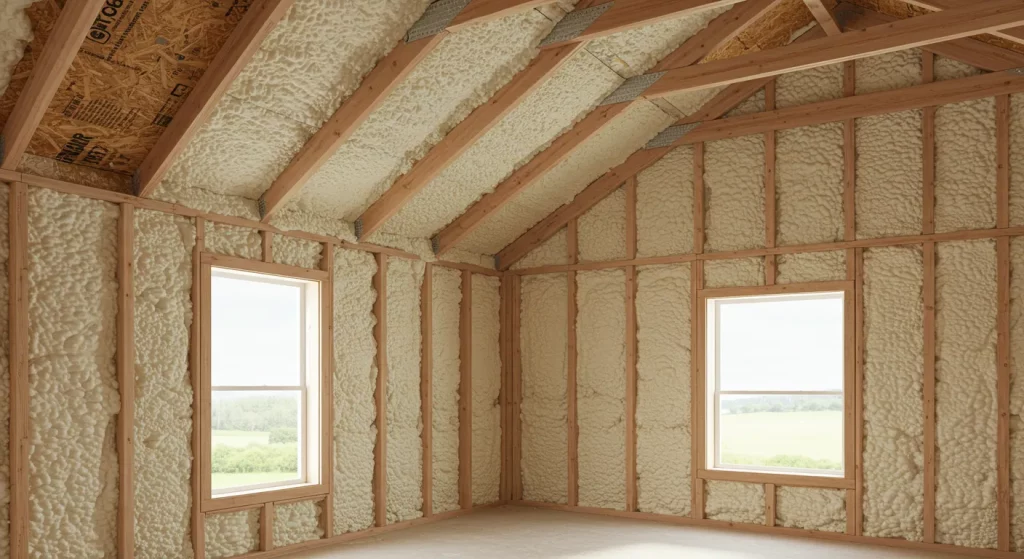
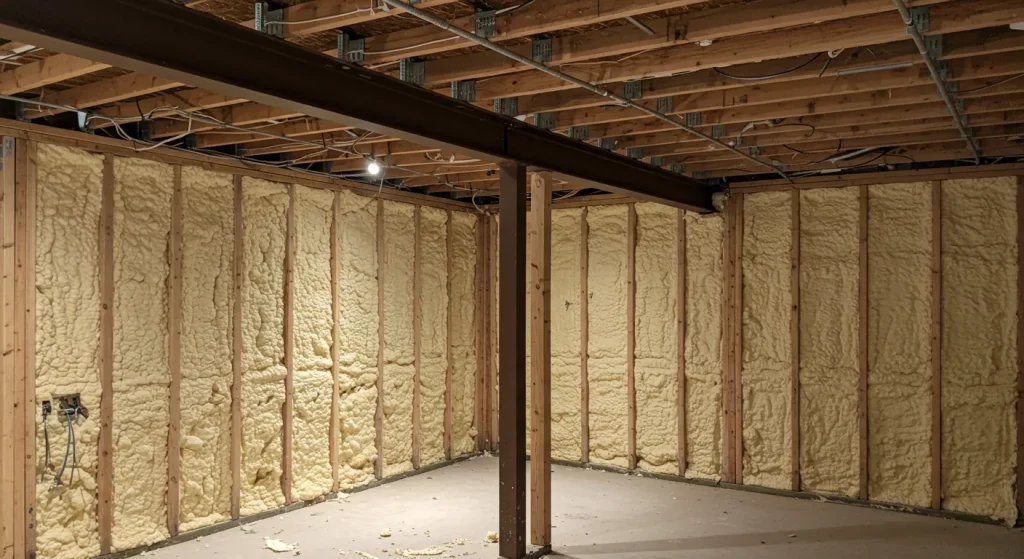
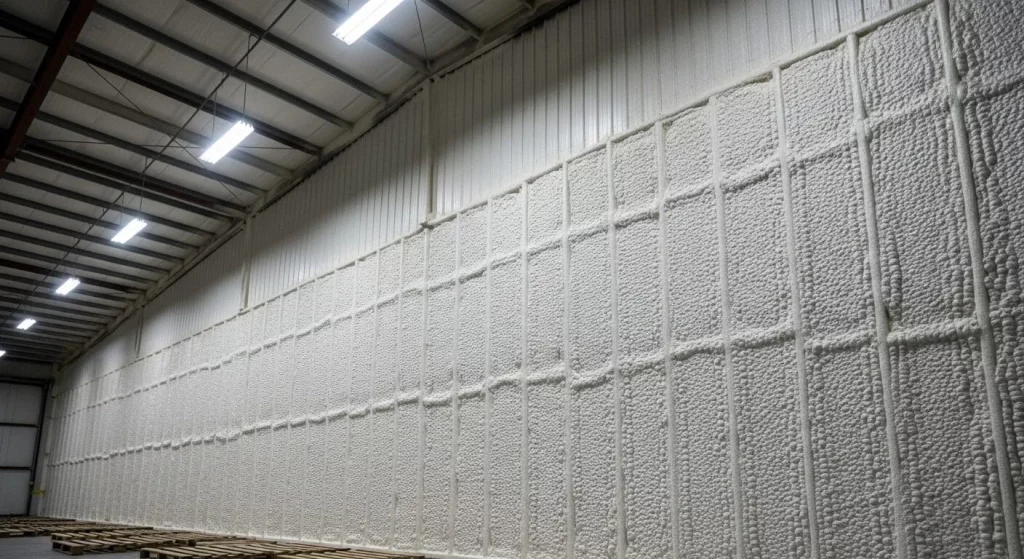
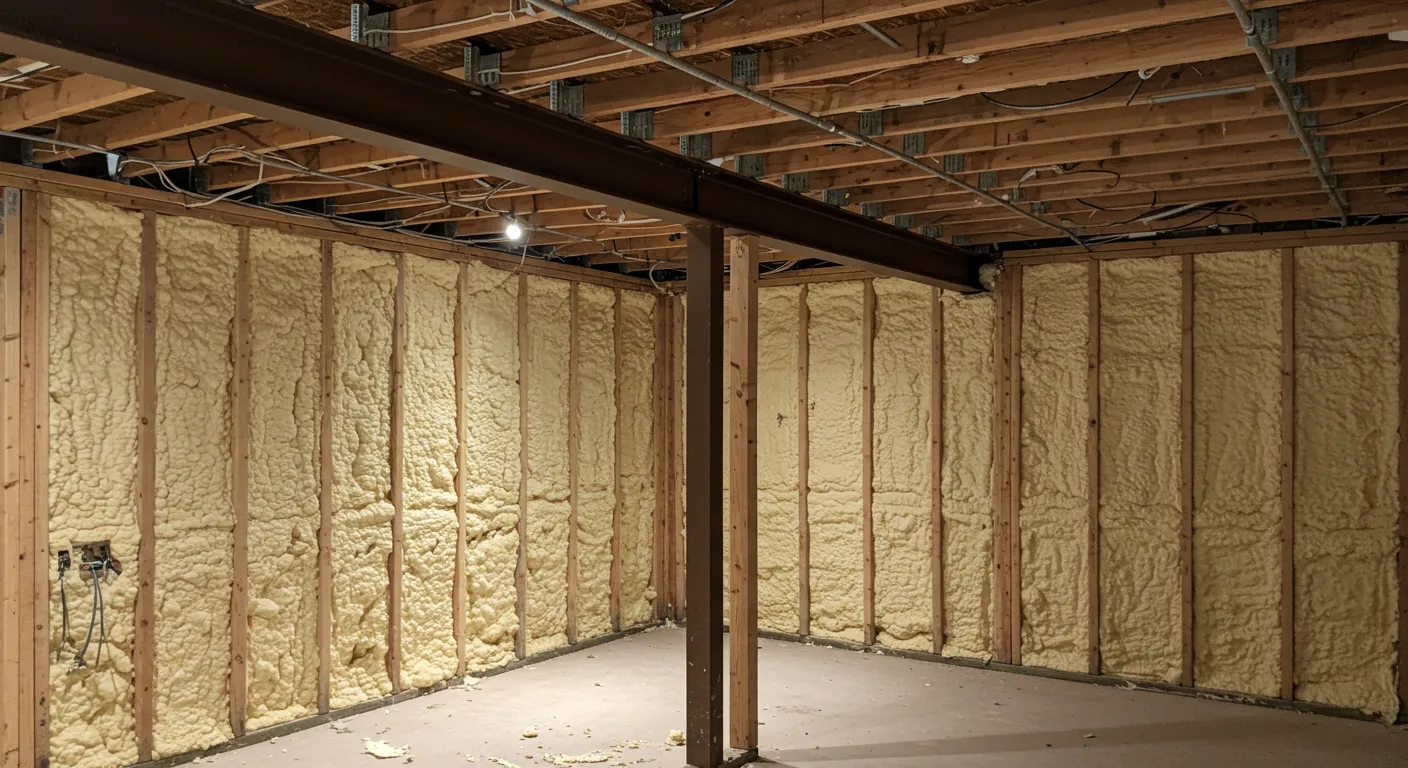
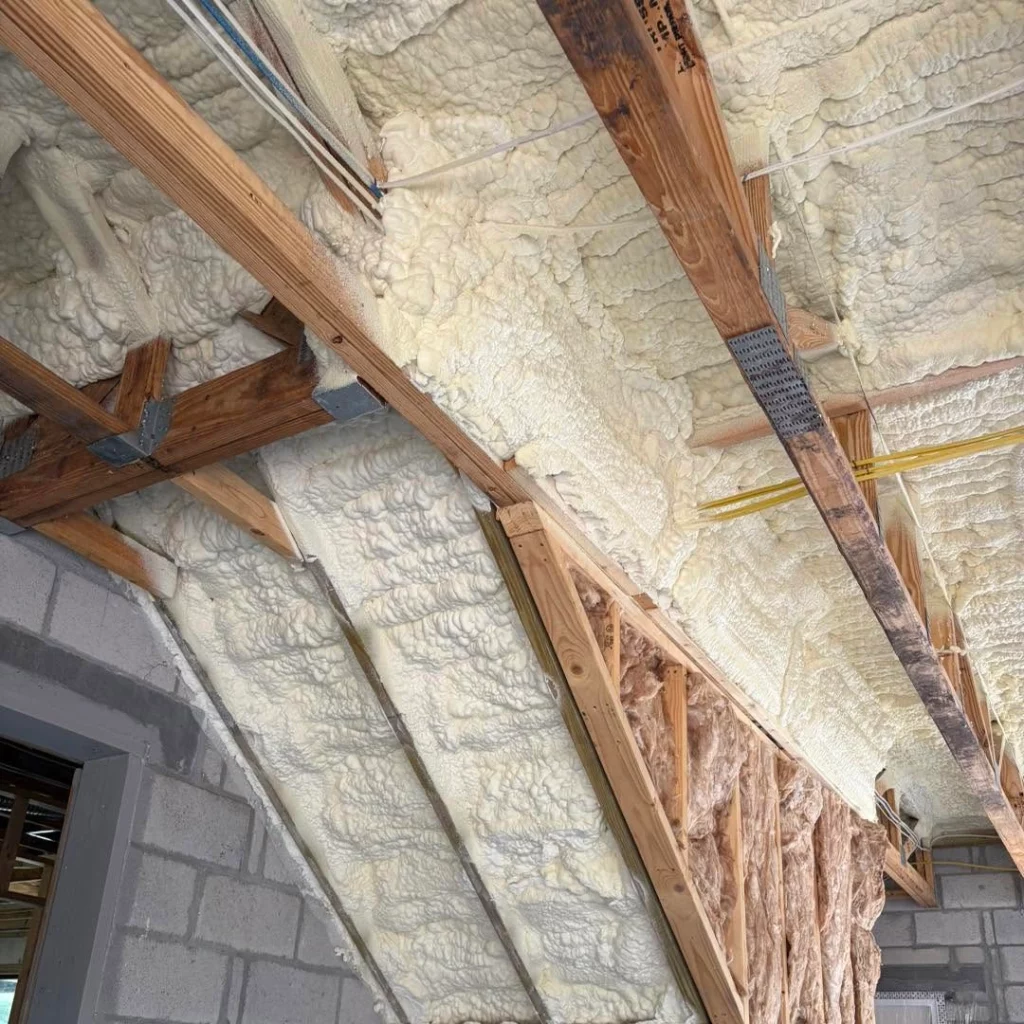
Spray foam seals and insulates in one step, which helps in leaky attics and rim joists. Batts and cellulose can still work well when a crew seals gaps before installing them.
Can Insulation Make Indoor Air Worse?
Yes, if the job ignores ventilation, moisture, or curing. These are the trade-offs most competitor pages skip over.
Trapped Pollutants
ENERGY STAR warns that sealing a home may trap pollutants like radon, carbon monoxide, and VOCs; that a tight home may need added mechanical ventilation; and that sealing can sometimes cause combustion appliances such as water heaters to backdraft. If you have a gas water heater or furnace, it should be checked before and after sealing.
Spray Foam Curing
The EPA’s spray foam safety tips note that occupants shouldn’t re-enter until the manufacturer’s re-occupancy steps are met, that some manufacturers recommend 24 hours, though times vary, and that correctly applied, fully cured foam is typically considered relatively inert. Rushing back in is the real risk, not the cured foam.
Wet or Moldy Insulation
Covering moldy insulation with new material hides the problem. It should be removed and the water source fixed first.
Signs Your Insulation Is Hurting Your Indoor Air
These warning signs often point to air leaks or moisture behind the walls:
- Musty smell after rain or on humid days, often from the crawl space
- Dark streaks on insulation, which usually mark air leaking through and leaving dust behind
- Condensation on windows, ductwork, or pipes
- Extra dust on furniture soon after cleaning
- Hot upstairs rooms and cold floors in the same house
- Damp or compressed insulation in the attic or under floors
A Practical Checklist Before Your Home Insulation Installation
A good home insulation installation follows an order. Skipping steps is how air quality problems start.
- Inspect first. Check the attic, walls, and crawl space for leaks, mold, and damaged insulation.
- Fix water problems. Repair roof leaks, plumbing drips, and drainage before adding anything.
- Air seal. Close gaps around wiring, plumbing, top plates, rim joists, and attic hatches.
- Check residential insulation coverage. Look for thin spots at attic edges, knee walls, and over garages.
- Plan ventilation. Confirm bath fans and kitchen hoods vent outside.
- Test combustion appliances. Make sure nothing backdrafts once the house is tighter.
- Respect cure times. Stay out until the foam manufacturer’s re-occupancy time passes.
- Track humidity. A simple hygrometer shows whether your home stays in a healthy range.
Talk to Us About Your Burlington Home’s Air
If your home feels musty, dusty, or uneven from room to room, insulation and air sealing may be part of the fix. At Raleigh Excel Spray Foam Insulation, we can look at your attic and crawl space in Burlington, NC, and explain what we find before recommending anything. Call us at (919) 301-9435 or email [email protected].
FAQs
Can insulation improve indoor air quality?
It can, mostly through air sealing and moisture control. Insulation that blocks attic and crawl space air and keeps surfaces dry reduces dust and mold risk.
Does spray foam help with air quality?
Spray foam seals air leaks while it insulates, so less outside and attic air gets in. It needs proper installation, a full cure, and good ventilation to work well.
Will better insulation reduce allergies?
It may cut dust, pollen, and mold spores coming in through leaks. It won’t remove allergens already inside, so filtration and cleaning still matter.
How long should I stay out after spray foam is installed?
Follow the manufacturer’s re-occupancy time for that specific product. Some products call for about 24 hours, but times vary.
Which insulation is best for indoor air quality?
No single material wins everywhere. The best choice depends on the spot, moisture levels and whether the home gets air sealed and ventilated properly.
Sources
- EPA Brief Guide to Mold, Moisture and Your Home – moisture control, humidity targets and insulating cold surfaces to prevent condensation.
- ENERGY STAR – sealing can trap pollutants, the need for mechanical ventilation and backdraft risk.
- EPA’s spray foam safety tips – re-occupancy timing and cured foam being relatively inert.

- Why Is Closed Cell Spray Foam Effective Around Moisture-Prone Building Areas in Raleigh, NC? - October 21, 2026
- How Does Residential Insulation Affect Air Quality and Indoor Living Spaces in Burlington, NC? - October 21, 2026
- Why Commercial Insulation Can Support Large Buildings With Complex Layouts in Durham, NC - October 15, 2026