


Spray foam insulation is one of the most effective ways to seal your home against Thomasville’s humid summers and cold winters, but it comes with a unique set of challenges that homeowners and contractors must understand. When installed incorrectly, spray foam can cause moisture problems, structural damage, off-gassing health concerns, and costly remediation bills. The good news is that most spray foam insulation problems are preventable when you know what to look for and how to address them. Our team has seen these issues firsthand across dozens of homes in the Thomasville area, and we can help you avoid the most common pitfalls.
TL;DR
- Improper mixing ratios during installation cause foam to become brittle, shrink, or expand excessively, leading to gaps and reduced insulation performance
- Open-cell spray foam absorbs moisture in humid climates like Thomasville, requiring proper vapor barrier installation to prevent mold growth
- Off-gassing from improperly cured spray foam releases harmful volatile organic compounds into living spaces
- Chemical degradation from UV exposure damages spray foam insulation in exposed applications
- Inadequate ventilation during installation poses serious health risks to occupants and installers
- Hiring certified contractors reduces the risk of installation failures by up to 85%, according to industry data
- Costly remediation is often necessary when spray foam is applied over existing moisture damage or mold
- Regular inspections can catch small problems before they become major structural issues
Understanding Spray Foam Insulation Types and Their Performance
Before diving into the problems, you need to understand the two main types of spray foam and how they perform in Thomasville’s climate conditions. Closed-cell spray foam offers an R-value of approximately 6.5 to 7 per inch and acts as both an air barrier and moisture barrier. Open-cell spray foam provides an R-value of around 3.5 to 3.8 per inch and offers excellent air sealing but remains permeable to moisture.
| Insulation Type | R-Value per Inch | Air Barrier | Moisture Barrier | Cost per Board Foot | Best Applications |
|---|---|---|---|---|---|
| Open-Cell Spray Foam | 3.5-3.8 | Yes | No | $0.75-$1.50 | Interior walls, attics, crawl spaces |
| Closed-Cell Spray Foam | 6.5-7.0 | Yes | Yes | $1.50-$3.00 | Exterior walls, foundations, cold climates |
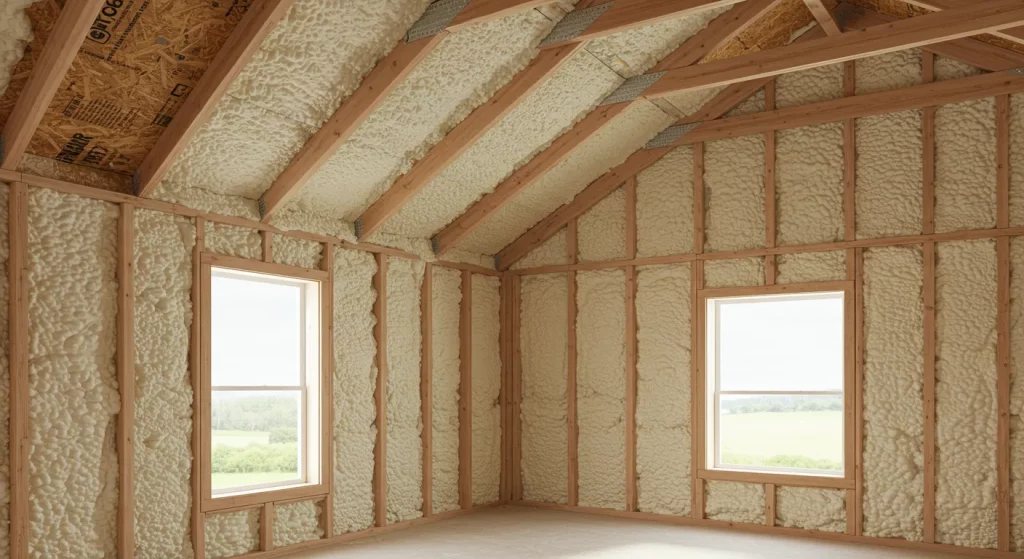
For Thomasville homes, closed-cell spray foam is generally recommended for exterior walls and foundation applications where moisture resistance is critical. Open-cell foam works well in attic spaces where ventilation can manage any moisture that passes through. Mixing both types strategically throughout a home often provides the best balance of performance and cost.
Problem 1: Improper Installation Causing Gaps and Void
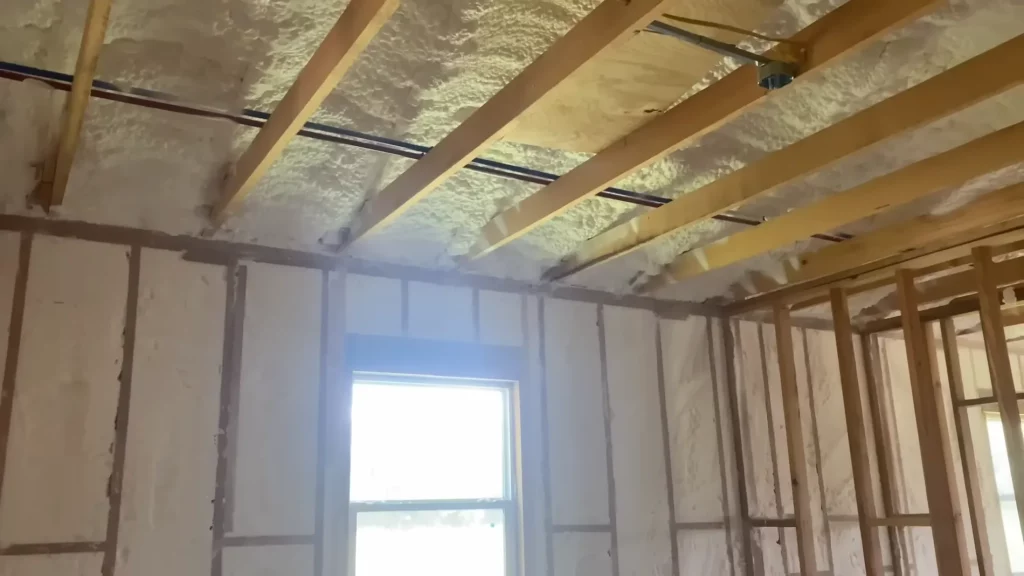
The most frequent spray foam insulation problem our team encounters in Thomasville homes is incomplete coverage with gaps and voids. This occurs when installers fail to apply foam at the correct depth, miss corners and rim joists, or apply it in uneven layers. Gaps as small as 2% coverage loss can reduce overall insulation performance by 30% or more, which is why spray foam insulation systems are critical for proper performance.
This problem stems from several root causes. Some contractors rush the application to meet tight deadlines. Others lack proper training on spray equipment calibration. Even experienced installers sometimes struggle with hard-to-reach areas like around wiring and plumbing junctions. The result is thermal bridging, where heat transfers directly through uninsulated sections, causing uncomfortable drafts and inflated energy bills.
Fixing this problem requires a professional assessment with thermal imaging to identify exactly where gaps exist. Our technicians then perform targeted reapplication in problem areas without disturbing properly installed foam elsewhere. Complete removal and reinstallation is only necessary in severe cases where over 40% of the foam shows deficiencies.
Problem 2: Moisture Accumulation and Mold Growth
Thomasville’s humidity levels make moisture management a critical consideration for any insulation project. Open-cell spray foam acts like a sponge when exposed to sustained moisture, holding water within its cellular structure. Over time, this leads to wood rot in wall cavities, mold proliferation on surfaces, and compromised indoor air quality.
Closed-cell foam resists moisture penetration better, but it can still trap water vapor if installed on the interior side of walls without proper vapor diffusion pathways. This creates conditions ideal for hidden mold growth behind walls, where homeowners cannot see the damage until it becomes severe. Signs of moisture-related spray foam problems include peeling paint, warped wall surfaces, musty odors, and visible mold on exterior surfaces, which highlights moisture control in spray foam insulation topics.
Preventing moisture problems starts with proper vapor barrier selection based on your specific wall assembly. In Thomasville’s climate zone, the Building Science Institute recommends managing moisture from both directions, using smart vapor retarders or ensuring adequate exterior ventilation. Any existing water damage must be completely remediated before new insulation is applied, and dehumidification systems may be necessary in chronically humid homes.
Problem 3: Off-Gassing and Indoor Air Quality Concerns
Spray foam insulation releases volatile organic compounds during installation and the curing process. When improperly applied or cured, these VOCs can persist in living spaces for weeks or months, causing respiratory irritation, headaches, allergic reactions, and other health symptoms. This problem is particularly concerning for homeowners with asthma, allergies, or chemical sensitivities.
The off-gassing issue typically occurs when installers add too much catalyst to speed up curing time, apply foam in areas without adequate ventilation, or allow occupants to remain in the building during and immediately after installation. Even well-intentioned contractors sometimes underestimate the importance of proper ventilation during the critical 24 to 72-hour curing period.
Addressing off-gassing problems begins with air quality testing if occupants experience symptoms after spray foam installation. Increasing ventilation through open windows, running exhaust fans, and using air purifiers with activated carbon filters can accelerate VOC dissipation. In severe cases, foam removal may be necessary if contamination levels remain dangerous. Professional spray foam installation always includes thorough ventilation protocols and clear occupancy guidelines for homeowners.
Problem 4: UV Degradation and Structural Damage
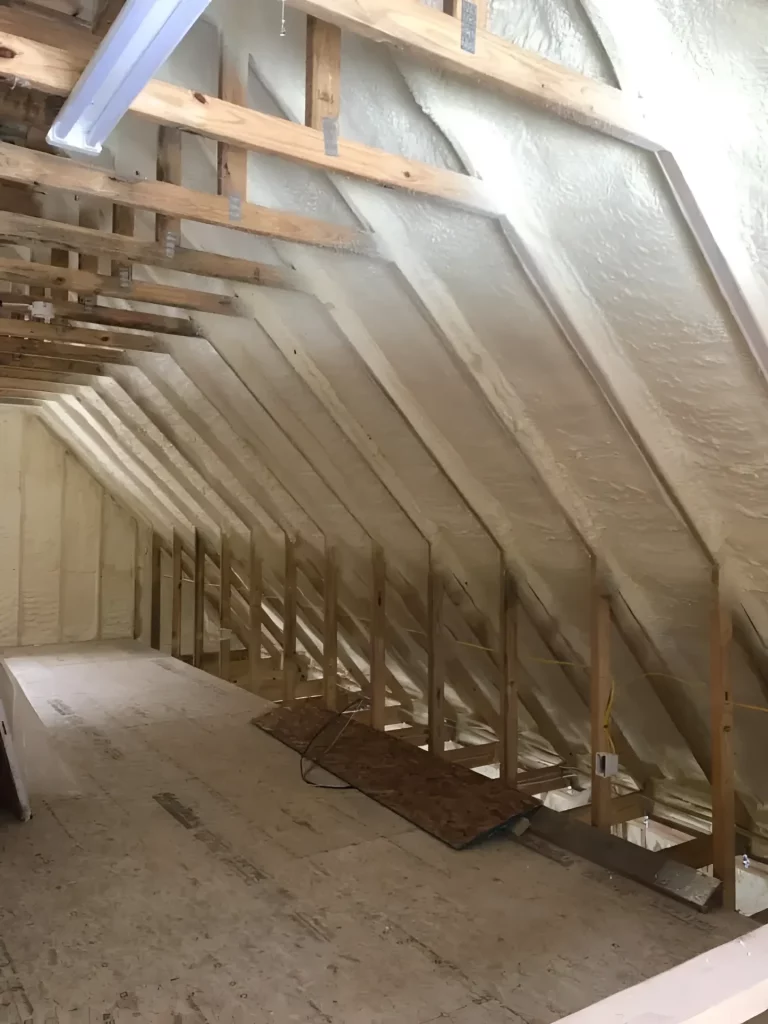
Spray foam insulation breaks down rapidly when exposed to ultraviolet light. UV radiation causes chemical degradation that makes foam become brittle, chalky, and structurally weak. This is a common problem in attic applications where spray foam is applied to roof sheathing and left exposed to sunlight through ventilation openings.
Degraded spray foam loses its insulative properties and air sealing capability, creating performance problems throughout the home. Beyond the insulation failure itself, crumbling foam can clog ventilation pathways and create fire hazards when it accumulates near heat sources or electrical equipment. In some cases, degraded foam releases toxic particles into the ventilation air.
Preventing UV damage requires covering all exposed spray foam with appropriate coatings, sheathing, or finish materials. In attic applications, this typically means installing drywall or spray-on protective coatings specifically designed for spray foam preservation. Our team always covers exposed foam surfaces immediately after installation to ensure long-term performance and safety.
Problem 5: Equipment and Mixing Ratio Failures
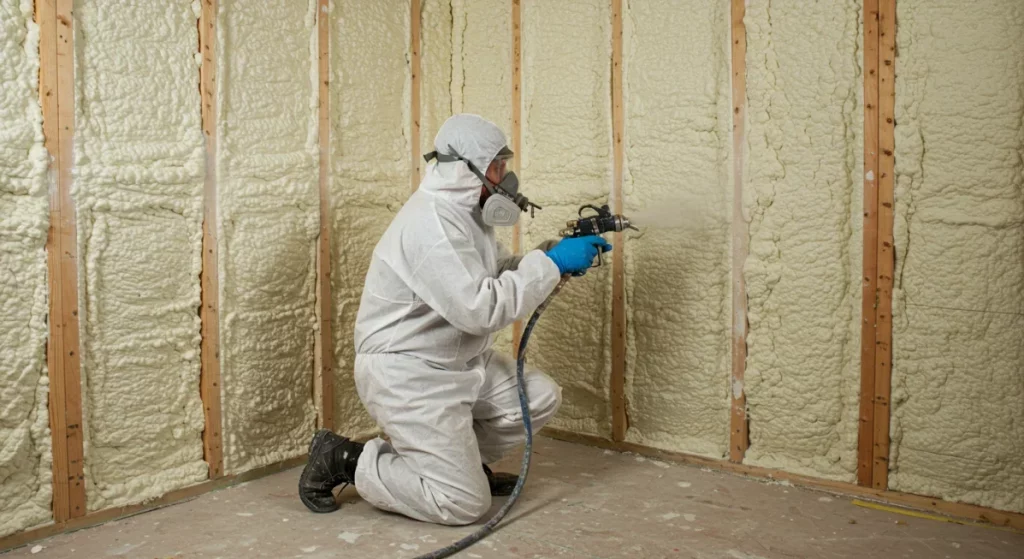
Spray foam insulation requires precise chemical mixing ratios to achieve proper cellular structure and performance characteristics. When A-side and B-side chemicals are not properly proportioned, the resulting foam suffers from multiple deficiencies. Over-ratio application creates brittle, cracked foam with reduced insulation value. Under-ratio application produces soft, tacky foam that never fully cures and may off-gas indefinitely.
Equipment maintenance plays a crucial role in achieving correct mixing ratios. Worn spray tips, clogged filters, incorrect temperature settings, and inadequate pressure balancing all contribute to mixing failures. Some contractors cut costs by using outdated equipment or skipping scheduled maintenance, leading to substandard installations that homeowners discover only after problems emerge.
Quality contractors prevent mixing ratio problems through regular equipment calibration, temperature monitoring during application, and post-installation inspection protocols. Our team follows manufacturer specifications precisely and maintains detailed records of equipment maintenance. When problems are suspected, we can perform density and cell structure tests to verify installation quality.
Real-World Contractor Scenarios
| Scenario | Home Type | Problem Identified | Solution Implemented | Outcome |
|---|---|---|---|---|
| New Construction Gap Coverage | 2,400 sq ft colonial | Thermal imaging revealed 15% void coverage in exterior walls | Targeted reapplication in rim joist and corner areas | Energy bills reduced 22% in first year |
| Mold Remediation After Open-Cell Installation | 1970s brick ranch | Open-cell foam installed without vapor barrier caused hidden mold | Complete foam removal, mold remediation, closed-cell reinstall | Indoor air quality restored, no recurrence |
| UV Degradation in Attic | Split-level home | Foam applied to roof deck left exposed for 8 months | Removed degraded foam, applied UV-protective coating, installed drywall | Attic insulation restored to R-49 performance |
| Chemical Off-Gassing Complaint | 1990s two-story | Catalyst over-ratio causing persistent headaches | Air quality testing, enhanced ventilation, 30-day monitoring | Symptoms resolved, no foam removal needed |
| Equipment Failure Discovery | Custom build | Homeowner hired cheapest bid, foam never fully cured | Complete removal and professional reinstallation | Home met energy performance standards |
Actionable Strategies for Homeowners
- Verify contractor certifications before signing any contracts. Look for manufacturer certifications and ask for proof of insurance. Certified installers undergo specialized training that significantly reduces failure rates.
- Request a pre-installation inspection to document existing conditions. Photograph any water stains, mold signs, or structural concerns before work begins. This documentation protects you if problems emerge later.
- Insist on thermal imaging verification after installation completion. Professional installers should offer post-installation thermal scans to confirm complete coverage throughout the envelope.
- Establish clear ventilation protocols for your family during and after installation. Most manufacturers require 24 to 72 hours of ventilation with occupants out of the building during active curing.
- Understand your vapor barrier requirements before work begins. Climate zone recommendations vary, and your insulation type should match your wall assembly design.
- Schedule annual insulation inspections to catch developing problems early. Small gaps or moisture intrusion detected within the first year are much easier and cheaper to address than long-standing damage.
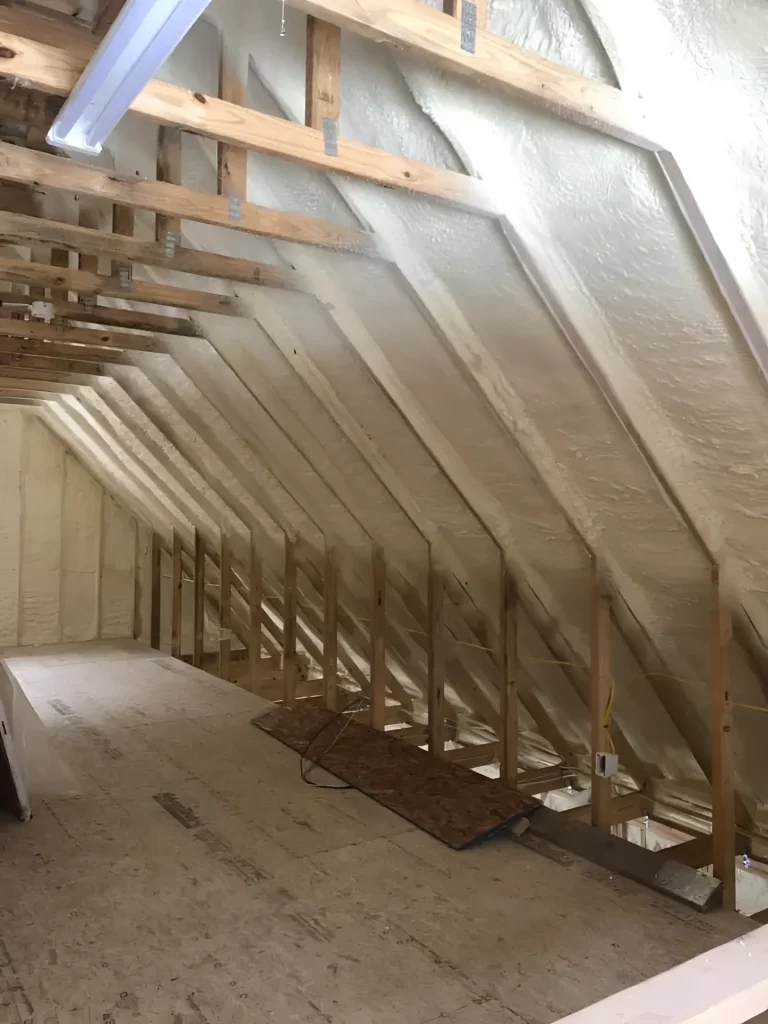
Factors That Affect Spray Foam Performance in Thomasville
Several key variables influence how well spray foam insulation performs in your Thomasville home. Understanding these factors helps you make informed decisions and ask better questions of potential contractors.
Building Age and construction type play a major role in determining appropriate insulation strategies. Older homes with balloon framing or inadequate exterior sheathing require different approaches than newer construction with engineered wall systems. Pre-existing moisture damage or pest damage may need remediation before insulation installation.
Climate Zone Classification places Thomasville in USDA Zone 7b, meaning winter lows average 5 to 10 degrees Fahrenheit and summer highs regularly exceed 90 degrees with significant humidity. These conditions demand insulation that handles both thermal resistance and moisture management throughout the year.
Foam Thickness Requirements vary by application and insulation type. Attic applications typically require R-38 to R-49 coverage, while wall cavities are limited by stud depth. Understanding these limitations prevents overfilling, which can cause blowouts or underfilling that wastes money on inadequate coverage.
Installation Temperature and Weather Conditions affect foam curing and adhesion. Most spray foam products require substrate and ambient temperatures above 50 degrees Fahrenheit for proper installation. Cold-weather installations in Thomasville winters require heated work areas or specialized cold-weather foam products.
Why Professional Installation Matters
Spray foam insulation represents a significant investment in your home’s comfort and energy efficiency. The difference between professional installation and substandard work often amounts to thousands of dollars in remediation costs, elevated energy bills, and health concerns that persist for years. Our experienced technicians understand Thomasville, NC insulation services and apply proven installation protocols that maximize performance while minimizing risk.
Every installation we complete includes a pre-installation assessment, post-installation verification with thermal imaging, and clear homeowner guidance for the curing period. We stand behind our work with documented quality assurance that protects your investment for decades.
Get Expert Spray Foam Solutions in Thomasville
Our team at Raleigh Excel Spray Foam Insulation brings years of hands-on experience solving spray foam insulation problems across Thomasville and the surrounding Piedmont Triad region. We understand the unique challenges that local climate conditions create, and we approach every project with careful attention to detail, proper installation techniques, and transparent communication throughout the process.
Whether you are building a new home, upgrading existing insulation, or dealing with problems from a previous installation, our certified technicians can assess your situation, recommend the best solutions, and execute the work to the highest industry standards. Contact us today to schedule your free insulation assessment and learn how we can improve your home’s comfort and energy efficiency.
Contact our team today to discuss your moisture protection needs. Call us at (919) 301-9435 or email [email protected] for a comprehensive assessment of your property’s insulation requirements.
Frequently Asked Questions
How long does spray foam insulation off-gas after installation?
Most spray foam installations complete primary off-gassing within 24 to 72 hours when proper ventilation is maintained. However, trace VOC emissions can continue for several weeks in some cases. We recommend occupants remain out of treated areas for a minimum of 24 hours and that ventilation continue for at least 72 hours after installation.
Can spray foam insulation be applied over existing batt insulation?
Spray foam should never be applied over existing insulation without first addressing any moisture damage, mold, or structural concerns in the wall cavity. The existing batt insulation must be removed, the cavity inspected, and any repairs completed before spray foam installation proceeds.
What happens if spray foam is applied too thickly?
Excessive spray foam application can cause wall cavity blowouts where pressure builds beyond what building materials can withstand. It can also trap moisture against cold surfaces during winter conditions. Proper thickness is limited by stud depth and manufacturer specifications, typically one to two inches in wall cavities.
Is spray foam insulation worth the extra cost compared to batt insulation?
For homes in Thomasville’s climate, spray foam insulation typically provides 20 to 40% better energy efficiency than traditional batt insulation due to its air sealing properties. The higher upfront investment often pays for itself within 3 to 5 years through reduced heating and cooling costs.
How do I know if my spray foam insulation has moisture problems?
Signs of moisture problems include musty odors that intensify when HVAC systems run, visible mold on interior walls or exterior surfaces, bubbling or peeling paint, warped trim or door frames, and unexpectedly high humidity readings on interior hygrometers. Thermal imaging can detect hidden moisture accumulation before it causes visible damage.
Sources
- Building Science Institute – Wall Assembly Moisture Management – Research on vapor barrier selection and wall assembly moisture dynamics in various climate zones.
- U.S. Department of Energy – Insulation Materials – Technical specifications for spray foam R-values, installation requirements, and performance comparisons.
- Environmental Protection Agency – Indoor Air Quality – Guidelines on VOC emissions, off-gassing, and air quality management during construction.
- Spray Polyurethane Foam Association – Industry standards, contractor certification requirements, and best practices for spray foam installation.
- North Carolina Building Code Council – Local building codes and insulation requirements specific to North Carolina climate zones.

- What Role Does Insulation Thickness Play in Building Durability and Material Performance? - October 23, 2026
- How Can Spray Foam Insulation Improve Coverage Around Irregular Framing? - October 23, 2026
- Why Is Closed Cell Spray Foam Effective Around Moisture-Prone Building Areas in Raleigh, NC? - October 21, 2026