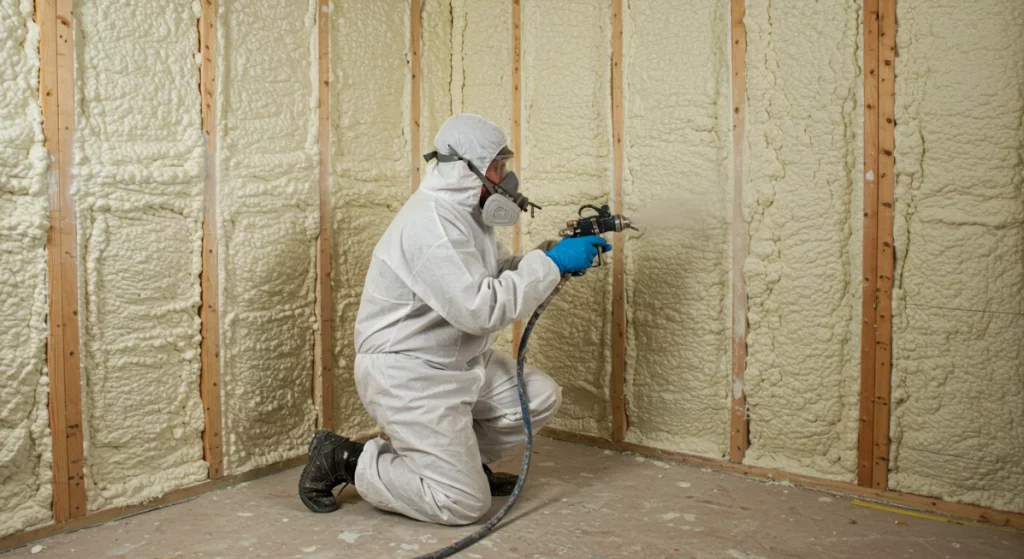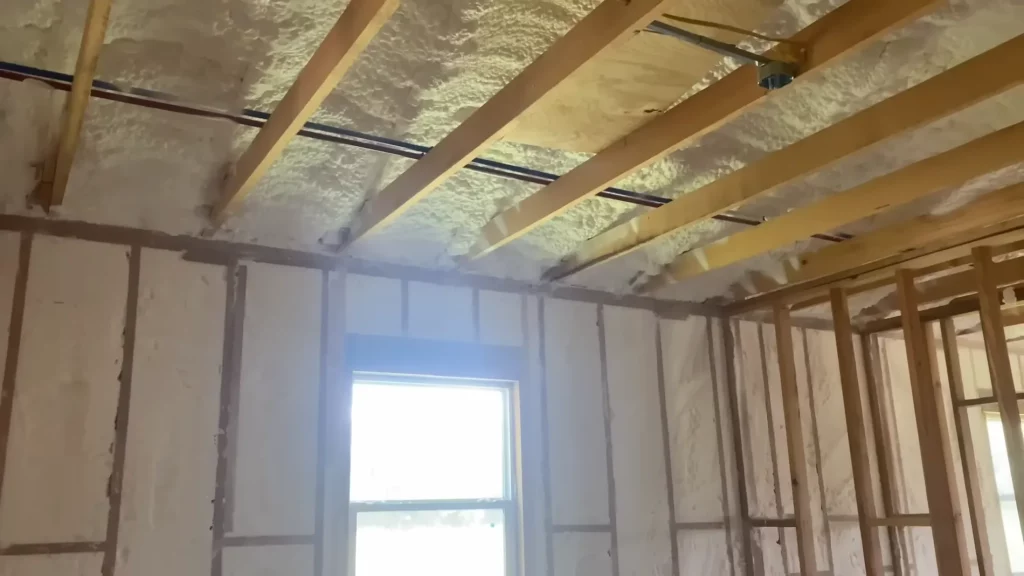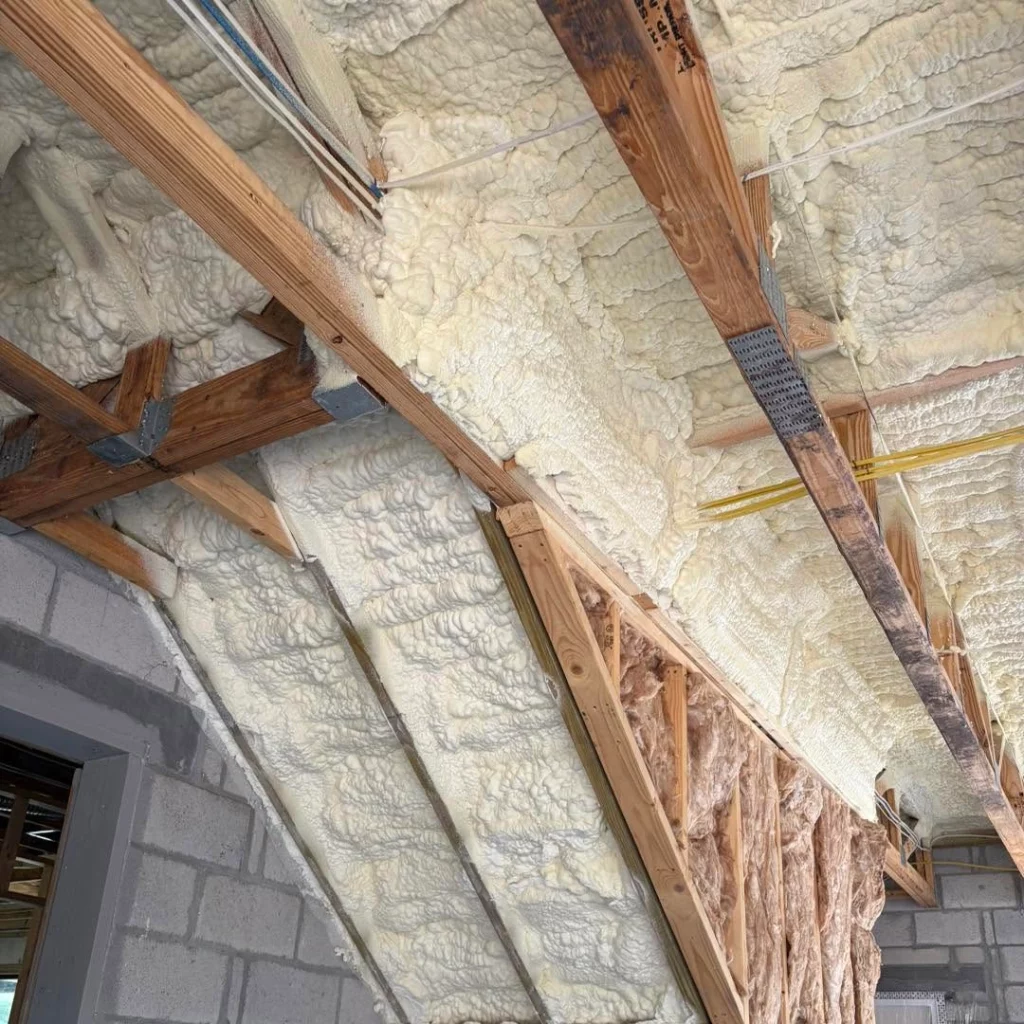



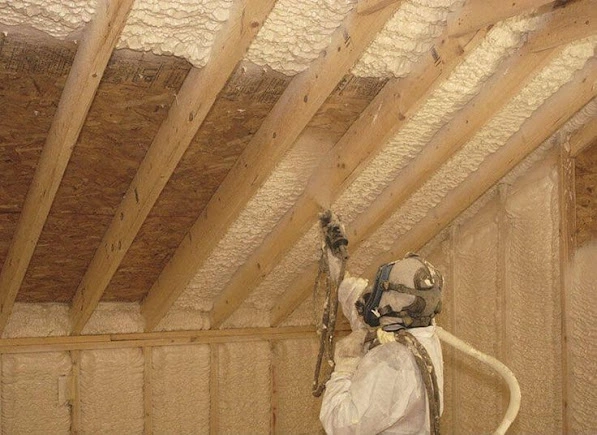
Spray foam roofing systems, specifically Spray Polyurethane Foam (SPF), provide a seamless, monolithic barrier that combines high-performance insulation with superior waterproofing. Unlike traditional membrane roofs, SPF is applied as a liquid that expands into a solid structure, filling cracks and gaps to eliminate thermal bridging and potential leak points.
For commercial property owners and contractors, spray foam roofing is a strategic long-term investment. It typically offers a lower life-cycle cost compared to Built-Up Roofing (BUR) or TPO because it can be recoated every 10 to 20 years rather than requiring a full tear-off. Strategically, it is the best solution for flat or low-slope roofs where energy efficiency and moisture protection are the primary objectives. While the initial installation cost may be higher than basic coatings, the integrated roofing insulation properties can reduce HVAC energy consumption by up to 30%, providing a rapid return on investment.
TL;DR
- Seamless Protection: SPF creates a zero-seam surface, eliminating the #1 cause of roof leaks (seam failure).
- Superior R-Value: Provides an R-value of approximately 6.5 per inch, the highest available for commercial roofing solutions.
- Renewable Lifespan: With proper maintenance and a fresh foam roof coating every 15–20 years, an SPF roof can last 50+ years.
- Cost Efficiency: Installation typically ranges from $5 to $10 per square foot, but avoids the $2–$3 per square foot cost of traditional roof demolition.
- Rapid Installation: SPF systems are applied faster than multi-layer membrane systems, reducing labor hours and site disruption.
- Sustainability: Minimizes landfill waste since it is often applied directly over existing substrates, as noted by the Spray Polyurethane Foam Alliance (SPFA).
Understanding Spray Foam Roofing Systems
A spray foam roofing system is composed of two primary components: the SPF insulation layer and a protective elastomeric coating. When these components are combined, they create a durable, energy-efficient roofing system that moves with the building’s thermal expansion and contraction.
The Three-Layer Defense
- Preparation Layer: The existing roof is cleaned and primed to ensure maximum adhesion.
- Polyurethane Foam: A mixture of A-side (iso) and B-side (polyol) resins is sprayed, expanding 20 to 30 times its liquid volume.
- Elastomeric Coating: A UV-resistant topcoat (usually silicone or acrylic) is applied to protect the foam from sun damage and mechanical wear.
According to Energy.gov, “cool roofs” like SPF systems can significantly lower roof surface temperatures, reducing the “urban heat island” effect in metropolitan areas.
Performance Comparison: SPF vs. Traditional Roofing
| Factor | Spray Foam (SPF) | TPO / EPDM | Built-Up Roofing (BUR) |
|---|---|---|---|
| Seams | None (Monolithic) | Heat-welded or Taped | Multiple Layers/Seams |
| R-Value | 6.5 per inch | 3.5 – 5.0 (with board) | 2.5 – 3.0 |
| Lifespan | 50+ Years (with recoats) | 15 – 25 Years | 15 – 20 Years |
| Installation Speed | Very Fast | Moderate | Slow |
| Leak Risk | Extremely Low | Moderate (at seams) | High (at joints/flashing) |
| Maintenance | Low (Recoat only) | High (Patching seams) | High (Gravel/Bitumen) |
Visual Suggestion: A Bar Chart comparing the “Life-Cycle Cost” over 40 years. The Y-axis represents total dollars spent; the X-axis shows SPF vs. TPO. The SPF bar should show a higher initial cost but much smaller incremental maintenance costs compared to the TPO bar, which requires a full replacement at year 20.
Strategic Advantages of Roof Protection Systems
1. Thermal Insulation and Energy Savings
SPF is a closed-cell material. This means the cells are packed so tightly that air and water cannot pass through. This provides an airtight seal that prevents conditioned air from escaping the building envelope. Data from the Polyurethane Manufacturers Association indicates that high-density SPF provides structural reinforcement to the building while maintaining its thermal properties.
2. Weight and Structural Integrity
SPF is incredibly lightweight—approximately 0.5 lbs per square foot. This allows for application over existing roofs without exceeding structural weight limits, often saving the property owner the massive expense of a complete roof tear-off.
3. Self-Flashing Capabilities
Traditional roofing requires metal flashing around vents, pipes, and parapet walls. These are the most common points of failure. SPF is “self-flashing,” meaning the foam is sprayed directly onto these protrusions, creating a continuous, leak-proof bond.
Real-World Scenarios and Estimated Costs
| Scenario | Property Type | Recommended Option | Estimated Cost (Sq. Ft.) |
|---|---|---|---|
| Aging Metal Roof with Leaks | Warehouse / Industrial | 1.5″ SPF + Silicone Coating | $6.00 – $8.50 |
| Flat Roof New Construction | Retail Center | 2″ SPF + High-Solids Silicone | $7.50 – $10.00 |
| HVAC Energy Cost Reduction | Office Building | 2.5″ SPF + Acrylic Coating | $8.00 – $11.00 |
| Recovering Old TPO Roof | Healthcare Facility | 1″ SPF + Recoat System | $5.50 – $7.00 |
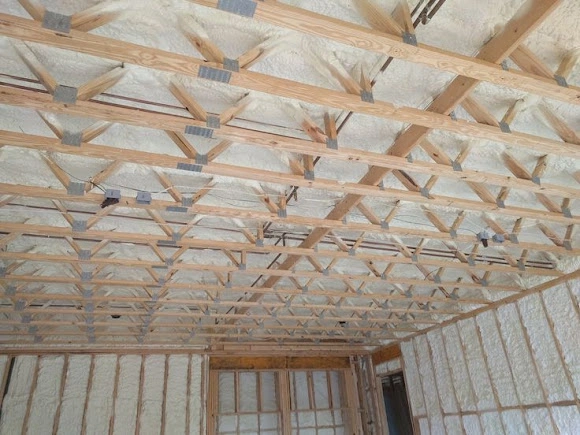
Factors Influencing the SPF Decision
Choosing a spray foam roofing system involves evaluating several variables to ensure long-term performance:
- Climate Zone: SPF performs exceptionally well in hot climates (like North Carolina) due to its high R-value and UV-reflective coatings.
- Roof Geometry: For roofs with many penetrations (vents, skylights, AC units), SPF is far more efficient and cost-effective than cutting and sealing membrane around every obstacle.
- Existing Substrate Condition: While SPF can go over many materials, the existing roof must be dry. Trapped moisture can cause blistering.
- Wind Uplift Requirements: SPF has high wind-uplift resistance. It is often the preferred choice in hurricane-prone regions because it bonds the entire roof deck into a single unit.
- Budget vs. Longevity: If the goal is a 5-year “quick fix,” SPF may be overkill. If the goal is a 30-year asset protection plan, SPF is the clear winner.
Who This Is For vs. Who This Is Not For
Who This Is For
- Commercial Building Owners looking to reduce overhead costs through energy savings.
- Facility Managers dealing with recurring leaks in complex roof layouts.
- Sustainable Developers aiming for LEED certification or high energy efficiency ratings.
- Industrial Property Owners who want to avoid the downtime of a roof tear-off.
Who This Is Not For
- Residential Homes with Steep Pitches: SPF is primarily designed for flat or low-slope commercial applications.
- Buildings with Saturated Substrates: If the existing roof is already 80% waterlogged, a full tear-off is required before any system can be applied.
- DIY Enthusiasts: SPF application requires specialized hydraulic equipment and professional certification for safety and quality control.
Visualizing the ROI
Visual Suggestion: A “Heat Map” graphic showing a cross-section of an SPF roof. The top side (sun-exposed) should be labeled 150°F, while the interior foam layer transitions quickly to 75°F at the ceiling level, illustrating the thermal break.
For further technical specifications on how spray foam interacts with building materials, the American Chemistry Council provides extensive research on the durability and safety of polyurethane products in construction.
Protect Your Investment with Raleigh Excel Spray Foam Insulation
Maximize the lifespan of your commercial property with a seamless, high-performance roofing solution. Raleigh Excel Spray Foam Insulation provides the expertise and precision required to install advanced spray foam systems that lower energy costs and stop leaks permanently.
Request a Quote | Schedule a Roof Assessment
Company Name: Raleigh Excel Spray Foam Insulation
Email Address: [email protected]
Phone: (919) 301-9435
Stop managing leaks and start managing your business with a roof that pays for itself.
FAQs
How long does a spray foam roof last?
With a professional installation and a maintenance recoat every 15 to 20 years, an SPF roof can last the lifetime of the building. It is a permanent solution rather than a temporary cover.
Can you walk on a spray foam roof?
Yes. SPF used for roofing is high-density (usually 2.8 to 3.0 lbs per cubic foot), making it firm enough to support regular foot traffic for HVAC maintenance and inspections.
Is spray foam roofing environmentally friendly?
Yes. It reduces landfill waste by eliminating the need for tear-offs, contains no ODP (Ozone Depletion Potential), and significantly lowers the carbon footprint of a building through energy reduction.
What happens if a spray foam roof gets a hole?
Unlike membrane roofs, where water can travel and hide, SPF is closed-cell. If a hole occurs, water cannot move laterally. Repairs are simple, usually requiring only a small amount of specialized caulk or foam sealant.
How does weather affect installation?
SPF must be applied to a dry substrate when temperatures are above 50°F and wind speeds are low. This ensures proper chemical reaction and adhesion for long-term roof protection systems.
Sources
- Spray Polyurethane Foam Alliance (SPFA)
- Energy.gov – Efficient Roofing Solutions
- Polyurethane Manufacturers Association
- American Chemistry Council

- How Should Raleigh, NC Property Owners Evaluate Insulation for Long-Term Use? - September 23, 2026
- What Factors Affect Insulation Performance Across Different Parts of a Property? - September 23, 2026
- Could Spray Foam Insulation Be Useful Around Uneven Building Sections in Wake Forest, NC? - September 18, 2026