


Upgrading your home’s insulation is one of the most effective ways to cut energy waste, reduce monthly utility bills, and improve year-round comfort. The right approach depends on your climate zone, the age and construction of your home, and which areas are currently under-insulated. According to the Department of Energy, homeowners can save up to 20% on heating and cooling costs by adding insulation to key areas like attics, crawl spaces, and basement rim joists, combined with reducing air leaks throughout the house (Source: DOE). This guide breaks down insulation types, R-value targets, common mistakes, and strategic priorities so you can make confident decisions about where and how to insulate with Residential Insulation.
TL;DR
- The EPA estimates average savings of 15% on heating and cooling costs (11% on total energy costs) when homeowners air seal and add insulation to attics, crawl spaces, and basement rim joists.
- Nine out of ten U.S. homes are under-insulated, meaning most homeowners have room for measurable improvement. ENERGY STAR – Why Seal and Insulate?.
- R-value measures thermal resistance, and recommended levels range from R-30 in warm climates to R-60 in cold climates for attics. ENERGY STAR – Recommended Home Insulation R-Values.
- Air sealing should always happen before or alongside insulation to prevent conditioned air from bypassing the thermal boundary.
- The four most common installation mistakes are gaps, voids, compression, and misalignment between insulation and the air barrier. Building America Solution Center – Heat Flow.
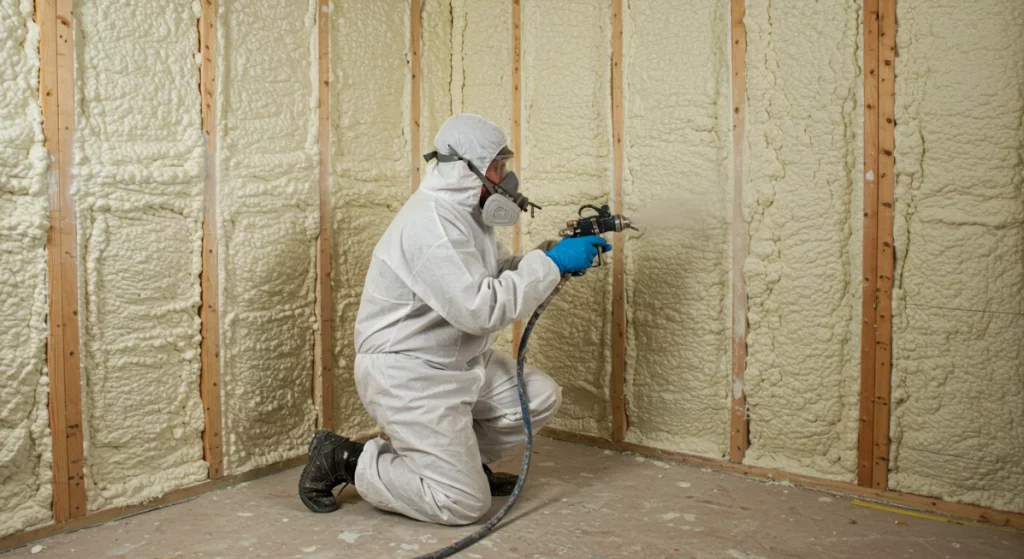
- Spray foam insulation offers higher R-values per inch and doubles as an air barrier, which can offset additional weatherization costs. Department of Energy – Types of Insulation.
- Savings are highest in northern climate zones (up to 16% on total utility bills in Zone 8) compared to southern zones (around 5% in Zone 1).
How Insulation Works: The Science Behind Energy Savings
Heat moves through your home in three ways: conduction through solid materials, convection through air currents, and radiation from warm surfaces to cooler ones. Insulation slows conductive and convective heat flow by trapping small pockets of air within its material. In winter, it keeps the heated air inside. In summer, it blocks outdoor heat from entering.
The effectiveness of any insulation material is measured by its R-value, which indicates its resistance to heat flow. Higher R-values mean better thermal performance. However, the rated R-value only holds true when insulation is installed correctly. Research from the Building America Solution Center shows that common installation errors like gaps, voids, compression, and misalignment with the air barrier can reduce effective R-value by 30% or more in real-world conditions, which is why choosing a skilled spray foam contractor is so important.
This is why air sealing and insulation work as a team. If you add insulation without sealing the leaks around it, conditioned air simply flows around or through the material, bypassing the thermal boundary entirely.
Recommended R-Values by Climate Zone
The Department of Energy and ENERGY STAR provide specific R-value recommendations based on climate zones, which account for regional temperature extremes and heating/cooling demands. Central North Carolina falls in Climate Zone 4.
| Climate Zone | Uninsulated Attic | Existing 3-4″ Attic Insulation | Floors Over Unconditioned Spaces | Wood-Frame Walls (Uninsulated) |
|---|---|---|---|---|
| Zone 1 (Hot) | R-30 to R-49 | R-19 to R-38 | R-13 | R-13 |
| Zone 2 (Warm) | R-49 to R-60 | R-38 to R-49 | R-13 | R-13 or R-0 + R-10 CI |
| Zone 3 (Warm) | R-49 to R-60 | R-38 to R-49 | R-19 | R-20 or R-13 + R-5 CI |
| Zone 4 (Mixed) | R-60 | R-49 | R-19 to R-30 | R-20 + R-5 CI or R-13 + R-10 CI |
| Zone 5-6 (Cold) | R-60 | R-49 | R-30 to R-38 | R-20 + R-5 CI or R-13 + R-10 CI |
| Zones 7-8 (Very Cold) | R-60 | R-49 | R-38 | R-20 + R-5 CI or R-13 + R-10 CI |
Source: DOE and ENERGY STAR guidelines
CI = Continuous insulation applied to the exterior of the wall assembly.
Types of Residential Insulation Compared
Choosing the right insulation material depends on where it will be installed, the R-value you need to achieve, and your budget. Here is a comparison of the most common residential options:
| Insulation Type | R-Value Per Inch | Air Barrier | Best Application | Installation |
|---|---|---|---|---|
| Fiberglass batts | 2.9 to 3.8 | No | Standard wall cavities, attics, and floors | DIY or professional |
| Blown-in cellulose | 3.1 to 3.8 | Partial | Attics, enclosed wall cavities, irregular spaces | Professional |
| Blown-in fiberglass | 2.2 to 2.7 | Partial | Attics, hard-to-reach areas | Professional |
| Open-cell spray foam | 3.5 to 3.7 | Yes | Wall cavities, attics, irregular framing | Professional |
| Closed-cell spray foam | 6.0 to 7.0 | Yes | Crawl spaces, rim joists, exterior walls | Professional |
| Rigid foam board | 3.8 to 6.5 | Varies | Basement walls, continuous exterior sheathing | Professional or DIY |
| Radiant barrier | N/A | No | Hot climates, attics (reflect radiant heat) | Professional or DIY |
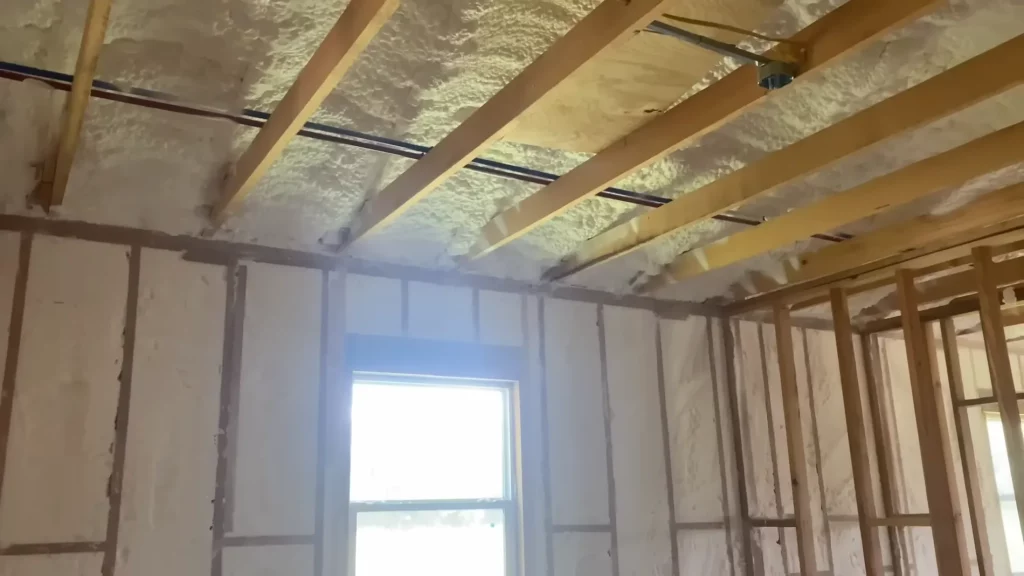
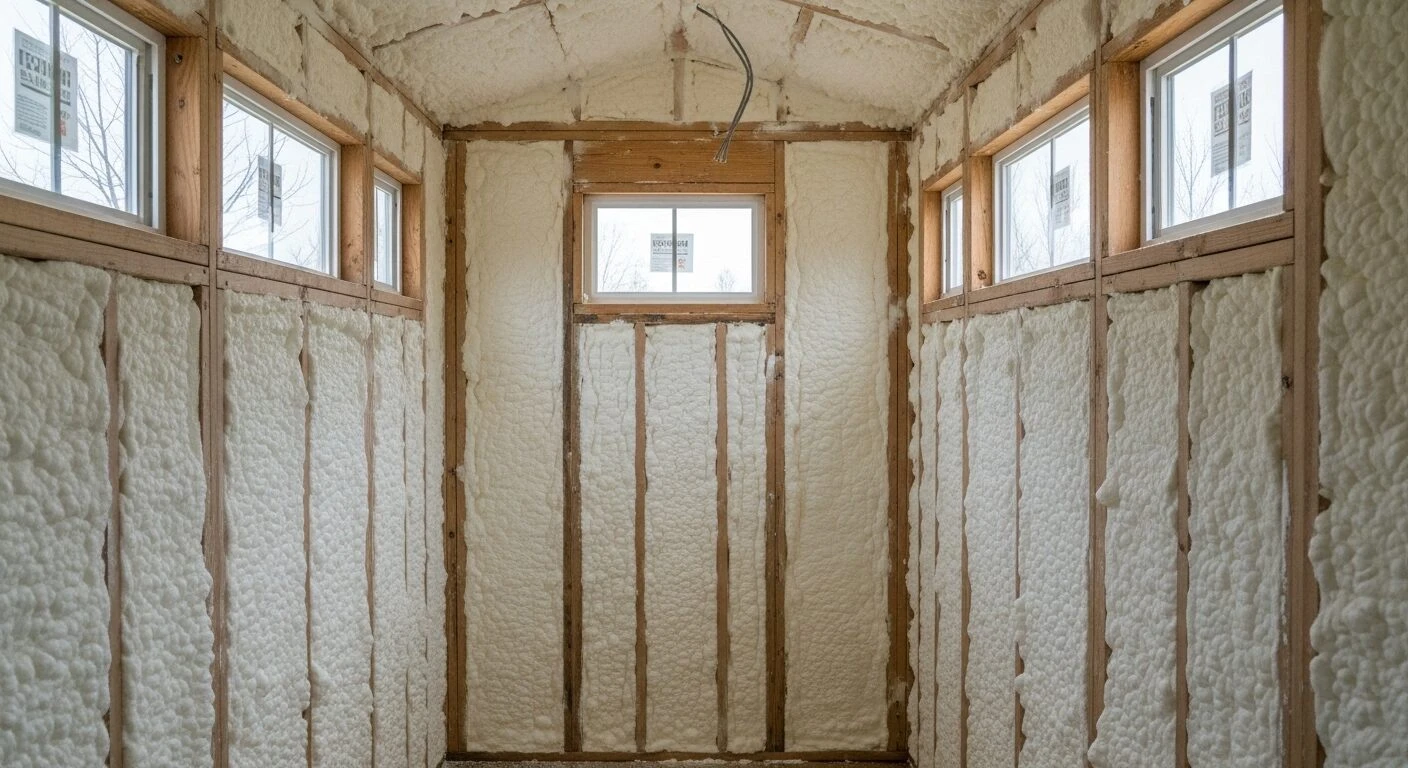
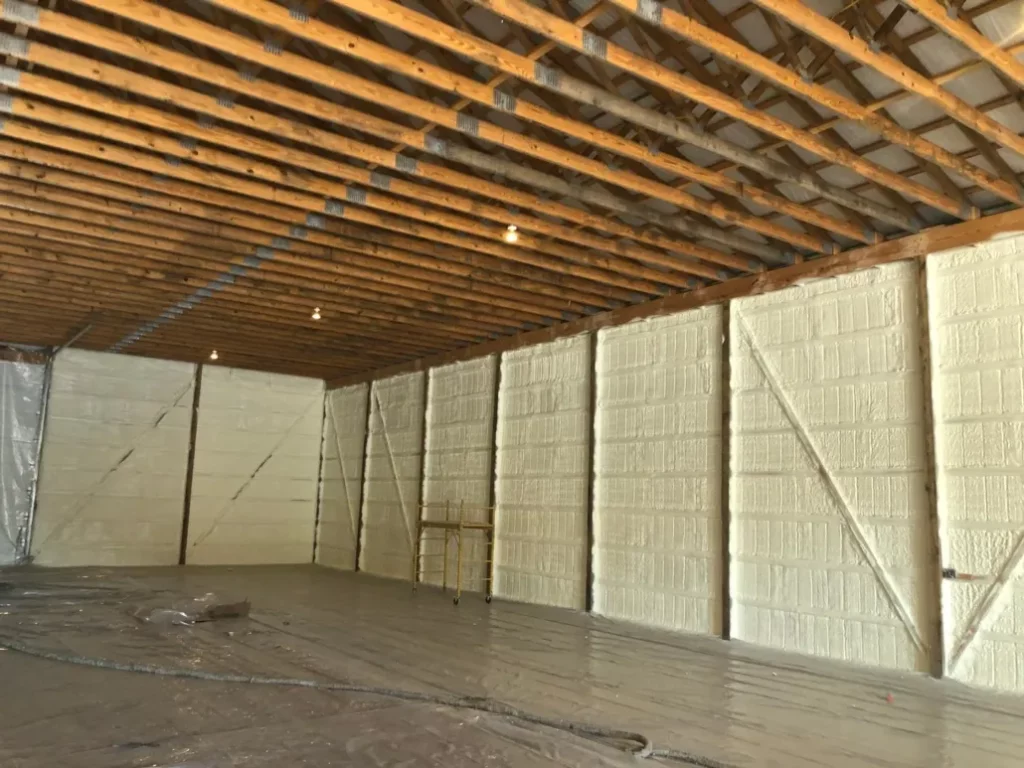
Spray foam stands out because it expands to fill cavities completely and creates an air seal in a single step. The Department of Energy notes that foam insulation has higher R-values per inch and forms an air barrier, which can eliminate the need for separate weatherization tasks like caulking, housewrap, and taping joints.
Where to Prioritize Insulation in Your Home
Not all areas of the home offer equal returns on insulation investment. Here is a priority ranking based on energy savings potential:
1. Attic and Roof Assembly
Attics are the single most impactful area to insulate in most homes. Heat rises, making the attic the primary pathway for energy loss in winter and heat gain in summer. For Climate Zone 4, the target is R-60 for an uninsulated attic. If you already have 3 to 4 inches, you should bring it up to R-49. Blown-in insulation works well for flat attic floors, while spray foam applied to the roofline is effective for cathedral ceilings and attic spaces with HVAC equipment.
2. Crawl Spaces and Basement Rim Joists
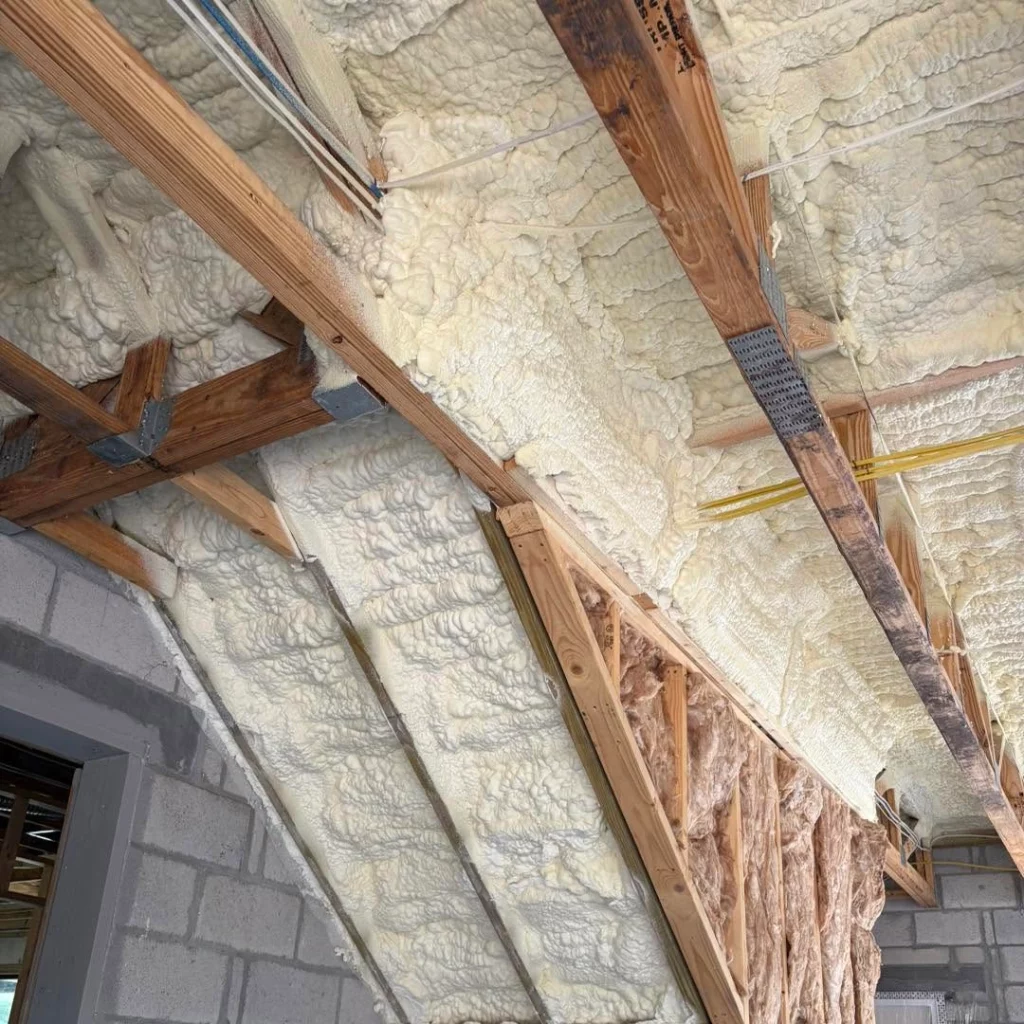
Rim joists are notoriously leaky areas where the wood framing meets the foundation. These cavities are difficult to insulate with batts or rolls, which makes spray foam an ideal solution. Crawl space insulation also helps control moisture and keeps the floors above at a more consistent temperature.
3. Exterior Walls
Wall insulation is harder to upgrade in existing homes because it typically requires removing siding or drilling holes to blow material into cavities. When re-siding is already planned, adding continuous insulation beneath the new cladding is an efficient strategy. In Zone 4, adding R-5 to R-10 of continuous insulation over existing wall cavities is recommended.
4. Floors Over Unconditioned Spaces
Floors above garages, cantilevered floors, and floors over vented crawl spaces all benefit from insulation. In Zone 4, the recommendation ranges from R-19 to R-30 depending on the specific sub-zone.
Air Sealing and Insulation: A Two-Part Strategy
Adding insulation without addressing air leaks is like wearing a thick coat with the zipper open. ENERGY STAR estimates that the combined leaks, holes, and gaps in a typical home’s envelope are equivalent to leaving a window open every day of the year.
Key areas to air seal include:
- Attic penetrations (recessed lights, ductwork, plumbing stacks)
- Rim joists and band joists in basements and crawl spaces
- Window and door frames
- Electrical outlets and switch plates on exterior walls
- Fireplace dampers and chimney chases
- Duct connections and plenums
The EPA estimates that the average homeowner can achieve a 25% reduction in total air infiltration through targeted air sealing, which directly amplifies the effectiveness of added insulation.
Common Insulation Mistakes That Reduce Efficiency
Even with quality materials, poor installation can dramatically reduce performance. The Building America Solution Center identifies four primary errors that compromise insulation effectiveness:
- Gaps: Cavities not fully filled with insulation allow both conductive and convective heat loss. Wiring and plumbing routes are common culprits.
- Voids: Completely uninsulated areas, often found in older homes or areas that were difficult to access during construction.
- Compression: Insulation that is compressed below its intended thickness delivers a lower R-value than its rating suggests.
- Misalignment: When the insulation and air barrier are not in direct contact, heated or cooled air can bypass the insulation entirely. This frequently happens at dropped ceilings, soffits, and chimney framing.
A quality installer will address all four of these issues during the installation process.
Estimated Savings by Climate Zone
Energy savings from sealing and insulating vary significantly by region. The EPA’s modeling shows the following estimated reductions in total annual utility bills for a typical existing home upgraded to meet 2012 IECC insulation standards:
| Climate Zone | Region | Total Utility Bill Savings | Heating/Cooling Only Savings |
|---|---|---|---|
| Zone 8 | Far North | 16% | 18% |
| Zone 7 | Northern | 15% | 19% |
| Zone 6 | Upper Midwest / Northeast | 14% | 18% |
| Zone 5 | Central-Northern | 12% | 16% |
| Zone 4 | Mixed (including Central NC) | 12-13% | 17-20% |
| Zone 3 | Southeast | 8% | 14% |
| Zone 2 | Southern | 6% | 9% |
| Zone 1 | Hot-Humid / Tropical | 5% | 7% |
Source: ENERGY STAR – Methodology for Estimated Energy Savings
Homes in mixed and cold climates see the highest dollar savings because heating demands are substantial and insulation directly reduces the load on HVAC systems over long heating seasons.
Recommendations by Home Type
New Construction
New builds offer the most flexibility for insulation strategy. Consider spray foam in wall cavities and rooflines for a continuous air barrier, rigid foam board for exterior continuous insulation, and blown-in material in attics for cost-effective depth. SIPs (structural insulated panels) are another option, offering 12% to 14% energy savings compared to traditional stick framing, according to the DOE.
Homes Built Between 1970 and 1989
The EPA used this era as the baseline for its savings modeling because these homes typically have some insulation but fall well below current code requirements. Upgrading attic insulation from the original levels to R-49 or R-60, combined with air sealing, typically yields the strongest return on investment for this group.
Older Homes (Pre-1970)
These homes often have little to no insulation in walls and attics, and significant air leakage through unsealed penetrations. Prioritize air sealing first, then address the attic, followed by rim joists and crawl spaces. Wall insulation can be added when re-siding becomes necessary.
Signs You Have Found the Right Insulation Approach
Choosing a qualified insulation professional matters as much as selecting the right material. Here are the indicators of a solid approach:
- Comprehensive assessment: The provider inspects your attic, crawl spaces, walls, and HVAC system before recommending any specific product or R-value target.
- Air sealing included: The proposal explicitly addresses air leakage in addition to adding insulation material, rather than treating them as separate afterthoughts.
- Climate-specific R-values: Recommendations reference your actual climate zone and follow DOE or ENERGY STAR guidelines rather than a one-size-fits-all standard.
- Installation quality guarantees: The installer explains how they will avoid gaps, voids, compression, and misalignment, and is willing to discuss their quality control process.
- Clear scope of work: The proposal specifies the R-value to be achieved in each area, the material to be used, and the method of installation, with no vague language.
Ready to Lower Your Energy Bills with Better Insulation
Raleigh Excel Spray Foam Insulation helps homeowners across the Triangle area maximize energy savings through professional spray foam installation, comprehensive air sealing, and climate-appropriate insulation strategies. Our team evaluates every area of your home, recommends the right materials for your specific needs, and installs to the highest standards so you get the full R-value performance your home deserves.
Call us at (919) 301-9435 or email [email protected] to get started. The sooner your home is properly sealed and insulated, the sooner you stop paying for wasted energy.
Frequently Asked Questions
Q: How do I know if my home needs more insulation?
A: Check your attic depth. If you can see the ceiling joists through the insulation, you likely have less than R-30 and need an upgrade. A professional energy audit can give you a precise assessment.
Q: What is the difference between open-cell and closed-cell spray foam?
A: Open-cell spray foam has a lower R-value per inch (around 3.7) and is lighter and more flexible, making it ideal for wall cavities. Closed-cell spray foam offers a higher R-value per inch (around 6.5), adds structural strength, and acts as a moisture barrier, making it well-suited for crawl spaces and rim joists.
Q: Does adding insulation really make a noticeable difference in comfort?
A: Yes. According to ENERGY STAR, properly installed insulation, along with air sealing,g helps reduce drafts, evens out temperature differences between rooms, and improves humidity control throughout the home.
Q: How long does residential insulation last?
A: Most insulation materials last the life of the building when properly installed. Fiberglass, cellulose, and spray foam all maintain their thermal performance for decades without needing replacement, assuming they stay dry and undisturbed.
Q: Should I air seal before or after adding insulation?
A: Air sealing should always come first or be done simultaneously. Adding insulation over air leaks traps conditioned air pathways within the insulation assembly and can lead to moisture problems in walls and ceilings.
Sources
- Department of Energy – Guide to Home Insulation – Comprehensive DOE publication covering insulation types, R-values, cost ranges, and recommended levels by climate zone for residential applications.
- Department of Energy – Types of Insulation – Detailed overview of all residential insulation types, including blankets, foam boards, loose-fill, spray foam, radiant barriers, and structural insulated panels with installation guidance.
- ENERGY STAR – Recommended Home Insulation R-Values – Climate zone-specific R-value recommendations for attics, floors, walls, and basements in existing wood-framed buildings based on 2021 IECC standards.
- ENERGY STAR – Why Seal and Insulate? – EPA data on energy savings potential, comfort benefits, and the statistic that 9 out of 10 U.S. homes are under-insulated.
- Building America Solution Center – Heat Flow – DOE-funded building science resource covering heat transfer mechanisms, R-value and U-factor calculations, and the four common insulation installation mistakes that reduce effective performance.

- How Should Raleigh, NC Property Owners Evaluate Insulation for Long-Term Use? - September 23, 2026
- What Factors Affect Insulation Performance Across Different Parts of a Property? - September 23, 2026
- Could Spray Foam Insulation Be Useful Around Uneven Building Sections in Wake Forest, NC? - September 18, 2026