


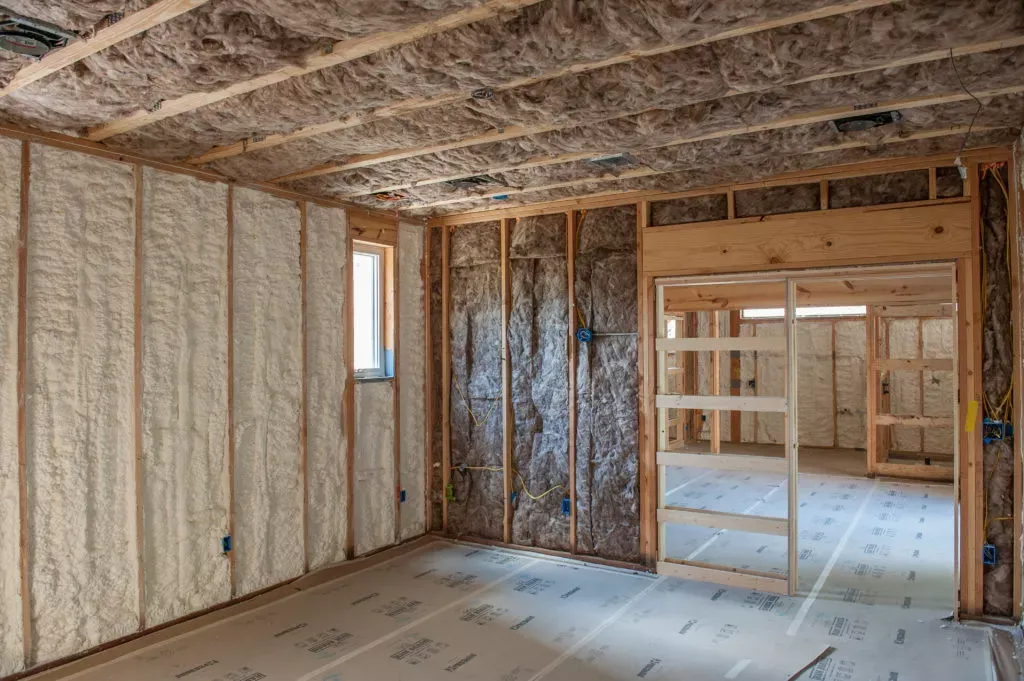
If your heating and cooling bills keep climbing, certain rooms never feel comfortable, and you notice drafts near windows and doors, your home likely needs a residential insulation upgrade. Cary, NC sits in a mixed-humid climate zone with hot, sticky summers and cool winters, which makes proper insulation more demanding than in milder regions. The U.S. Department of Energy classifies much of central North Carolina as Climate Zone 4, where recommended attic insulation reaches R-60 and wall insulation requires continuous exterior coverage. Ignoring the warning signs means your HVAC system works harder than necessary, indoor air quality suffers, and moisture problems can quietly damage your home’s structure. Below, we cover the specific signs that indicate an insulation upgrade is overdue, how Cary’s climate affects those decisions, and what a proper upgrade looks like.
TL;DR
- 9 out of 10 U.S. homes are under-insulated, according to ENERGY STAR, meaning most Cary homeowners likely have less insulation than their climate demands
- Skyrocketing energy bills, uneven room temperatures, and noticeable drafts are the most common red flags that insulation has degraded or was never sufficient
- Cary falls within Climate Zone 4, which calls for R-60 in uninsulated attics and R-49 where 3-4 inches already exist, per ENERGY STAR recommendations
- Moisture damage, mold smells, and pest activity in crawl spaces point directly to insulation failure in the areas most vulnerable to North Carolina’s humidity
- Air sealing and insulation upgrades together can save homeowners an average of 15% on heating and cooling costs
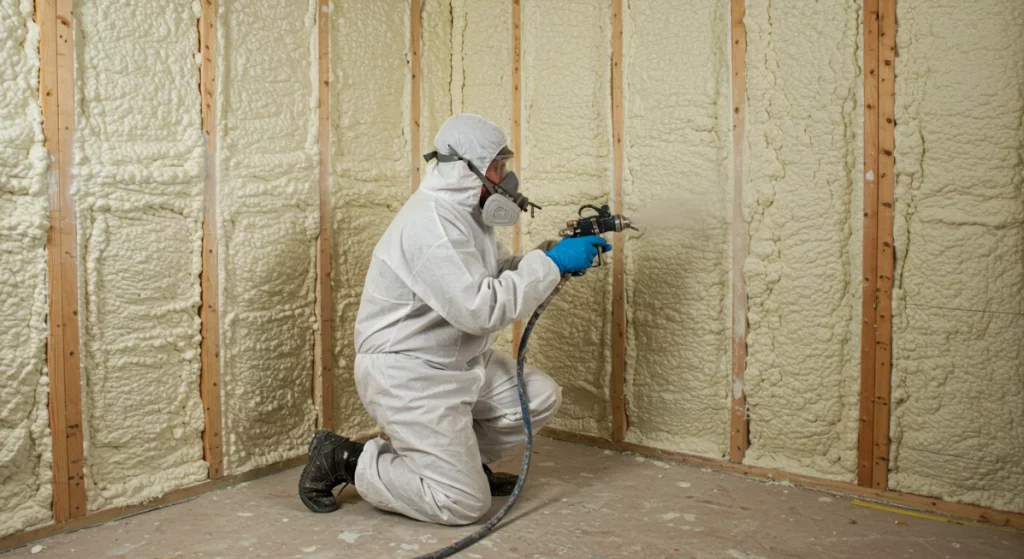
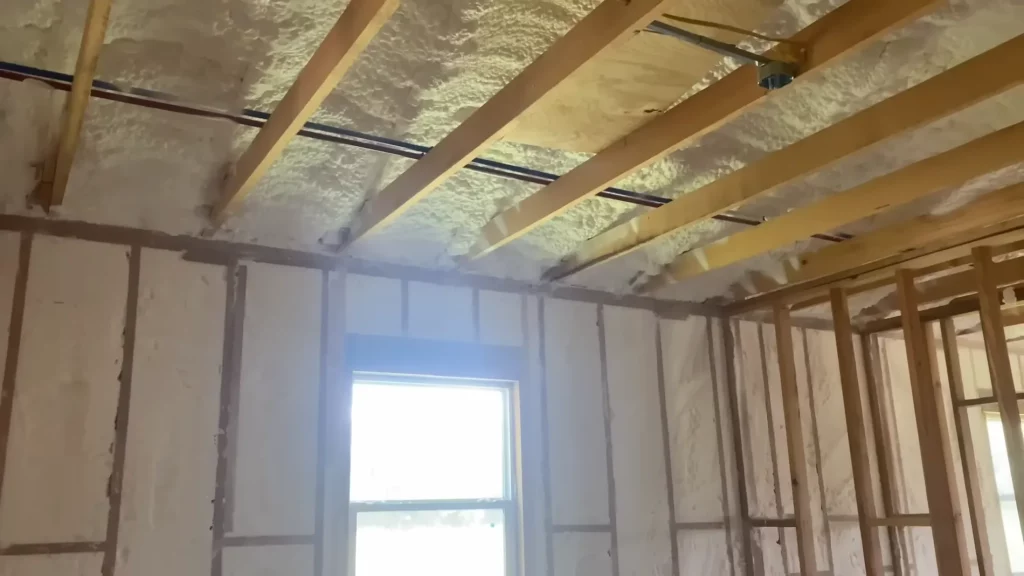
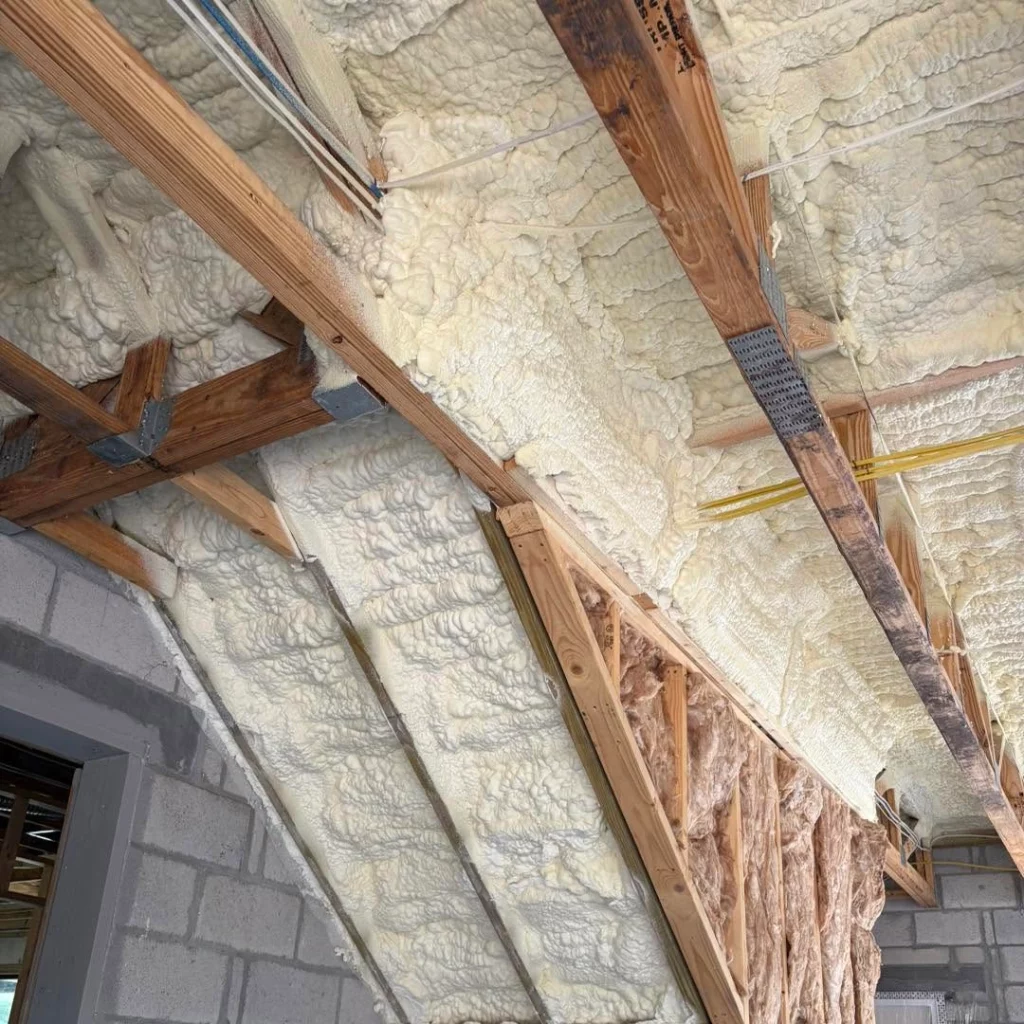
- Spray foam insulation offers both high R-value per inch and air sealing in a single application, making it especially effective for retrofit projects
Why Cary’s Climate Demands Better Insulation
Cary experiences a mix of hot, humid summers and moderately cold winters. The North Carolina Department of Environmental Quality’s insulation guidelines divide the state into three insulation regions, with Cary’s central Piedmont area classified as Region 4. This region requires wood-framed attic insulation of at least R-38, wood-framed walls at R-13, and wood-framed floors over unconditioned spaces at R-30.
The humidity factor matters as much as temperature. When warm, moist outdoor air meets cooler surfaces inside wall cavities or attic spaces, condensation forms. Over time, that moisture degrades fiberglass and cellulose used in residential insulation systems, reduces R-value, and creates conditions for mold growth. Homes built before modern energy codes went into effect often have little more than R-11 or R-13 in the walls, with attic insulation that has settled, compressed, or absorbed moisture over decades.
The Top Warning Signs You Should Not Ignore
1. Energy Bills That Keep Climbing Despite No Change in Usage
If your monthly utility statements trend upward year over year but your habits have stayed the same, insulation degradation is one of the most likely culprits. The EPA estimates that proper sealing and insulation can save homeowners up to 20% on heating and cooling costs, or up to 10% on total annual energy bills. When insulation compresses, settles, or absorbs moisture, its thermal resistance drops. Your HVAC system compensates by running longer cycles, consuming more electricity or gas to maintain your thermostat setting.
2. Uneven Temperatures Between Rooms
Walking from one room to another should not feel like crossing into a different season. If your second floor stays hot while the ground floor feels comfortable, or if rooms over the garage are freezing in winter, the insulation in those specific zones has likely failed. Temperature inconsistencies almost always trace back to gaps, settled insulation, or areas that were never insulated during original construction.
3. Noticeable Drafts Near Windows, Doors, and Electrical Outlets
If you feel air movement near exterior outlets, window frames, baseboards, or recessed lights, your home’s thermal envelope has gaps. According to ENERGY STAR, if you added up all the leaks, holes, and gaps in a typical home, it would equal leaving a window open every day of the year. Drafts are not just uncomfortable; they carry humidity, pollen, and dust indoors while forcing conditioned air out.
4. Moisture, Mold, or Musty Odors
Musty smells in your home, particularly on lower levels or near exterior walls, suggest moisture is entering through poorly insulated and unsealed assemblies. In Cary’s humid climate, condensation inside wall cavities or attic spaces is a serious concern. When insulation gets wet, whether from roof leaks, condensation, or high humidity, it loses effectiveness and can promote mold growth, making home insulation solutions essential for protecting indoor air quality and structural integrity.
5. Ice Dams in Winter (Even in North Carolina)
While less common than in northern states, ice dams can form on Cary rooftops during cold snaps following warm days. They occur when heat escapes through the attic and melts snow on the roof, which then refreezes at the eaves. Ice dams signal that your attic insulation and air sealing are inadequate, allowing warm indoor air to reach the roof deck.
6. Pests and Insects in Attic or Crawl Space
If insects or rodents are finding their way into your attic or crawl space, gaps in insulation and the building envelope are giving them easy entry. The NC DEQ insulation guidelines specifically note that certain foam insulation materials can be treated with insect repellents to help deter pests, a meaningful advantage in Cary where warm, humid conditions support active pest populations year-round.
7. Your Home Was Built Before 2000
Homes constructed before modern energy codes were enforced frequently have R-11 in walls, minimal attic insulation, and no insulation in crawl spaces at all. Building standards have evolved significantly, and older homes were built to less demanding thermal performance requirements. If your Cary home is more than 25 years old and has never had an insulation assessment, it almost certainly needs an upgrade.
Recommended R-Values for Cary Homes
The following table outlines what ENERGY STAR recommends for Climate Zone 4A/4B, which covers Cary:
| Home Area | If Uninsulated | If 3-4 Inches Existing | Wall Upgrade (Exterior Siding Removed) | Crawlspace/Basement Wall |
|---|---|---|---|---|
| Attic | R-60 | R-49 | N/A | N/A |
| Floor over unconditioned space | N/A | N/A | N/A | N/A |
| Walls | N/A | N/A | Add R5-R10 insulative sheathing | Add R10 sheathing or R13 batt |
| Crawlspace/Basement | N/A | N/A | N/A | R10 sheathing or R13 batt |
These targets represent cost-effective levels for retrofitting existing wood-framed homes. New construction in North Carolina is subject to the 2021 International Energy Conservation Code, which may set even higher baseline requirements.
Which Areas of Your Home Lose the Most Energy
Understanding where heat gain and loss occur helps you prioritize upgrades:
| Problem Area | What Happens | Why It Matters in Cary |
|---|---|---|
| Attic | Heat rises and escapes through poorly insulated ceilings | Summer heat radiates through the roof, driving cooling costs |
| Walls | Conductive heat transfer through under-insulated cavities | Temperature swings between indoor and outdoor are significant |
| Crawl Space | Humid air enters through vents and penetrations | Moisture carried into living spaces degrades comfort and air quality |
| Ductwork | Leaky, unsealed ducts in unconditioned spaces waste conditioned air | Ducts running through attics or crawl spaces can lose 20-30% of airflow |
| Rim Joist / Sill Plate | Air infiltration at the foundation framing | One of the largest sources of drafts in any home |
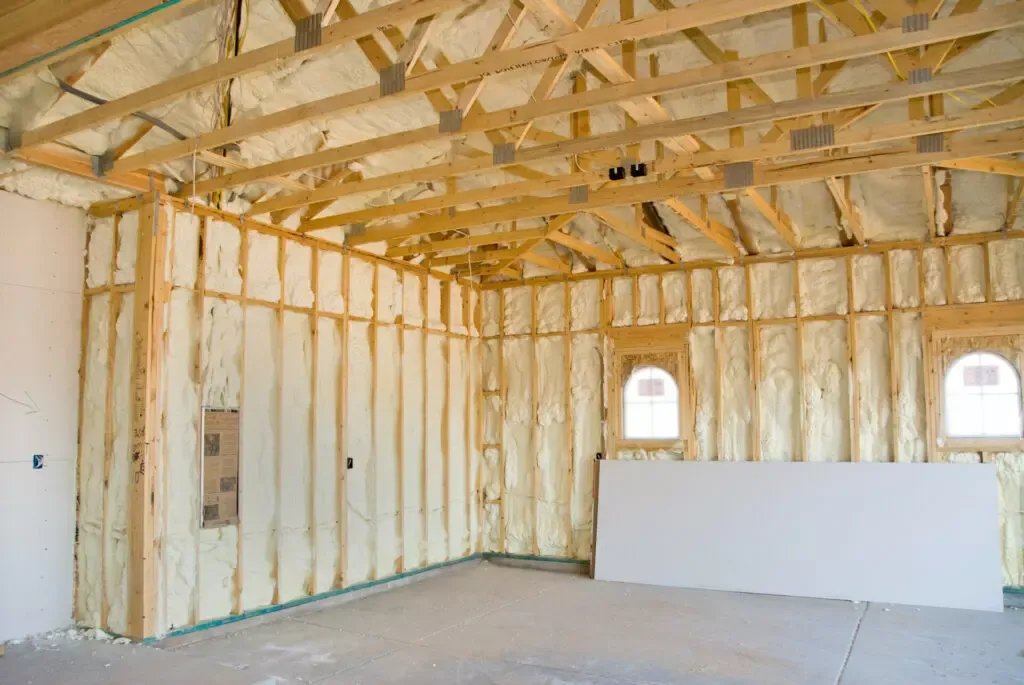
Attics and crawl spaces tend to deliver the best return on investment because they are the most accessible and the areas where the largest temperature differentials occur.
Signs You Have Found the Right Insulation Contractor
Choosing who handles your insulation upgrade matters as much as choosing the right material. Here is how to evaluate a provider:
- They perform a whole-home assessment before quoting, inspecting the attic, crawl space, walls, and ductwork rather than guessing from the driveway
- They explain R-value targets specific to your climate zone rather than quoting a single material or thickness as a universal solution
- They address air sealing alongside insulation, recognizing from the DOE’s guidance that insulation works best when air is not moving through or around it
- They offer moisture control solutions, such as vapor barriers and dehumidification, especially for crawl spaces in humid climates
- Their warranties and references are clear and verifiable, with documentation of past projects in the local area
Get a Professional Insulation Assessment for Your Cary Home
Raleigh Excel Spray Foam Insulation helps Cary homeowners identify exactly where their homes are losing energy and provides targeted insulation upgrades designed for North Carolina’s climate. Our team evaluates every attic, crawl space, and wall assembly, recommends the right R-values for your specific home, and installs spray foam insulation that seals gaps while delivering lasting thermal performance.
📞 Call us at (919) 301-9435 or email [email protected] to get started.
Do not wait until the next utility bill arrives to take action. The sooner you upgrade, the sooner you stop paying to condition air that is escaping through your walls and roof.
Frequently Asked Questions
How do I know if my attic insulation is sufficient for Cary’s climate?
Measure the depth of your existing attic insulation. In Climate Zone 4, ENERGY STAR recommends R-60 for uninsulated attics. Most fiberglass batts deliver about R-3.2 per inch, so you would need roughly 19 inches of coverage to reach that target. If you have significantly less, an upgrade is overdue.
Can insulation problems cause health issues for my family?
Yes. Poor insulation allows moisture buildup that promotes mold growth, increases indoor humidity, and lets more outdoor allergens enter the home. The EPA notes that proper sealing and insulation improve indoor air quality by reducing pollen, dust, and pest entry.
Is spray foam insulation worth the upgrade over fiberglass or cellulose?
A: Spray foam provides both higher R-value per inch and superior air sealing in a single step, which is especially valuable in humid climates like Cary’s. The DOE recognizes spray foam as effective at sealing out drafts and filling irregular cavities that batt insulation cannot reach.
How long does a residential insulation upgrade take?
Most single-family home insulation projects, including attic and crawl space work, are completed within one to two days. More comprehensive projects that include wall insulation retrofits may take longer depending on the scope.
Should I upgrade insulation before replacing my HVAC system?
Yes, in most cases. Proper insulation reduces the load on your HVAC system, which means a new system can be sized smaller and still maintain comfort. Upgrading insulation first ensures your new HVAC equipment operates efficiently and lasts longer.
Sources
- ENERGY STAR – Why Seal and Insulate? – EPA-backed resource on the energy savings, comfort benefits, and indoor air quality improvements from proper home sealing and insulation.
- ENERGY STAR – Recommended Home Insulation R-Values – Climate zone-specific R-value recommendations for retrofitting existing wood-framed buildings, including Zone 4 targets for attics, walls, crawl spaces, and basements.
- U.S. Department of Energy – Insulation – Comprehensive guide covering how insulation works, R-value science, material types, and the relationship between insulation, air sealing, and moisture control.
- U.S. EPA – Seal and Insulate with ENERGY STAR (PDF) – Original EPA publication documenting that sealing and insulating can save up to 20% on heating and cooling costs and reduce total energy bills by up to 10%.
- NC DEQ – Energy Saving Fact Sheet: Insulation Guidelines – North Carolina state government guide covering insulation regions within NC, R-value and U-value relationships, material types, and ASHRAE-based recommendations for Region 4.

- How Should Raleigh, NC Property Owners Evaluate Insulation for Long-Term Use? - September 23, 2026
- What Factors Affect Insulation Performance Across Different Parts of a Property? - September 23, 2026
- Could Spray Foam Insulation Be Useful Around Uneven Building Sections in Wake Forest, NC? - September 18, 2026